

أفضل 10 أنظمة إدارة تعلم (LMS) للشركات الصغيرة تبسط التدريب
تعرف على أفضل أنظمة إدارة التعلم للشركات الصغيرة. اطلع على أبرز منصات تدريب الموظفين المصممة للفرق النامية.

أفضل نظام إدارة تعلم (LMS) لشركة صغيرة هو الذي يمكنك شراؤه دون مكالمة مبيعات. TalentLMS هو الخيار الأسهل والأشمل (نظام كامل، وأسعار معلنة تبدأ من 119 دولار شهريا، ومجاني حتى 5 مستخدمين)، وCoursebox هو الأفضل إذا أردت أن يبني الذكاء الاصطناعي الدورات نيابة عنك، وTalentCards يناسب الفرق الميدانية التي تتدرب من الهاتف، وMoodle هو المسار المجاني مفتوح المصدر إذا توفرت لديك الخبرة التقنية. قيمنا 10 أدوات بناء على وضوح الأسعار، وسهولة الإعداد دون خبرة تقنية، ومستوى الدعم عند حدوث عطل.
- ست أدوات من هذه العشر تعرض السعر قبل أي مكالمة مبيعات: TalentLMS و360Learning وTalentCards وMoodle وLearnDash وCoursebox. أما الأربع الأخرى (iSpring وLitmos وTrainual وLearnUpon) فتمر بك على فريق المبيعات أولا.
- إذا كنت تبحث عن مجاني فعلا، فهناك Moodle (بالاستضافة الذاتية) وTalentCards وCoursebox، وجميعها تقدم باقات مجانية حقيقية، وTalentLMS مجاني حتى 5 مستخدمين.
- تجاوز الخيارات المسعرة لمستوى المؤسسات الكبيرة إذا كانت شركتك صغيرة فعلا: LearnUpon يكلف من 25,000 إلى 50,000 دولار سنويا، وأدوات مثل Litmos تخفي أسعارها وتحبس محتوى SCORM الخاص بك داخلها.
- TalentCards هو الخيار الأنسب للموظفين الميدانيين الذين يعملون بلا مكاتب (تعلم مصغر عبر الهاتف)، وTrainual في حقيقته أداة لتوثيق إجراءات التشغيل وتأهيل الموظفين الجدد أكثر منه نظام إدارة تعلم كامل.
أجب عن ثلاثة أسئلة سريعة وسنرشدك إلى الأنسب لك من هذه القائمة.

شغّل نظام إدارة التعلم الخاص بعلامتك التجارية مع عدد غير محدود من المتعلمين
صفحة الأسعار لا تقول شيئا. تضغط على الرابط فتجد نموذج تواصل، ثم ينتهي بك الأمر في مكالمة عرض توضيحي لتعرف كم يكلفك نظام إدارة التعلم فعلا. وحين يصلك الرقم أخيرا تكون قد خضت ثلاث محادثات وصرت تشعر بأنك ملتزم. أعمل مع أصحاب الشركات الصغيرة على التدريب والتسويق، والنمط يتكرر: صاحب الشركة يقارن الأدوات في عطلة نهاية أسبوع، ويحجز عرضا توضيحيا، ثم يصله السعر بعد ستة أيام. ورأيت أصحاب أعمال يشترون منصات لم يستخدموها بالكامل قط، لأن الإعداد وحده استغرق وقتا أطول مما يملكه أي منهم.
كيف قيمت هذه الأدوات
هل السعر ظاهر؟ أي هل التكلفة منشورة على الموقع أم محجوبة خلف مكالمة مبيعات. صاحب شركة يقارن الأدوات في عطلة نهاية أسبوع يفضل رقما ظاهرا على ثلاثة عروض توضيحية.
هل يستطيع فريق غير تقني تشغيله؟ أي هل يقدر صاحب الشركة أو مسؤول الموارد البشرية أو العمليات على إعداده وإدارته دون فريق تقنية معلومات ولا مطور جاهز.
ماذا يحدث حين يتعطل شيء؟ جودة الدعم وسلوك المنصة في منتصف عملية الإعداد، ووجود باقة مجانية أو فترة تجريبية تختبرها قبل أن تلتزم.
ملاحظة قبل القائمة: Coursebox منتجنا، ولذلك التزمت بأضيق حدود ما يمكن إثباته، وأرقام الاستخدام في فقرته مأخوذة من تحليلات PostHog الخاصة بنا لا من مراجعين خارجيين. لم أضعه في المركز الأول، بل في الموضع الذي يستحقه فعلا بالنسبة للشركات الصغيرة، مع ذكر التنازلات بوضوح.
لم أدرج LearnWorlds ولا Tovuti ولا Teachable في هذه المقارنة. الثلاث تخدم غرضا مختلفا في الأساس: منصات لصناع الدورات الموجهة إلى جمهور خارجي، لا لتدريب الموظفين داخل الشركة.
مقارنة سريعة
| الأداة | سعر البداية | باقة مجانية | الأفضل لـ | انتبه إلى |
|---|---|---|---|---|
| TalentLMS | 119 دولار شهريا (100 مستخدم) | نعم، حتى 5 مستخدمين | أسعار معلنة، وتشغيل دون قسم تقنية معلومات | لا تقارير على مستوى البرنامج التدريبي |
| 360Learning | 8 دولارات لكل مستخدم شهريا | تجربة 30 يوما | تأليف تشاركي، وسعر دخول منخفض | مشكلات في تطبيق Android، ودعم عبر البوابة فقط |
| Coursebox | مجاني، وباقات مدفوعة فوقه | نعم، 3 دورات مصغرة | بناء الدورات باستخدام الذكاء الاصطناعي، واستضافة، وتصدير SCORM | نوع سؤال الاختبار يثبت بعد الإنشاء |
| TalentCards | 0.80 دولار لكل مستخدم شهريا (50 كحد أدنى) | نعم، حتى 5 مستخدمين | تعلم مصغر عبر الهاتف للفرق الميدانية | ليس نظام إدارة تعلم كاملا، ولا SCORM ولا تصدير |
| iSpring Learn | بعرض سعر فقط | تجربة مجانية | دعم في أقل من 15 دقيقة، واستيراد من PowerPoint | بعرض سعر فقط، وتقارير محدودة |
| Moodle | مجاني بالاستضافة الذاتية، وMoodleCloud بنحو 130 دولار سنويا | نعم (بالاستضافة الذاتية) | مجاني، ومفتوح المصدر، وملكية كاملة | يحتاج إدارة خوادم، ويبطؤ تحت الحمل |
| LearnDash | 199 دولار سنويا زائد الاستضافة | تجربة 14 يوما | بناء الدورات على موقع WordPress الخاص بك | لا دعم أصلي لـ SCORM، والتكلفة الفعلية نحو 1,200 دولار سنويا أو أكثر |
| Litmos | بعرض سعر فقط | تجربة 14 يوما | تشغيل سريع، ولوحة تحكم لغير التقنيين | أسعار غير معلنة، ومحتوى SCORM محبوس |
| Trainual | محجوب خلف عرض توضيحي زائد 1,000 دولار إعداد | تجربة مجانية | توثيق إجراءات التشغيل وتأهيل الموظفين الجدد | لا سعر معلن، وليس نظام إدارة تعلم كاملا |
| LearnUpon | بعرض سعر (نحو 6 إلى 9 دولارات لكل مستخدم شهريا) | لا | دعم متميز، وبوابات لجماهير متعددة | مكلف (25,000 إلى 50,000 دولار سنويا)، بأسعار المؤسسات الكبيرة |
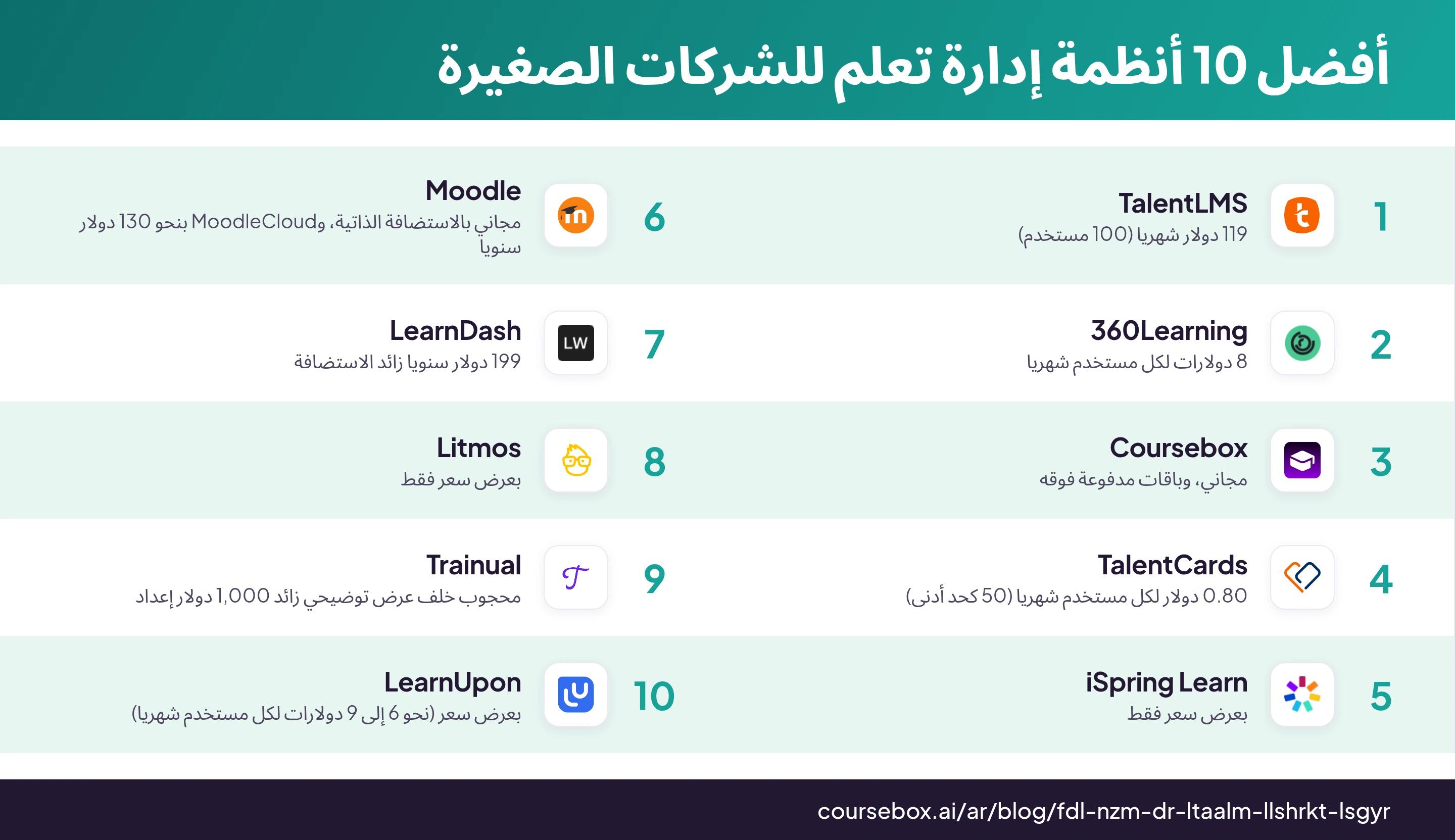
تتيح لك TalentLMS و360Learning وTalentCards وMoodle وLearnDash وCoursebox تقدير التكلفة من موقعها مباشرة. أما الأربع الأخرى (iSpring وLitmos وTrainual وLearnUpon) فتمر بك على المبيعات أولا. وصاحب شركة لا يملك سوى ساعات قليلة لتقييم الأدوات سيفضل دائما رقما ظاهرا على مكالمة عرض توضيحي مفروضة.
1. TalentLMS
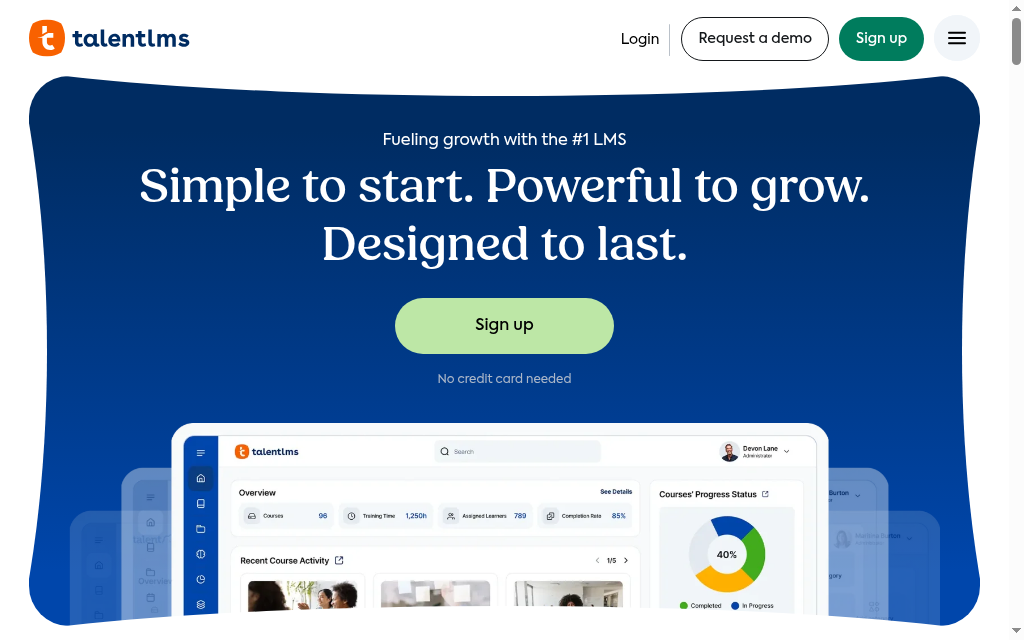
الموقع: talentlms.com
TalentLMS هو ما أبدأ به معظم القوائم المختصرة للشركات الصغيرة، لسبب واحد: السعر منشور على الموقع، والمنصة مصممة جيدا للتدريب الداخلي. باقة Core بـ 119 دولار شهريا لـ 100 مستخدم، وGrow بـ 229 دولار، وPro بـ 449 دولار، وهناك باقة مجانية دائمة حتى 5 مستخدمين. يعمل دون قسم تقنية معلومات، ويستطيع من يتولى الموارد البشرية أو العمليات إدارته، وتأتي الشارات والنقاط ولوحات الصدارة والمسارات التدريبية مع الباقات المدفوعة. العيب الموثق الوحيد هو التقارير: لا يستطيع تجميع التقدم عبر دورات مضمومة في برنامج تدريبي واحد، وهو ما يؤلم عند تشغيل وحدات امتثال مترابطة، لكنه نادرا ما يهم في مسار تأهيل واحد.
الأفضل لـ: معظم الفرق الصغيرة والمتوسطة التي تريد نظام إدارة تعلم كاملا وسهلا بسعر تراه قبل أي مكالمة مبيعات.
الأسعار: مجاني حتى 5 مستخدمين (بشكل دائم)، وCore بـ 119 دولار شهريا (100 مستخدم)، وGrow بـ 229 دولار شهريا (500 مستخدم)، وPro بـ 449 دولار شهريا. خصم 20% على الاشتراك السنوي. الأسعار معلنة على talentlms.com/prices.
ملاحظات بعد التجربة: مفاجأة واجهتها: إيقاف إشعارات البريد عن أحد المتدربين لتخفيف الازدحام عنه جمد أيضا مساره التدريبي الآلي. يستخدم TalentLMS تلك الرسائل لإطلاق الدورة التالية، فإذا كان فريق صغير يعتمد على الأتمتة لتشغيل التأهيل دون تدخل، فأبق الإشعارات مفعلة.
2. 360Learning
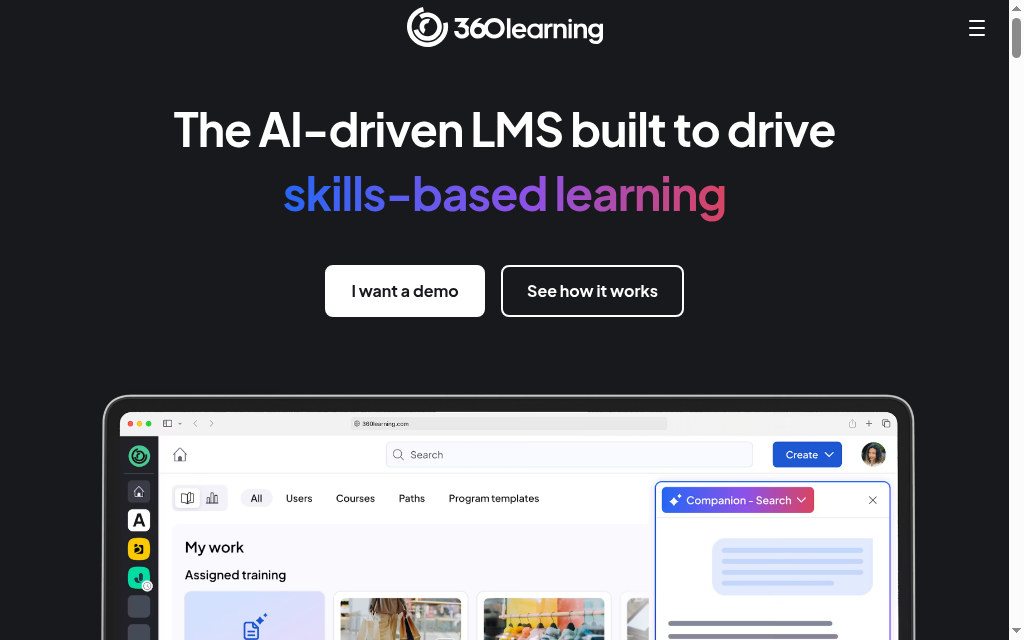
الموقع: 360learning.com
يقدم 360Learning أدنى سعر دخول معلن هنا، 8 دولارات لكل مستخدم شهريا في باقة Team، بفوترة شهرية بلا التزام سنوي، ومع تجربة 30 يوما لا تتطلب بطاقة. وميزته الأبرز هي التأليف التشاركي: دور المساهم يتيح لمسؤول قسم أن يبني وحدة تأهيل خاصة به دون المساس بمحتوى غيره ولا بلوحة الإدارة، وهذا يحل الاختناق الحقيقي لدى الفرق الصغيرة، وهو الوقت والصلاحيات لا الميزانية. ويجيب مساعد الذكاء الاصطناعي على أسئلة المتدربين، ويتيح لك أن تسأل بلغة عادية: من تأخر عن الامتثال؟ اختبر أمرين أولا: تطبيق Android فيه مشكلات موثقة في التسجيل وتشغيل الفيديو، والدعم في الباقة الأساسية عبر البوابة فقط.
الأفضل لـ: الفرق الصغيرة التي يفترض أن يبني فيها خبراء المجال التدريب، لا شخص مركزي مسؤول عن التدريب والتطوير.
الأسعار: باقة Team بـ 8 دولارات لكل مستخدم شهريا (فوترة شهرية بلا التزام سنوي)، وBusiness وEnterprise بأسعار مخصصة. تجربة 30 يوما بلا بطاقة. 360learning.com/pricing.
ملاحظات بعد التجربة: يستحق أن تعرفه قبل أن تلتزم: في باقة Team الدعم ذاتي بالكامل، منتديات وأسئلة شائعة وقاعدة معرفة، أما الدعم الهاتفي البشري فمحجوز لباقة المؤسسات. وبالنسبة لفريق صغير بلا قسم تقنية معلومات، يعني ذلك أن تحل عقبات الإعداد بنفسك، فاختبر خلال الفترة التجريبية إلى أي مدى تنفعك الوثائق.
3. Coursebox
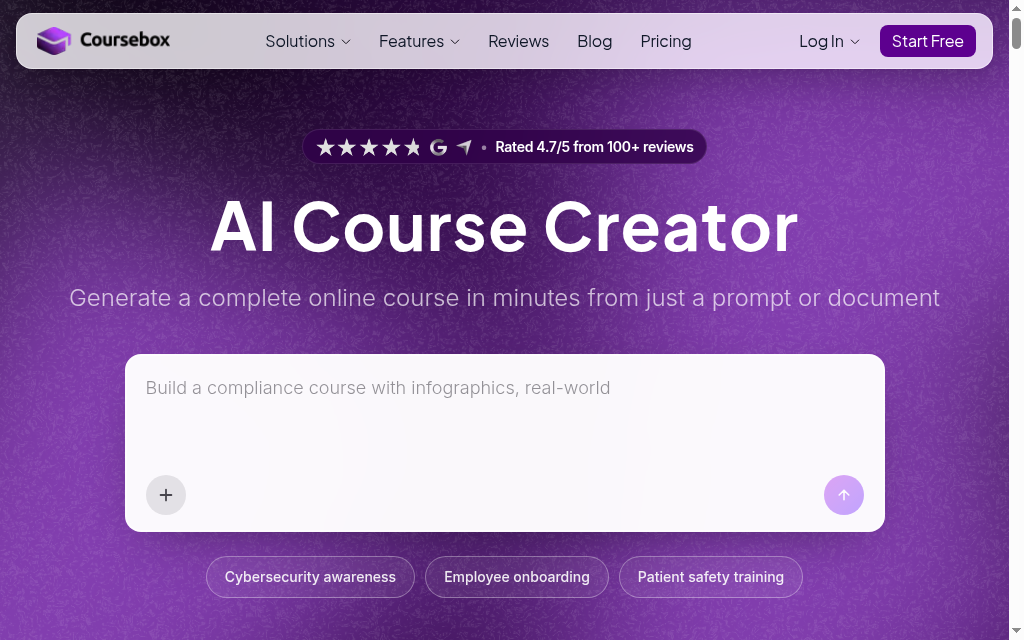
الموقع: coursebox.ai
Coursebox منتجنا، ولذلك التزمت بأضيق حدود ما يمكن إثباته، والأرقام هنا من تحليلات PostHog الخاصة بنا. هو منشئ دورات باستخدام الذكاء الاصطناعي مع نظام إدارة تعلم مدمج: وجهه إلى مستندات أو مقاطع فيديو أو صفحة ويب أو مكالمة مسجلة فيكتب دورة منظمة، ثم يستضيفها ويتتبعها، أو يصدرها عبر SCORM أو LTI إلى نظام إدارة تعلم تشغله بالفعل. أمران يبرزان للشركة الصغيرة. الأول أنه مستضاف بالكامل، فلا خوادم ولا إضافات ترعاها كما يتطلب Moodle. والثاني أن كل باقة، بما فيها المجانية، تتيح عددا غير محدود من المتدربين، فيمكن أن ينمو عدد موظفيك دون أن تتحرك الفاتورة، إذ يتوسع عدد الدورات وأرصدة الذكاء الاصطناعي فقط.
يبدأ مجانا بثلاث دورات مصغرة وعدد غير محدود من المتدربين، وهي طريقة حقيقية لاختباره قبل الدفع، والنمط الأكثر تكرارا في بريدنا هو فرق صغيرة تبني بسرعة على باقة منخفضة، ثم ترتقي إلى Pro للحصول على منصة بعلامتها التجارية ومقاعد إدارية إضافية مع نموها. يعطي كثيرا مقابل قليل. أما العيوب بصراحة فهي أن نوع سؤال الاختبار لا يمكن تغييره بعد إنشائه، فخطط لبنية الاختبار مسبقا، وإذا كنت تحتاج تقارير عميقة بمستوى الامتثال فهو ليس مبنيا لذلك.
الأفضل لـ: الفرق الصغيرة التي تريد أن يبني الذكاء الاصطناعي الدورة بسرعة، باستضافة كاملة، وبعدد غير محدود من المتدربين حتى في الباقة المجانية.
الأسعار: مجاني (3 دورات مصغرة، وعدد غير محدود من المتدربين)، وفوقه Creator وCreator Plus وPro وBusiness وEnterprise. coursebox.ai/pricing.
ملاحظات بعد التجربة: سأكون صريحا لأننا من بناه. ما يجذب الفرق الصغيرة هو السرعة: تحول كومة مستندات أو مكالمة مسجلة إلى دورة منظمة تحمل علامتك في دقائق، ثم تستضيفها لعدد غير محدود من المتدربين. ليس الأداة المناسبة للتقارير العميقة بمستوى الامتثال، لكن إذا أردت إطلاق تدريب حقيقي هذا الأسبوع دون خوادم ولا فاتورة لكل مستخدم، فتلك السرعة هي المقصد.
4. TalentCards
الموقع: talentcards.com
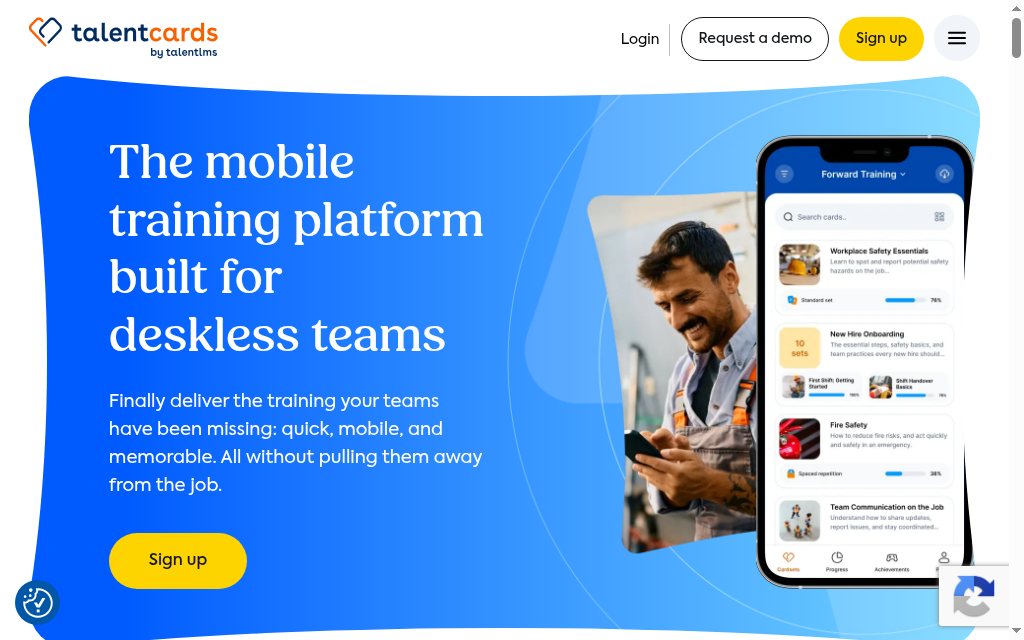
TalentCards، من صناع TalentLMS، هو الخيار إذا كان موظفوك يعملون واقفين لا خلف مكاتب. هو تعلم مصغر يعتمد على الهاتف أولا: مجموعات بطاقات تعليمية قصيرة بنصوص وصور وصوت وفيديو ورموز QR ينهيها فعلا موظف في متجر أو مستودع أو ميدان من هاتفه. والباقة المجانية صالحة للاستخدام حقا (حتى 5 مستخدمين، ومجموعات بطاقات غير محدودة، وتكرار متباعد، وعناصر تحفيز باللعب مدمجة)، وتبدأ الباقات المدفوعة من 0.80 دولار لكل مستخدم شهريا بكتل من 50 مستخدما. أما الحد الصريح فهو أن هذا تعلم مصغر لا نظام إدارة تعلم كامل. لا استيراد لـ SCORM ولا تصدير في أي باقة، فأي مكتبة كبيرة تبنيها هنا ستضطر إلى إعادة بنائها يدويا إن غادرت يوما.
الأفضل لـ: تدريب الموظفين الميدانيين والعاملين بلا مكاتب على موضوعات امتثال قصيرة متكررة ومعرفة بالمنتج، مباشرة من هواتفهم.
الأسعار: مجاني حتى 5 مستخدمين، وStandard بـ 0.80 دولار لكل مستخدم شهريا، وPremium بـ 1.20 دولار لكل مستخدم شهريا (بحد أدنى 50 مستخدما لكليهما)، وخصم 20% على الاشتراك السنوي، وبلا رسوم إعداد. talentcards.com/pricing.
ملاحظات بعد التجربة: بنيت مجموعة بطاقات تجريبية في TalentCards فوجدتها سريعة، معظمها سحب وإفلات مع صور وصوت وفيديو، وسريعة التجهيز فعلا لتدريب عبر الهاتف ينهيه موظفون ميدانيون مشغولون.
5. iSpring Learn
الموقع: ispringsolutions.com
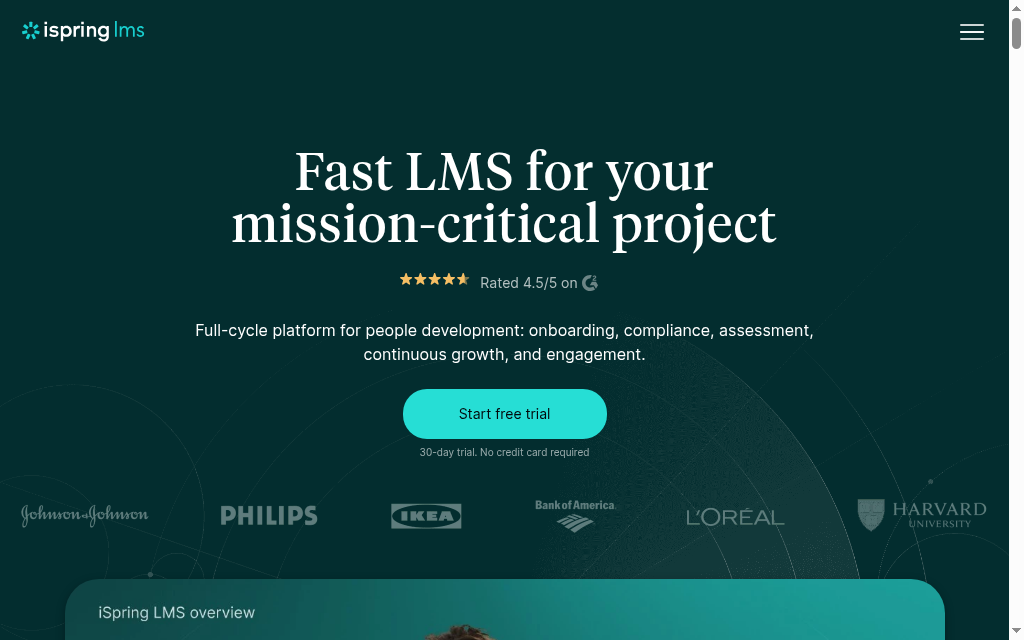
أبرز ما في iSpring Learn هو الدعم: أزمنة الاستجابة موثقة بأقل من 15 دقيقة، ومعظم المشكلات تحل خلال ساعتين، وهذا أوضح سبب لاختياره إن لم يكن لديك قسم تقنية معلومات داخلي. ويستورد أيضا مباشرة من PowerPoint، فإذا كان تدريبك موجودا أصلا في عروض شرائح (وهو حال معظم محتوى الشركات الصغيرة) فأنت تختصر خطوة تحويل. وله عيبان: السعر بعرض سعر فقط، فيستغرق التقييم وقتا أطول من تجربة ذاتية، والتقارير خارج اللوحات الأساسية تحتاج حلولا التفافية، ويستحق الأمر أن تطرحه مباشرة في مكالمة المبيعات إن كنت تحتاج تصدير سجلات التدقيق.
الأفضل لـ: الفرق التي يقوم تدريبها على PowerPoint وبلا قسم تقنية معلومات، وتفضل دعما سريعا موثوقا على رؤية السعر مسبقا.
الأسعار: بعرض سعر فقط. ispringsolutions.com/ispring-learn.
ملاحظات بعد التجربة: عقبة استخدام صغيرة لاحظتها: أداة محادثة الدعم تتداخل مع قائمة التنقل في الدورة، فيضطر المتدربون أحيانا إلى تصغير النافذة بطريقة مزعجة للتنقل بين الأقسام. أمر بسيط، لكنه يستحق النظر خلال التجربة إن كان فريقك سيعتمد على التنقل المدمج يوميا.
6. Moodle
الموقع: moodle.org
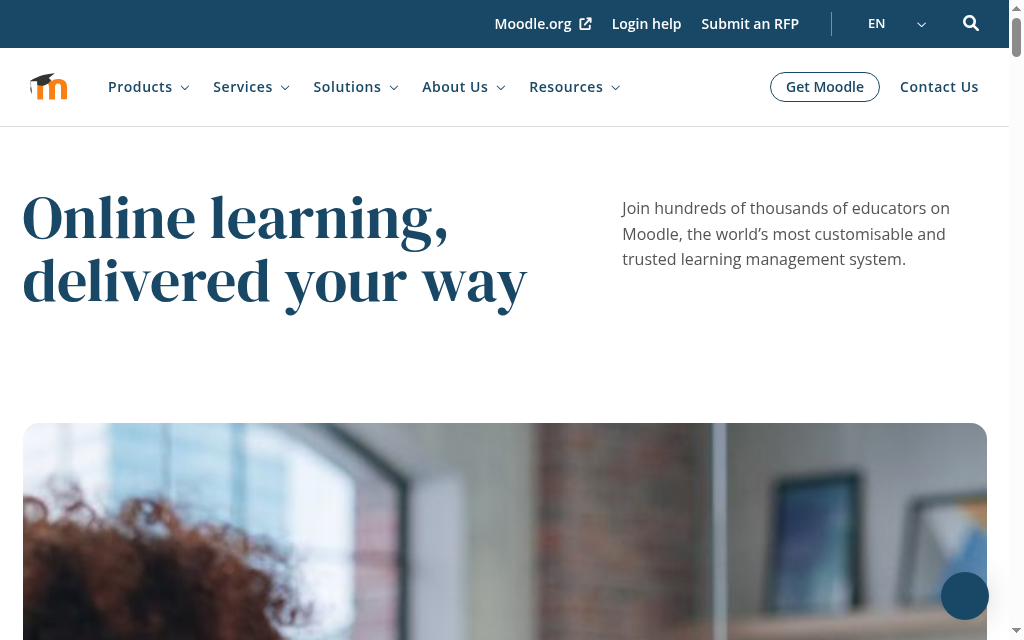
Moodle مجاني في التثبيت، وهذا ليس نفسه مجانيا في التشغيل، والفارق بينهما هو القصة كلها بالنسبة لشركة صغيرة. بالاستضافة الذاتية تحصل على ملكية كاملة وبلا رسوم لكل مستخدم، لكنك تحصل أيضا على خادم تصونه، وإضافات تديرها، وترقيات تختبرها، وبطء موثق حين يدخل عدد كبير على الاختبارات في الوقت نفسه. هذا مقبول لفريق من 200 شخص فيه موظف تقني، أما ورشة من 20 شخصا يكون فيها صاحب العمل هو المدرب فهو غير مناسب لها. وإذا أردت المزايا دون البنية التحتية، فإن MoodleCloud (باستضافة من Moodle) يبدأ بنحو 130 دولار سنويا لـ 50 مستخدما.
الأفضل لـ: الفرق التي تملك خبرة تقنية داخلية وتضبط التكاليف بإحكام، أو من يريد مزايا Moodle مستضافة عبر MoodleCloud.
الأسعار: مجاني بالاستضافة الذاتية، وMoodleCloud من نحو 130 دولار سنويا (50 مستخدما). moodle.org وmoodlecloud.com.
ملاحظات بعد التجربة: أمران يكررهما المراجعون بعد أن يبدأ الفريق العمل على Moodle: المسؤولون الجدد يواجهون منحنى تعلم حادا لمجرد العثور على المزايا أو الملفات، ولا توجد أدوات ترتيب مدمجة، فيتراكم المحتوى مع الوقت. لا يبارى في السعر، لكن خصص ميزانية لمن يبقيه مرتبا ويتعلمه كما ينبغي.
7. LearnDash
الموقع: learndash.com
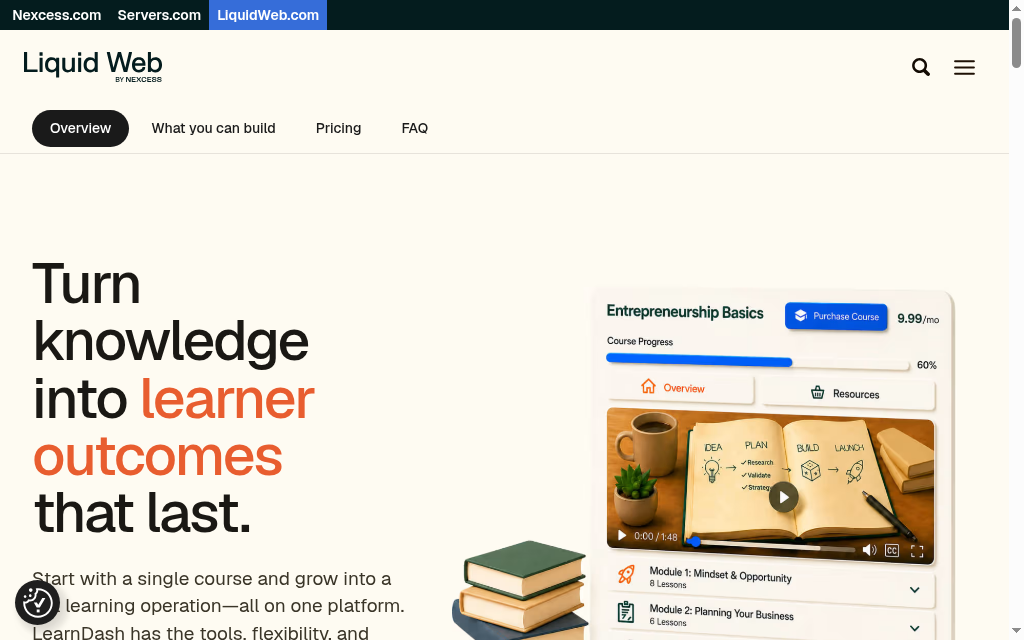
LearnDash إضافة لـ WordPress لا منصة مستضافة، وهذا يحدد التكلفة الحقيقية. ترخيص Personal بـ 199 دولار يغطي دورات غير محدودة على موقع واحد، لكنه لا يغطي استضافة WordPress ولا القالب ولا شهادة SSL ولا الإضافات الخاصة بالتقارير المتقدمة والمدفوعات، فينتهي تشغيل فعلي في السنة الأولى عند نحو 1,200 إلى 1,500 دولار عادة. كما لا يدعم SCORM أصليا، فاستيراد SCORM أو تصديره يحتاج إضافات إضافية. وإذا كان موقعك يعمل بالفعل على WordPress ويصونه أحدهم، فمنشئ الدورات قوي فعلا (نشر تدريجي للمحتوى، ومتطلبات سابقة، واختبارات، ومجموعات). وإن لم يكن كذلك، فصيانة WordPress تتضخم بسرعة.
الأفضل لـ: الشركات التي تعمل بالفعل على WordPress ولديها من يصونه، وتريد بناء الدورات على موقعها الخاص.
الأسعار: باقة Personal بـ 199 دولار سنويا (موقع واحد)، وProfessional بـ 499 دولار سنويا، وBusiness بـ 999 دولار سنويا، زائد استضافة WordPress والإضافات. learndash.com.
8. Litmos
الموقع: litmos.com
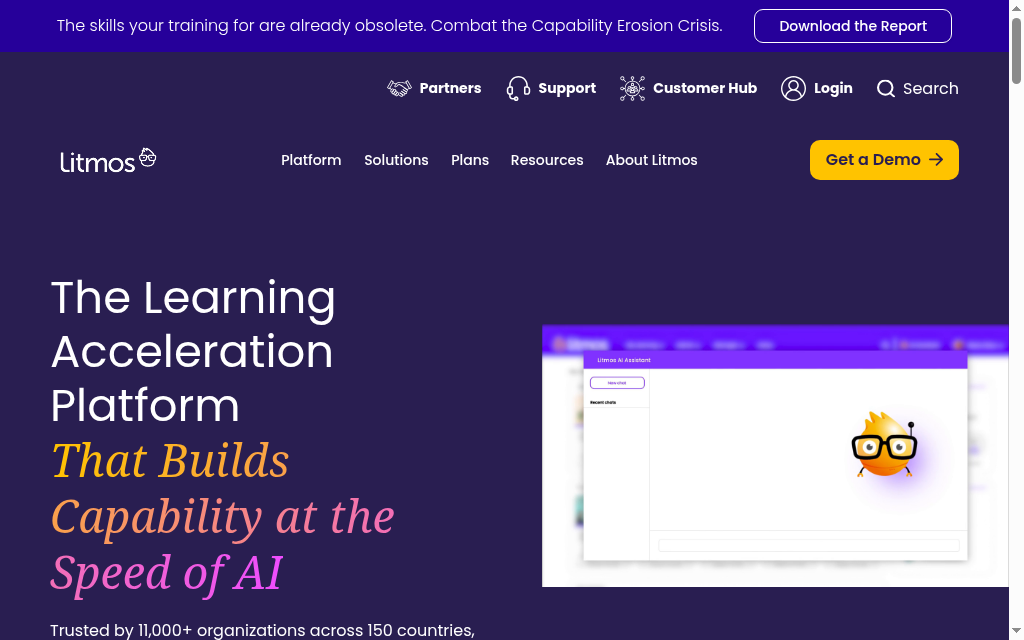
يمكن تشغيل Litmos خلال أسابيع بلوحة تحكم يديرها مسؤولون غير تقنيين، وهو يتحمل فرقا كبيرة موزعة دون تباطؤ. لكنه يقع في الطرف المؤسسي من مفهوم الشركة الصغيرة، وثلاثة أمور تحتاج فحصا أولا. الأسعار غير منشورة (ثلاث باقات بلا أرقام)، وارتفاع سعر التجديد دون إشعار نمط موثق. ومحتوى SCORM الذي ترفعه يظل محبوسا في صيغة Litmos، فإن انتقلت إلى منصة أخرى لاحقا لن يأتي معك. والتقارير التي تتجاوز نسب الإكمال الأساسية تحتاج أداة خارجية. وتتيح لك تجربة 14 يوما بلا بطاقة أن تختبر الإعداد قبل كل ذلك.
الأفضل لـ: الطرف الأكبر من الشركات الصغيرة: فرق تريد تشغيلا سريعا وتقبل بالتسعير بعرض سعر فقط وبقدر من الارتباط بالمنصة.
الأسعار: بعرض سعر فقط. تجربة 14 يوما بلا بطاقة. litmos.com/litmos-pricing.
9. Trainual
الموقع: trainual.com
Trainual مختلف قليلا عن البقية: هو أقرب إلى نظام لتحويل إجراءات التشغيل المبعثرة والمعرفة الشفهية إلى دليل واحد قابل للبحث والتتبع، منه إلى نظام إدارة تعلم. وبالنسبة لشركة نامية من 10 إلى 50 شخصا، أو وكالة أو امتياز تجاري أو عملية خدمية توحد التأهيل مع دخول الموظفين وخروجهم، فهو ممتاز، بأكثر من 500 قالب واختبارات وتوقيعات إلكترونية تثبت أن الناس قرأوا الإجراء فعلا لا أنه موجود فحسب. أما العيوب بصراحة فهي أن السعر صار محجوبا خلف عرض توضيحي مع رسم تنفيذ لمرة واحدة قدره 1,000 دولار، وأنه مبني للتوثيق والمساءلة لا للتقييمات العميقة ولا لعناصر التحفيز باللعب ولا للدورات متعددة المسارات.
الأفضل لـ: الفرق الصغيرة النامية التي تحتاج توثيق إجراءات التشغيل وتوحيد التأهيل أكثر مما تحتاج نظام إدارة تعلم للدورات.
الأسعار: محجوب خلف عرض توضيحي (لا سعر معلن، وتاريخيا نحو 249 دولار شهريا أو أكثر) زائد رسم إعداد لمرة واحدة قدره 1,000 دولار. تجربة مجانية. trainual.com/pricing.
ملاحظات بعد التجربة: جربت Trainual والخلاصة الصريحة أنه لا يعمل إلا بقدر ما تضعه فيه. يمنحك البنية والقوالب، لكن لا أحد يوثق إجراءاتك نيابة عنك، ولا بد أن يجلس أحد في فريقك ويكتب كل إجراء بنفسه. وإن كنت تأمل أن يتولى العبء الأكبر تلقائيا، فهو لا يفعل.
10. LearnUpon
الموقع: learnupon.com
يملك LearnUpon أعلى تقييم للدعم في هذه المقارنة، وإعدادا متعدد البوابات مفيدا فعلا لتدريب جماهير مختلفة (موظفون وشركاء وعملاء) من نظام واحد، مع تنفيذ يصفه الناس باستمرار بأنه سلس. والمشكلة لدى معظم الشركات الصغيرة هي الفاتورة: نحو 6 إلى 9 دولارات لكل مستخدم شهريا، بالتزامات سنوية معتادة من 25,000 إلى 50,000 دولار لبضع مئات من المتدربين، وهو أقرب إلى راتب موظف مبتدئ منه إلى بند برمجيات. كما أوقف تدريبه القديم بقيادة مدرب في أكتوبر 2025 (تنتهي تقارير ILT القديمة في أبريل 2026)، وتكاملاته مع Microsoft وأنظمة الموارد البشرية تحتاج غالبا حلولا يدوية. وهو منطقي في الطرف الأكبر من الشركات الصغيرة، 150 موظفا فأكثر مع احتياجات لجماهير متعددة وميزانية مناسبة.
الأفضل لـ: الطرف الأعلى من الشركات الصغيرة (150 موظفا فأكثر) التي تدرب جماهير متعددة، وبميزانية مناسبة.
الأسعار: بعرض سعر فقط، نحو 6 إلى 9 دولارات لكل مستخدم شهريا (غالبا من 25,000 إلى 50,000 دولار سنويا). learnupon.com/pricing.
ملاحظات بعد التجربة: الإعداد متعدد البوابات هو الأبرز عمليا: كل بوابة جمهور (موظفون وشركاء وعملاء) تبقى منفصلة تماما بإعداداتها وتكاملاتها، فلا وجود للتشابكات المتداخلة بين البوابات التي تتعثر فيها أدوات أخرى. ويظل بإمكانك مشاركة المحتوى وترخيصه مركزيا بحدود مقاعد، وهو مفيد إن كنت تدرب أكثر من مجموعة.
الحكم النهائي
فريق أقل من 50 شخصا يريد برنامج تدريب يعمل هذا الأسبوع أمامه مداخل تقييم جيدة: الباقة المجانية في TalentLMS وفي Coursebox، أو تجربة 30 يوما في 360Learning. كلاهما يمنحك منصة حقيقية تختبرها قبل أي حديث عن الشراء.
إفصاح: Coursebox منتجنا. وبيانات الاستخدام المذكورة في فقرة Coursebox (تحليلات PostHog منذ بداية العام) بيانات خاصة بنا. أما تقييمات المنصات الأخرى جميعها فمبنية على بيانات مراجعات مستقلة وأسعار معلنة
الأسئلة الشائعة
بالنسبة لمعظم الشركات الصغيرة، TalentLMS هو الخيار الأفضل والأشمل: نظام إدارة تعلم كامل بأسعار منشورة على الموقع (من 119 دولار شهريا، ومجاني حتى 5 مستخدمين) يستطيع صاحب شركة غير تقني إعداده دون قسم تقنية معلومات. وإذا أردت أن يبني الذكاء الاصطناعي الدورات نيابة عنك، فإن Coursebox أسرع طريق، وTalentCards هو الأفضل للفرق الميدانية التي تتدرب من هواتفها.
Moodle مجاني ومفتوح المصدر إن استطعت استضافته ذاتيا. أما الباقات المجانية المستضافة فإن TalentCards مجاني حتى 5 مستخدمين، وCoursebox مجاني لـ 3 دورات مصغرة، ولدى TalentLMS باقة مجانية دائمة حتى 5 مستخدمين. ويبدأ MoodleCloud بنحو 130 دولار سنويا إن أردت Moodle دون خوادم.
تبدأ الخيارات ذات الأسعار المعلنة من نحو 8 دولارات لكل مستخدم شهريا (360Learning) أو 119 دولار شهريا لـ 100 مستخدم (TalentLMS). وكثير من أنظمة إدارة التعلم الموصوفة بأنها "للشركات الصغيرة" لا تعطي سعرها إلا بعرض سعر (iSpring وLitmos وSkyPrep)، وبعضها مسعر لمستوى المؤسسات الكبيرة: LearnUpon يكلف عادة من 25,000 إلى 50,000 دولار سنويا. وانتبه لرسوم الإعداد، مثل رسم التنفيذ لمرة واحدة لدى Trainual وقدره 1,000 دولار.
ليس مع معظم هذه الأدوات. TalentLMS و360Learning وTalentCards وCoursebox مصممة ليعدها ويشغلها صاحب شركة أو مسؤول موارد بشرية أو عمليات غير تقني. أما Moodle بالاستضافة الذاتية وLearnDash (وهو إضافة لـ WordPress) فهما الاستثناء، إذ يحتاجان شخصا مرتاحا في التعامل مع الخوادم أو مع صيانة WordPress.
يمكن أن يعمل TalentLMS وCoursebox في اليوم نفسه، ولكليهما باقات مجانية تبدأ بها دون حديث عن الشراء، ويقدم 360Learning تجربة 30 يوما. وCoursebox هو الأسرع في بناء الدورات نفسها، لأن الذكاء الاصطناعي فيه يحول مستندات موجودة أو مكالمة مسجلة إلى دورة منظمة في دقائق.
Alexandra Cserta
إدارة حضور وسائل التواصل الاجتماعي والمجتمع في Coursebox AI

