

New Employee Orientation: Best Practices for Smoother Onboarding
Discover best practices for new employee orientation to boost retention, speed up productivity, and build a positive first impression.


Scale training programs and cut development time using AI
New employee orientation sets the tone for how new hires feel about their role, their team, and the company. It gives them clarity on how things work, what’s important, and where to find support.
A clear, structured start helps them settle in with confidence and shapes their long-term commitment. This guide explains what new employee orientation is, why it matters, and how to run it smoothly from day one.
What is a Typical New Employee Orientation Like?
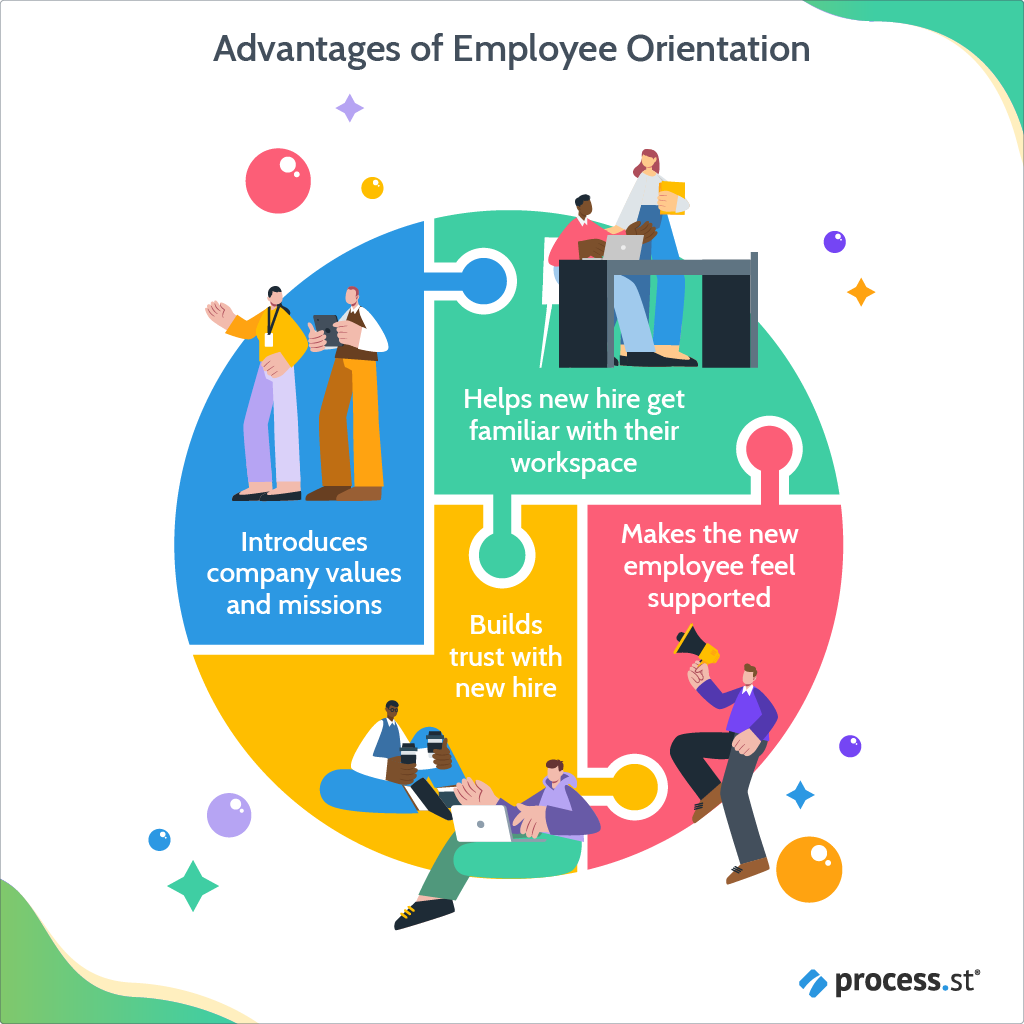
New employee orientation helps new hires learn about the company, the people, the culture, and the work ahead of them. The goal is to welcome them, give clear information, and help them feel part of the team from the start.
A typical orientation plan includes short team introductions, time with the manager to set expectations, and a walkthrough of the physical or virtual workspace. When done well, this first step builds trust and sets the tone for a strong, long-term relationship.
Is Orientation and Onboarding the Same?
Many people use “orientation” and “onboarding” as if they mean the same thing, but they serve different purposes. New employee orientation lasts from one day to one week. It gives new hires a simple, structured start and shapes early impressions of the workplace.
Onboarding begins when a candidate signs the offer and continues until they can perform the role with confidence. Onboarding supports deeper learning, skill growth, and full integration into the company.
Expert Tip: Using thoughtful new hire onboarding survey questions helps you catch issues early and support a smoother transition.
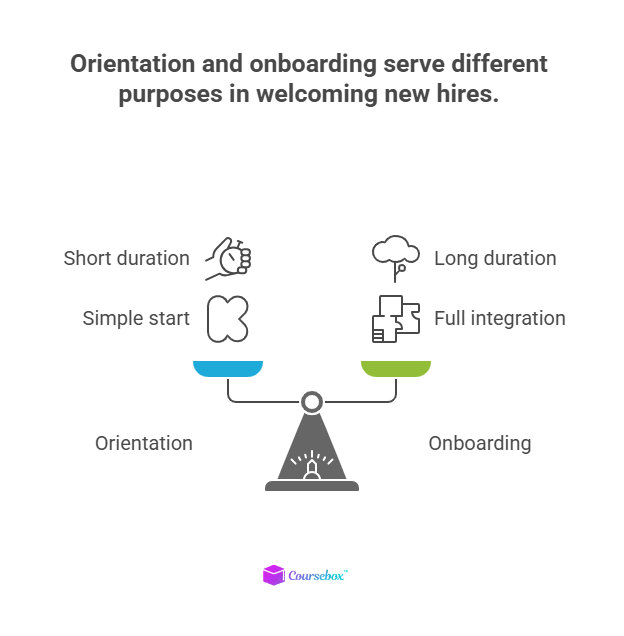
In short, orientation is the quick welcome phase, whereas onboarding is the full journey that follows. Both support the same goal: helping new hires feel ready, informed, and connected.
5 Stages of Employee Onboarding
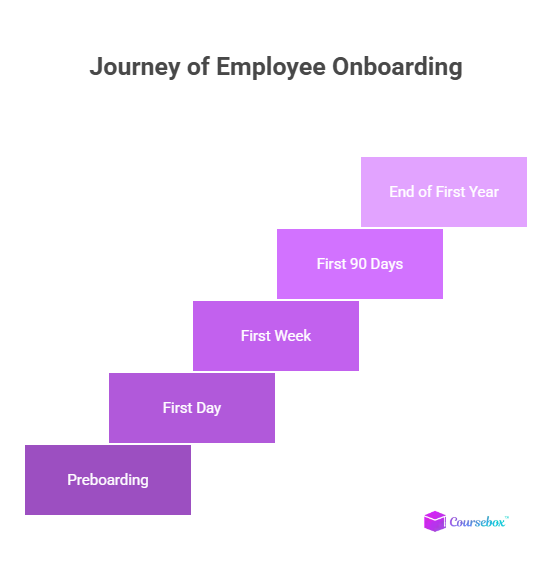
Onboarding works best when it follows a clear path. A simple five-stage model includes:
- Before the first day (preboarding)
- The first day → new employee orientation
- The first week → new employee orientation
- The first 90 days
- The end of the first year
These stages reflect the gradual shift from “new hire” to confident, engaged team member.
Pro Tip: Using a learning management system for staff training keeps each onboarding stage structured and easy to follow.
What is the Purpose of Employee Orientation?
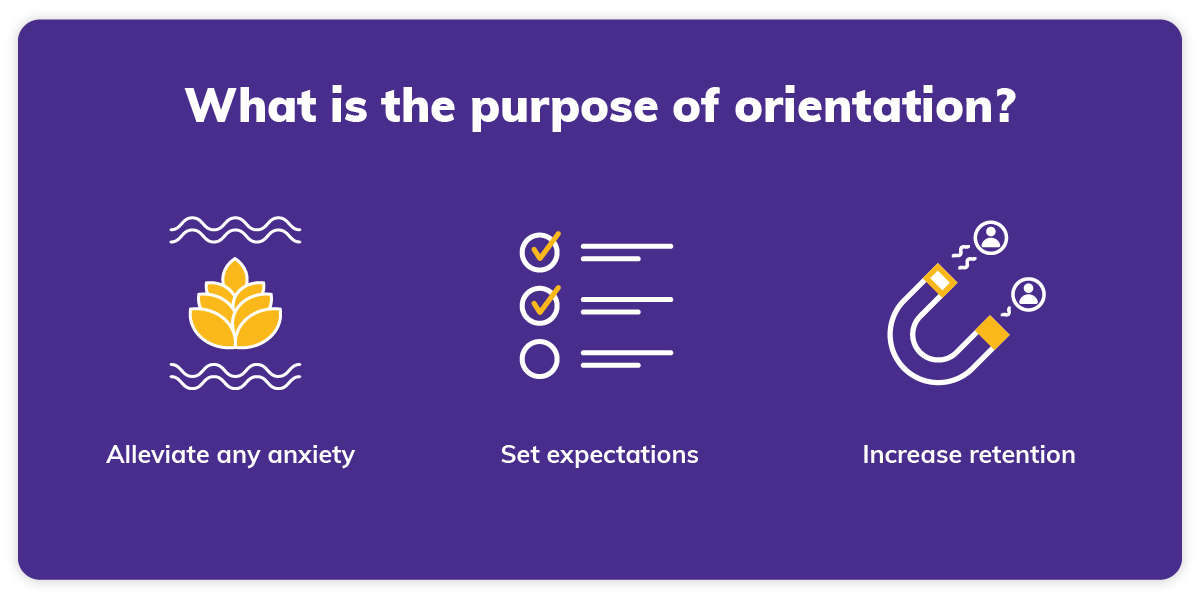
New employee orientation gives new hires a solid start. It helps them understand the company, the culture, the people, and the work ahead of them. A strong orientation builds confidence and sets the stage for long-term success.
Here’s a breakdown of the benefits for both employees and employers:
1. Smooth Initiation Into the Company
Orientation gives new hires key facts about culture, rules, and daily processes. This lowers stress and makes the first days feel clear, not chaotic.
2. Higher Engagement and Stronger Retention
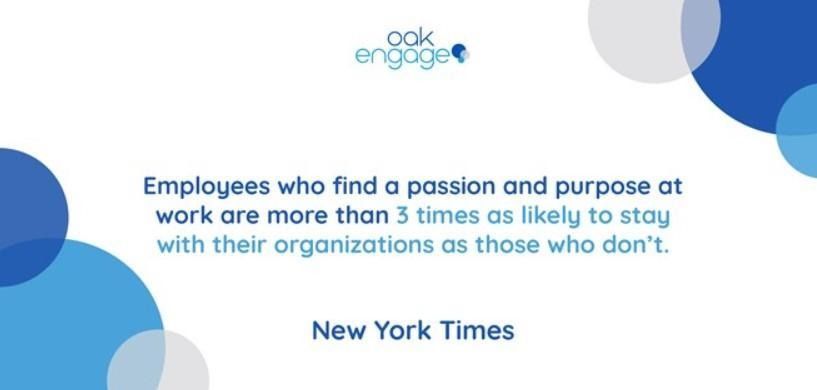
When people feel welcomed and supported, they connect faster with the company. This sense of belonging leads to higher commitment and lower turnover.
3. Faster Time to Full Productivity
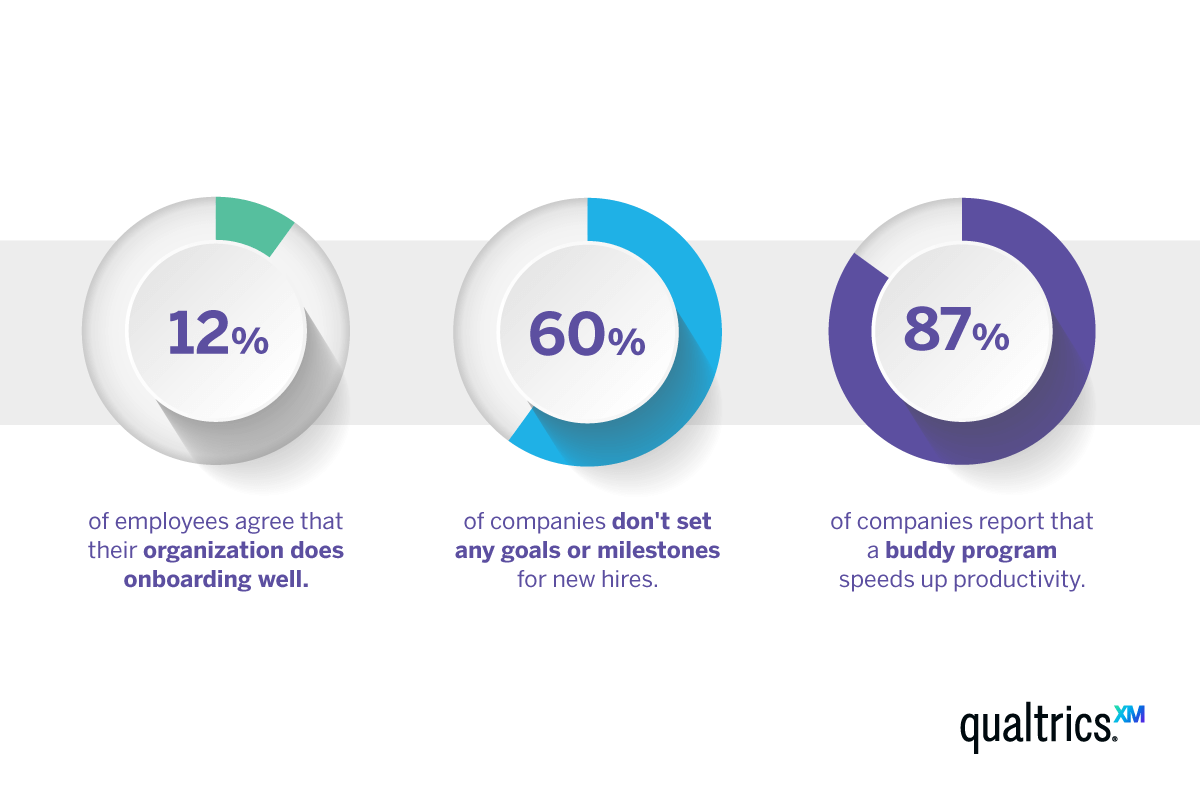
Clear guidance on role duties, tools, and goals helps new hires work with purpose from day one. With less confusion, they reach strong output sooner.
4. Better Relationships From the Start
Orientation brings new hires into contact with teammates, close partners, and managers. Early face time builds trust and opens the door for smooth communication.
5. Consistent Experience for Every Hire
A structured orientation gives each person the same core information. This ensures fairness and creates a unified starting point across the workforce.
6. Lower Risk and Stronger Compliance
Covering legal, safety, and policy rules early helps new hires avoid mistakes. Clear instructions protect both the employee and the company.
7. A Stronger Employer Brand
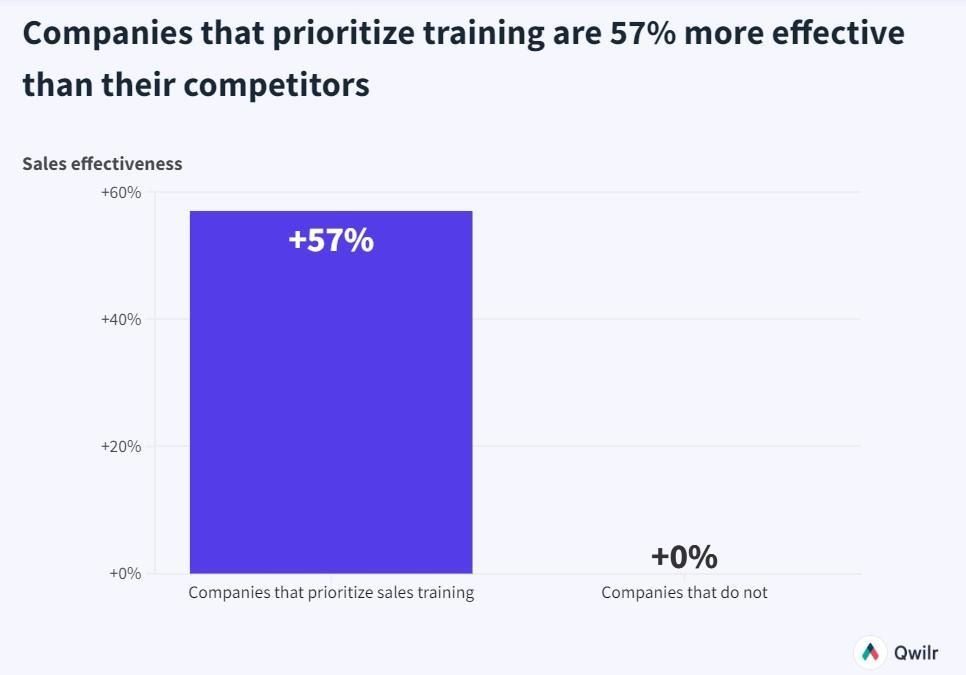
A well-run orientation shows that the company is thoughtful and organized. This leaves a positive first impression and supports the overall brand.
8. Less First-Day Pressure
A steady, simple welcome plan helps new hires feel calm in a new environment.
9. Better Early Social Connection
Orientation breaks the ice. People learn names, roles, and team structure, which makes collaboration easier.
10. Higher Commitment to the Company
When new hires see the mission, values, and expectations clearly, they feel more invested in the work and the team.
11. Fewer Early Mistakes
With clear steps and early training, new hires avoid common errors and gain confidence in daily tasks.
12. Lower Turnover Long Term
People stay longer when they feel informed, supported, and ready to do good work.
New Employee Orientation: Best Practices
Effective orientation goes beyond paperwork, helping new hires feel welcomed, understand expectations, and connect with the company culture. The tips below offer actionable ways to make the process consistent, engaging, and memorable.
1. Create a Structured Checklist
A new employee orientation checklist keeps everyone organized and ensures no skipped steps. Include tasks for HR, managers, IT, and department leads.
- List preboarding tasks (paperwork, account creation, workstation setup).
- Outline first-day agenda (welcome, tour, team introductions).
- Include first-week activities (one-on-ones, role training, social introductions).
- Review and update the checklist regularly to improve consistency across new hires.
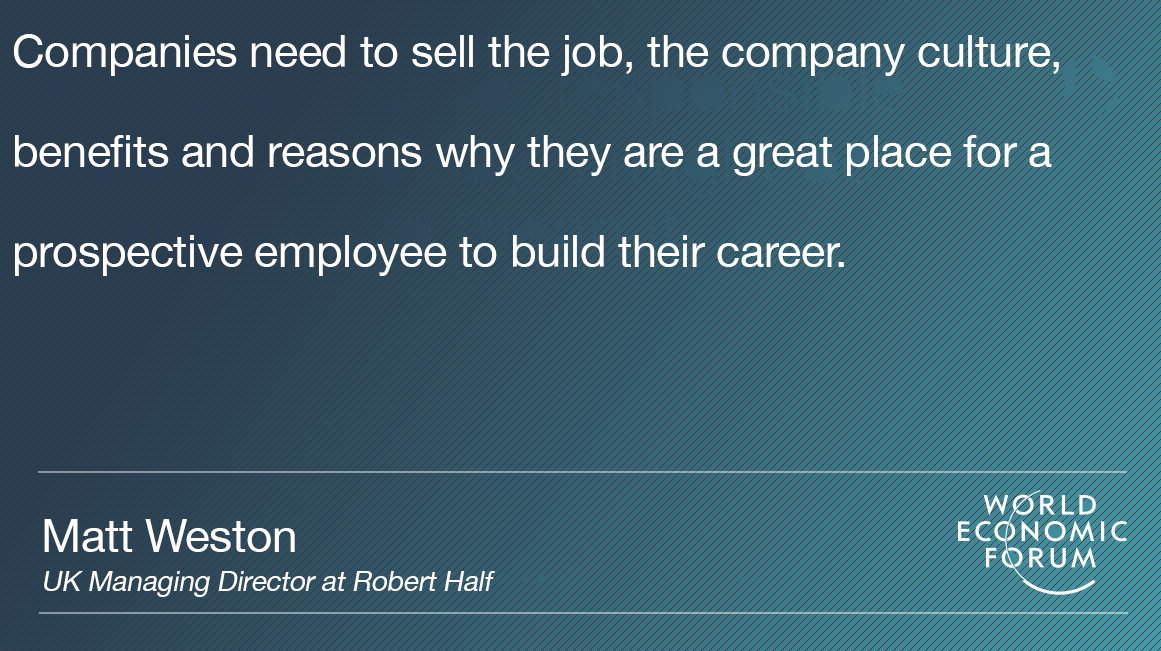
2. Give a Warm, Memorable Welcome
The first impression sets the tone.
- Greet new hires personally or virtually upon arrival.
- Provide a welcome kit (a note, company swag, stationery).
- Introduce them to the team and key contacts.
- Offer a guided tour of office spaces or virtual resources.
- Share a light agenda for the day to reduce stress.
3. Digitize Paperwork
Paperwork can be overwhelming if not handled efficiently.
- Send forms (tax, payroll, compliance, benefits) electronically before day one.
- Use an online form builder or HR platform to track submissions.
- Keep digital records to easily update or reference in the future.
- Include instructions to help new hires complete forms correctly.
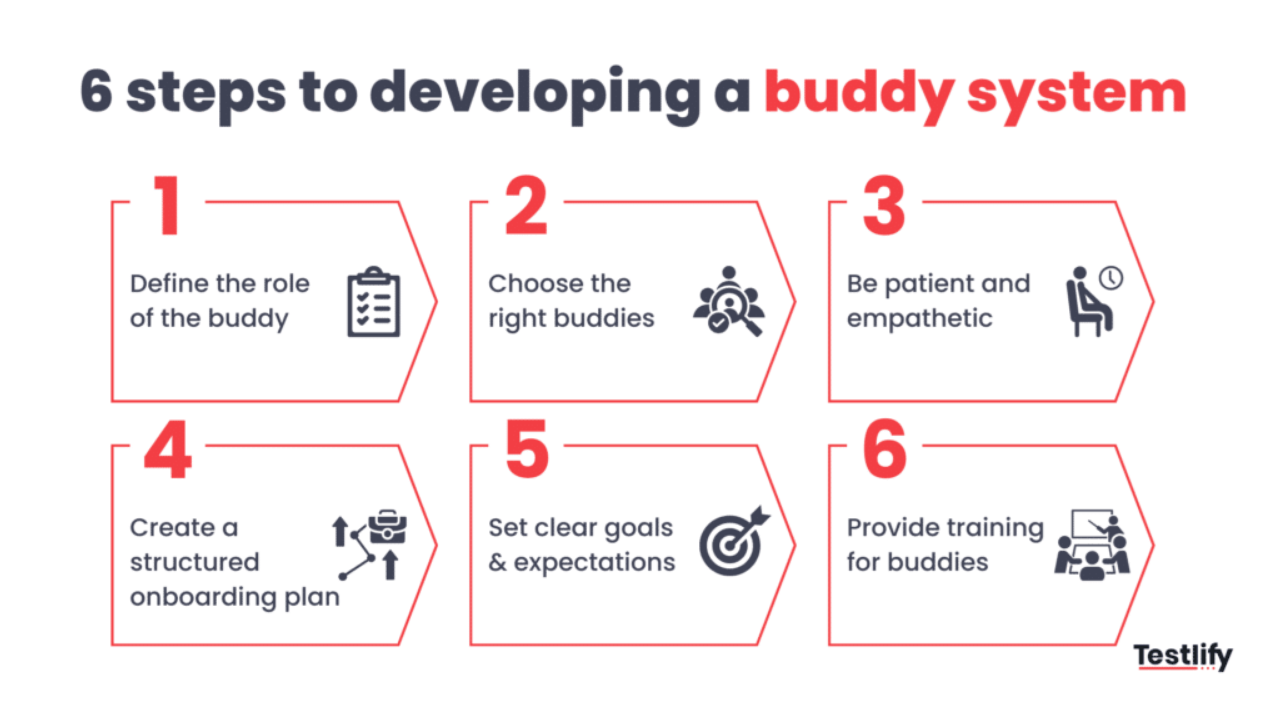
4. Assign a Buddy or Mentor
Peer support improves comfort and productivity.
- Pair new hires with a buddy from the same team or department.
- Set clear responsibilities for the buddy (answer questions, guide workflow, introduce colleagues).
- Schedule regular check-ins during the first month.
- Encourage informal social interactions, like coffee or lunch meetings.
5. Provide a Detailed 90-Day Plan
A roadmap gives clarity and direction.
- Define specific goals and responsibilities for the first 30, 60, and 90 days.
- Align tasks with team and company objectives.
- Schedule review points with managers to track progress.
- Guide tools, resources, and training materials needed for each milestone.
6. Introduce Company Culture Early
Culture immersion helps employees feel part of the team.
- Prepare a presentation on mission, vision, and values.
- Include stories, examples, and company traditions.
- Encourage participation in social events or team rituals.
- Discuss behavioral expectations and collaboration styles.
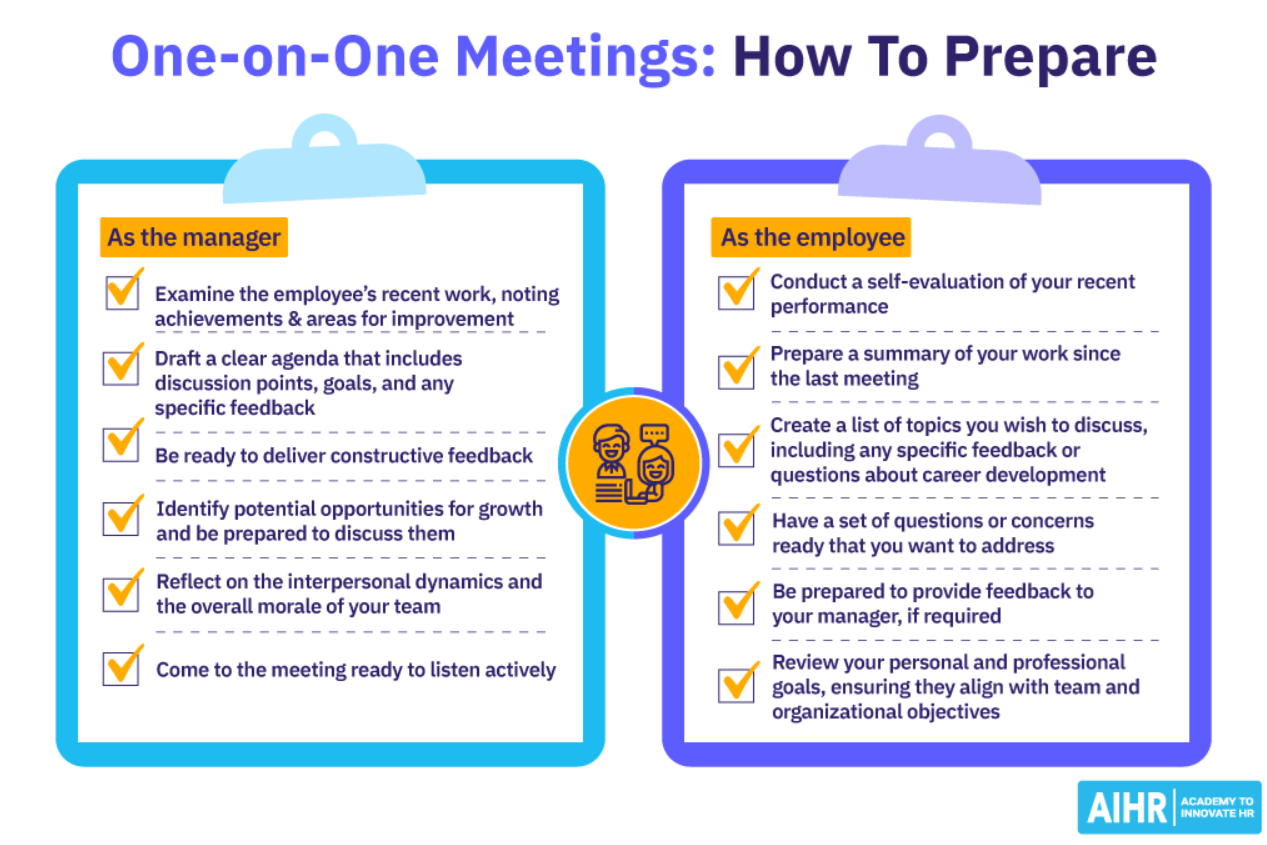
7. Schedule One-on-One Meetings
Personalized interactions help new hires feel valued.
- Schedule 15–30 minute meetings with the direct manager and key team members.
- Review role responsibilities, goals, and expectations.
- Allow time for questions and feedback.
- Repeat check-ins at the end of the first week to track comfort and understanding.
8. Explain Policies and Procedures Clearly
Clear guidance prevents confusion and compliance issues.
- Prepare policy guides and handbooks covering attendance, safety, and HR policies.
- Use engaging formats (interactive slides, videos, quizzes).
- Provide role-specific compliance training.
- Include references for questions and resources for future access.
9. Provide Software and Tool Training
Early tool familiarity speeds productivity. Here’s how to provide software and tool training:
- Schedule hands-on sessions for all daily software and apps.
- Cover company-wide tools (email, chat, project management).
- Provide role-specific software tutorials.
- Include reference materials and recorded demos for later review.
10. Encourage Social Connections
Relationships improve engagement and retention.
- Schedule team lunches or coffee chats.
- Organize department presentations so new hires meet colleagues across teams.
- Introduce informal ways to collaborate, such as Slack channels or interest groups.
- Track interactions and suggest follow-ups to foster connections.
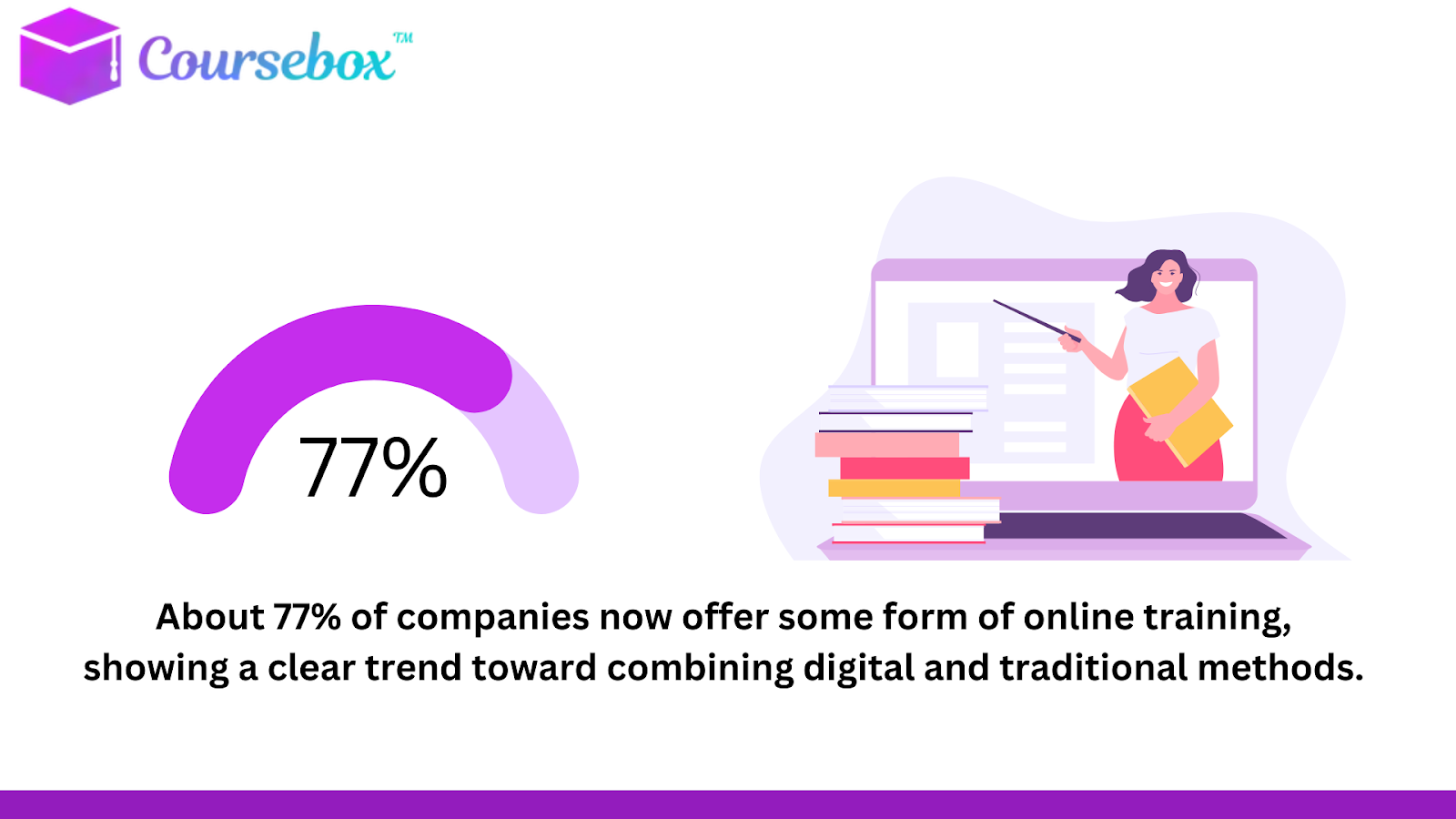
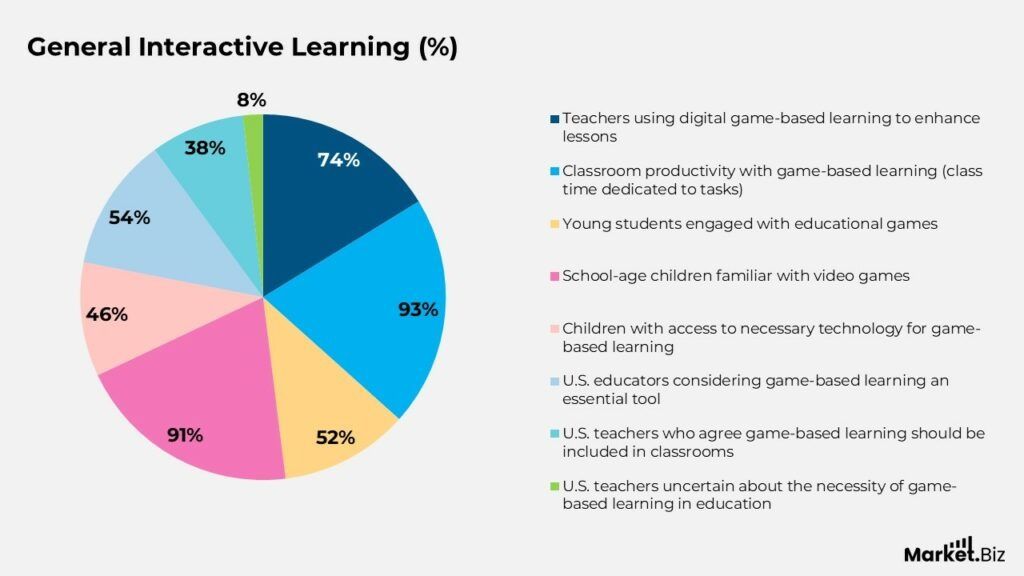
11. Use Engaging Learning Materials
Interactive content improves retention.
- Include interactive quizzes, videos, polls, and storytelling modules.
- Use AI tools to generate lessons, assessments, and multilingual versions quickly.
- Break content into small, digestible segments called learning pills.
- Align materials with role-specific tasks and company policies.
12. Communicate Career Paths and Growth Opportunities
Transparency reduces turnover. Here’s how to practice transparency with new employees:
- Explain promotion criteria and development programs.
- Share personalized growth plans for each new hire.
- Highlight learning opportunities, mentorship, and skill-building initiatives.
- Set expectations for performance reviews and progression milestones.
13. Schedule Frequent Check-Ins
Regular feedback supports adult learning.
- Arrange weekly or bi-weekly meetings with managers.
- Ask questions about challenges, comfort, and training needs.
- Adjust onboarding content and support based on feedback.
- Document progress to measure readiness for independent work.
14. Collect Feedback and Refine Orientation
Continuous improvement keeps programs effective.
- Send surveys or conduct informal interviews after orientation.
- Ask about clarity, engagement, and overall experience.
- Identify gaps in content, schedule, or support.
- Update the program regularly to incorporate improvements.
15. Prepare Workstations and Access in Advance
Smooth setup reduces stress and boosts confidence. Follow these steps:
- Ensure devices, accounts, and email are ready before day one.
- Provide access to internal tools, shared drives, and software.
- Include a list of support contacts for IT or administrative issues.
- Pair with a buddy or IT for setup guidance.
Make Employee Orientation Easier with Coursebox AI
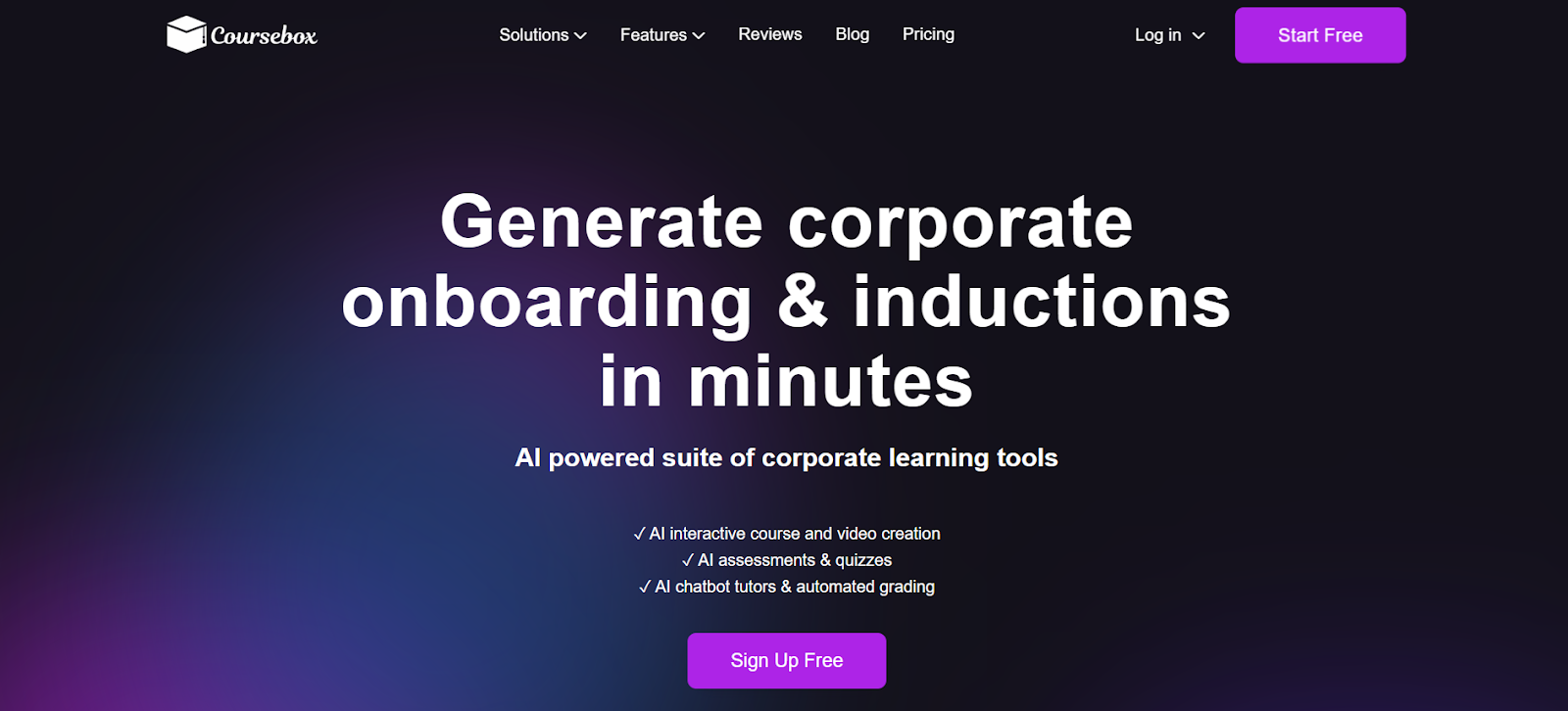
A strong orientation sets new hires up for success. When people feel welcomed and supported, they settle in faster and start contributing with confidence. The real struggle isn’t understanding its value. It’s having the time to build a consistent, engaging experience.
That’s where Coursebox AI helps. Instead of creating everything from scratch, you can upload your existing documents or SOPs and instantly turn them into complete training programs.
AI-generated lessons, videos, quizzes, and multilingual versions let you build once and reuse forever. Updates take minutes, and every new hire gets the same polished, branded experience.
If you want orientation to be smoother and easier to manage, create your first AI-built course with Coursebox. It’s the quickest way to deliver modern, organized training without the heavy lift.
FAQs
What are the 4 C's of orientation?
The 4 C’s of orientation are Compliance, Clarification, Culture, and Connection. They ensure new hires understand company rules, their role, workplace expectations, and early relationships. These four pillars help employees feel informed, confident, and prepared from day one.
What are the 4 phases of employee onboarding?
The four phases of onboarding are preboarding, orientation, role-specific training, and full integration. This progression helps new hires move from initial welcome to productive, confident team members through structured support, clear expectations, and ongoing development.
What are the four basic rules of orientation?
The four basic rules of orientation are: welcome employees warmly, provide essential information clearly, offer early role clarity, and ensure access to tools and support. These principles create a smooth transition into the company and reduce first-week stress.
Does an orientation mean you're hired?
Yes, orientation typically means you’re officially hired. It occurs after accepting the offer and completing the necessary paperwork. Orientation is the employer’s first step in welcoming you, explaining expectations, and preparing you to begin your role.
What are the 5 C's of employee onboarding?
The 5 C’s of onboarding are Compliance, Clarification, Culture, Connection, and Confidence. This expanded model emphasizes helping new hires understand expectations, build relationships, navigate company culture, and feel capable of performing well early in their role.
What is the basic employee orientation?
Basic employee orientation introduces new hires to the company, workplace culture, key policies, and their role. It includes team introductions, workspace or tool walkthroughs, paperwork, and early expectations to help employees settle in quickly and confidently.
What are the 7 stages of employee experience?
The 7 stages of employee experience are Attraction, Recruitment, Onboarding, Engagement, Performance, Development, and Exit. These stages outline the full lifecycle of an employee’s relationship with an organization, from initial interest to long-term growth or transition.
What are the three types of employee orientation?
The three types of employee orientation are general orientation (company-wide information), departmental orientation (team processes and tools), and job-specific orientation (role duties, expectations, and workflows). Together, they give new hires a complete understanding of their workplace.
What 5 elements will you include in the orientation program?
Five key elements to include are: a warm welcome, a clear company overview, policy and paperwork completion, role and workflow training, and early social connection. These components ensure a structured, engaging start for every new hire.
Alex Hey
Digital marketing manager and growth expert

