

10 Best Lessonly Alternatives for Smarter Training
Discover the top Lessonly alternatives to create courses faster, improve feedback, and boost team learning.


Table of contents

Personalise learning pathways at scale with intelligent AI tools.
Sales teams move quickly, so having simple, reliable training tools matters. Lessonly offers a straightforward way to deliver basic training, though some teams look for platforms with faster content creation, more flexible templates, or broader communication and feedback options.
For anyone exploring Lessonly alternatives, this guide highlights strong options, what each tool does well, and how they fit different training goals, from sales enablement to company-wide learning.
What is Lessonly?
Lessonly, now known as Seismic Learning, functions as a focused training hub built with sales teams in mind. The platform helps new reps pick up skills quickly while giving experienced sellers space to practise, rehearse tough moments, plus polish messaging through guided role-play. Custom lessons, coaching workflows, plus simple content tools give sales leaders a clear way to shape consistent team performance.
Lessonly works well for fast-moving environments, though the feature set stays fairly light. Teams in tightly regulated fields often need deeper control, richer tracking, or broader compliance support. Because of this, many businesses explore tools with more flexibility, more power, or stronger company-wide usefulness.
Why Explore Lessonly Alternatives?
Lessonly supports quick training for sales teams, though many companies eventually need more depth, more flexibility, plus stronger tools for coaching, analytics, feedback loops, or company-wide learning.
When day-to-day growth depends on faster content creation, better insights, plus training formats that evolve with your team, a broader solution often becomes the smarter choice. Below you will find key reasons many teams begin searching for Lessonly alternatives.
1. You Need Faster Skill Development Across Teams
Lessonly helps teams close skill gaps quickly through short, focused lessons, called learning pills. This boosts confidence, improves product knowledge for clients, plus supports smoother sales cycles.
2. You Want Better Ways to Explain Complex Topics
Custom lesson builders help leaders break down tough concepts. Tracking tools highlight progress, stalled learning, or moments that call for extra support.
3. You Need More Than Basic Coursework
Strong employee growth depends on feedback loops, coaching, mentorship, career planning, plus long-term skill development. A simple learning management system seldom delivers enough depth for that level of support.
4. You Need Training Insights Tied to Real Performance
Companies want deeper analytics to see how learning influences productivity, customer outcomes, or team culture. Light tracking limits this visibility.
5. You Want Tools Built for Scale
Growing teams need flexible workflows, richer content options, broader training formats, plus support for multiple departments. Many companies shift once they outgrow basic features.
Full Disclosure: This blog is owned and operated by Coursebox. While we include ourselves in this list because we believe in our platform, we've provided an objective breakdown of features to help you choose the best fit.
Lessonly Alternatives: Our Top 10 Picks
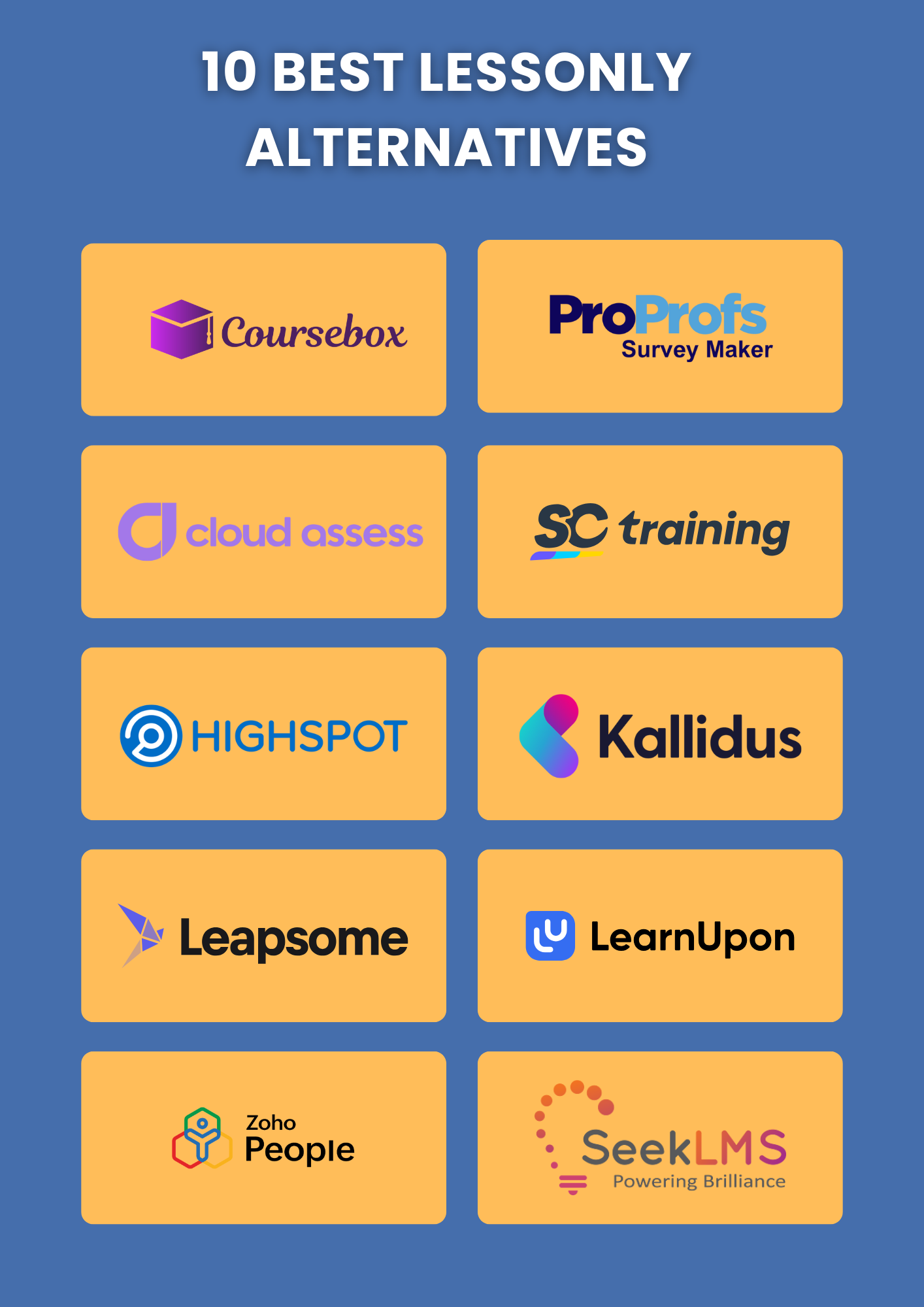
Many tools offer more flexibility, deeper insights, plus smoother course creation than Lessonly. Below, each review highlights strengths, limits, pricing, plus ideal use cases, helping you find the platform that fits your team.
1. ProProfs Training Maker
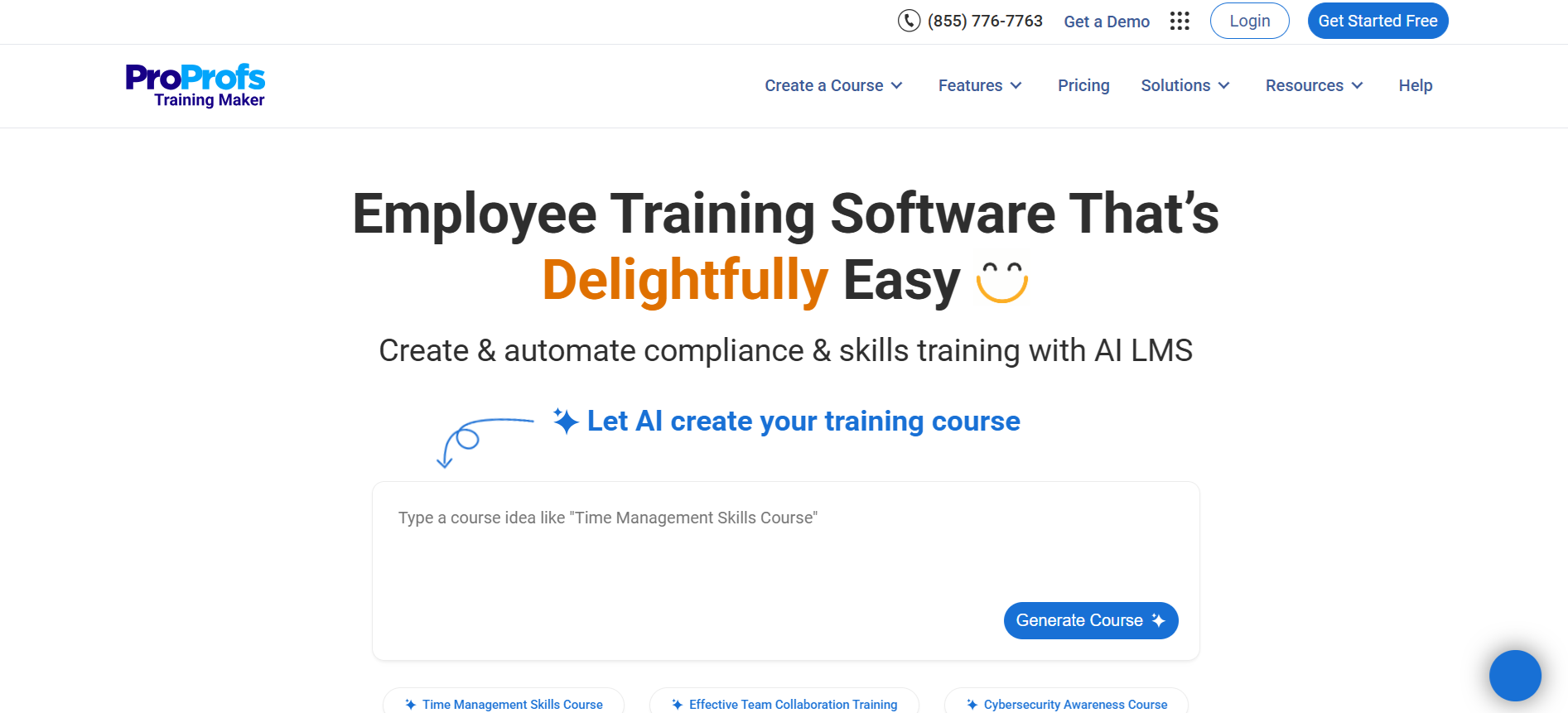
ProProfs Training Maker stands out as a versatile LMS, making it a strong Lessonly competitor. It combines a built-in authoring tool with ready-to-use templates, quizzes, and assessments to keep learners engaged while tracking progress.
Integration with platforms like Salesforce and Mailchimp streamlines workflows, while AI-powered reporting reduces routine admin tasks and delivers adaptive learning experiences.
Multilingual support, SCORM compliance, single sign-on, and the ability to embed questions into videos add extra flexibility. Small teams benefit from the free plan, while larger teams can scale without losing access to advanced tools, making it a solid choice for employee training across industries.
Key Features:
- Built-in course authoring tool with templates
- Quizzes, assessments, surveys, and flashcards
- SCORM and Tin Can compliant
- AI-powered reporting and analytics
- Single sign-on and multilingual support
2. Cloud Assess
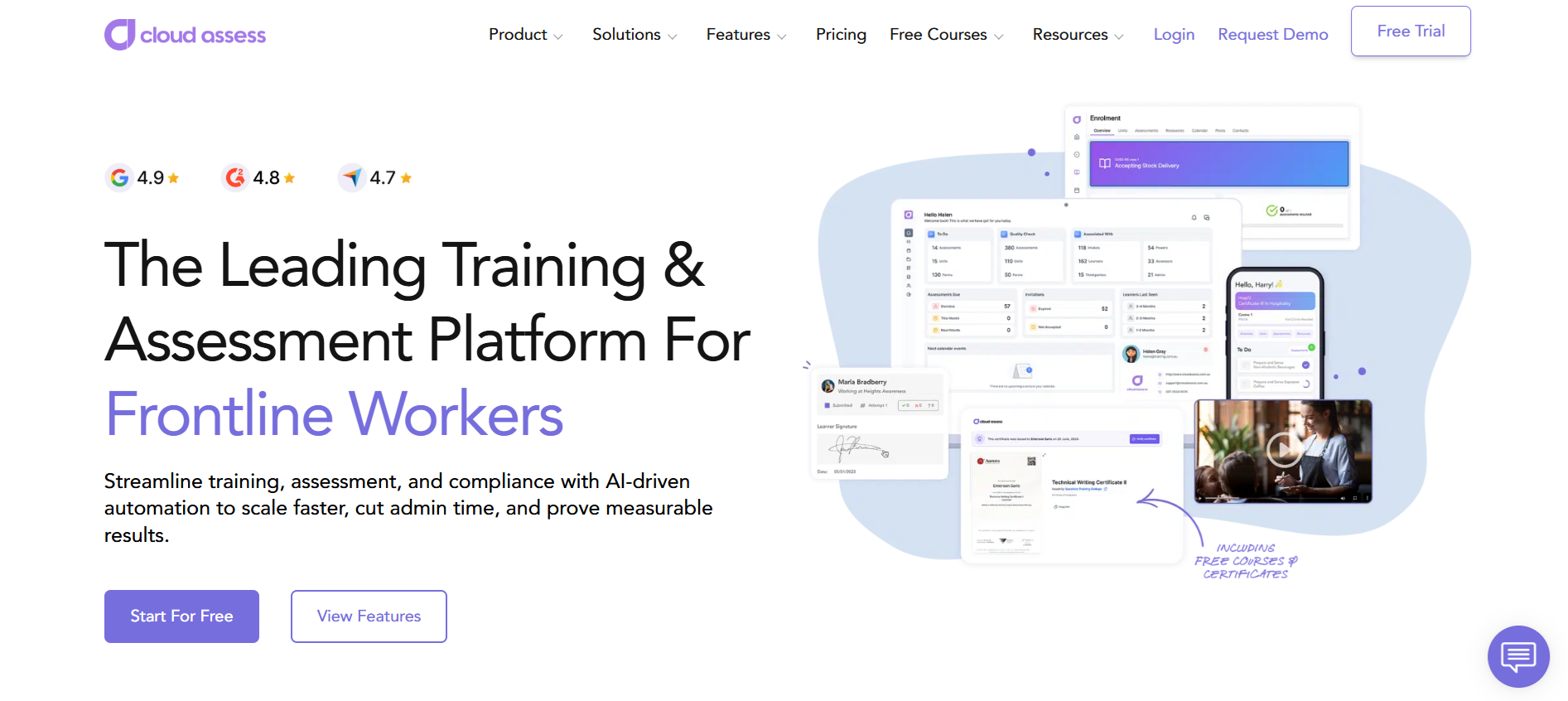
Cloud Assess serves as a flexible workplace training platform, making it a strong alternative to Lessonly. It combines LMS capabilities with custom course creation, supporting internal and external training across diverse industries.
Automated compliance reminders and a native mobile app streamline learning for teams on the go, while rapid course delivery and custom learning journeys adapt to varied workflows.
A library of free courses adds immediate value, and the platform’s scalability makes it suitable for company-wide rollouts or specialized departmental programs. Organizations in regulated sectors benefit from robust compliance management, while training providers gain tools for external course delivery.
Key Features:
- Drag-and-drop course builder
- Intuitive learner management
- Automated compliance reminders
- SCORM-compliant course support
- Custom learner journeys
3. SC Training
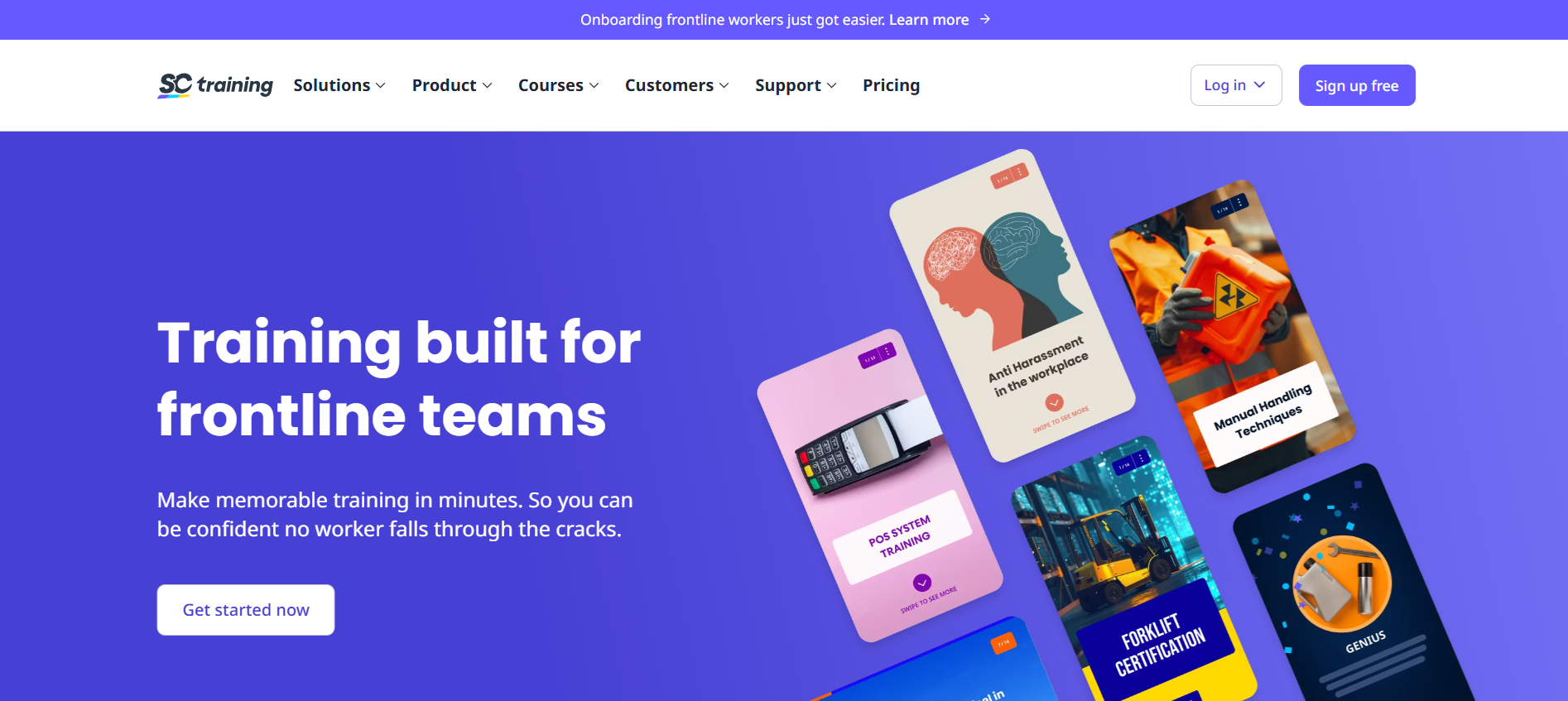
SC Training offers a mobile-first, video-based learning platform, making it a standout Lessonly alternative. Focused on microlearning, it delivers bite-sized lessons that improve engagement and retention, ideal for teams on the move.
Drag-and-drop functionality simplifies video uploads, with options for autoplay, on-demand play, or auto-progress. Pre-built templates and integration with platforms like Zoom and Microsoft Teams save time while keeping training dynamic. While microlearning works well for quick skills, it may not suit deep, complex courses.
A free plan provides basic access, while paid options unlock full features, making it a flexible solution for small teams or larger organizations seeking mobile-first training.
Key Features:
- Mobile-first learning experience
- Bite-sized microlearning lessons
- Drag-and-drop video authoring
- 50 pre-built course templates
- Integrations with Zoom and Microsoft Teams
4. Coursebox AI
Coursebox AI is an AI-powered learning platform that turns documents, videos, and web content into structured courses in minutes, with AI-generated quizzes, a chatbot tutor, automated grading, multilingual support, and white-label branding. While Lessonly-alternatives searches often come from sales enablement teams, Coursebox is designed as a general-purpose training platform rather than a sales-enablement specialist. Coursebox is a strong choice for teams that want fast, AI-driven course creation across departments and don't need deep sales-enablement-specific tooling like content decks, buyer-stage playbooks, or CRM-synced content governance. Organisations whose primary need is enterprise-wide talent management with integrated learning often also evaluate Cornerstone, and teams focused specifically on sales-readiness content and buyer-facing plays sometimes shortlist dedicated sales enablement platforms.
Key Features:
- AI Course Builder: Converts documents, videos, or web content into structured courses, reducing course creation time from days to minutes.
- AI Video Generator: Automatically generates training videos with voiceover, captions, and visuals for interactive learning.
- AI Quiz & Assessment Generator: Creates customized quizzes and exams with instant feedback to track learner progress.
- AI Chatbot Tutor: Provides on-demand guidance to learners, answering questions based on course content in real time.
- Automated Grading & Reporting: Saves time for instructors while providing detailed analytics on learner performance.
- White-Labeling & Branding: Full customization of platform, course portal, and mobile app to match company identity.
- Multilingual Support: Courses can be delivered in 100+ languages, ideal for global teams.
- Compliance & SCORM Standards: Ensures courses meet industry requirements for regulated sectors.
- Course Monetization & Sales: Allows organizations to sell courses or set subscriptions directly on the platform.
- Interactive Learning Features: Includes embedding quizzes in videos, discussion prompts, and gamification to boost engagement.
5. Highspot
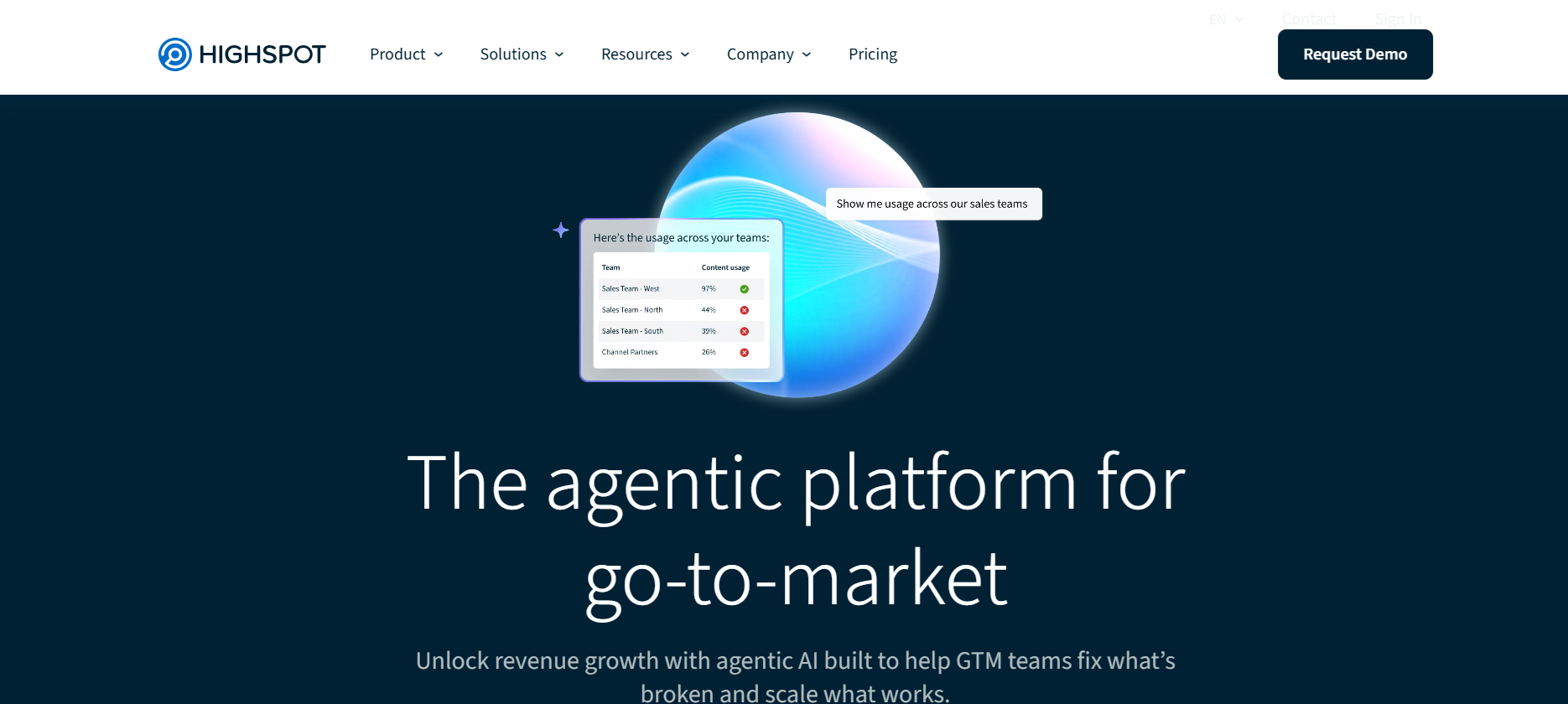
Highspot functions as a sales-focused learning and enablement platform, positioning itself as a strong Lessonly alternative for sales teams. It combines rep training, onboarding, and playbook management with centralized documentation and demo resources.
Robust reporting offers deep insights, though analytics can take time to master, and search may feel tricky when locating specific content. Customizable workflows and strong integrations help maintain a unified tech stack, making it easier for sales leaders to manage content and coaching.
While ideal for sales teams, other departments may find limited value, and notifications can occasionally feel overwhelming. Pricing is not publicly listed, suggesting enterprise-level positioning.
Key Features:
- Centralized sales content management
- Playbook and sales play management
- Rep onboarding and training tools
- Customizable workflows
- Integrations with other business platforms
6. Kallidus Learn
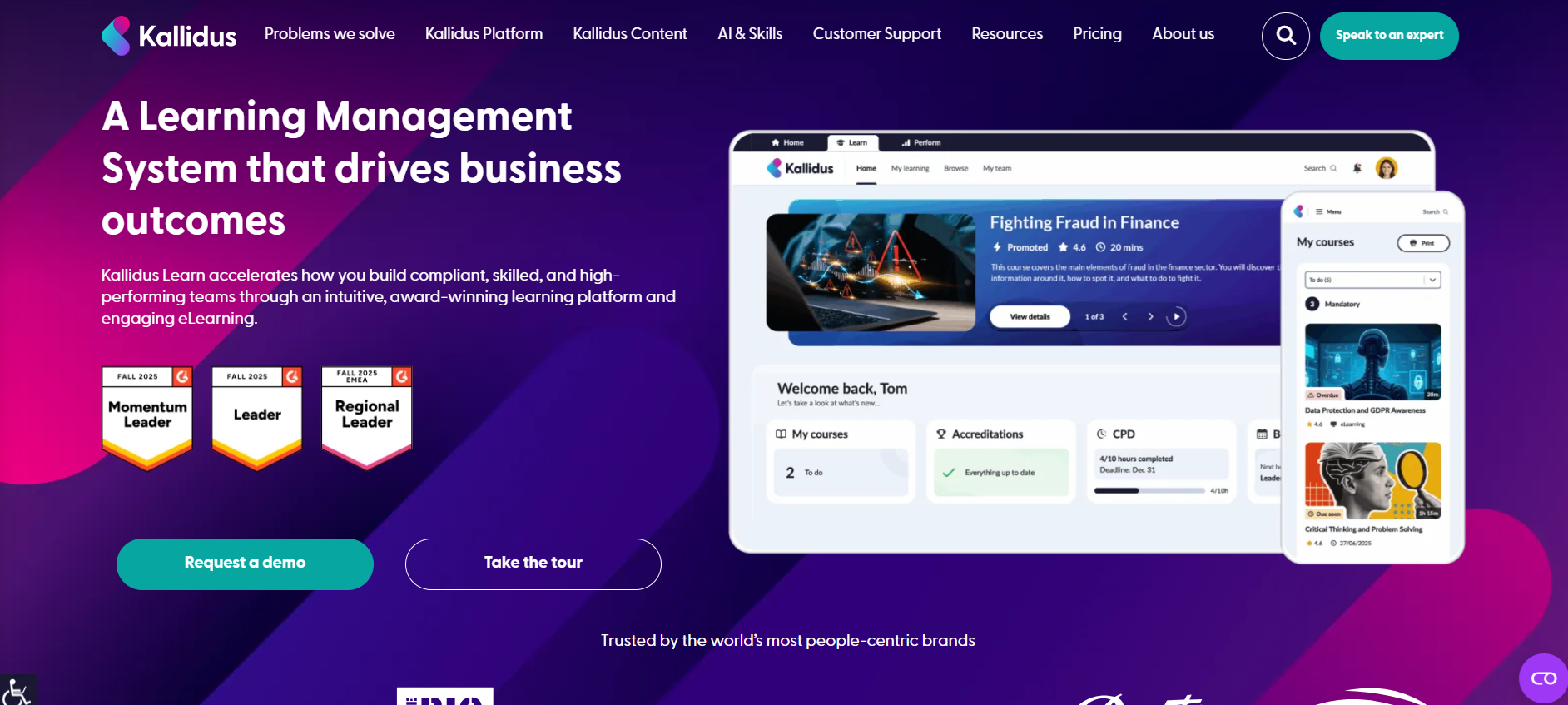
Kallidus Learn combines learning and performance management into a single platform, making it a practical Lessonly alternative for HR and people operations teams. Built-in LMS capabilities and a diverse course catalog help scale training quickly, while ready-made courses reduce content creation time.
Onboarding automation and workflow features simplify getting new hires up to speed, and performance management tools let leaders track progress and identify skill gaps.
Support from learning designers for bespoke courses adds extra flexibility. While setup is straightforward for administrators, managers may lack permissions to assign courses, and onboarding can feel complex for larger teams.
Key Features:
- Built-in LMS with ready-made courses
- Onboarding automation and workflows
- Performance management tracking
- Custom course creation support from learning designers
- Scalable training for remote and in-office teams
7. Leapsome
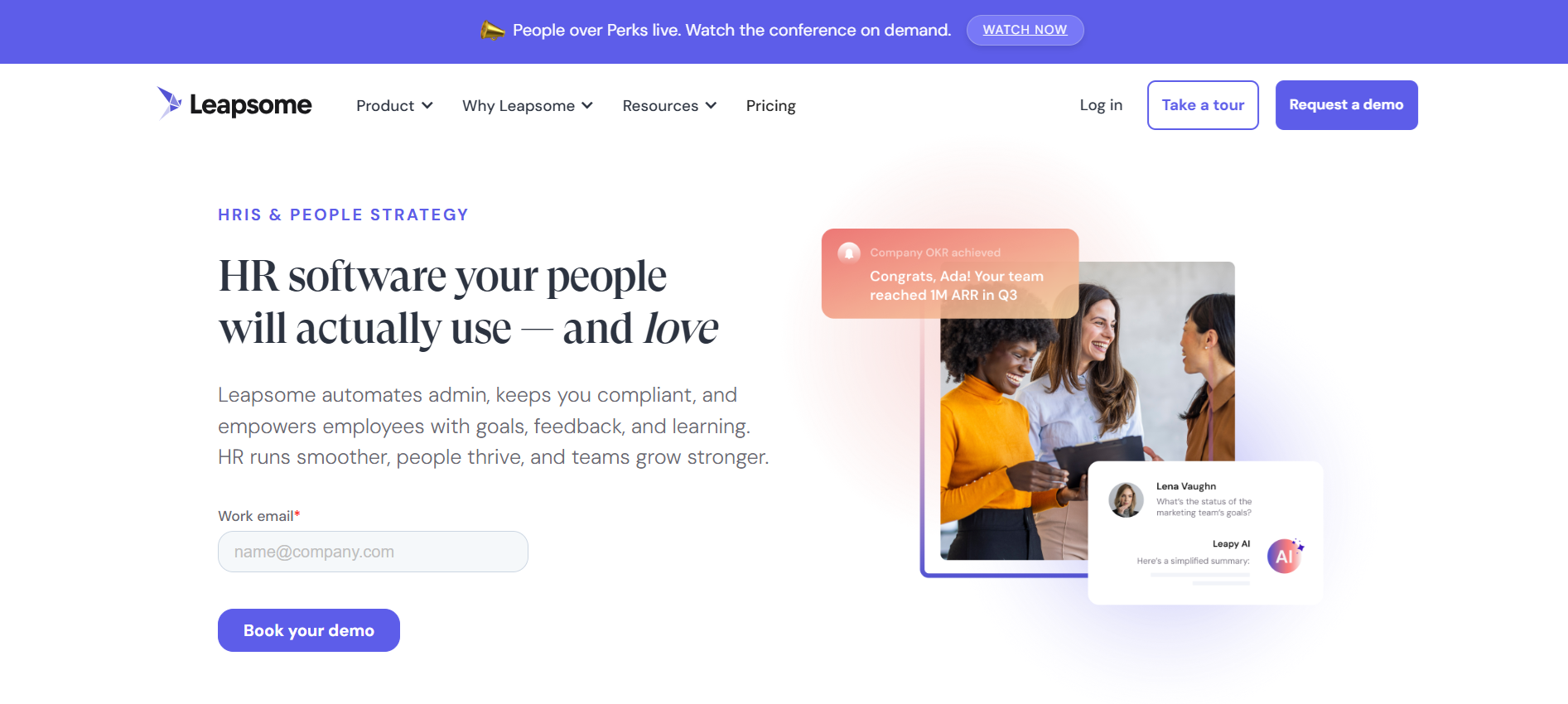
Leapsome goes beyond traditional learning platforms, offering a full people enablement solution that makes it a strong Lessonly alternative. It combines learning, performance management, feedback, goals, and surveys in one platform, allowing teams to link learning paths with career development and company objectives.
Customizable modules let organizations start small and scale, while interactive courses and quizzes engage employees in just a few minutes. Integrated performance reviews, competency frameworks, and promotion tools support long-term growth.
Users benefit from adaptable onboarding workflows, data-driven insights, and award-winning support. While the wide range of features can require a learning curve, the platform scales well for growing teams and complex people operations needs.
Key Features:
- Personalized learning and micro-quizzes
- Customizable goal and OKR tracking
- Competency frameworks and performance reviews
- Interactive course uploads (SCORM, xAPI, AICC, CMI5)
- Feedback, survey, and promotion management
8. LearnUpon
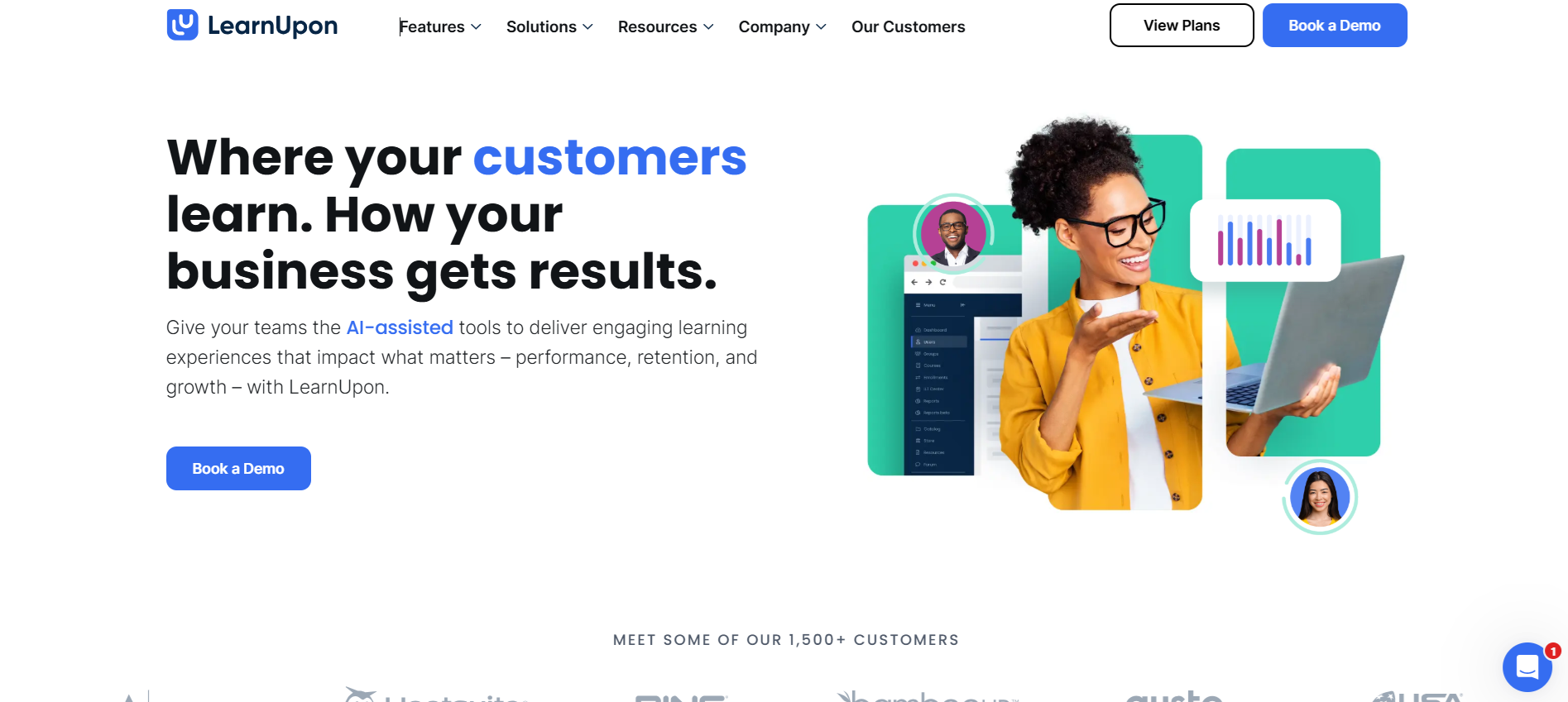
LearnUpon provides a user-focused learning platform, positioning itself as a practical Lessonly alternative. It simplifies course creation, user management, reporting, and portal administration while supporting both internal and external training audiences.
Instructor-led training features enable webinars and in-person sessions, while a dedicated mobile app ensures learning on the go. Integration with platforms like HubSpot, Oracle, and HRIS tools streamlines workflows for teams. Enterprise-grade security protects sensitive training content.
While customization options and certain admin functions can feel limited, the platform scales effectively for larger organizations, though smaller teams may find advanced plans less accessible.
Key Features:
- Instructor-led training and webinar support
- Course creation and user management
- Mobile app for learning on the go
- Integrations with HRIS, CRM, and marketing platforms
- Enterprise-grade security
9. Zoho People
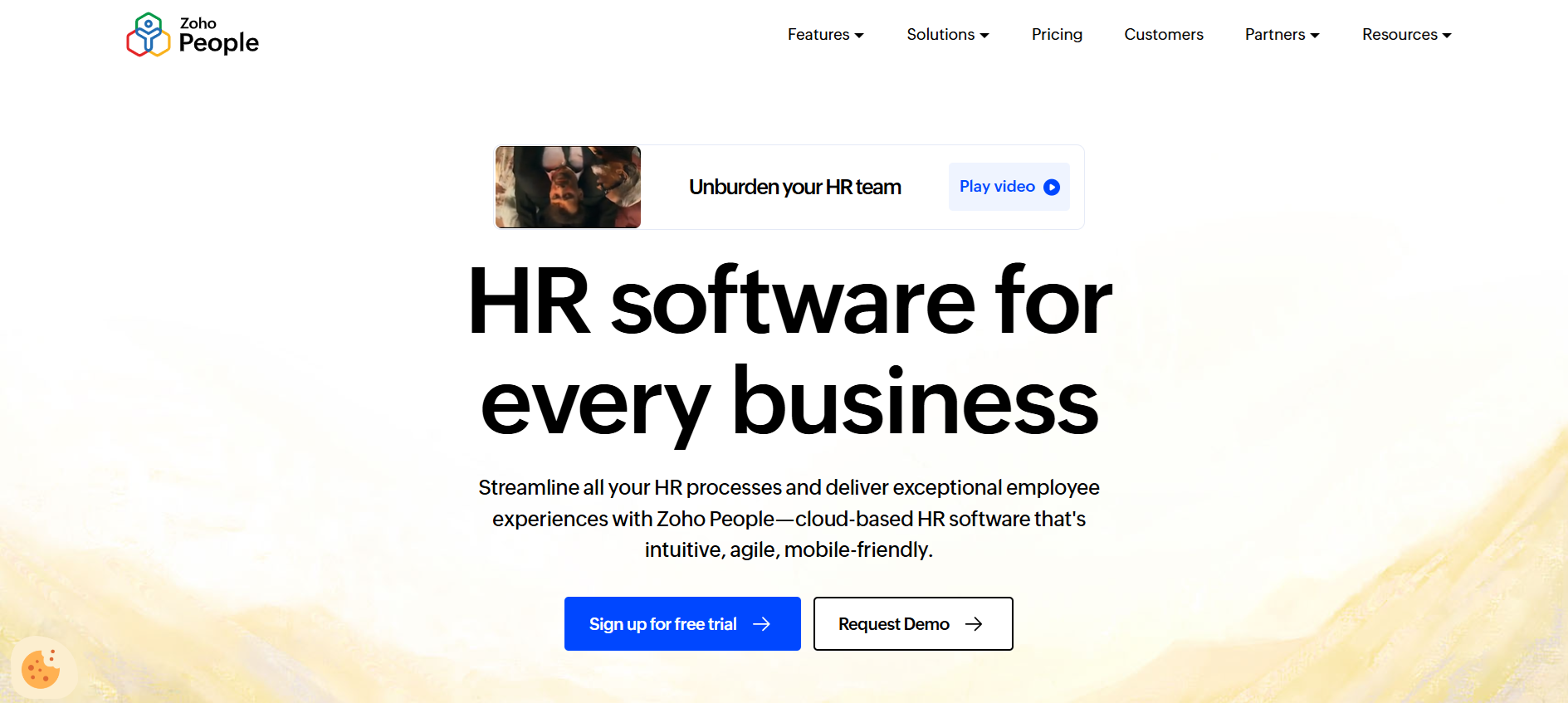
Zoho People LMS extends the Zoho HR platform, making it a versatile Lessonly alternative for teams already using Zoho tools. It lets administrators design custom courses, deliver them efficiently, and automate reminders for course completion.
Discussion forums encourage peer-to-peer learning, reinforcing key concepts, while syncing with the HR suite automatically updates performance scores. Customizable learning plans, batch delivery, and testing templates help streamline training workflows.
The mobile app allows employees to learn on the go. Some users find navigation slightly tricky, and advanced features add to cost considerations, but integration with Zoho People makes this solution convenient for HR-driven learning programs.
Key Features:
- LMS add-on for Zoho People HR suite
- Customizable learning plans
- Discussion forums for peer learning
- Batch delivery and enrollment reminders
- Mobile app access
10. Seek LMS
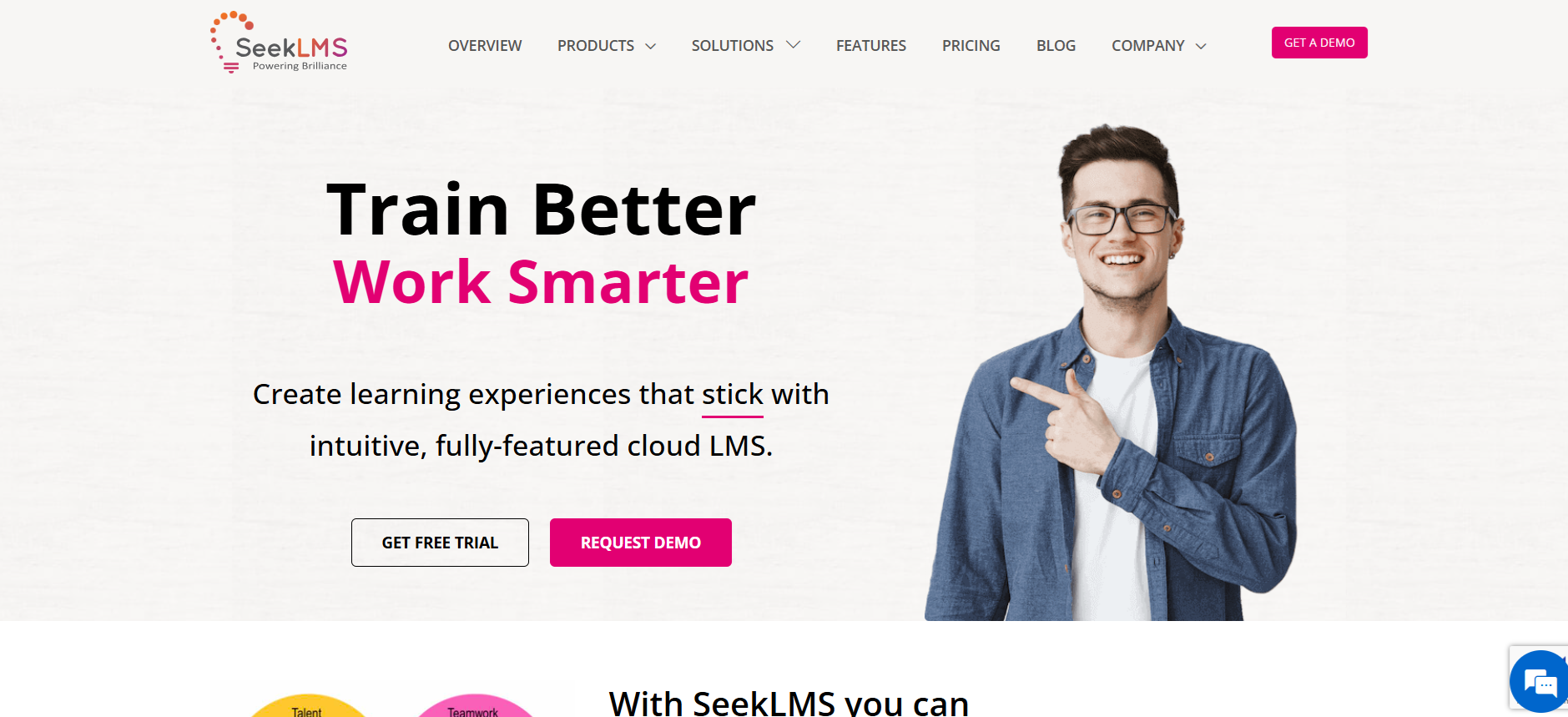
Seek LMS serves as a versatile platform for employee and customer training, making it a practical Lessonly alternative. It supports sales enablement, compliance training, and even reselling courses directly on the platform. The course builder is user-friendly, and gamification features help maintain learner engagement.
While the platform offers a solid range of integrations, customization options are limited compared to larger talent management systems, and replicating courses can be tricky. AI-driven learning features aren’t yet available.
Seek LMS works well for organizations needing a multi-industry focus or combined training and sales enablement, though enterprises seeking advanced personalization may require additional tools.
Key Features:
- Sales enablement functionality
- Course builder and learner platform
- Ability to resell courses
- Gamification features for engagement
- Integration with multiple platforms
Tips on Choosing the Right Lessonly Alternative
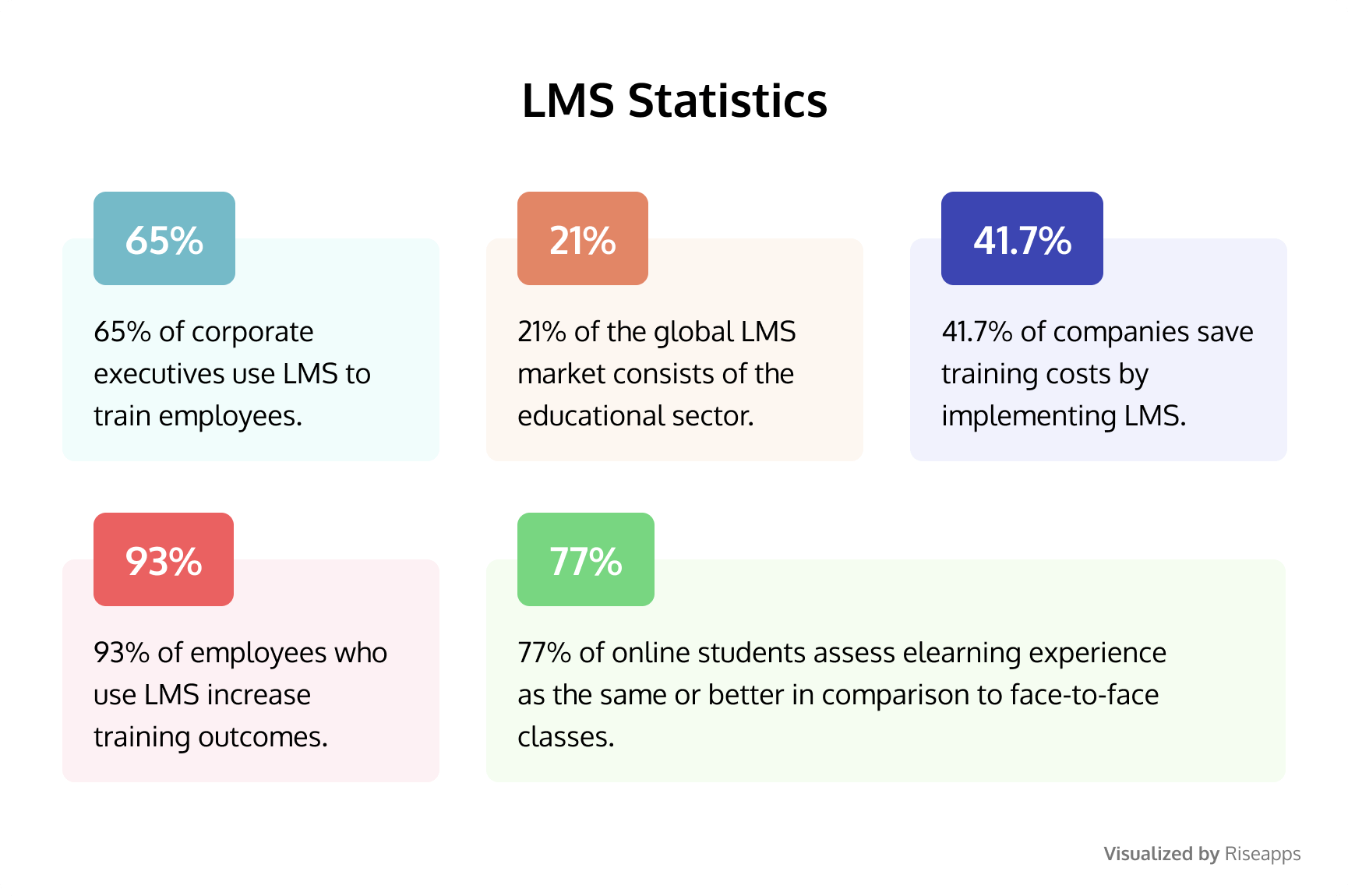
Selecting the right learning platform can make or break employee development programs. Look for solutions that offer flexibility, rich features, and scalability to meet your team’s unique needs.
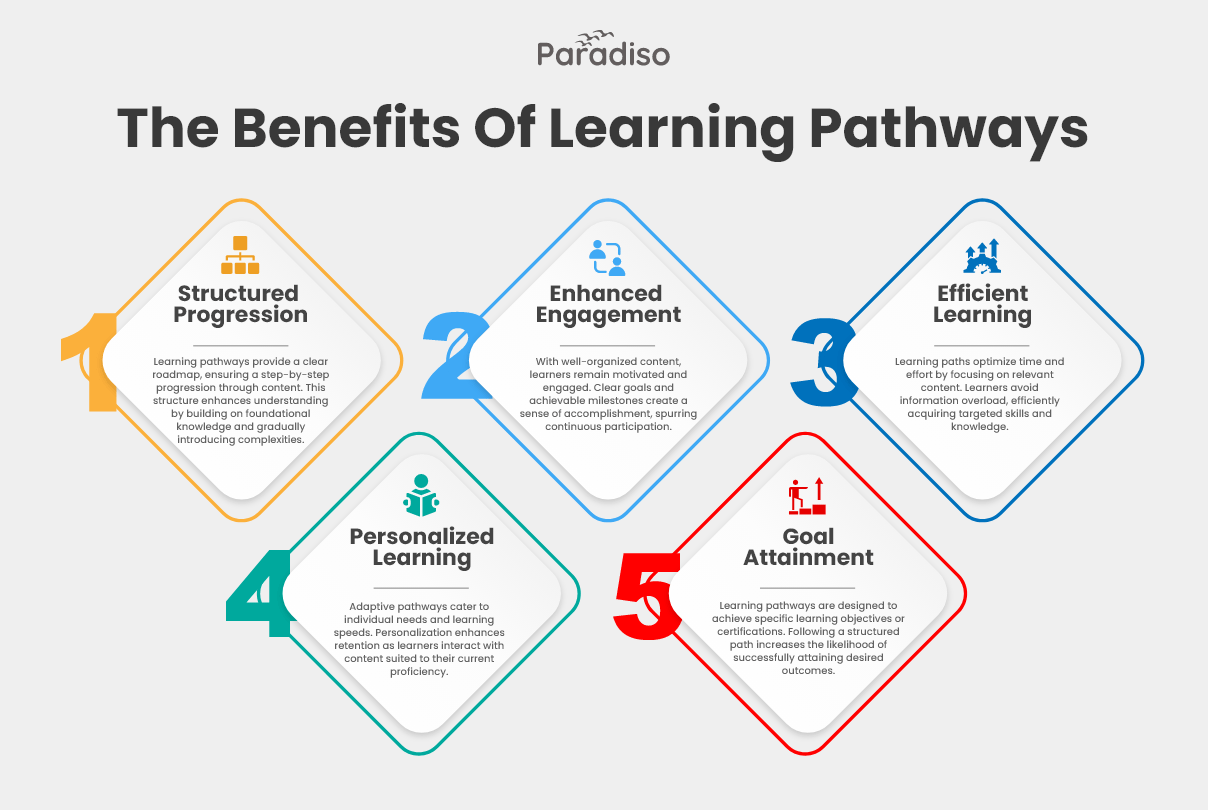
1. Customizable Learning Paths
Prebuilt courses and templates save time, but every organization has different training requirements. Choose a platform that lets you upload documents, videos, and other media from internal or external sources to create learning experiences aligned with company goals.
2. Goal and Performance Management
Track employee progress and set clear objectives to guide development. Platforms that tie learning to performance reviews help managers support growth and maximize training impact.
3. Surveys and Feedback
Gather insights from learners using surveys or feedback tools. Actionable data ensures your programs improve continuously and stay relevant to employee needs.
4. Reporting and Analytics
Look for tools that track course enrollment, completion, and overall program performance. Integrated survey and feedback reporting can give a full picture of employee progress and training ROI.
5. Ease of Use and Customization
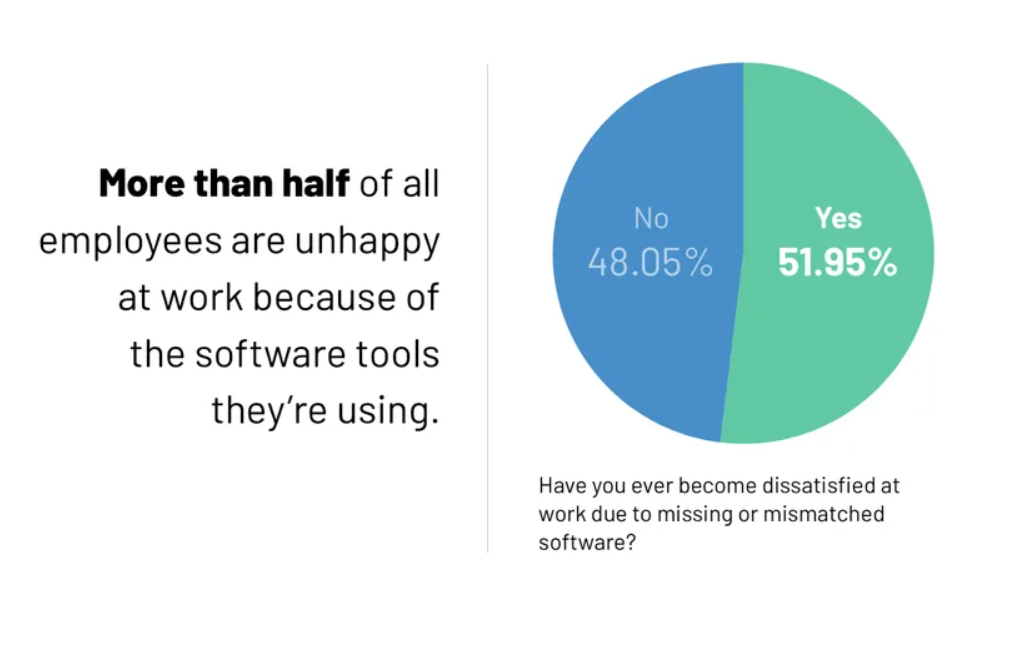
Software should feel intuitive and simple to navigate. Complex interfaces frustrate employees and slow adoption. In fact, almost half of workers (44%) postpone important tasks due to software frustration.
Look for a platform that supports customization and adapts to your team’s skill level with technology, so learning and training flow smoothly without unnecessary roadblocks.
6. Integrations
Employee training rarely exists in isolation. A platform that connects with HR systems, communication tools, or other business apps allows seamless data flow and reduces administrative overhead.
Step Up Your Training Game with Coursebox AI
Finding the right training platform can feel overwhelming, with different teams needing different tools. Options like ProProfs, SC Training, or LearnUpon excel in specific areas, from mobile learning to onboarding or sales enablement.
For a versatile, all-in-one solution, Coursebox AI stands out. AI-powered course creation, interactive lessons, assessments, and performance tracking make training faster, more engaging, and easier to manage.
Explore Coursebox AI today to see how it can simplify learning and boost outcomes across your organization.
FAQs
What is the top 10 learning platform?
Top learning platforms vary by need, but popular choices include Coursebox AI, ProProfs, EdApp, LearnUpon, Cloud Assess, Highspot, Kallidus Learn, Leapsome, Zoho People LMS, and Seek LMS. Each offers unique features for employee training, onboarding, or sales enablement.
What is the best free LMS platform?
Free LMS platforms include EdApp, ProProfs (limited plan), and Moodle. They provide course creation, learner tracking, and quizzes at no cost, making them ideal for small teams or organizations testing training software before scaling.
Is Lessonly now Seismic?
Yes. Lessonly was acquired and rebranded as Seismic Learning. The platform continues to focus on sales training and enablement but now operates under Seismic, offering enhanced features for onboarding, coaching, and content management.
Which online course platform is best?
The best platform depends on goals. Coursebox AI excels in AI-powered course creation and assessments, EdApp focuses on microlearning, LearnUpon supports enterprise training, and ProProfs offers versatile LMS features for teams of all sizes.Which study app is 100% free?
Apps like EdApp and Moodle offer free access with course creation, assessments, and learner tracking. While limited in advanced features, they allow teams or individuals to get started without financial investment.
What are the 7 types of learning?
The seven common learning types include visual, auditory, reading/writing, kinesthetic, social, solitary, and logical/mathematical. Understanding these styles helps organizations design training that caters to diverse learner preferences and boosts engagement.
Is Coursera better than edX?
Coursera and edX both offer high-quality courses. Coursera focuses on industry partnerships and certifications, while edX emphasizes university-level learning. The better choice depends on goals: professional skill-building favors Coursera; academic depth favors edX.
Which is the world's biggest education platform?
By user base, platforms like Coursera, Udemy, and Khan Academy rank among the largest globally. They offer millions of learners access to online courses, covering topics from professional development to academic subjects.
Alex Hey
Digital marketing manager and growth expert

