

9 Best LMS for Retail Training in 2026: What I’d Choose
My picks for retail training: compare onboarding, product practice, mobile access, manager reports and seasonal licence costs.

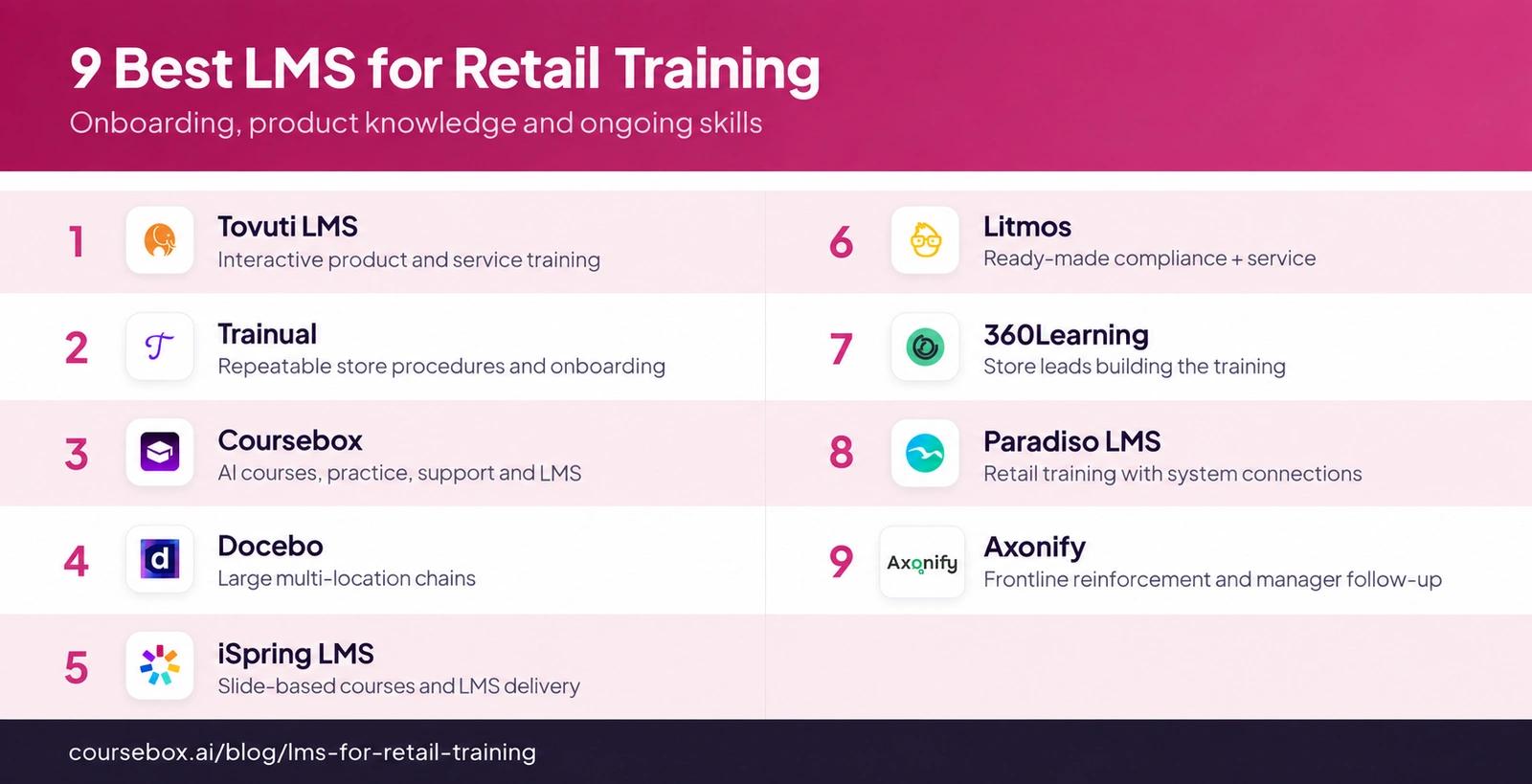
The best LMS for retail training in 2026 include Tovuti, Trainual, Coursebox, Docebo, iSpring LMS, Litmos, 360Learning, Paradiso and Axonify; choose for onboarding, product knowledge and ongoing staff development.
- Coursebox combines AI-created lessons, scenarios, quizzes, tutoring and branded LMS delivery, with unlimited learners on every plan and other allowances to scope.
- Check manager follow-up and realistic service practice, not just course completion. Store knowledge needs updating after induction too.
- Axonify adds frontline reinforcement; Trainual centres on repeatable procedures. Other options cover interactive activities, purchased content, enterprise delivery and collaborative improvement.
- Compare seasonal licence rules, training time, store permissions and the actual device experience. A native app alone does not establish the best fit.
Compare four options from the nine-tool list for supported courses, store procedures, H5P activities and enterprise delivery.

Run your own branded LMS with unlimited learners
Retail teams need new starters ready for customers, existing staff up to date on products, and store managers able to follow up. Training has to fit the devices and time available during a shift. I would compare how each LMS handles that everyday workload, as well as compliance and longer-term development.
Most of my hands-on work has been with small businesses and lean teams, where an owner or manager handles training alongside the rest of the job. That is the lens I used here: can the team set it up, keep the lessons current and see who needs help?
Disclosure: I work at Coursebox, which provides an enterprise LMS for staff training. It is one of the options in this comparison.
The BLS recorded 6.987 million separations in US retail trade during 2025. That total adds monthly departures, including quits, layoffs and other separations; it is not a count of unique workers. It makes repeatable induction worth checking, without implying an LMS will prevent people leaving.
How I judged these
I compared current product documentation and pricing in October 2026, looking at induction, product knowledge, service practice, delivery, manager follow-up and total cost. The checks below are practical examples I would run with a store team before buying.
- Onboarding speed for high turnover. How fast can you get a new or seasonal hire productive, and keep it consistent across stores? In retail you do this constantly, so the ramp has to be quick and repeatable.
- Access during a shift. Test the actual store device, sign-in and accessibility. Some teams use phones, others use shared tablets or a back-room computer. Demonstrate offline access if the workplace needs it.
- Practice and feedback. Can associates apply a returns policy, compare products or respond to a customer? Short lessons, scenarios and knowledge checks should help with the job, rather than simply add games.
- The right content: product, service, compliance. Does it build or supply product knowledge, customer-service and the safety and compliance courses retail has to run, and can you update them the day a product or promotion changes?
- Fit and price for your size. A single-store business, a growing chain and a national retailer need very different tools; I have flagged the fit and where seat-based pricing bites as headcount swings.
The 9 best LMS for retail training at a glance
| Tool | Useful for | Learning workflow | Cost basis | Check before buying |
|---|---|---|---|---|
| Tovuti LMS | Interactive product/service lessons | H5P, delivery and reports | From $7,500/year; 100 learners | Annual counting and activity scores |
| Trainual | Repeatable store procedures | Documentation, assigned tests and reference | Quote by size and features | Updates, seasonal seats and practical checks |
| Coursebox | Supported product/service programmes | AI courses, scenarios, tutor and LMS | Unlimited learners; plan allowances | Policy review and manager workflow |
| Docebo | Multi-brand training administration | Paths, delivery and integrations | Quote; products/add-ons | Audience permissions and peak cost |
| iSpring LMS | Reusing product presentations | Suite AI authoring plus LMS | Monthly active users; annual bill | Publishing and device experience |
| Litmos | Purchased content with local training | Libraries, authoring and LMS | Quote; content add-ons | Exact catalogue and update service |
| 360Learning | Store-expert course improvement | AI authoring, quizzes and peer feedback | Team $8/user/mo; up to 100 | Content ownership and deactivation |
| Paradiso LMS | Retail learning with system connections | Paths, role-play and reports | Quote | Named connectors and setup work |
| Axonify | Ongoing frontline reinforcement | Refresher questions and manager support | Quote by package | Coaching/task scope and regular access |
Pricing and package details were checked in October 2026. Ask how seasonal starters, returning staff, authors and managers count, and whether content, integrations and setup are included.
Compare the seasonal headcount using the same dates. A registered-user plan can charge for accounts kept open; monthly-active pricing counts logins in that month; an annual learner allowance can include people who have since left. Retaining completion records and removing paid access are different operations, so model both your hiring peak and your quieter period.
The 9 best LMS for retail training
1. Tovuti LMS
Tovuti combines H5P activities with LMS delivery, learning paths, certificates and reporting. A store trainer can build a product hotspot exercise or a customer-service knowledge check, assign it to the right team and follow up through the manager’s view. It also supports instructor-led sessions.
Pricing starts at US$7,500/year for 100 annual learners. Interactive authoring, branded portals and a mobile app are in the core platform; WayPoints AI authoring and managed services are optional. Check the annual counting rule against seasonal recruitment, rather than only today’s headcount.
My take: I would build one returns-policy exercise and test it on the store’s actual device. The useful result is an associate choosing and explaining the right action, with a record the manager can use. A large activity library gives you options, but it does not guarantee staff will finish or remember the training.
2. Trainual
Trainual turns store procedures into assigned training and a searchable reference. Opening checks, returns, stock handling and service standards can be documented once, then assigned by role or location with due dates, tests and progress reporting. It is useful when managers keep explaining the same operational steps to new starters.
Current pricing is by quote for team size and features, rather than a single reliable sticker price. Compare the Training suite and the included version history, content verification, integrations and support. Confirm how leaving and returning seasonal staff affect licences and records.
My take: I would give a manager a policy update to make, then check what existing staff need to revisit and what a new hire sees. Assigning a document is only part of onboarding; keep the till demonstration and customer-service observation in the store’s process. This fit is about repeatable operations, not a promise to reduce turnover.
3. Coursebox
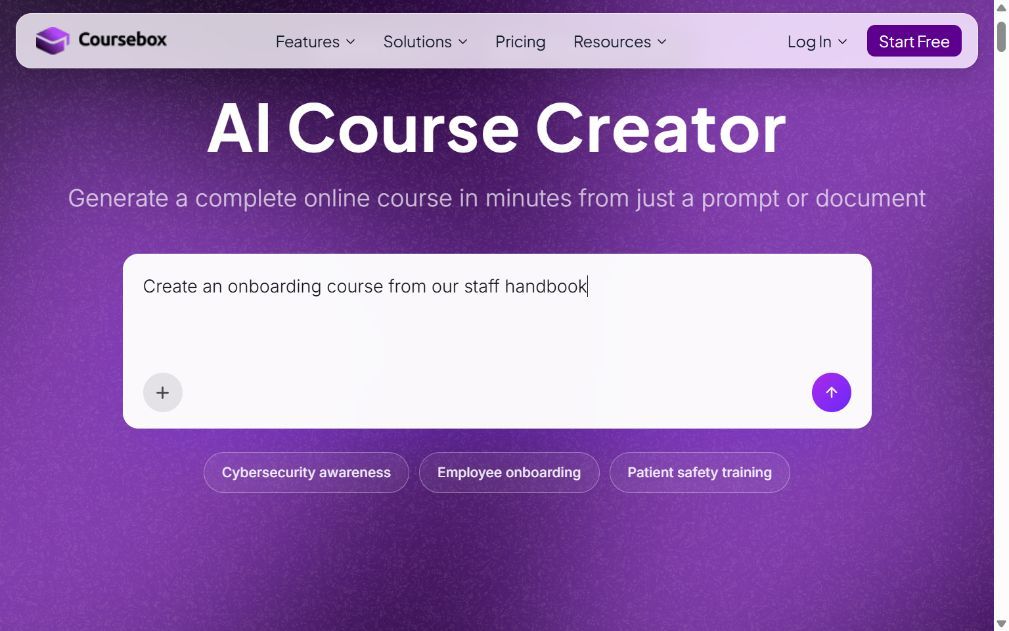
Coursebox combines AI course creation with a branded LMS, practice and learner support. A product sheet or returns policy can become short lessons, quizzes, flashcards and scenarios. Staff can ask a course-grounded AI tutor for help, while the trainer uses assessment results, progress and certificates to follow up.
Every plan allows unlimited learners, including Free, so seasonal additions do not create a per-learner bill. Include course limits, AI usage and admin seats in the budget. Pro + LMS adds branding, a custom domain, groups, pathways and advanced reports; Enterprise provides API and multiple-portal options.
My take: I would ask an associate to handle a difficult return in a scenario, then check the tutor’s explanation against the approved policy. That tests service decisions as well as recall. Have a manager review the generated material before release, and demonstrate any store-level permissions or integration your rollout needs.
4. Docebo
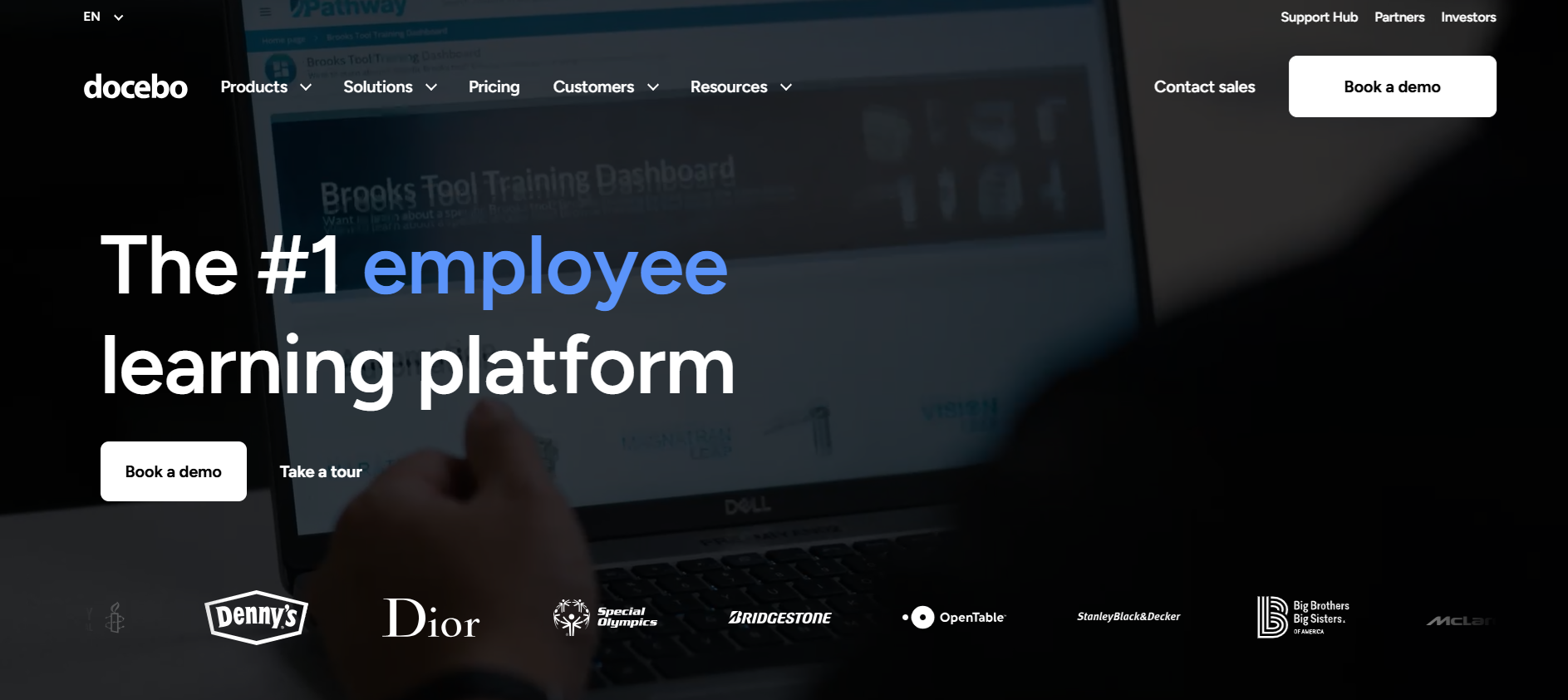
Docebo is relevant to retailers coordinating onboarding, product knowledge, compliance and development across brands or regions. Learning plans, reporting, instructor-led training and integrations give a central team a broad platform; optional content and AI tools expand the programme.
It is quote-priced, with the contract scope more useful than an unverified minimum-user figure. Enterprise includes advanced analytics and a branded app; confirm their add-on cost on other packages. Content and services are additional choices, so price your stores, managers, seasonal population and integration work together.
What I’d check: Move an associate to a different store and show the assignments and reports each manager can see. Then compare one seasonal hiring peak with a quieter month under the proposed user-count definition. I would choose it when the organisation can maintain that structure, rather than because it is labelled enterprise.
5. iSpring LMS (formerly iSpring Learn)
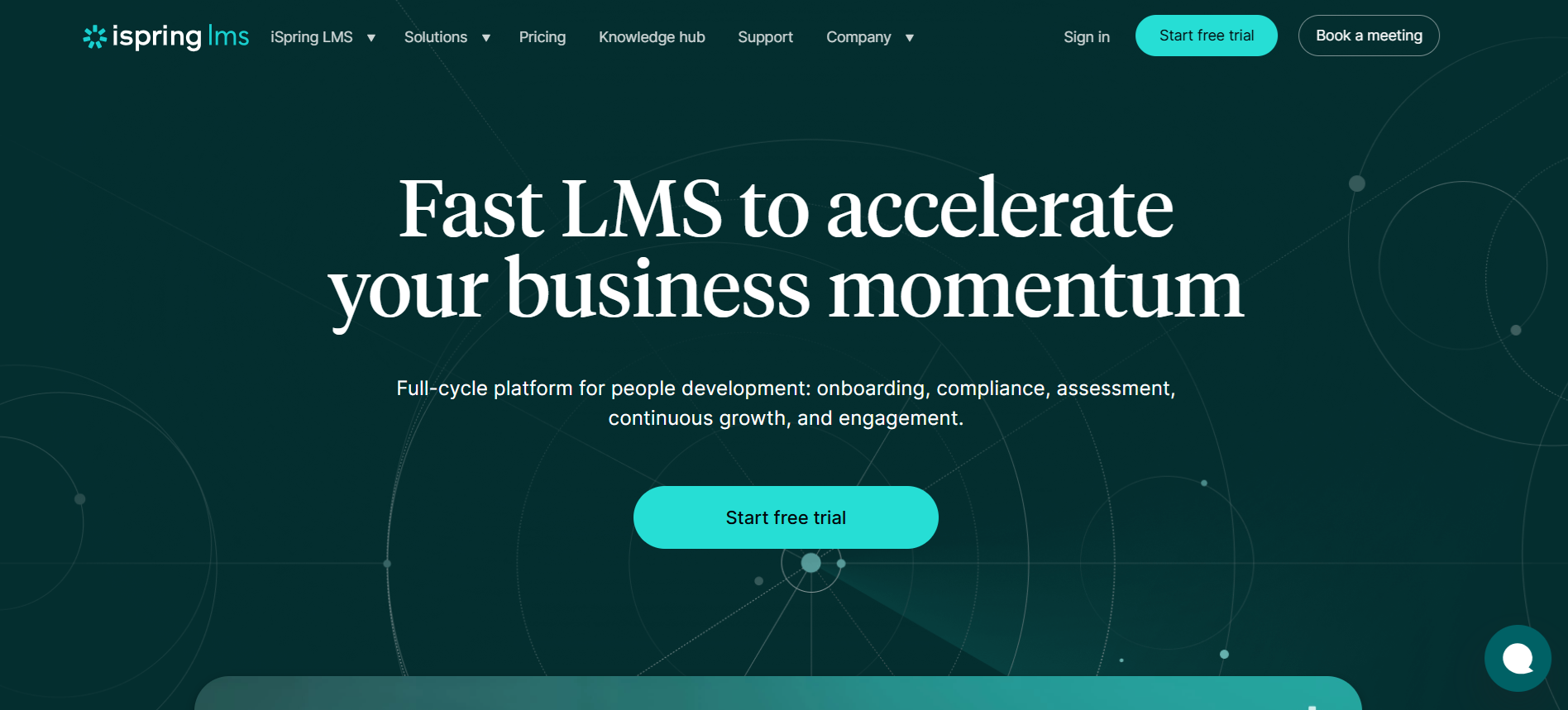
iSpring LMS, formerly iSpring Learn, provides courses, paths, assessments and reporting, with mobile delivery for store teams. Its authoring connection is useful when head office already makes product decks: iSpring Suite turns those slides into trackable lessons and quizzes, while the LMS assigns them.
The Business package includes iSpring Suite AI authoring. Pricing uses monthly active users with annual billing: a user counts when they log in at least once that month. Get your rate and currency confirmed, including the peak season. Desktop Suite needs Windows and PowerPoint; it is different from browser-based authoring.
My take: Start with a real product comparison, not a deck of specifications. Ask the associate to recommend the right item for a customer, then inspect the score and manager report. I would also publish a product change to see how much work the author must repeat and whether existing learners need a fresh assignment.
6. Litmos
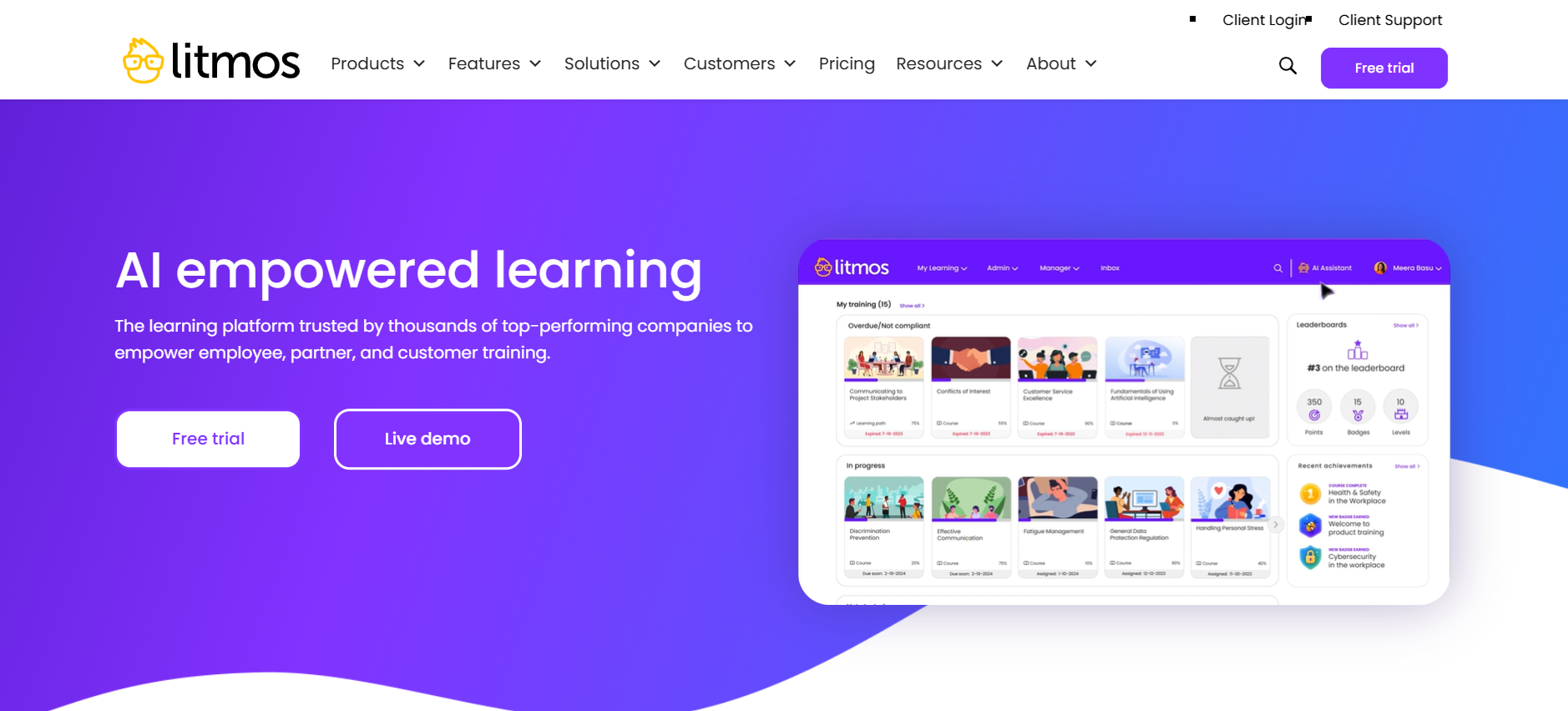
Litmos combines learning delivery, authoring and access to ready-made workplace and skills content. Retailers can mix purchased safety or customer-service lessons with their own product and store procedures, then use learning paths, assessments and reports to organise training across teams.
The platform is quote-priced, and premium or partner libraries are add-ons, not automatically every course bundled into an LMS licence. Confirm the exact content, languages, course updates and manager features in the proposal. Your own promotions and local policies still need maintaining.
What I’d check: Assign a new starter the correct store and role, complete a lesson on the device they will use and inspect the local manager’s report. Then revise a policy and show the refresher process. I would pay for a library only after checking that its usable courses save more work than the team spends adapting them.
7. 360Learning
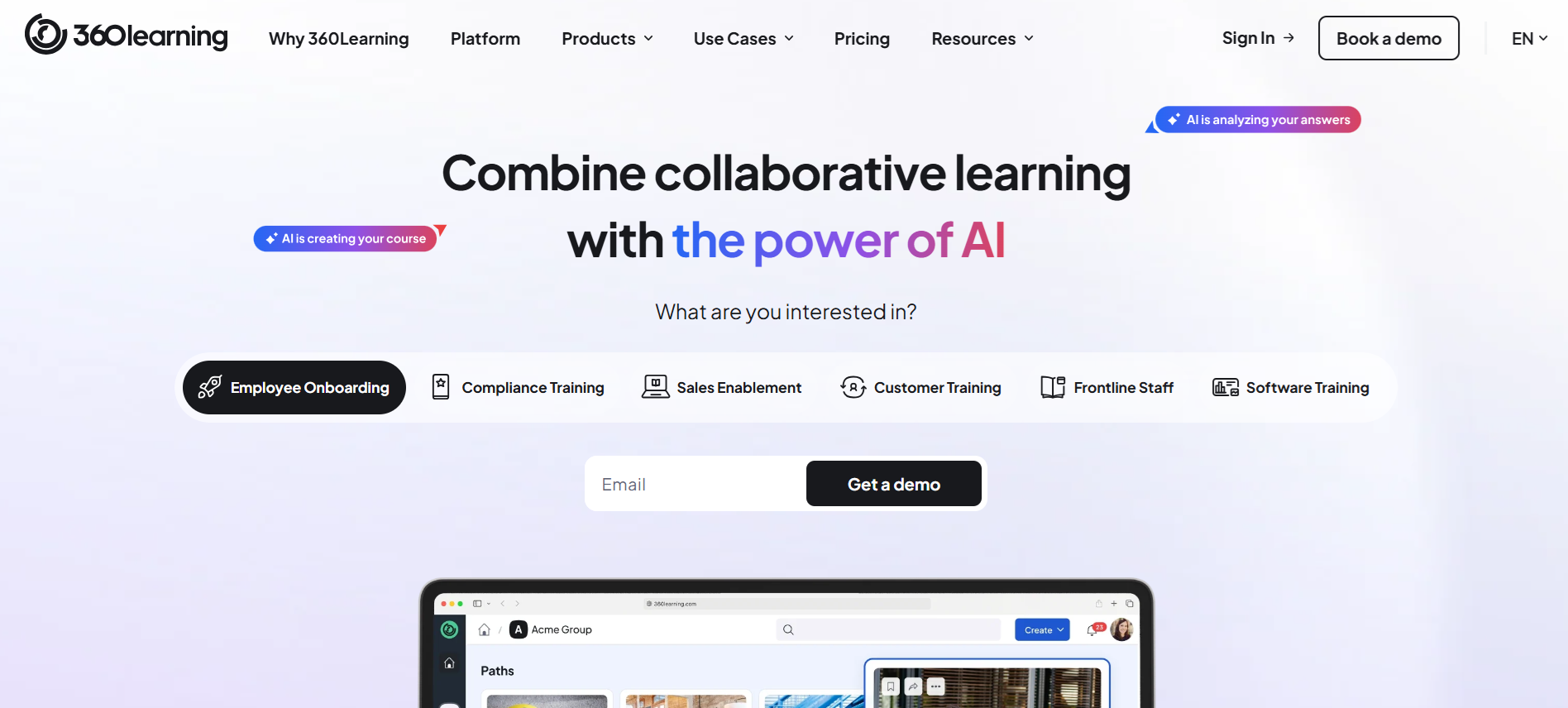
360Learning combines AI-assisted course authoring, quizzes, learning paths and collaborative feedback. A department lead can turn a product demonstration into a lesson, answer questions and improve unclear material. That helps head office capture store knowledge without making every update a central production project.
The Team plan is US$8/user/month for up to 100 users, with selected solutions extra and larger deployments quoted. Accounts count until deactivated or deleted, even if a seasonal employee has stopped logging in. Include authors and managers in the licence calculation.
My take: I would have one store lead create a lesson and another review it before assignment. Check who approves the content and answers the learner questions. Local expertise is useful, but different stores should not publish conflicting returns advice; ownership and review matter as much as collaboration.
8. Paradiso LMS
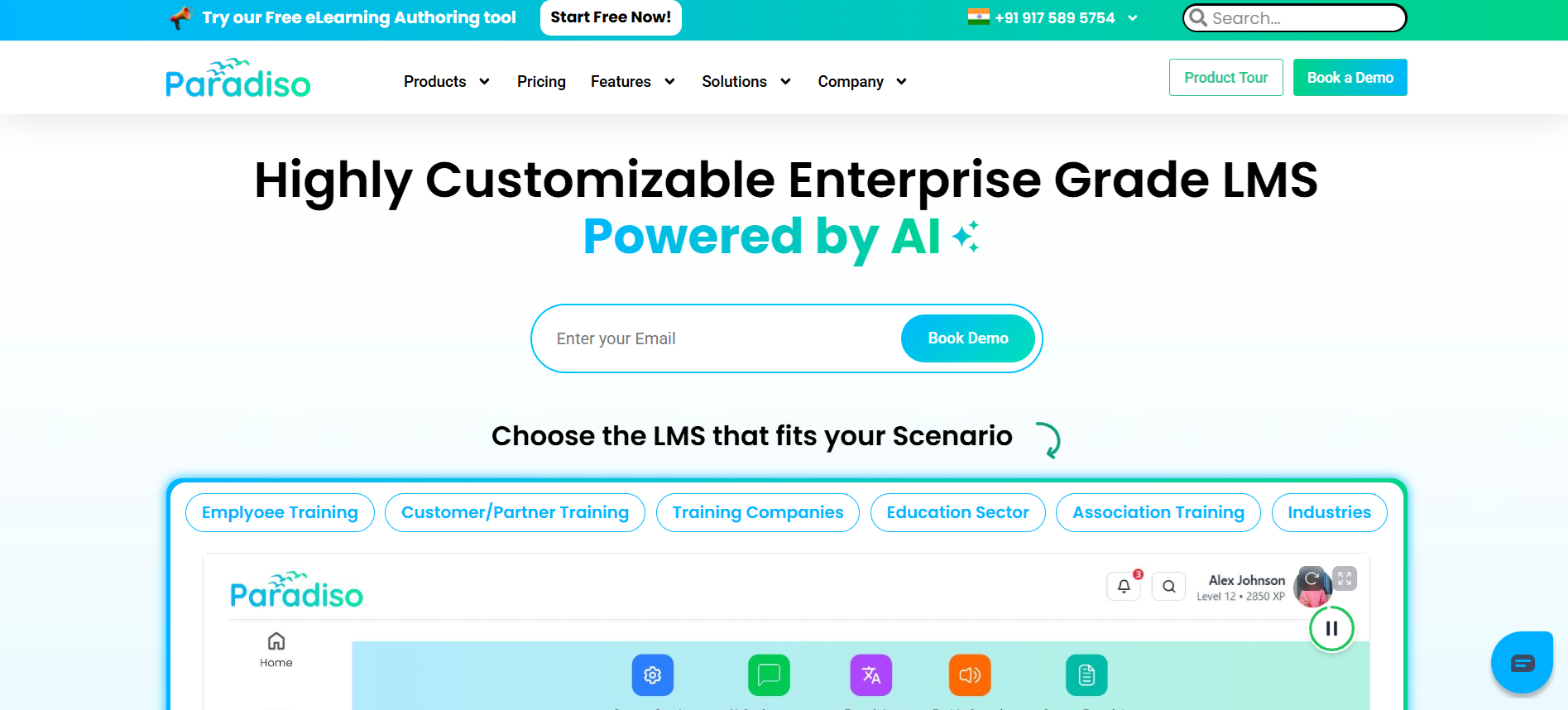
Paradiso LMS offers role-based learning, mobile lessons, imported courses, reporting and AI-assisted authoring. Its retail offering also describes customer role-play, so it is relevant to product and service training as well as connecting the LMS to other systems.
Pricing is by quote. Paradiso advertises HR, CRM, POS and ecommerce connections, but a supported integration is not proof that your exact store system is ready to connect. Get the connector, data fields, synchronisation direction, branding and setup work written into the scope.
What I’d check: Show a new hire entering through your actual HR system, moving store and leaving the business. Then inspect the assignment changes and retained record. I would use that demo to decide whether the integration removes administration or simply adds another system the team must maintain.
9. Axonify
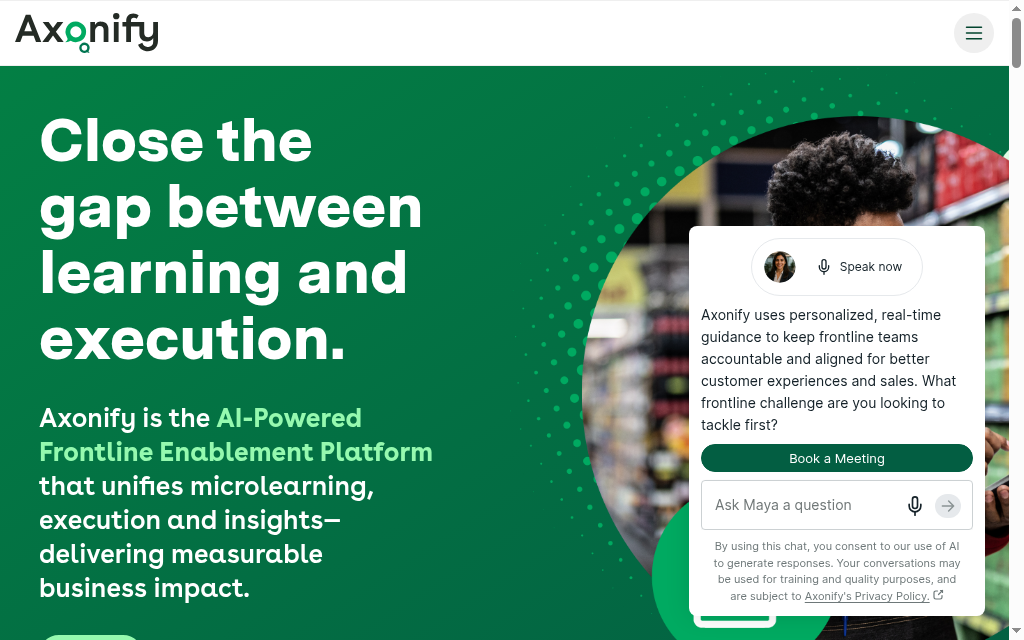
Axonify is a frontline learning and operations platform for ongoing reinforcement. It combines onboarding paths and certifications with short, performance-based refresher questions, communications and manager views. It is worth comparing when the challenge is keeping product and service knowledge current after induction.
The Core, Pro and Premium packages are quote-based. Learning and reinforcement are in Core; manager and operational capabilities expand with the package. Confirm whether coaching and task execution are included, plus the learner-count basis and integration work. It is a broader purchase than a course player.
My take: I would use a changing product range and check which questions a returning associate receives, what a wrong answer triggers and how the manager follows up. Regular reinforcement needs good questions and scheduled access. If you mainly need occasional long courses, compare that workload before buying a platform organised around daily frontline use.
Add a new associate, assign their store and role, then give them a short product lesson and a customer scenario. Check the manager’s view and update a returns policy. Include a returning seasonal employee and a leaver. Set aside paid training time according to the applicable employment rules; an app should not turn required learning into an expectation that staff use unpaid breaks.
Which retail-training LMS should you choose
For a historical example of seasonal recruitment, NRF forecast 400,000 to 500,000 US retail holiday hires in 2024. This is a 2024 forecast, not a 2026 hiring count. Ask for a quote at your own seasonal peak and check how returning staff are billed.
- Your own product and service training: Coursebox combines creation, practice, tutoring and LMS delivery. iSpring LMS suits an existing slide-based workflow.
- Procedures and ongoing practice: Compare Trainual for documented store procedures, Axonify for frontline reinforcement and Tovuti for H5P activities.
- Wider delivery: Docebo supports multi-brand administration; Litmos adds purchased content; 360Learning brings store experts into course improvement. For Paradiso, demonstrate the connection to your retail systems.
Retail onboarding is really staff onboarding done at speed and scale, so our guide to the best LMS for staff training covers the onboarding side in more depth.
Frequently Asked Questions
It delivers and tracks learning for store staff, managers and other retail roles. Typical programmes cover induction, products, customer service, store procedures and required compliance topics. Useful features include role or store assignments, accessible device use, assessments and manager reporting. Some tools also support reinforcement, communications or task execution.
I would start with the workflow and the quote. Coursebox combines AI course creation, practice, tutoring and LMS delivery, with unlimited learners and plan-based allowances. Trainual is useful for documented procedures and repeated onboarding. Check the owner’s setup time, device access and total cost before choosing; a large enterprise package may add administration a small store does not need.
Many of these platforms support mobile delivery, but test the actual course, sign-in and device policy. A shared tablet or back-room terminal may also fit. If staff need offline access, verify which content works and how progress synchronises. Arrange appropriate training time rather than assume workers should complete required learning during unpaid breaks.
Ask whether the contract counts registered accounts, monthly activity, annual unique learners or a maximum user band. Check returning employees, deactivation and retained records. Coursebox allows unlimited learners but limits other resources; 360Learning Team counts an account until deactivated or deleted, and Tovuti quotes annual learners. Model your own peak, not a generic industry percentage.
Use knowledge checks and realistic product or service decisions, then have managers observe the relevant behaviour at work. Completion is a useful record but does not prove better sales, service or retention. Axonify supports ongoing reinforcement, while other products offer scenarios, quizzes or coaching workflows; compare the evidence each gives your manager.
Alexandra Cserta
Alexandra runs marketing at Coursebox from our Perth office. Her work spans campaign strategy, influencer and agency partnerships, webinar programmes, PR outreach, media appearances, and customer case studies.
She has a deep passion for teaching and mentoring. She is known for bringing people together, whether that is creating space for real conversations within the team or connecting Coursebox with the communities it serves.
Interested in a media appearance, case study, or interview with Coursebox? Reach out to Alexandra directly.

