

10 Best eBook Generator Tools to Save Time Without Compromising Quality
Find the best eBook generator tools for writers and creators. Build, format, and publish digital books with less effort.


Build high quality courses that actually sell
Creating digital content, including books used to take weeks of planning, formatting, and editing. Now, things feel much easier because AI tools help speed up the process while keeping ideas organized.
Writers, educators, and marketers often use AI content generators and AI citation tools because they save time and reduce repetitive work. Also, many creators prefer platforms that guide them step by step during writing and formatting. This is why choosing the right eBook generator matters more than ever.
In this article, we explore the best eBook generator options that help users create, organize, and publish digital books more efficiently.
Best eBook Generator Options: Our Top 10 Picks
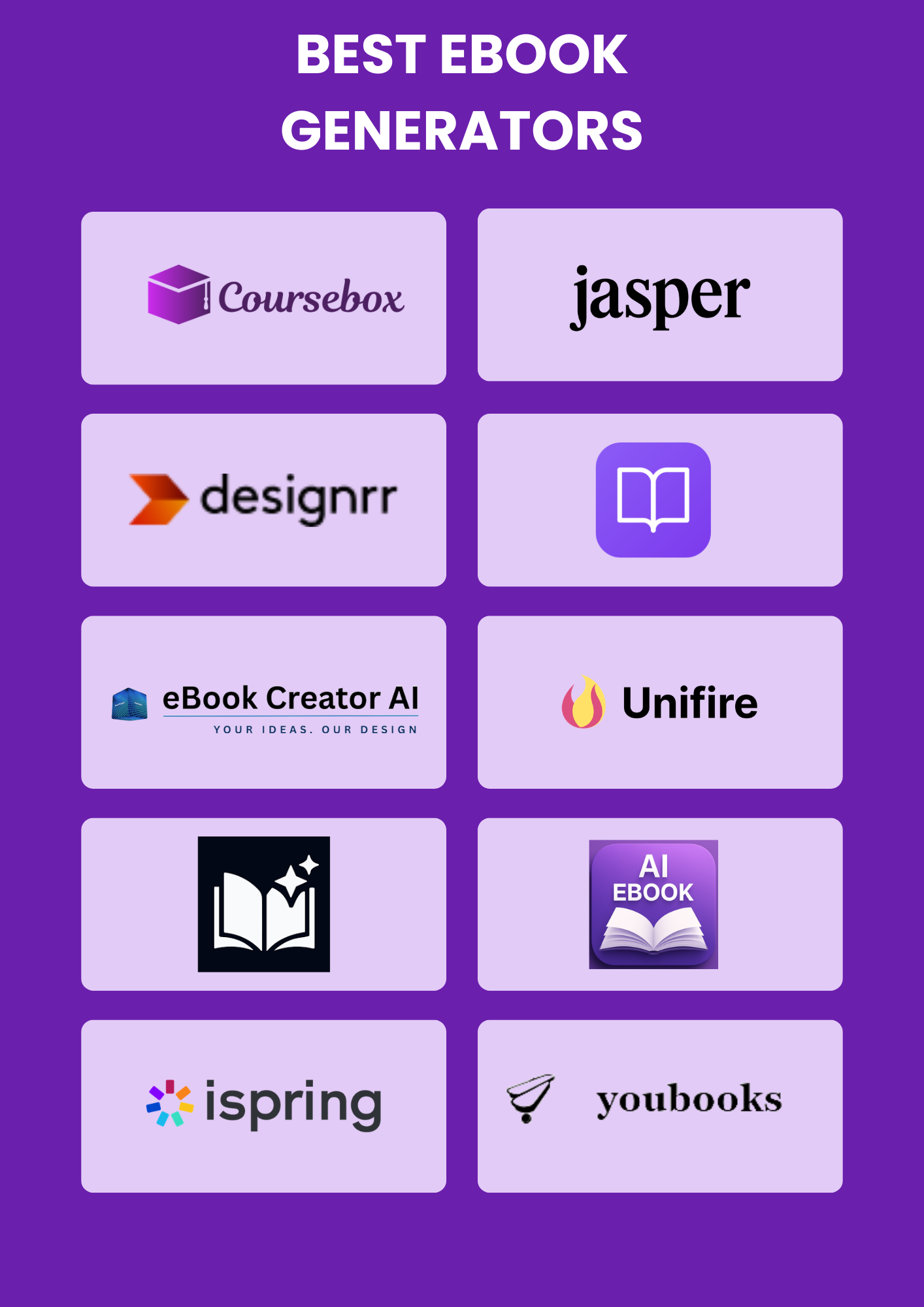
Many creators look for modern tools that simplify writing while also keeping formatting clean. Also, reliable platforms make it easier to move from ideas to finished content without confusion.
Finding the right eBook tool can feel overwhelming at first. However, once you compare the key features and workflows, the choice becomes much clearer.
1. Coursebox AI (Best eBook Generator Overall)
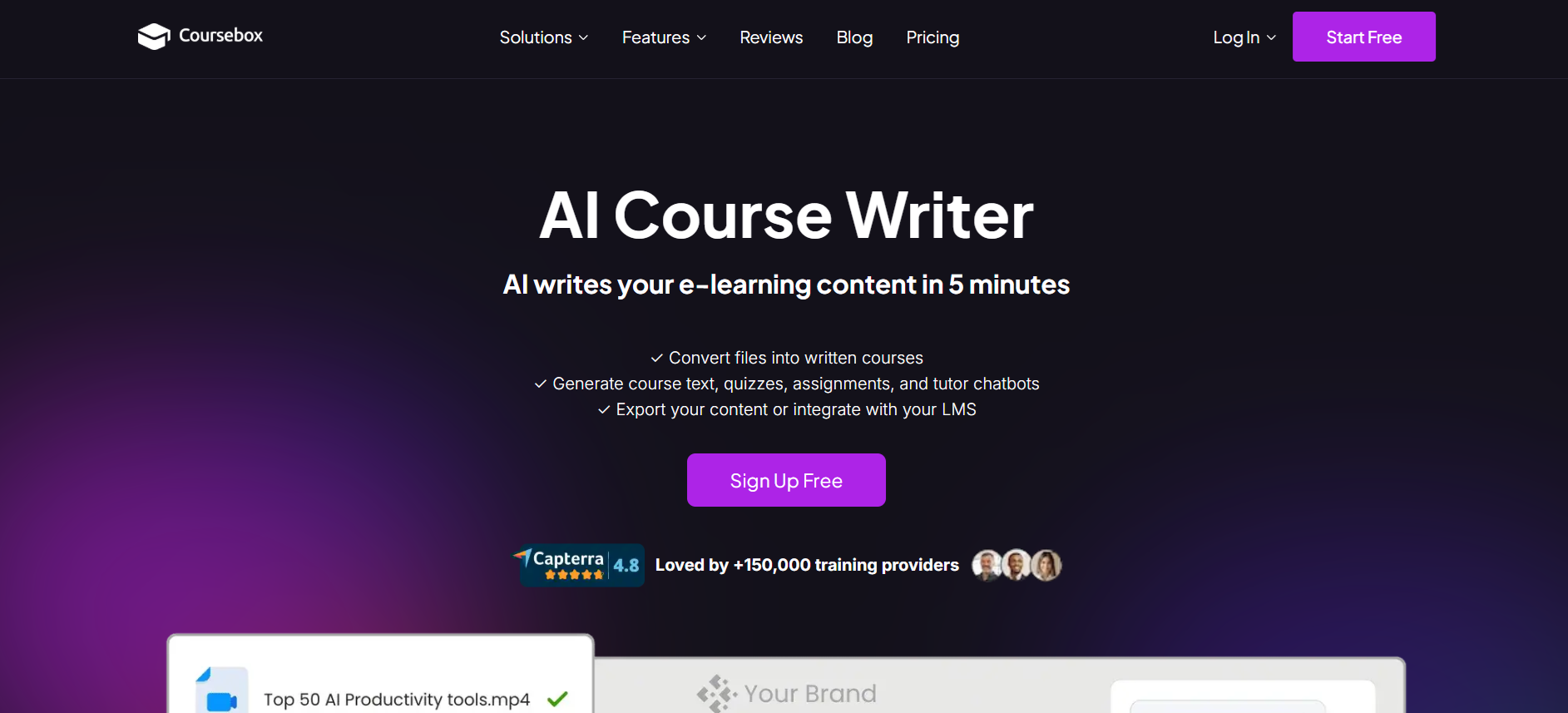
Coursebox AI offers a flexible environment that supports both content creation and structured learning materials. Many creators use it because it helps turn ideas into organized written content without requiring advanced writing tools.
Also, the platform uses AI support to guide users during the writing process, which helps reduce time spent on formatting and planning. This is why Coursebox AI works well for educators, trainers, and creators who want to build and sell structured digital books quickly. Users also appreciate how the platform keeps chapters organized and easy to update.
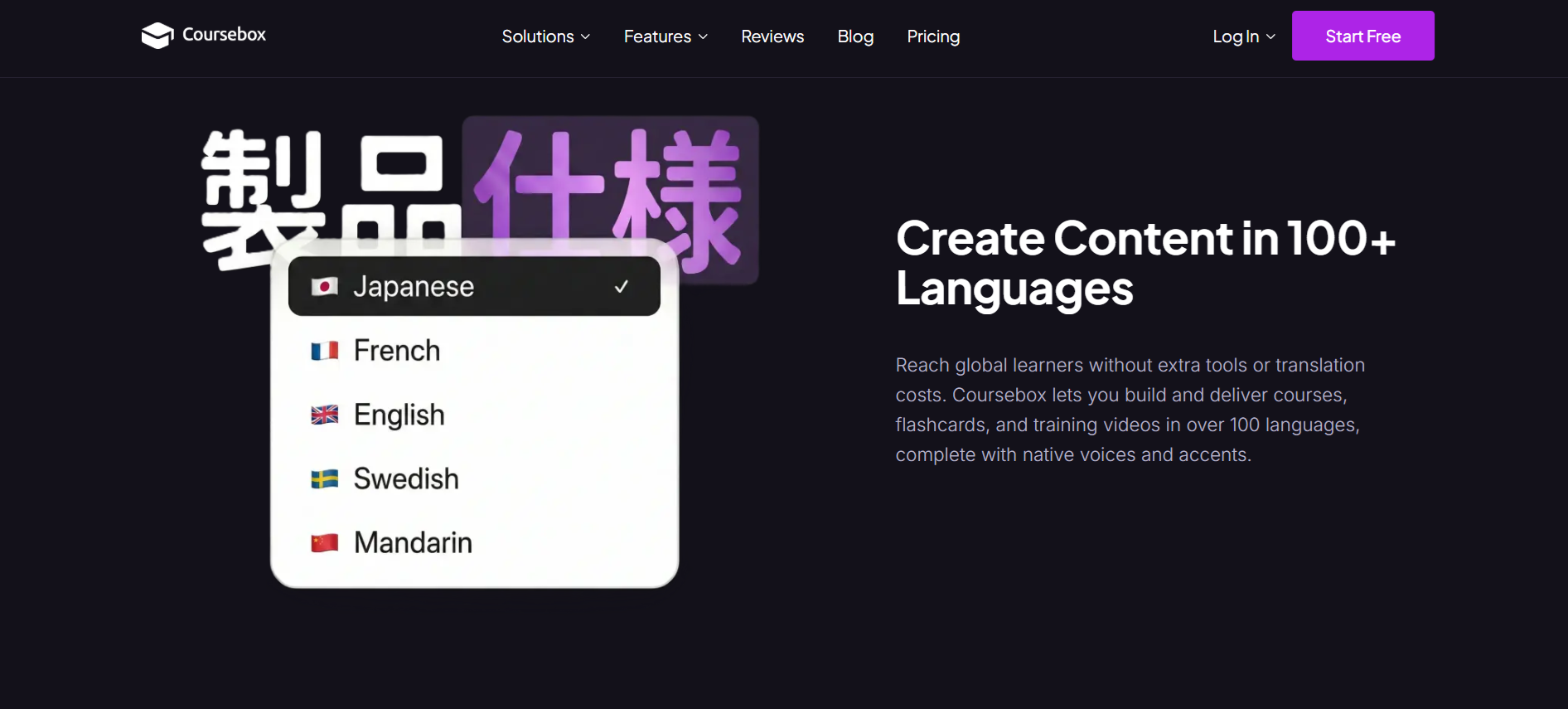
At the same time, our layout feels simple, so beginners can start creating without feeling overwhelmed. Because it balances simplicity with powerful features, Coursebox AI stands out as a strong eBook generator for many types of projects.
Key Features:
- AI-powered writing assistance that helps generate structured content
- Chapter organization tools that keep ideas clearly arranged
- Built-in editing tools that support content refinement
- Export options that support multiple digital formats
- Template library that speeds up content creation
- Collaboration tools that allow teams to work together
- Progress tracking tools that monitor writing stages
- Cloud-based access that supports remote work
- Content reuse tools that allow easy updates
- Flexible workflows that adapt to different writing styles
2. Jasper AI

Jasper AI supports creators who want help generating long-form written content quickly. Many writers rely on it because it can turn short prompts into detailed sections that fit organized structures. Also, the platform supports content templates that help users start writing without confusion.
It’s perfect for creators building guides, educational materials, or digital books. At the same time, users should review generated text to match tone and style preferences. It supports structured content generation, so it helps creators move from ideas to completed drafts more efficiently.
Key Features:
- AI writing tools that generate long-form content
- Content templates that support structured writing
- Editing tools that refine text clarity
- Workflow tools that organize writing stages
- Export options that support publishing formats
3. Designrr
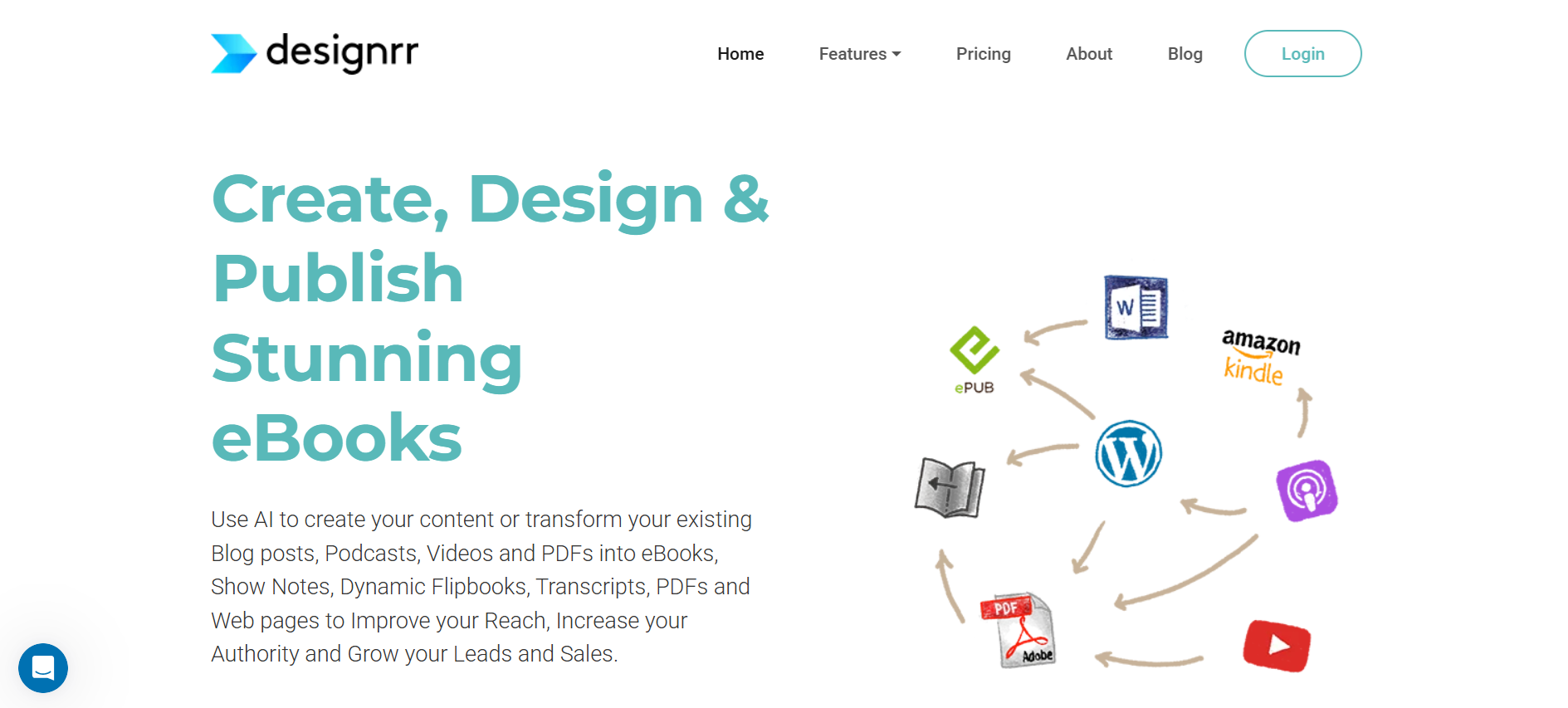
Designrr focuses on turning written content into polished digital books with professional layouts. Many creators use it because it helps convert documents, blog posts, or notes into structured eBooks. Also, the platform supports formatting tools that improve readability without requiring design skills.
Designrr suits creators who want clean layouts without spending time on manual formatting. At the same time, users may adjust templates to match branding needs. Because it supports fast content conversion, it helps creators publish digital books more efficiently.
Key Features:
- Content conversion tools that turn text into eBooks
- Formatting templates that improve layout design
- Editing tools that refine content appearance
- Export tools that support publishing formats
- Template customization tools that support branding
4. EbookMagic
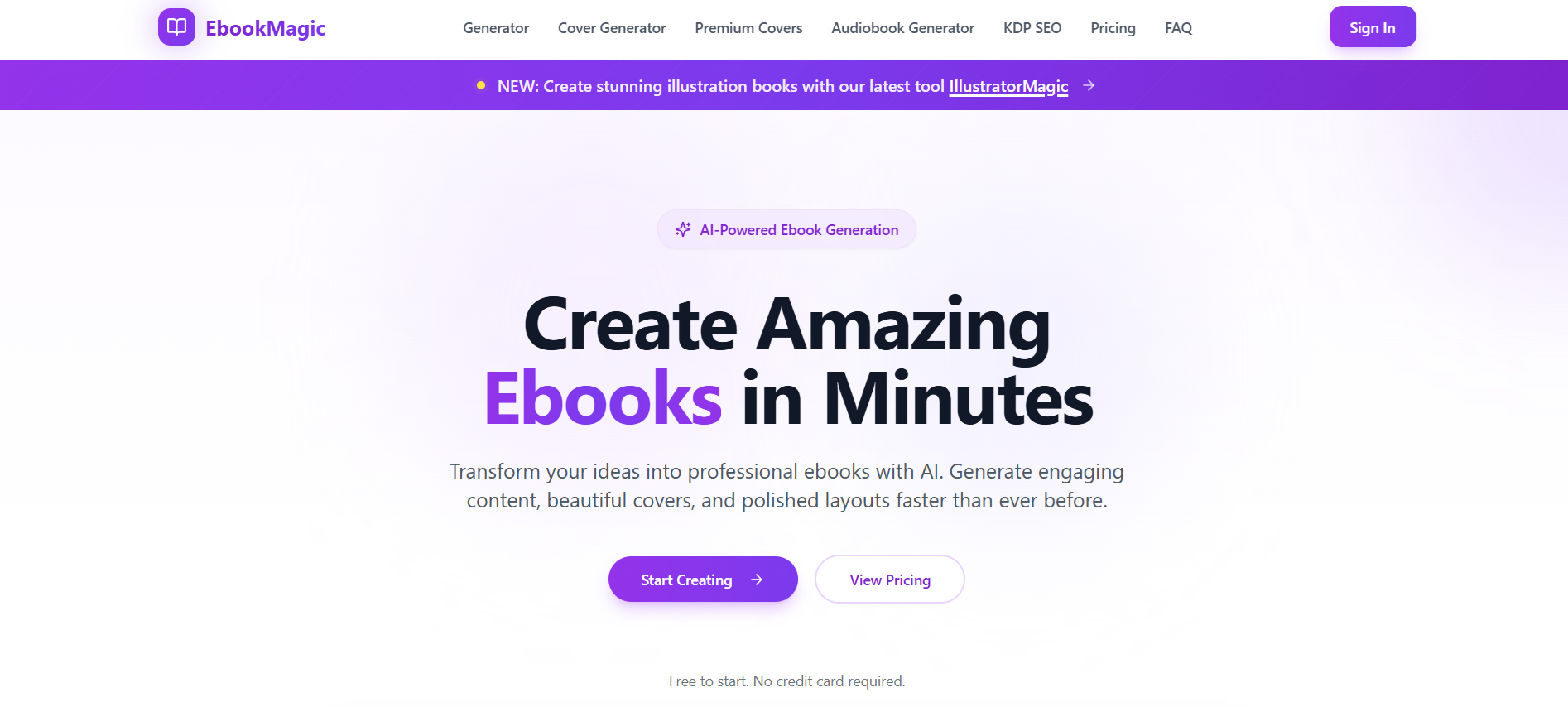
EbookMagic helps creators generate book content using guided writing tools. Many users choose it because it supports idea expansion, which helps turn short prompts into longer chapters. Also, the platform provides formatting tools that keep layouts readable.
EbookMagic works well for users who want structured support during writing. However, creators may still need manual edits to adjust tone and style. It supports both writing and formatting together, so it simplifies the publishing process.
Key Features:
- AI-assisted content creation that expands ideas
- Formatting tools that support readable layouts
- Chapter organization tools that structure content
- Editing features that refine writing
- Export tools that support digital formats
5. AI eBook Creator
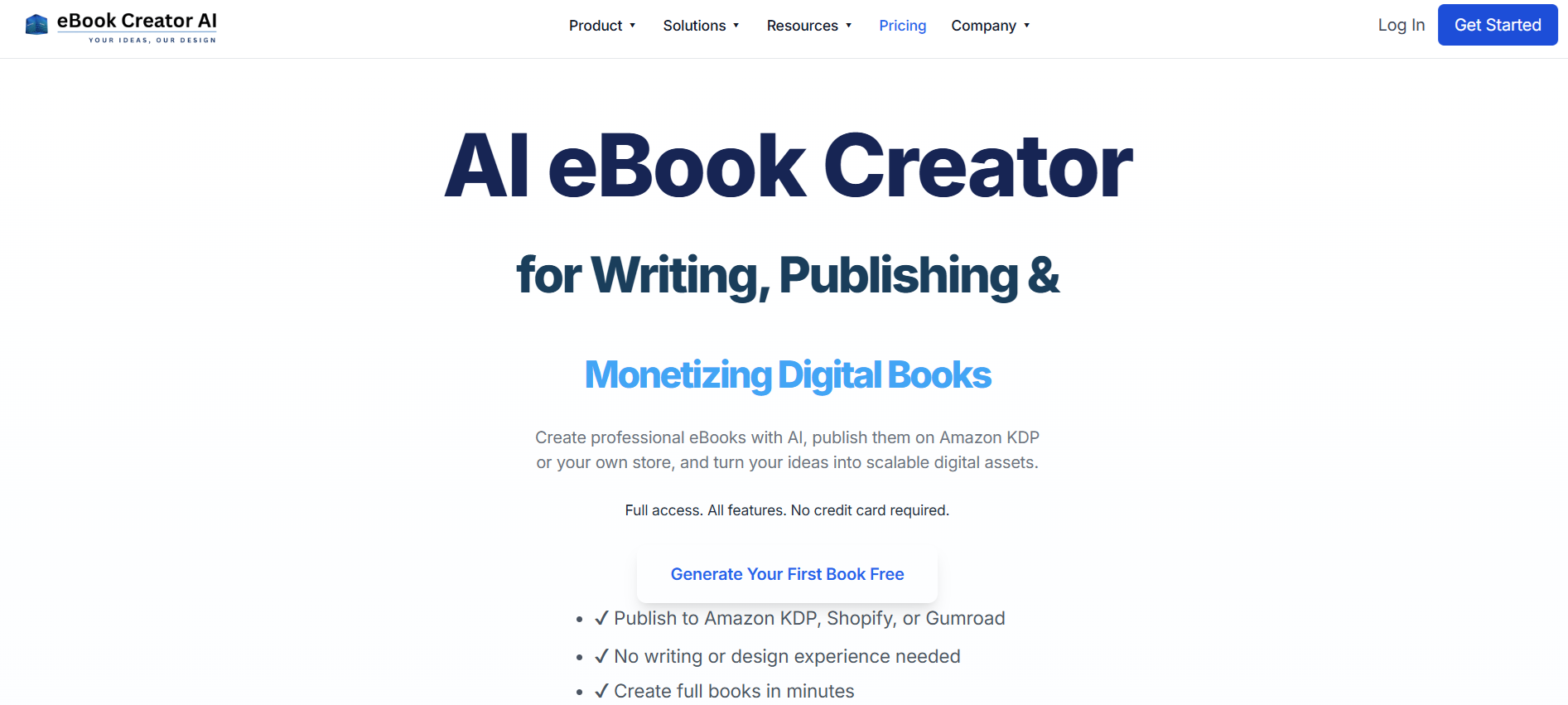
AI eBook Creator provides tools that help users generate full digital books from short inputs. Many creators use it because it supports automated chapter creation, which saves time during early writing stages. Also, the platform includes templates that guide layout choices.
Beginners can start quickly without needing design experience, but experienced writers may want to adjust content manually for deeper customization. This tool supports simple workflows, so it helps users move from ideas to completed books faster.
Key Features:
- Automated chapter creation that speeds up writing
- Pre-designed templates that guide layout creation
- Editing tools that support manual changes
- Export features that support publishing formats
- User-friendly interface that supports easy navigation
6. Unifire.ai
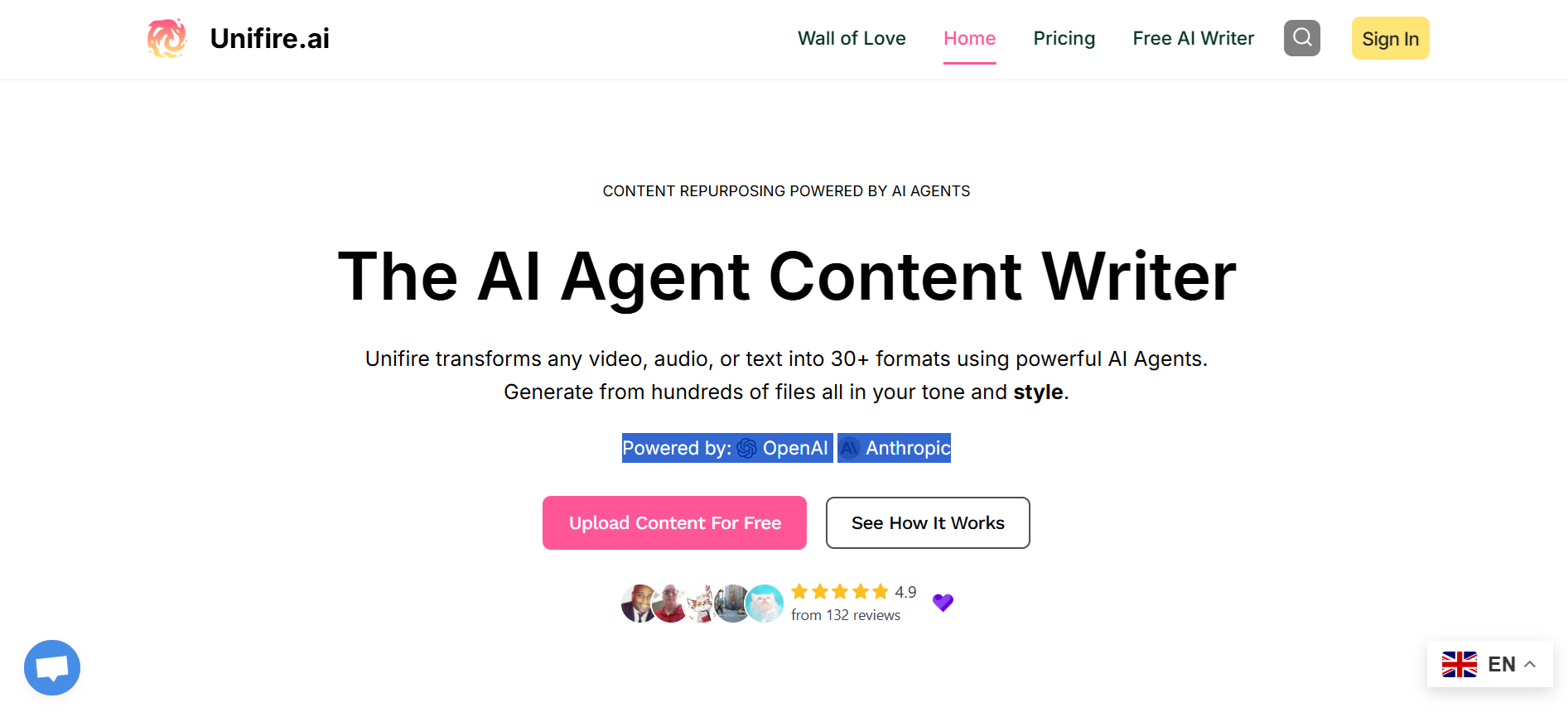
Unifire.ai focuses on transforming ideas into structured written materials. Many creators use it because it helps organize scattered notes into clear chapters. Also, the platform supports content expansion, which helps build longer texts from shorter outlines.
It works well for professionals who want to turn knowledge into digital books. Still, users may need to review the generated text carefully to maintain consistency. Because it supports structured workflows, it helps creators stay focused during long writing sessions.
Key Features:
- Idea organization tools that support structured content
- Content expansion tools that build longer chapters
- Editing features that refine writing flow
- Export tools that support digital publishing
- Cloud access that supports remote collaboration
7. KidzbookAI
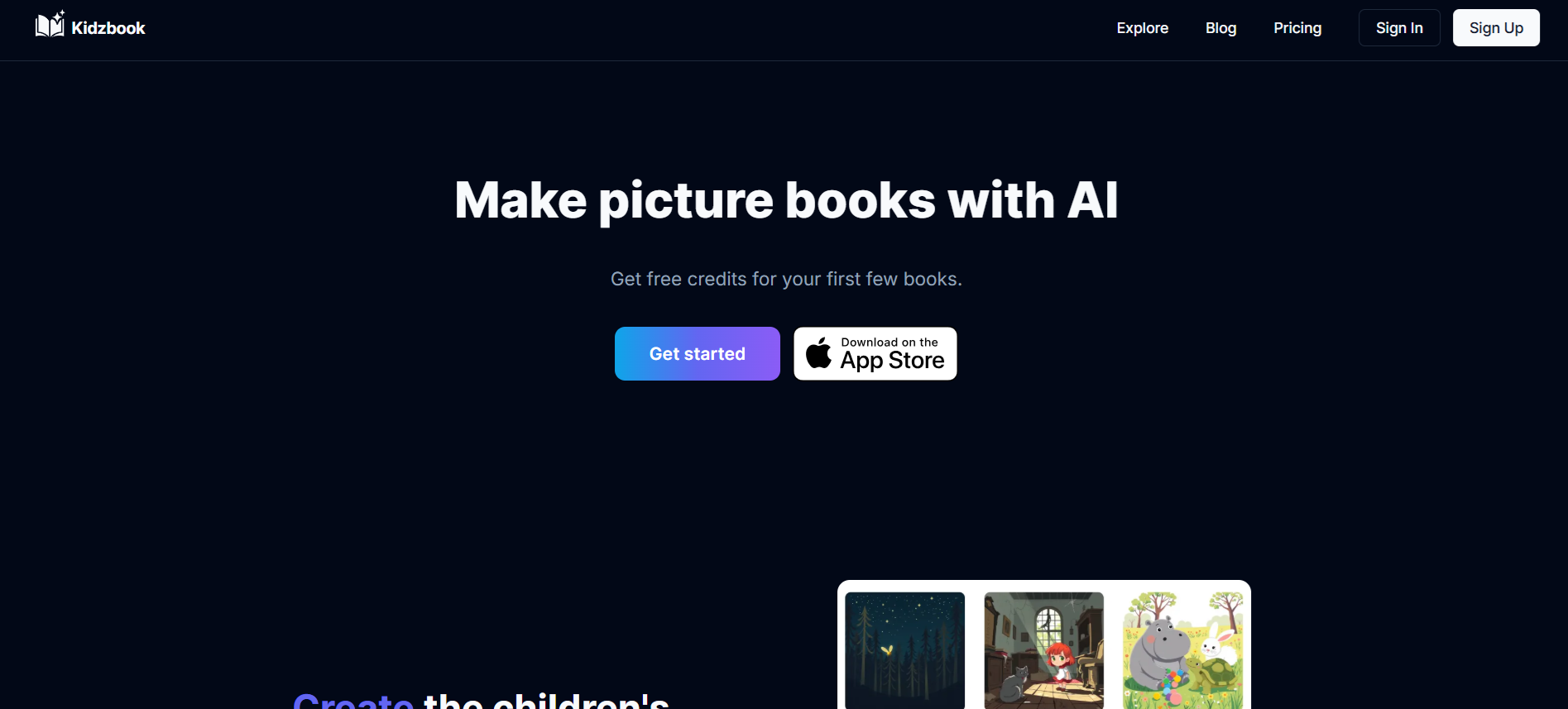
KidzbookAI focuses on creating simple digital books designed for younger readers. Many educators and parents use it because it supports story-building tools that guide creative writing. Also, the platform includes visual support that helps make content more engaging.
It’s perfect for educational storytelling projects, but users creating professional materials may require additional formatting tools. It supports creative storytelling, so it helps users build engaging educational books.
Key Features:
- Story creation tools that support structured storytelling
- Visual content tools that enhance reader engagement
- Chapter organization tools that maintain structure
- Editing tools that refine story flow
- Export features that support digital book sharing
8. AI Ebook Generator-Create Book
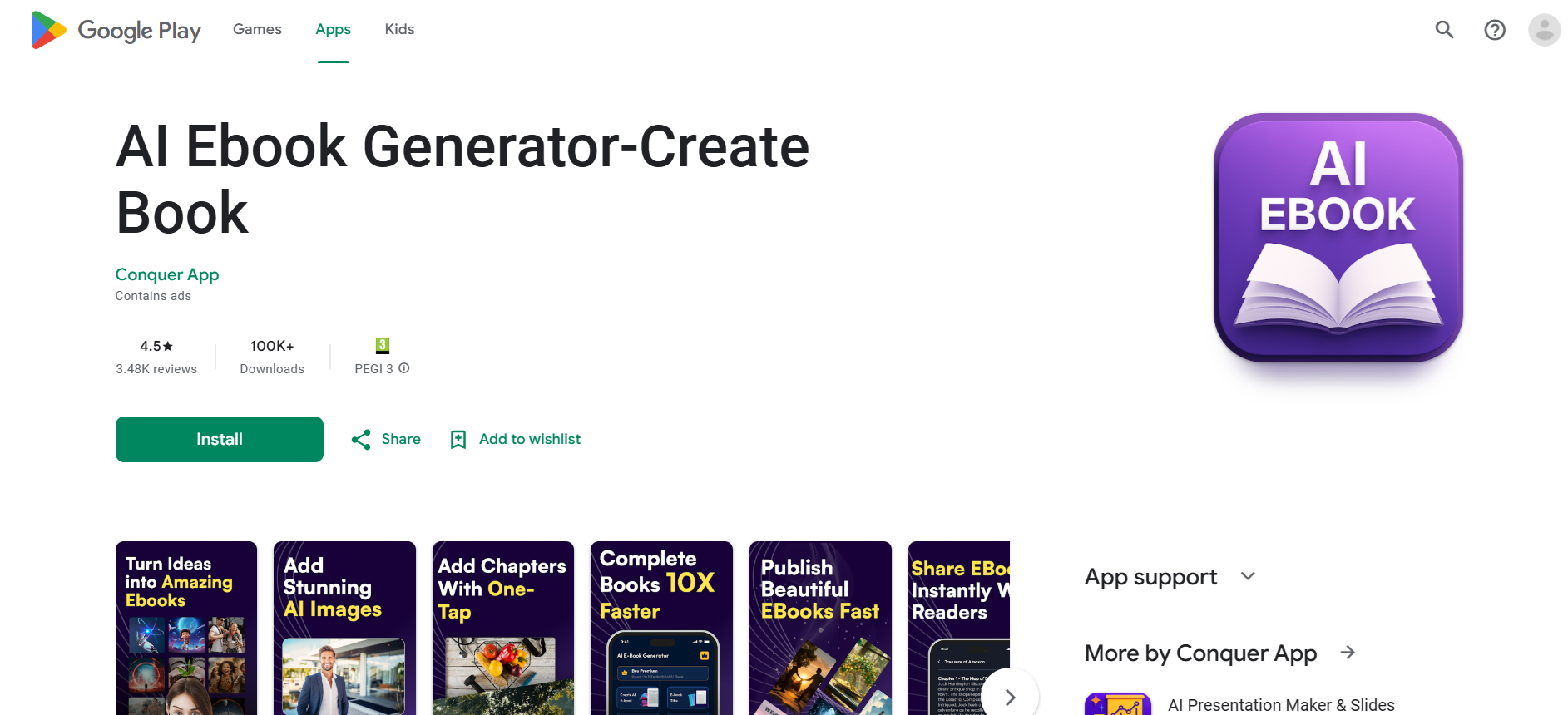
This Android-based tool supports creators who prefer working from mobile devices. Many users rely on it because it allows content creation directly from smartphones. Also, the platform supports quick writing sessions, which help capture ideas while on the move.
This well-known mobile learning app suits users who create content during travel or busy schedules. Still, long writing sessions may feel easier on larger screens. It supports mobile workflows, so it helps users stay productive anywhere.
Key Features:
- Mobile writing tools that support quick content creation
- Chapter editing tools that allow content updates
- Export tools that support sharing formats
- User-friendly interface that supports easy navigation
- Offline support that allows writing without the internet
9. Scribe

Scribe helps users turn processes and workflows into structured written content. Many creators use it because it can automatically generate step-by-step guides, which can be adapted into eBook chapters. Also, the platform captures actions and converts them into organized documentation.
It works well for professionals creating instructional or training-based eBooks. However, users may need to expand sections to add more depth for longer content. Because it focuses on structured documentation, it helps creators build clear and organized digital books.
Key Features:
- Process capture tools that create step-by-step content
- Automatic guide generation that saves writing time
- Editing tools that refine content structure
- Export options that support document sharing
- Workflow documentation that supports training materials
10. Youbooks AI
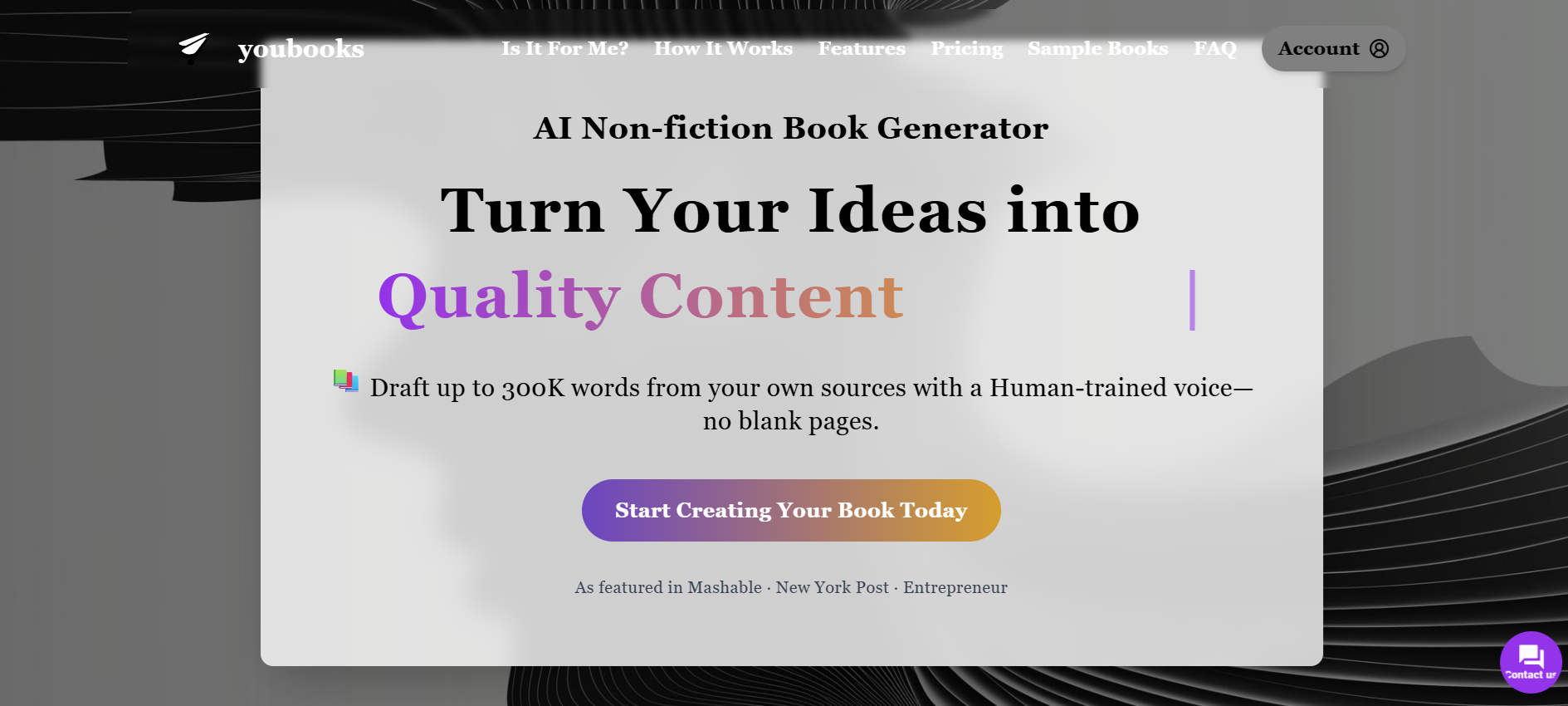
Youbooks AI focuses on simplifying book creation through guided writing workflows. Many creators choose it because it supports structured outlines that keep content organized from beginning to end.
The platform helps generate content sections that follow a logical flow, so it suits users building step-by-step educational materials. Still, users may need to customize formatting depending on publishing goals. It supports organized workflows, so it’s perfect if you want to stay focused during long projects.
Key Features:
- Outline creation tools that support structured writing
- Content generation tools that expand sections
- Editing tools that refine writing clarity
- Formatting tools that support readability
- Export tools that support digital publishing
How to Choose the Right eBook Generator
Choosing the right eBook creator takes careful thinking because each project has different needs. Also, understanding your workflow helps narrow down the best option.
1. Check Your Content Goals
Start by thinking about what type of book you want to create. Some users build short guides, while others develop full training manuals. That being said, selecting a tool that matches your content length helps avoid unnecessary steps. Also, platforms that support chapter organization make long projects easier to manage.
2. Look at Editing and Formatting Tools
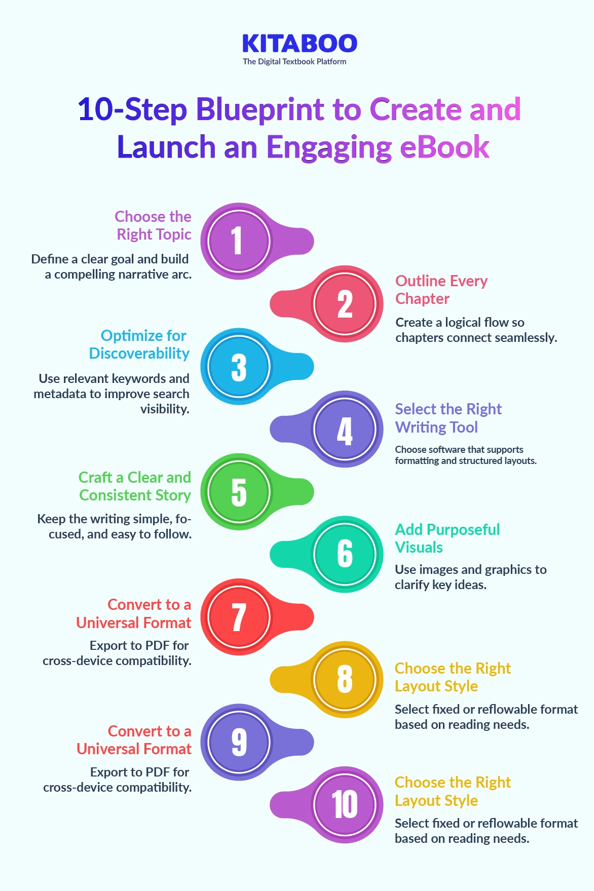
Good formatting keeps readers engaged, and editing tools help maintain clarity across chapters. Choosing a platform with built-in editing features reduces the need for extra software, while simple formatting tools save time during publishing.
3. Consider Collaboration Needs
Some projects involve teamwork, so shared access makes it easier for teams to review chapters together. Choosing a platform with collaboration tools can support smoother group work, while version tracking helps keep updates consistent.
4. Evaluate Export Options
Different publishing platforms require different file formats, so flexible export tools help avoid compatibility issues. Choosing a generator that supports common formats makes the publishing process smoother.
5. Consider Monetization and Marketing Options
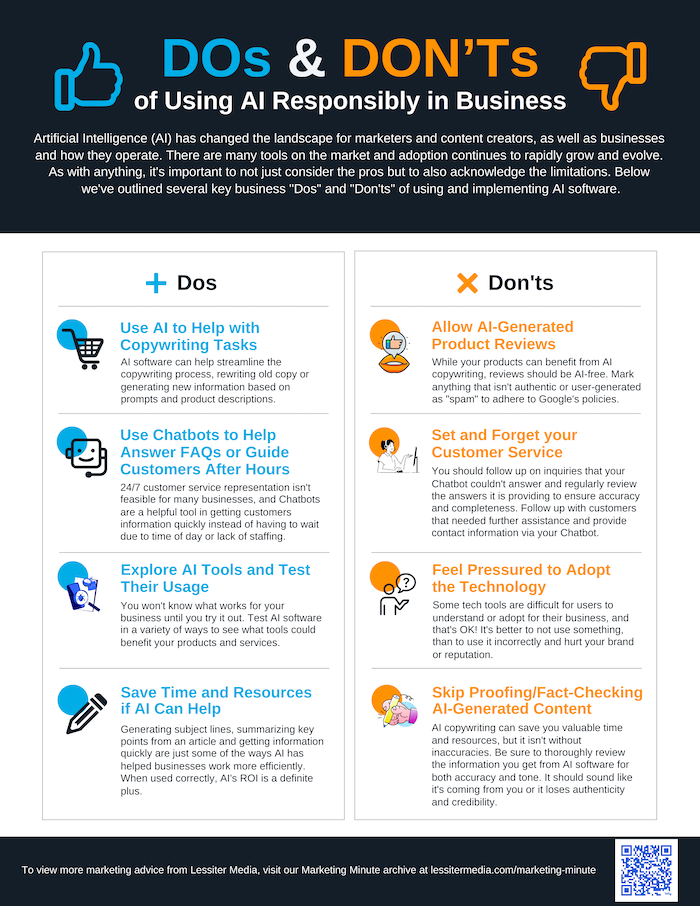
If you plan to sell your eBook, it’s important to choose a platform that supports both monetization and marketing. Some tools make it easier to turn content into paid products while also helping you promote them to your audience.
Platforms that include payment options, course delivery, or basic marketing features can help you go from creating to selling without needing extra tools. This is especially useful for educators, coaches, and creators who want to grow and monetize their content.
Turn Ideas into eBooks with Coursebox AI
Choosing the right eBook generator depends on your workflow, content type, and publishing goals. Some people like structured tools like Youbooks AI or Designrr because they guide you step by step. Others use platforms like EbookMagic or Unifire.ai to turn ideas into longer chapters.
Mobile-friendly tools can also help, especially if you’re working during a busy day. Since every platform is a bit different, trying a few usually helps you find what works best. If you want something flexible that helps you stay organized and work faster, Coursebox AI is worth checking out for creating eBooks.
FAQs
Frequently Asked Questions
Yes, can help create eBook content by generating outlines, chapters, and ideas. Also, many creators use it to speed up brainstorming and drafting. However, users still review and edit the text to match their style and ensure accuracy.
Yes, AI tools can generate digital books using prompts and structured templates. Also, many platforms support formatting and editing features that simplify the publishing process. This is why creators often use AI tools to reduce writing time and improve organization.
The best eBook generator depends on your project needs and workflow style. Some users prefer flexible tools like , while others choose platforms focused on quick content generation. Additionally, tools that support editing and export options usually offer better long-term value.
Many platforms offer free versions that cover basic eBook creation. Users often start with templates and simple prompts to build chapters step by step. This makes free tools a good way for beginners to experiment before upgrading to premium features.
Yes, many creators write eBooks with AI tools and sell them online. Also, platforms allow users to export content into formats suitable for publishing. However, users should review and edit the content carefully to maintain quality and originality.
Yes, selling AI-generated eBooks is generally legal in many regions. Also, creators remain responsible for ensuring the content does not copy copyrighted material. Because of that, reviewing and editing the content before publishing helps avoid legal problems.
Travis Clapp
Educational technologist and instructional designer

