

How to Design a Customer Service Training Program That Works
Learn how to design customer service training programs that boost agent productivity, improve CSAT scores, and strengthen customer loyalty.


Set up your branded LMS and deliver training with AI
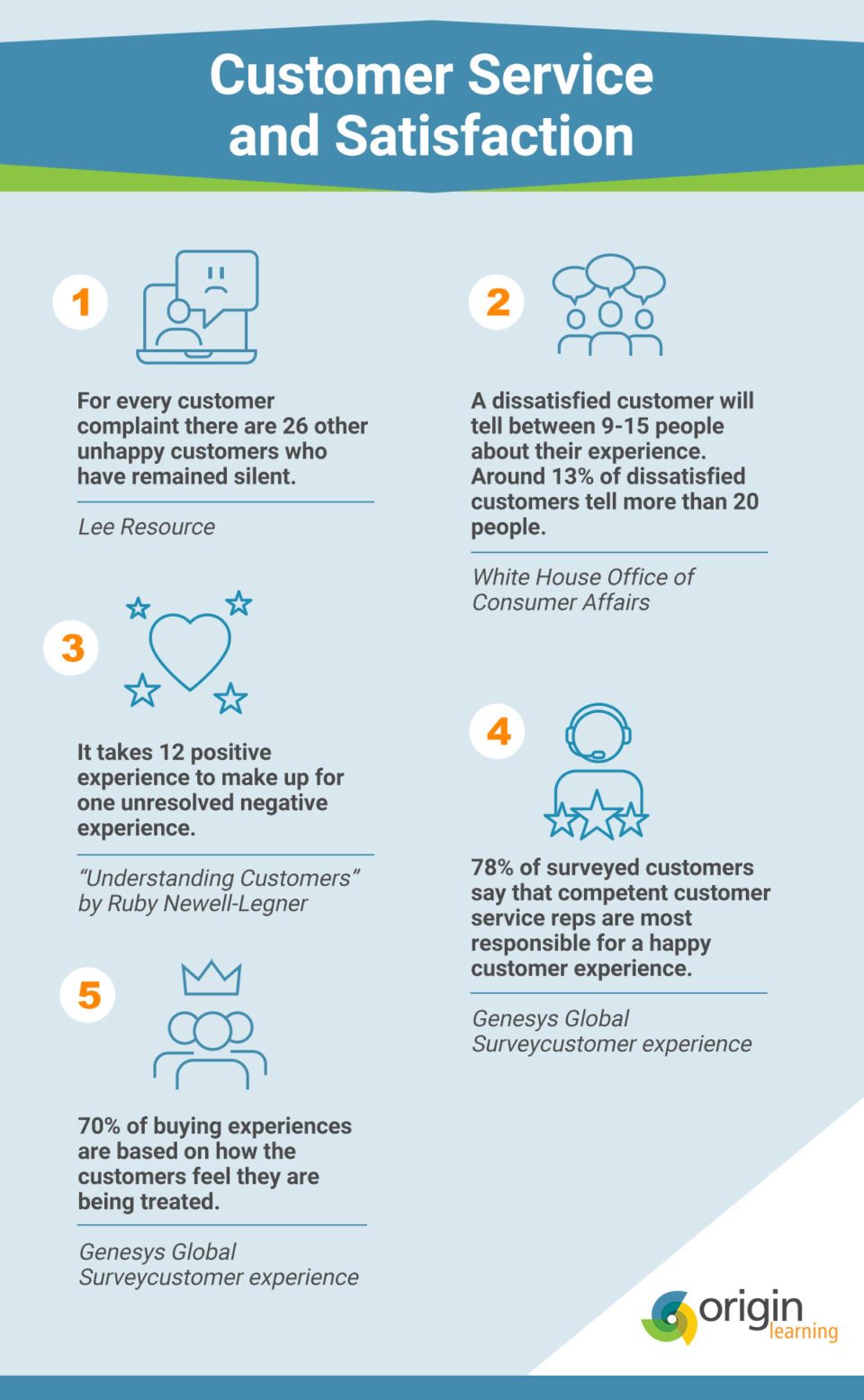
Studies show that 86% of customers would pay more for better service, which is a clear reminder of how powerful strong customer support can be.
Customer service training builds the communication, product, software, and problem-solving skills teams need to deliver faster, smoother, higher-quality experiences. Without it, businesses risk frustrated customers and missed opportunities. With it, they boost performance, satisfaction, and loyalty.
This article breaks down the benefits of customer service training and how to design a program that strengthens skills and supports business growth.
What is Customer Service Training and Why Does it Matter?
As said in the beginning, customer service training equips agents with knowledge, skills, and tools for smooth daily operations. This approach, often called customer success enablement, brings several key benefits.
1. Creates Growth Opportunities for Agents
Training helps agents perform well in their roles. New employees learn the basics quickly, while experienced staff keep up with changes in processes, tools, and customer trends. This builds a workforce that keeps improving.
2. Builds Customer Loyalty and Retention
Strong service teams stand out from average ones. Properly trained agents deliver fast, knowledgeable, and empathetic support. This “wow” factor strengthens customer loyalty and keeps clients coming back.
3. Boosts Job Satisfaction
Studies show many employees feel more able to advance when employers offer skill development. Training improves performance, helps staff find value in their roles, and increases engagement and satisfaction.
4. Improves Productivity
Trained agents work faster and smarter. Teams can prioritize tasks, resolve issues quickly, and use resources effectively. This improves key metrics like customer satisfaction (CSAT) and first response time (FRT).
How to Train Someone in Customer Service?
Hiring skilled support agents is important, but training is still essential. Even experienced staff need guidance on company goals, customer profiles, tools, and workflows. Training ensures every agent can deliver the type of service a business expects.
Types of Customer Service Training
Different teams need different approaches. Choosing the right method depends on the training budget, timeline, and goals.
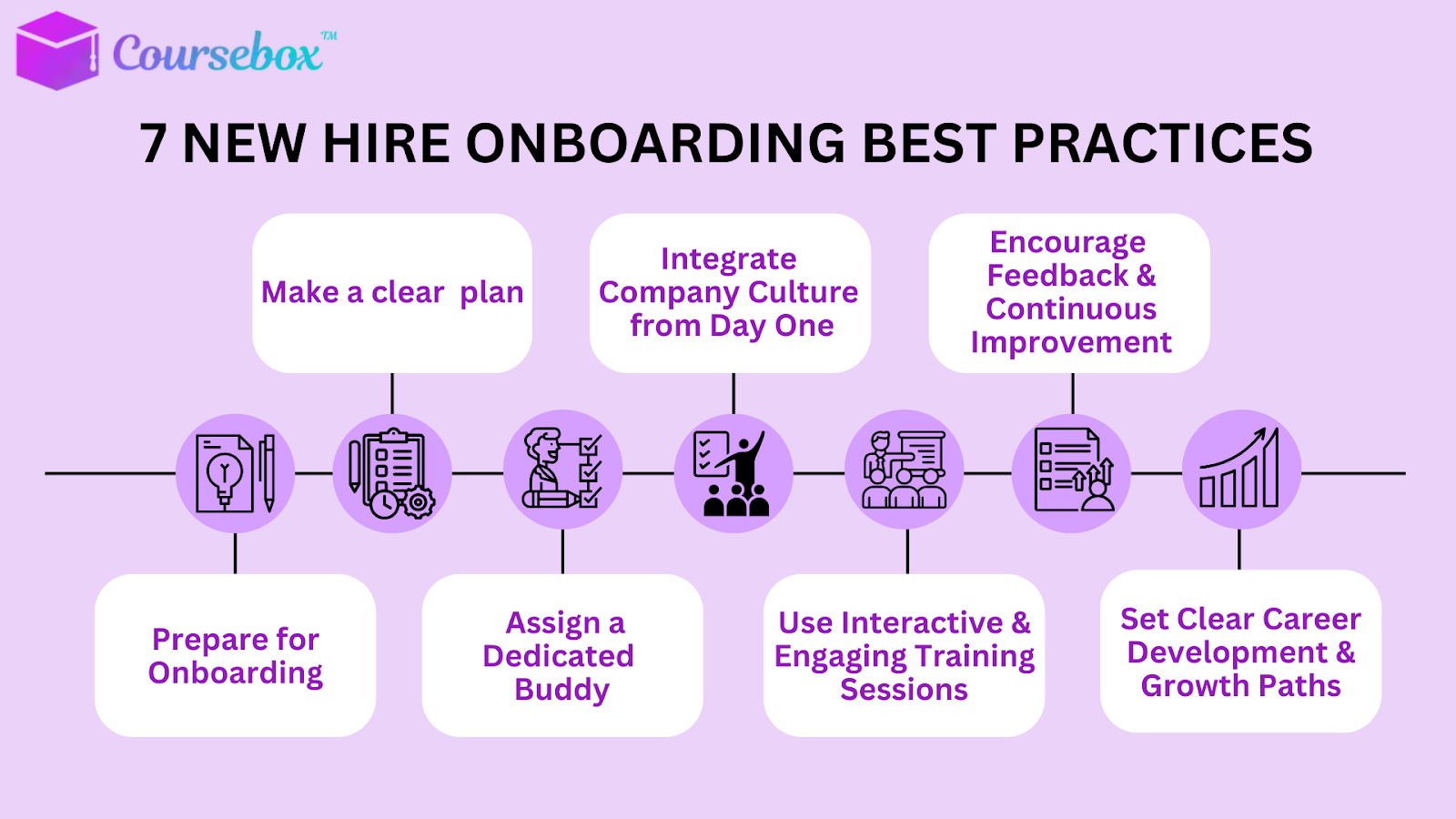
New Hire Training
Focuses on company culture, software, and product knowledge. Programs typically last four to six weeks. Regular check-ins ensure understanding and highlight areas for improvement.
In-House Training
Led by managers or skilled agents, in-house programs use company-specific materials. Tailoring sessions to internal processes and culture helps address weak points and improve performance.
Consultant Workshops
External experts deliver intensive sessions over several days. Workshops can inspire and engage, but lessons may be short-lived. Recording sessions ensure long-term access to insights.
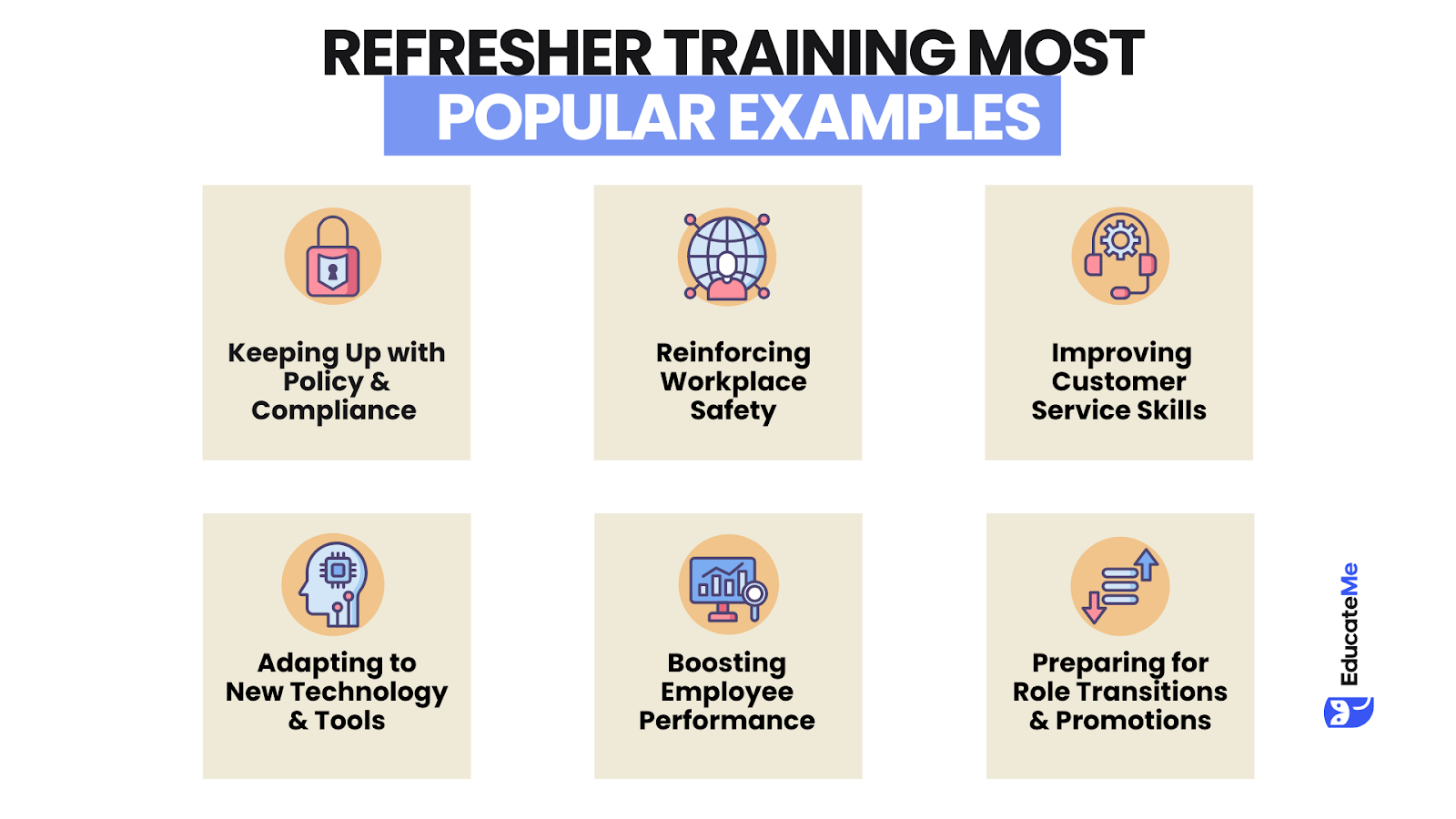
Refresher Training
Ongoing sessions keep skills sharp. Tenured staff can lead refresher courses, reinforcing knowledge while maintaining productivity.
Special Circumstance Training
Triggered by unique events, such as new product launches. These timely sessions help agents adapt quickly.
Key Skills to Cover
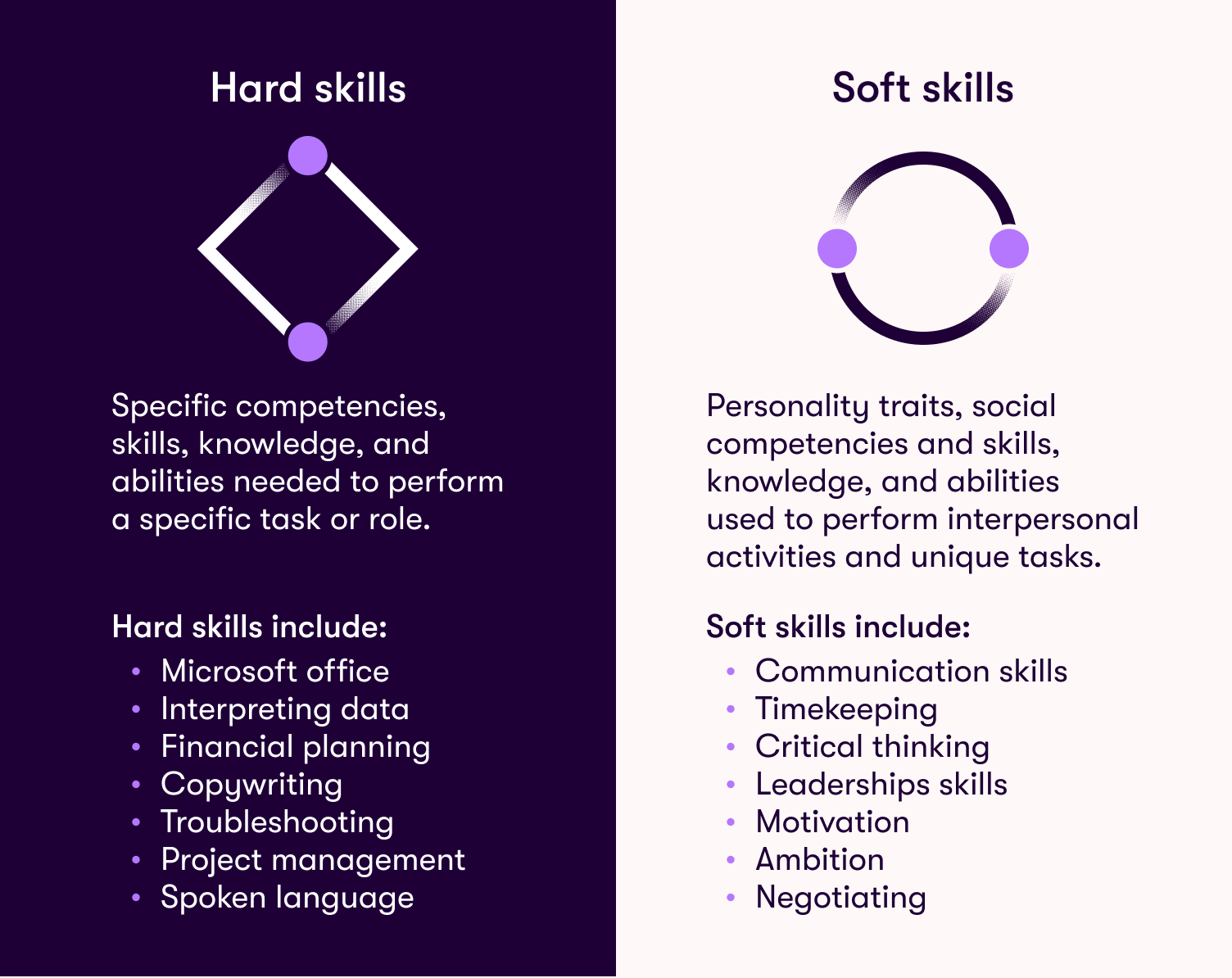
Training should include soft and hard skills.
- Soft skills: active listening, empathy, positivity, confidence, creativity, conflict resolution, and communication.
- Hard skills: product and process knowledge, technical proficiency, customer advocacy, and understanding company service philosophy.
Training Methods That Work
- Facilitated sessions guided by trainers.
- Role-playing customer interactions.
- Analyzing real-life case studies.
- Group discussions and peer learning.
- Gamification with quizzes, exercises, and rewards.
Leveraging AI in Training
AI-powered tools make training more efficient and engaging. Personalized programs adjust to each agent’s learning style. Real-time feedback improves tone, language, and accuracy. Simulated scenarios help agents practice safely, while AI-driven analytics highlight gaps and suggest improvements. Automated knowledge support reduces learning time.
Modern tools like Coursebox AI integrate these AI-driven strategies to create personalized learning paths, interactive simulations, and ongoing coaching. This helps agents build confidence quickly, improve performance, and strengthen customer experience.
Creating a Customer Service Training Program: Step-by-Step
Building a customer service training program starts with choosing the right methods and organizing resources. Teams can combine multiple approaches to suit goals, timeline, and budget.
Step 1: Choose the Right Type of Training
Let’s explore common types of training to help you decide which one is right for your needs.
Electronic Performance Support Systems (EPSS)
EPSS helps agents guide themselves through tasks and access information quickly. Pop-ups, icons, and multimedia content like videos, text, or images support learning on the job.
E-Learning
Online learning allows access anywhere with the internet. It may include structured courses, interactive modules, and quizzes. Programs that encourage participation and practice improve knowledge retention.
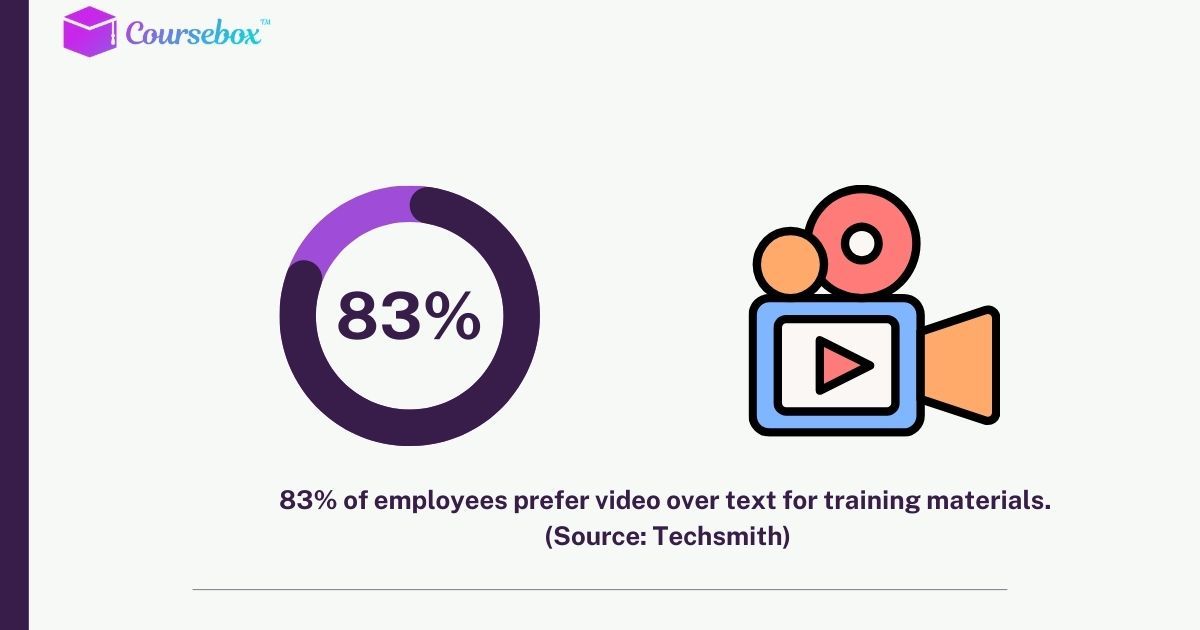
Instructor-Led Seminars or Workshops
Workshops allow discussion, problem-solving, and knowledge sharing. Success depends on the instructor and interaction level. Pure lectures without participation often fail to engage agents.
Webinars or Online Teacher-Led Sessions
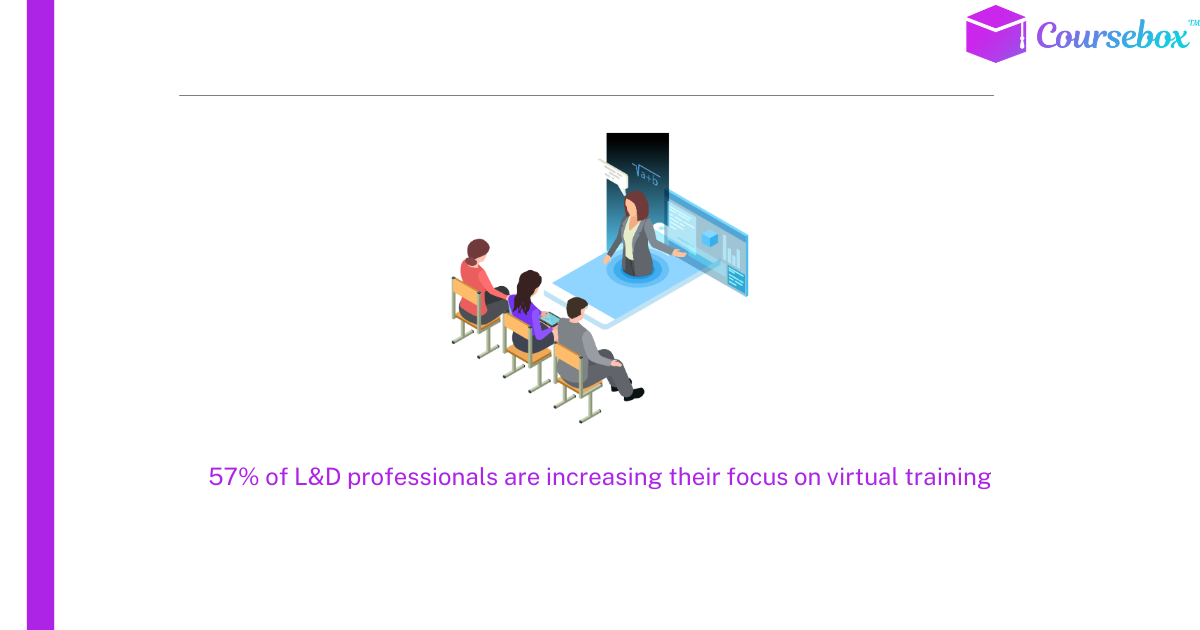
Webinars deliver knowledge through live or recorded video. Most sessions include demonstrations, slides, and opportunities for questions and discussion.
In-Person Team or Peer Training
Mentor programs, lunch-and-learns, role-playing, and small-group coaching help agents upskill and cross-train. Peer training also develops leadership and collaboration skills.
Step 2: Organize Assets and Gather Data
Start by collecting all necessary resources and understanding your team’s current capabilities.
- Form a small committee with representatives from various teams.
- Take inventory of resources: CRM systems, SOPs, internal guides, training materials.
- Collect current performance metrics, customer feedback, and team input on challenges.
- Conduct surveys to identify gaps in knowledge and skills. Separate responses from new hires and veteran staff for clarity.
- Analyze survey results to set clear training goals and priorities.
Step 3: Define Objectives and Learning Outcomes
Clarify what each agent should know and be able to do after training.
- Identify key skills each agent needs, including product knowledge, communication, conflict resolution, and technical tools.
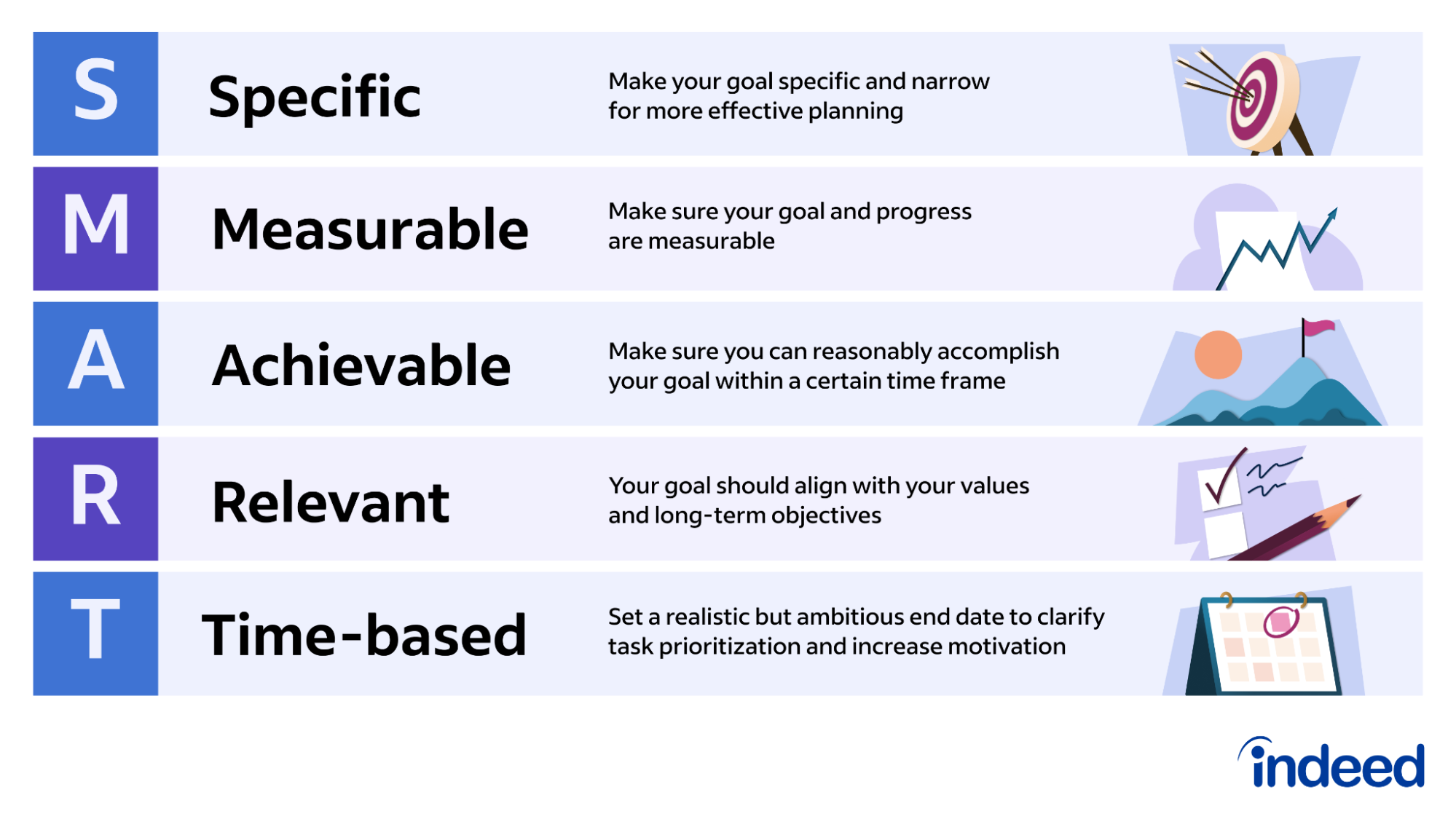
- Define measurable outcomes such as faster response time, higher CSAT scores, or fewer escalations.
- Align training goals with overall customer experience and business objectives.
- Document learning objectives clearly to guide program structure.
Step 4: Leverage AI for Smarter Training
Coursebox AI brings together powerful, modern tools to build effective and engaging training programs:
AI Course Creator
Automatically build courses from existing content or outlines, saving time and making onboarding faster.
AI LMS
Manage, deliver, and track all training centrally, ensuring consistency and easy access.
AI Training Video Generator
Turn scripts or text into training videos quickly, ideal for visual learners and remote staff.
AI Quiz Generator
Generate quizzes automatically to test knowledge retention after lessons.
AI Grading
Automatically evaluate quiz results or assignments, giving instant feedback and freeing trainers from manual grading.
AI Tutor Chatbot
Offers 24/7 support and guidance to agents, answering questions or guiding them through lessons as needed.
Social Learning
Enable peer interaction, knowledge sharing, and discussion among agents for collaborative learning.
SCORM support
Ensure compatibility with standard e‑learning formats for smooth course export/import across systems.
Integrations
Connect with CRM, support tools, or other platforms so training fits into daily workflows.
AI Visuals
Create custom images or interactive elements to make training content more engaging and realistic.
AI Rubrics
Provide standardized evaluation criteria for assignments or role‑play exercises to ensure fair and clear assessments.
Step 5: Create or Curate Training Content
Prepare engaging materials that teach skills effectively and reflect real-world scenarios.
- Develop materials, like manuals, videos, templates, and guides.
- Include real-life scenarios, customer examples, and role-playing exercises.
- Update content regularly to reflect changes in processes, products, or customer expectations.
- Organize content in a single, easy-to-access location.
Step 6: Assign Roles and Responsibilities
Decide who will lead, mentor, and support training activities to ensure accountability.
- Determine who will lead sessions, mentor others, and monitor progress.
- Assign experienced staff or managers to coach new hires.
- Encourage peer-to-peer learning and mentoring for ongoing skill reinforcement.
Step 7: Implement the Training Program
Put the training into action in a structured, manageable way for all staff.
- Roll out training in phases. Start with new hires, then expand to current staff.
- Schedule sessions to minimize disruption to daily operations.
- Encourage active participation, questions, and hands-on practice.
Step 8: Monitor and Evaluate Progress
Check performance and gather feedback to measure learning effectiveness.
- Track performance metrics before, during, and after training.
- Conduct surveys, quizzes, or tests to assess knowledge retention.
- Gather feedback from agents about content clarity, usefulness, and engagement.
- Adjust the program based on results, focusing on weak areas or learning gaps.
Step 9: Maintain Ongoing Development
Keep training continuous with updates, refreshers, and new learning opportunities.
- Offer refresher sessions, updates, and new modules regularly.
- Rotate peer mentors to strengthen skills and knowledge sharing.
- Encourage agents to explore new content, share insights, and practice skills continuously.
- Use AI tools like Coursebox AI to track long-term progress and recommend next steps for each agent.
Step 10: Review and Optimize
Regularly assess the program and make improvements to stay effective and relevant.
- Periodically review program effectiveness against business goals and KPIs.
- Update training content, methods, or delivery formats as needed.
- Incorporate new learning technologies, feedback, and evolving customer needs to keep the program relevant.
Boost Your Customer Service Training with Coursebox AI
Customer service training should grow as your customers and business change. Skilled agents make work easier, customers happier, and loyalty stronger, creating a payoff for the whole company.
Use tools like Coursebox AI to simplify learning and help your team improve faster. Start your training program today for better service and happier customers.
FAQs
What training for customer service?
Customer service training includes onboarding, soft skills, product knowledge, technical tool use, role-playing, and refresher courses. Blending workshops, e-learning, peer mentoring, and AI-driven tools like Coursebox AI helps agents handle customers efficiently and improve satisfaction.
What are the 7 principles of customer service?
The 7 principles are listening, understanding, responding quickly, showing empathy, providing accurate information, exceeding expectations, and following up. Applying these principles builds trust, loyalty, and strong customer relationships.
What is the 10-5-3 rule in customer service?
The 10-5-3 rule guides customer engagement: greet customers within 10 feet, make eye contact within 5 feet, and start a conversation within 3 feet. It creates a friendly, proactive, and attentive service experience.
What are the 7 R's of customer service?
The 7 R’s include the right product, right quantity, right condition, right time, right place, right price, and right customer. Meeting these ensures reliable service, satisfied customers, and efficient operations.
What are the 4 basics of customer service?
The four basics are listening, empathy, responsiveness, and problem-solving. Mastering these skills enables agents to meet customer needs, resolve issues quickly, and create positive experiences that encourage loyalty.
Which course is best for customer service?
The best course depends on the team's needs. Look for training covering communication, conflict resolution, product knowledge, and soft skills. AI-powered platforms like Coursebox AI provide interactive, personalized learning paths and track progress for measurable results.
What are the 5 A's of customer service?
The 5 A’s are Acknowledge, Accept, Apologize, Act, and Assure. Following this framework helps agents manage complaints, resolve issues effectively, and leave customers satisfied with the experience.
What are the 7 essentials of excellent customer service?
The seven essentials are responsiveness, reliability, empathy, communication, product knowledge, problem-solving, and consistency. Focusing on these areas ensures high-quality service, satisfied customers, and a stronger business reputation.
What are the 5 most important things in customer service?
The five key elements are listening, empathy, clear communication, timely resolution, and product knowledge. Excelling in these helps agents address needs efficiently and deliver a positive, memorable customer experience.
Alex Hey
Digital marketing manager and growth expert

