

Create a Communication Training Program That Works in 7 Easy Steps
Communication training improves listening, speaking, and collaboration. Learn easy ways to build stronger communication at work.


Set up your branded LMS and deliver training with AI
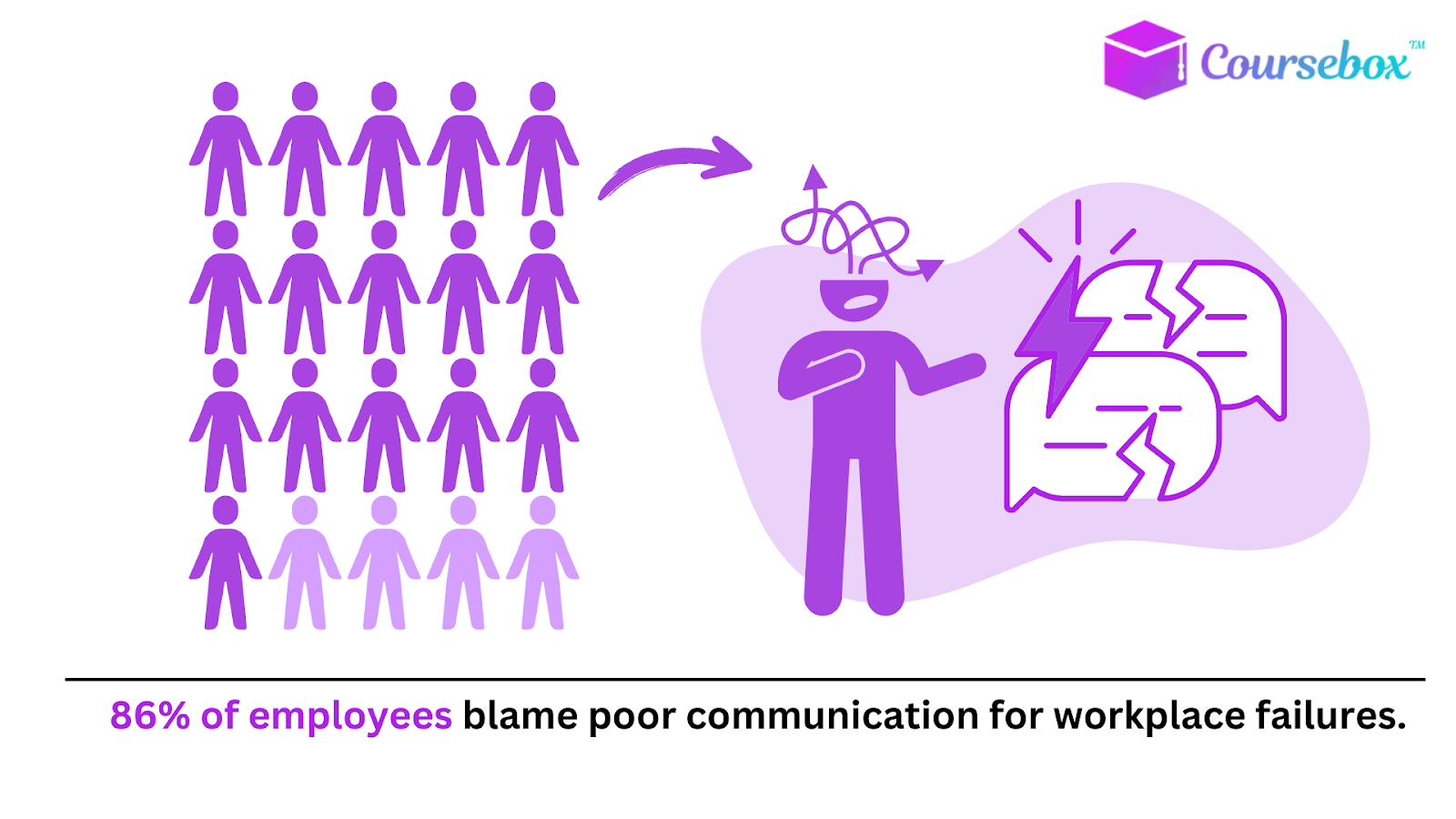
Misunderstandings happen in every workplace. You might explain a task clearly, only to find it was misinterpreted. Or receive instructions that leave you unsure of the next step. Even conflict resolution depends on strong communication skills.
Good communication strengthens teamwork, builds trust, and supports a healthy workplace culture. While some people seem naturally skilled, anyone can improve with practice, consistent training, and the right environment.
In this article, you’ll learn how communication training can help you develop essential skills, reduce misunderstandings, and communicate with confidence at work.
What is Communication Training and Why Does it Matter?
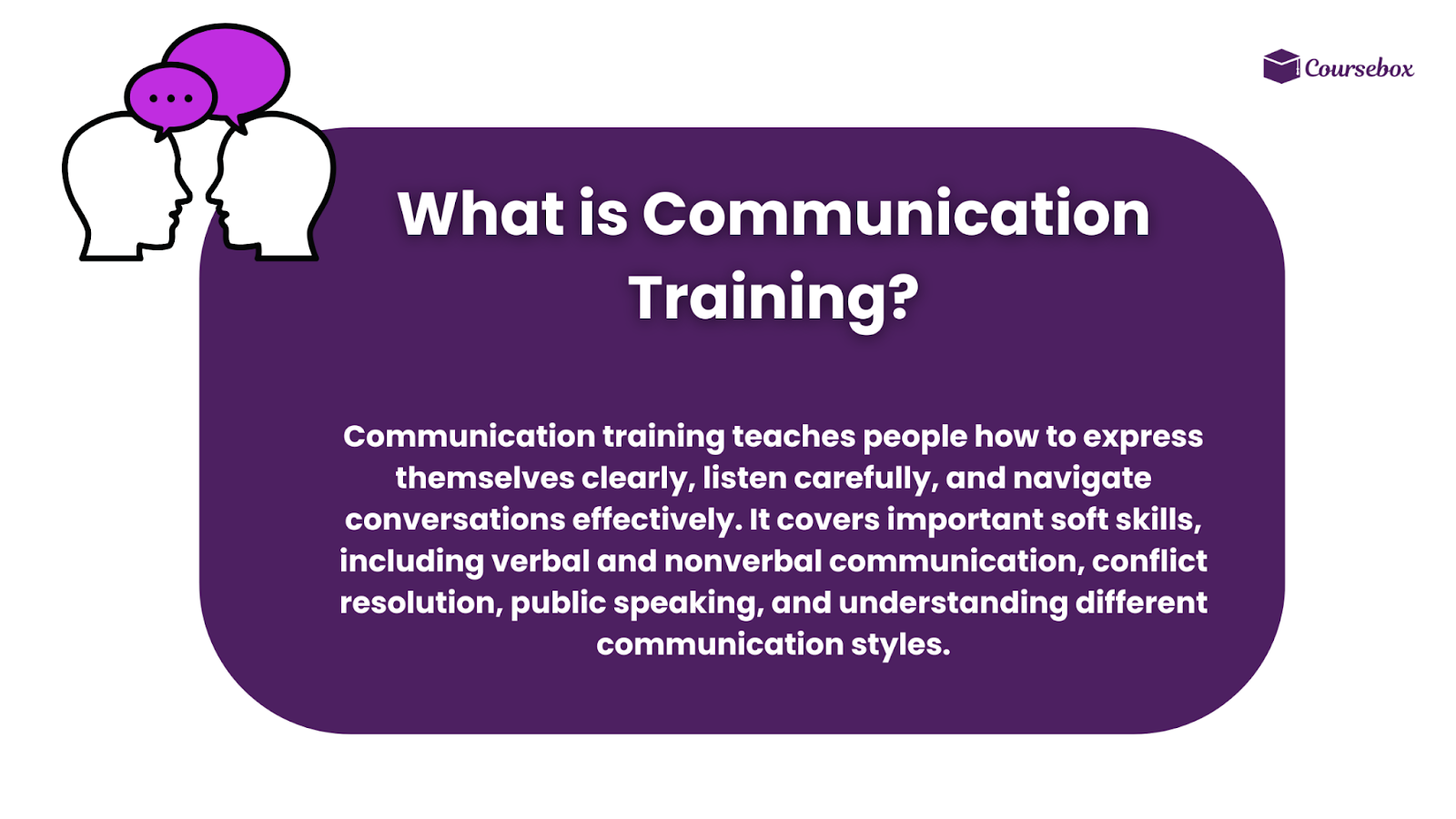
Communication training teaches people how to express themselves clearly, listen carefully, and navigate conversations effectively. It covers important soft skills, including verbal and nonverbal communication, conflict resolution, public speaking, and understanding different communication styles.
Why Communication Skills Matter
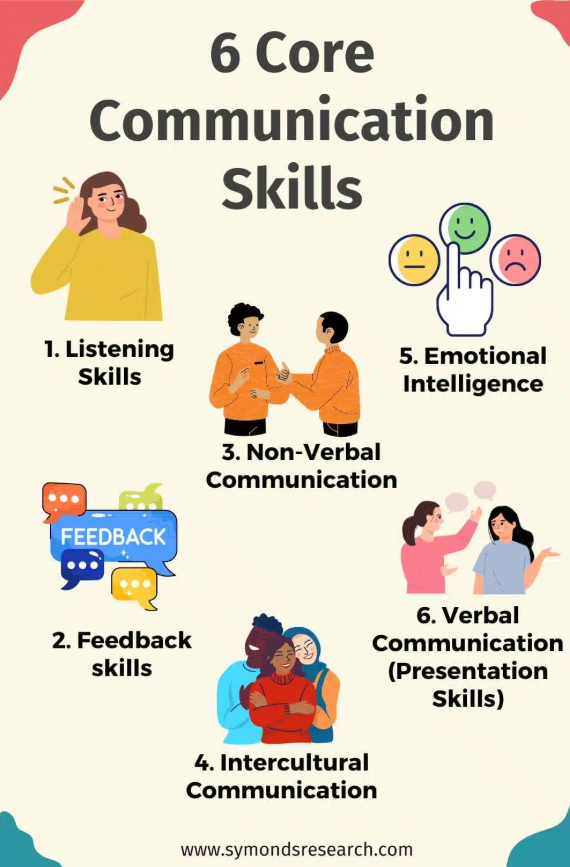
Strong communication isn’t just a “nice-to-have” skill. It directly affects teamwork, leadership, problem-solving, and workplace culture. Employees who communicate well can:
- Reduce misunderstandings
- Build trust with colleagues
- Resolve conflicts faster
- Collaborate more efficiently
For organizations, this leads to smoother operations, better customer service, and higher productivity.
Personal Benefits of Communication Training
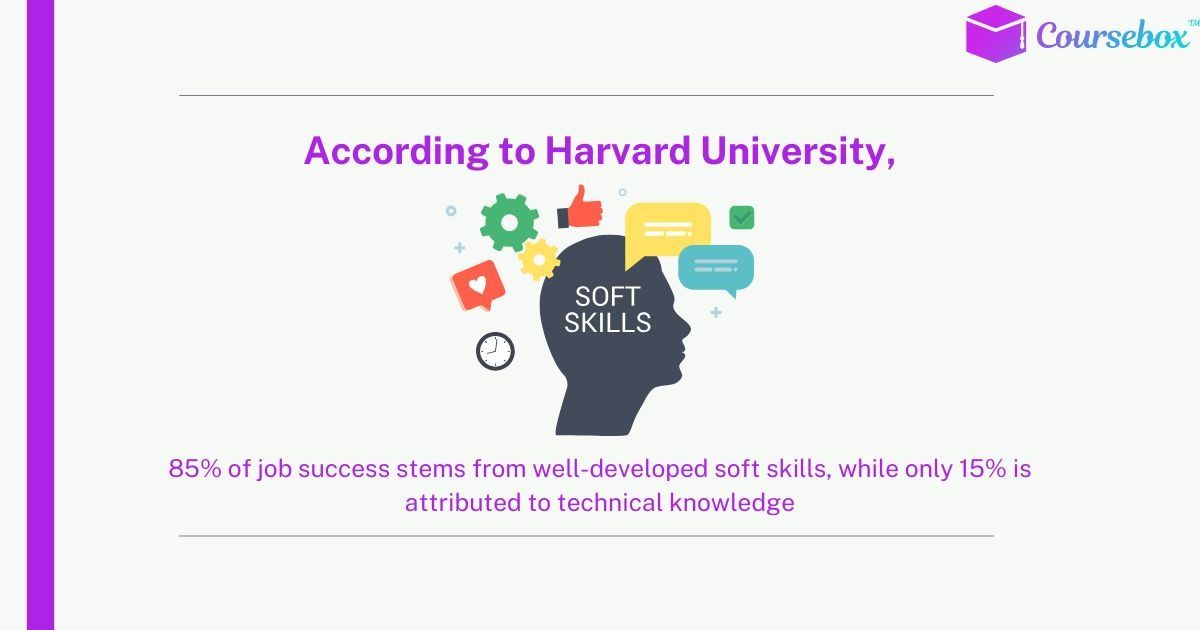
Communication training also supports personal growth. Soft skills like active listening, reading body language, and negotiating improve confidence, decision-making, and influence. With consistent practice and the right tools, anyone can strengthen these skills and turn natural talent into repeatable results.
How Coursebox AI Helps
Coursebox AI makes communication training more engaging and practical. Teams can:
- Create interactive scenario-based videos
- Simulate real conversations
- Add AI-generated voiceovers and subtitles
- Include quizzes or feedback loops for practice
This approach lets employees practice communication in realistic situations, improving learning and knowledge retention while saving time on production.
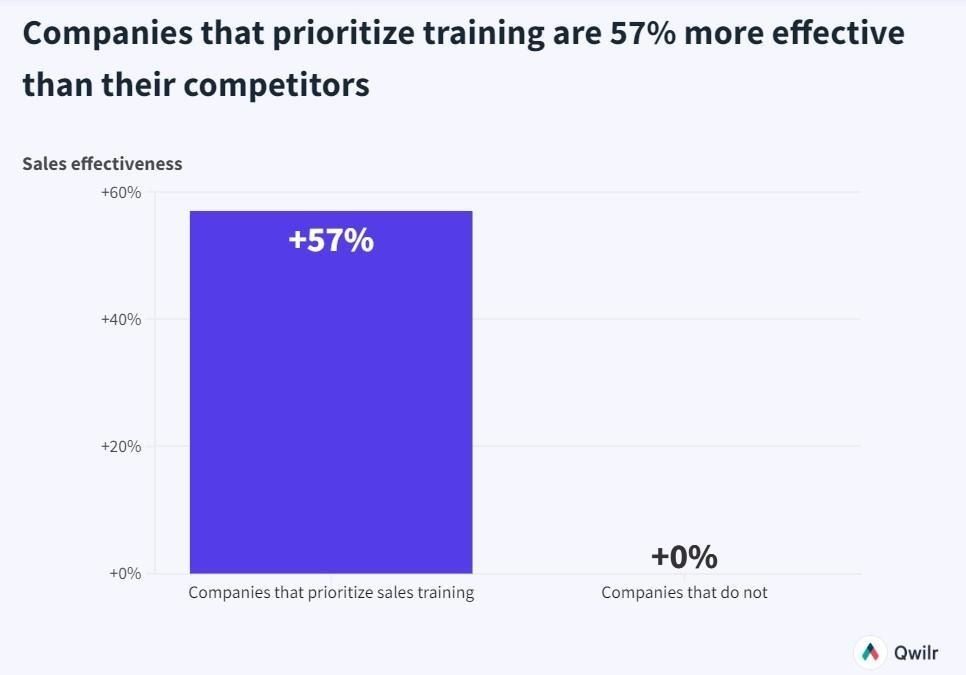
Creating a Communication Training Program: Step-by-Step
Building a strong communication training program helps employees share ideas clearly, listen actively, and collaborate better. Good communication improves teamwork, reduces conflicts, and supports a positive workplace culture.
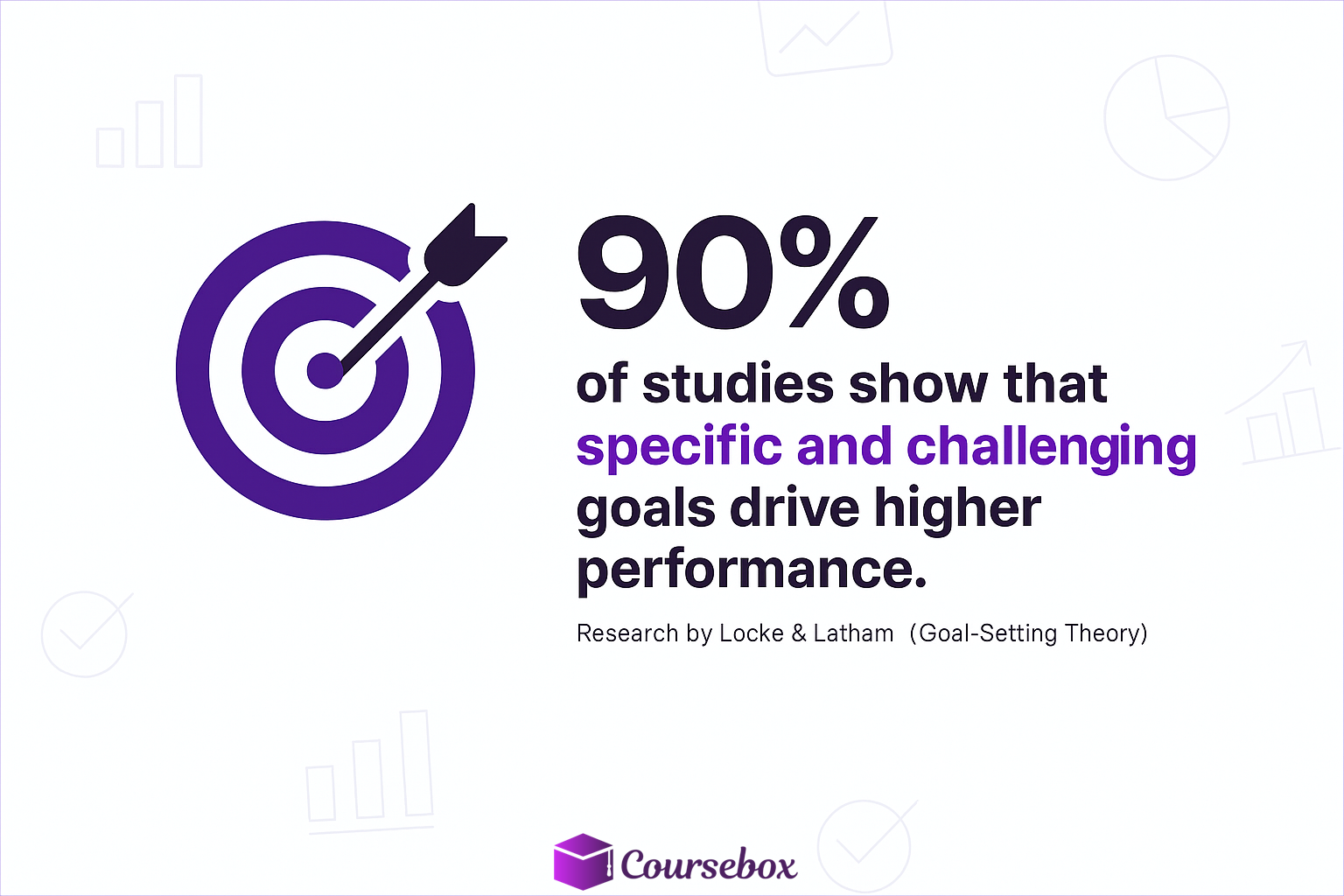
1. Define Training Goals and Audience
Start by identifying what your organization needs from communication training. Consider questions like:
- Are employees struggling with internal collaboration?
- Do managers need to improve feedback or coaching skills?
- Is client-facing communication a priority?
Segment your audience by role, experience, or department. This ensures training is relevant and actionable.
Expert Tip: Platforms like Coursebox AI can assist by analyzing employee roles and learning needs to help shape focused training plans.
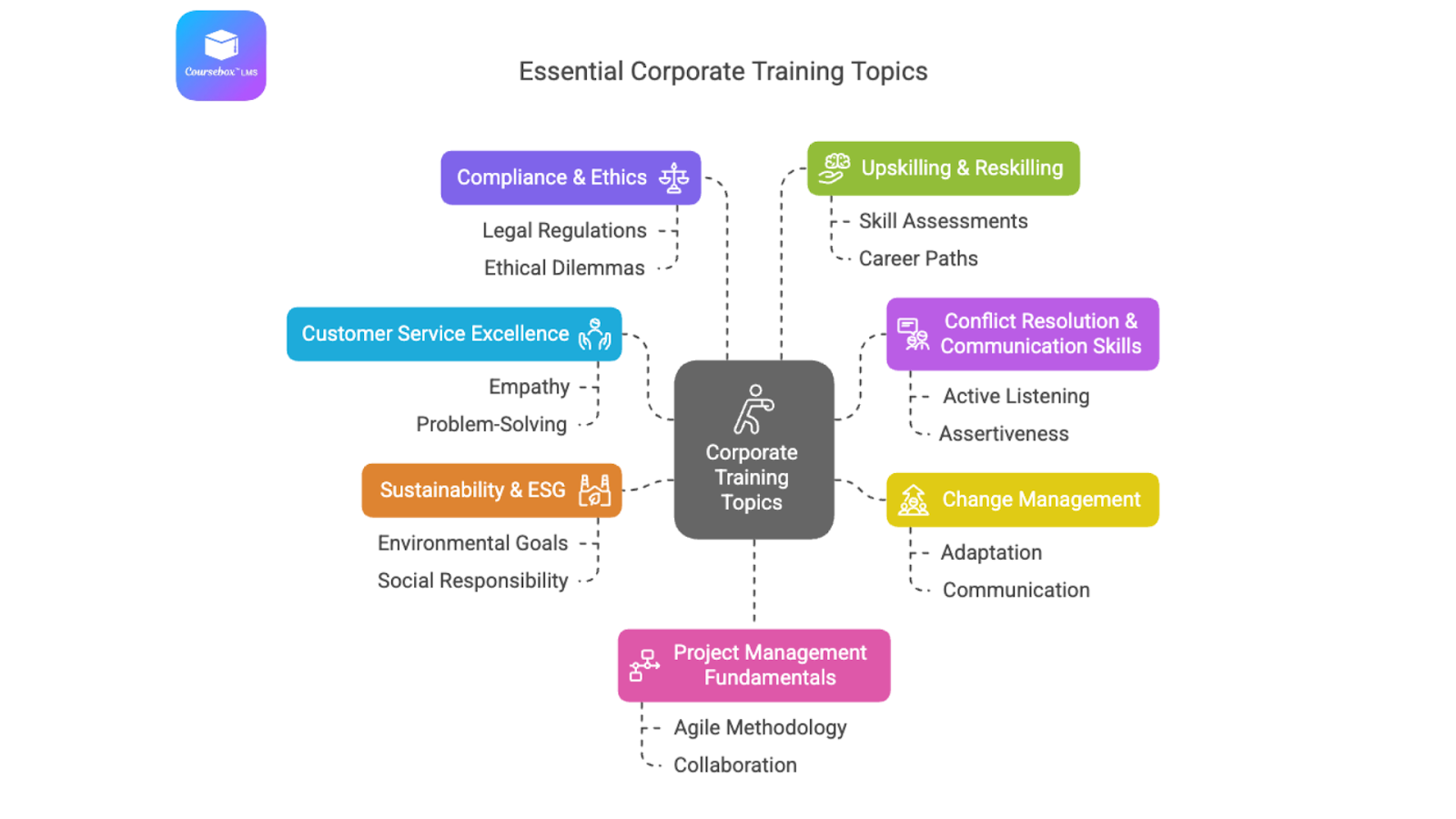
2. Select Key Training Topics
Effective communication covers multiple skills. Focus on areas that make the biggest impact:
- Active Listening: Teach employees to listen to understand, not just respond.
- Written Communication: Professional emails, reports, and messages.
- Verbal Communication: Speaking clearly and confidently with the right tone.
- Nonverbal Cues: Body language, posture, and facial expressions.
- Feedback Skills: Giving and receiving constructive feedback.
- Cultural Awareness: Interacting effectively with diverse teams.
- Public Speaking & Presentations: Engaging internal and external audiences.
Coursebox AI can help create content for these training topics, including scenario-based videos and interactive quizzes to reinforce learning.
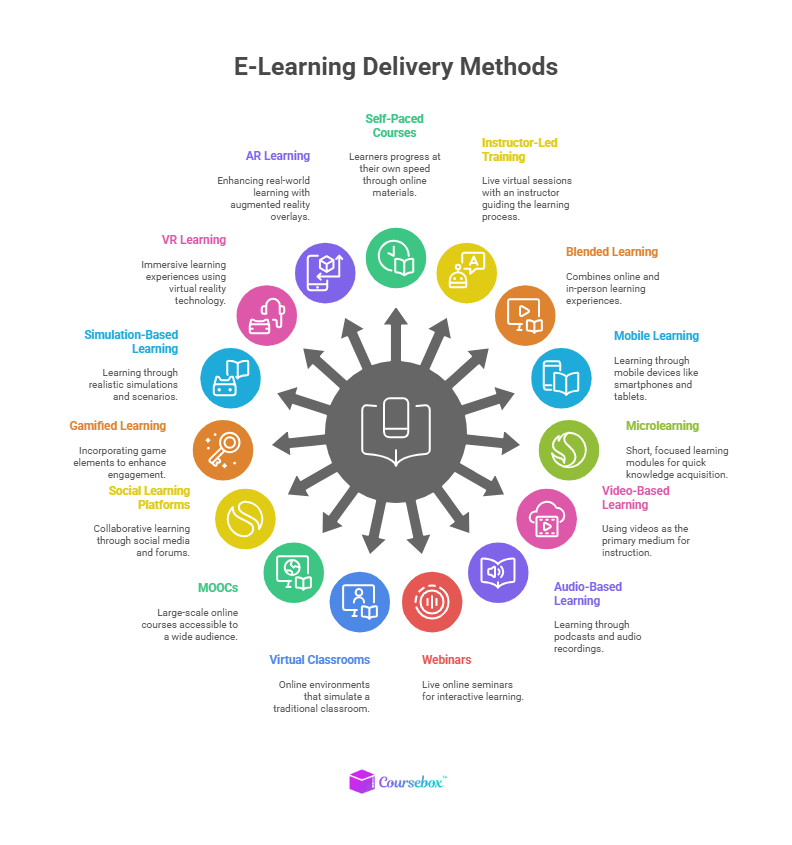
3. Design Engaging Training Formats
Practical application is key. Mix formats to keep learners engaged:
- AI-Generated Videos: Avatars deliver scripts with voiceovers, ideal for role-playing or teaching communication techniques.
- Interactive Quizzes: Test knowledge and track understanding.
- Self-Paced Modules: Let employees learn asynchronously at their own pace.
4. Emphasize Practice and Behavior Change
Communication is a skill that grows with practice:
- Include exercises for active listening, giving feedback, or handling difficult conversations.
- Simulate real-world situations like client calls, team meetings, or presentations.
- Encourage reflection and peer feedback to reinforce learning.
5. Track Learning and Measure Success
Monitoring progress ensures your training is effective:
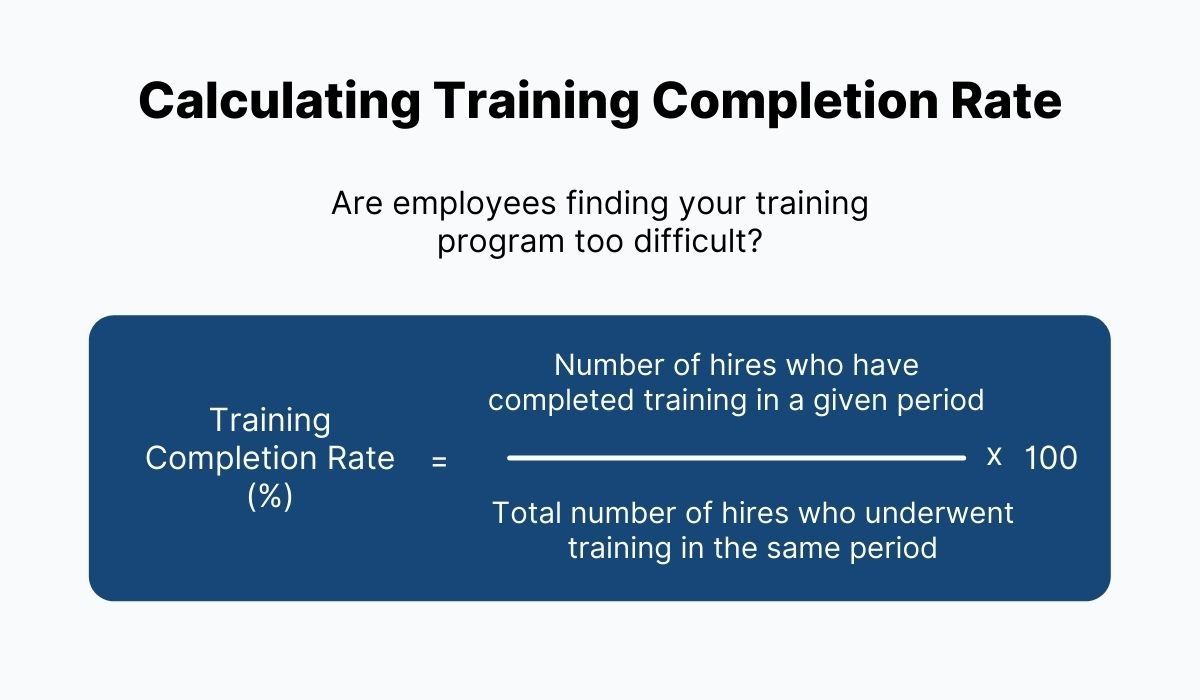
- Track completion rates, quiz scores, and engagement metrics.
- Assess skill improvements through practical exercises and feedback.
- Identify areas where additional support is needed.
6. Connect Training to Real Work
To maximize impact:
- Link lessons to company policies, handbooks, or standard procedures.
- Reinforce learning in team meetings, emails, or client interactions.
- Encourage managers to model effective communication behaviors.
7. Maintain Consistency and Continuous Learning
Communication skills develop over time with ongoing practice:
- Schedule refresher sessions or microlearning updates.
- Introduce new scenarios or challenges relevant to current workflows.
- Foster a culture where learning and feedback are continuous.
Free Communication Training Exercises
Use these short activities to improve clarity, listening, and teamwork. Each one builds practical communication skills through simple, hands-on practice.
1. Two Truths and a Lie (Communication Version)
- Time: 10–15 minutes
- Group Size: 4–10
- Skill Focus: Tone control, confidence, observation
How it works: Each person shares two true statements and one lie. Others guess which statement hides the lie. Participants use expression, pacing, or tone to guide or mislead the group.
A Quick Tip: Notice how small shifts in voice or body language change the meaning more than words alone.
2. Clarifying Questions Practice
- Time: 10–15 minutes
- Group Size: Pairs
- Skill Focus: Listening for detail, reducing assumptions
How it works: One person explains a simple process. The listener asks only clarifying questions. No guessing, no filling gaps, no offering different steps. Switch roles after a few minutes.
3. Verbal vs Non-Verbal Challenge
- Time: 15–20 minutes
- Group Size: 6–12
- Skill Focus: Instruction clarity, body language awareness
How it works:
- Round one: verbal instructions only.
- Round two: gestures only.
Use simple tasks like drawing shapes or arranging objects. Compare outcomes.
4. Paraphrasing Game
- Time: 10 minutes
- Group Size: Pairs
- Skill Focus: Accurate listening, summarizing
How it works: Person A shares a short scenario. Person B restates the message using fresh wording. Switch roles and repeat.
5. Communication Chain
- Time: 10–12 minutes
- Group Size: 6–15
- Skill Focus: Information accuracy, message clarity
How it works: Pass a short work-related message through a line of people. The last person states it out loud. Compare it with the original version.
6. Role Swap: Manager & Employee
- Time: 15–20 minutes
- Group Size: Pairs or Trios
- Skill Focus: Empathy, upward feedback, tone awareness
How it works: Pick a workplace scenario like performance feedback. Run it once in normal roles, then switch roles. Reflect afterward.
7. The Drawing Instructions Game
- Time: 10–15 minutes
- Group Size: Pairs
- Skill Focus: Clear instructions, precise listening
How it works: One person describes a simple image without showing it. The partner draws it using only the spoken description. Compare outcomes.
8. Active Listening Roleplay
- Time: 15 minutes
- Group Size: Pairs or Small Groups
- Skill Focus: Empathy, questioning, emotional awareness
How it works: Choose a short conflict or miscommunication scenario. One person speaks, the other listens using paraphrasing, nodding, and clarifying questions. Swap roles.
9. Email vs In-Person Challenge
- Time: 10–15 minutes
- Group Size: Pairs
- Skill Focus: Tone selection, medium choice
How it works: Give both participants the same message. One delivers it as a professional email, the other delivers it in person. Compare how each version feels and where confusion might appear.
10. The Mute Problem Solver
- Time: 15–20 minutes
- Group Size: Pairs or Small Groups
- Skill Focus: Non-verbal expression, problem-solving
How it works: One person negotiates or solves a fictional workplace issue without speaking. Only gestures or facial expressions are allowed. Switch roles and reflect.
Supercharge Your Communication Training with Coursebox AI
Strong communication creates smoother teamwork, fewer misunderstandings, and a more supportive workplace. When people know how to express ideas clearly and handle conversations confidently, everyone performs better.
If you want a simple way to build communication training that fits your goals, Coursebox AI helps you turn your content into a ready-to-use course fast. Upload your materials, customize the structure, and launch training without extra complexity.
Start improving communication across your team today. Explore Coursebox AI and create your training program now.
FAQs
What are the 5 basic communication skills?
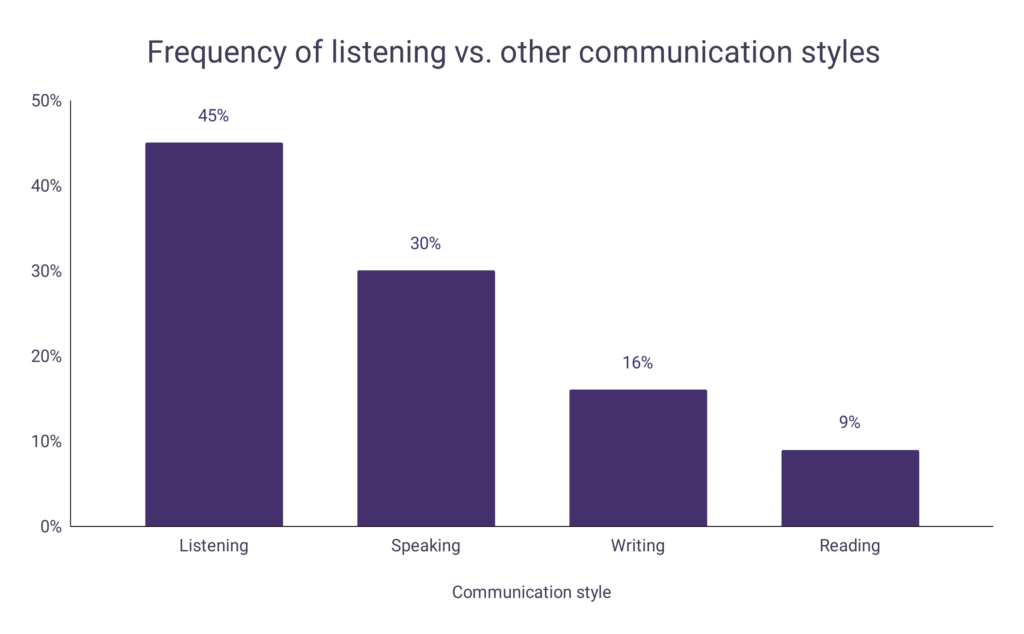
The five basic communication skills include listening, speaking, reading, writing, and non-verbal communication. These skills help people understand information, express ideas clearly, and build stronger workplace relationships. Improving all five creates smoother teamwork and reduces misunderstandings in daily tasks.
What are the 7 C's of communication?
The 7 C’s of communication include clear, concise, concrete, correct, coherent, complete, and courteous messages. These principles guide people to express ideas in a way that is easy to understand and harder to misinterpret, especially in busy workplace settings.
How can I teach myself to communicate?
You can teach yourself to communicate by practising active listening, speaking with intention, asking clarifying questions, and getting feedback from others. Simple daily habits such as summarising key points and slowing down before responding improve confidence and workplace communication over time.
What are the 4 types of communication skills?
The four types of communication skills include verbal, non-verbal, written, and visual communication. Each type helps people share information in different situations, from meetings to reports to presentations. Building all four creates a stronger understanding and smoother collaboration at work.
What is the 3/2/1 method of talking?
The 3/2/1 method of talking involves sharing three key points, summarising them in two short sentences, and ending with one main takeaway. This simple structure helps people communicate clearly, stay focused, and reduce confusion during meetings or presentations.
Alex Hey
Digital marketing manager and growth expert

