

10 Best Docebo Alternatives in 2026
Docebo offers advanced learning tools, but high costs and complexity drive businesses toward Docebo alternatives. Discover modern LMS platforms built for flexibility and ease of use.


Run your own branded LMS with unlimited learners
When it comes to learning management systems, a few platforms tend to dominate the conversation. Docebo is often one of them. It’s well-established, feature-rich, and trusted by many organizations. Still, popularity doesn’t always equal the right fit. For some teams, the cost feels restrictive. For others, the platform’s complexity or lack of flexibility becomes a hurdle as training needs evolve.
That’s why we’ve curated a list of the best Docebo alternatives, including modern AI-powered tools. These platforms provide smarter ways to create, manage, and scale learning programs without unnecessary complexity.
What is Docebo?
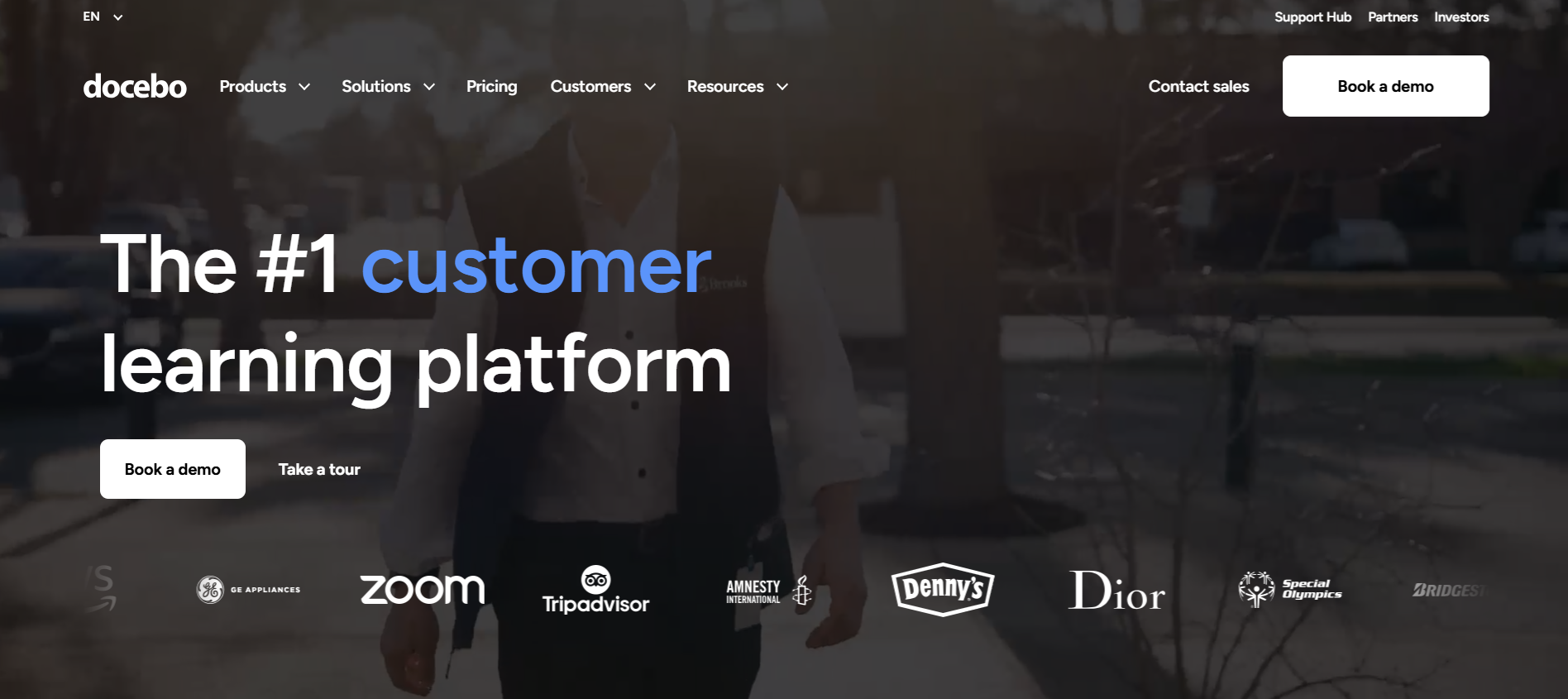
Docebo is a cloud-based LMS trusted by organizations worldwide. It helps teams deliver online training, manage courses, track learner progress, and report performance. The platform supports instructor-led, self-paced, and blended learning, making it versatile for different training needs.
While Docebo includes advanced features like AI-powered learning suggestions, social learning, and integrations with business tools, some users find the interface complex and the cost higher than other LMS options. Overall, it’s a solid choice for large teams seeking a feature-rich learning platform.
Why Explore Docebo Alternatives
Many organizations start looking for alternatives when Docebo no longer fits their goals. High costs, complex workflows, and feature overload often drive the search.
1. High Pricing for Growing Teams
Docebo’s plans can be expensive for small or mid-sized organizations. Many teams look for alternatives that deliver essential features at a lower cost.
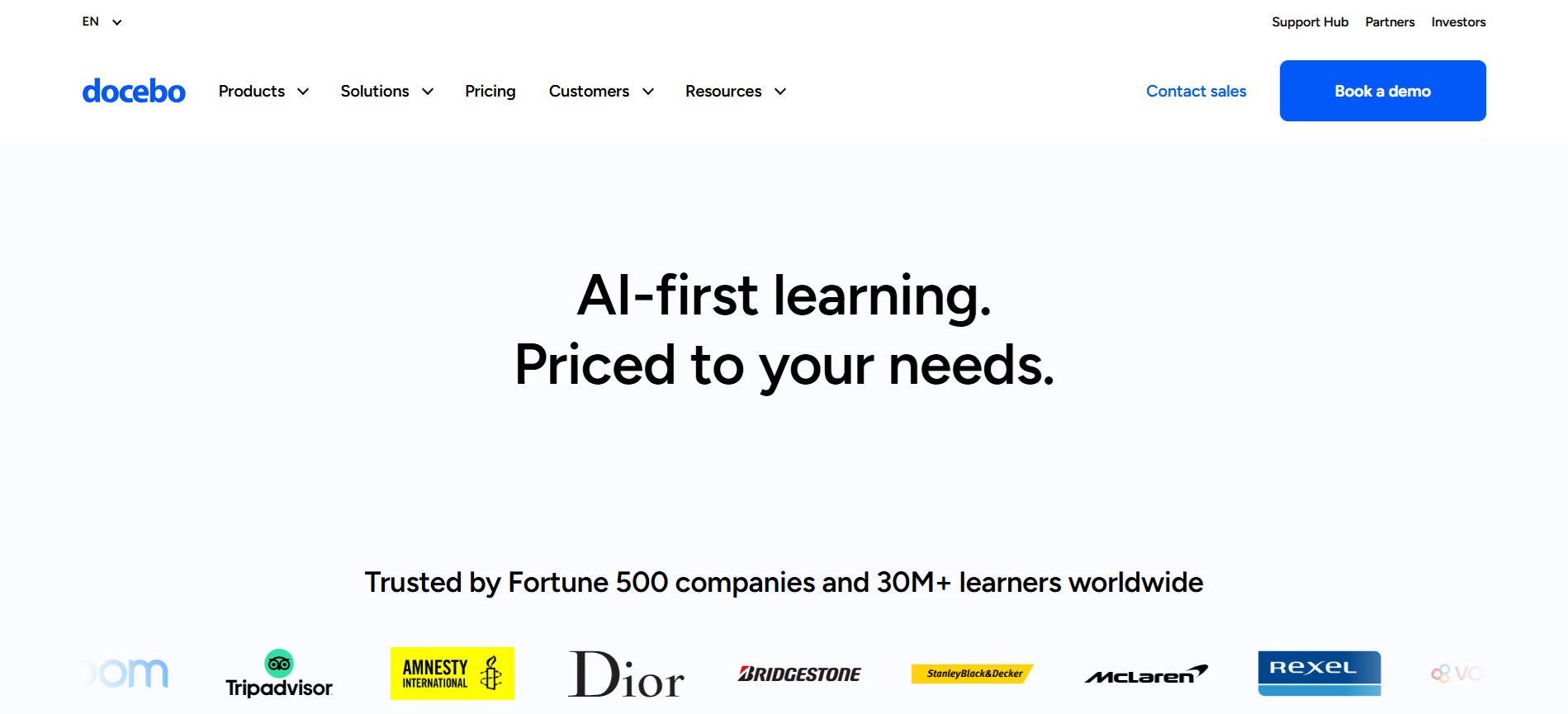
Pro Tip: Comparing LMS prices can help make the right choice for both your team and wallet.
2. Steep Learning Curve
The platform offers many tools, but learning to use them effectively can take time. Teams often want something more intuitive.
3. Limited Flexibility
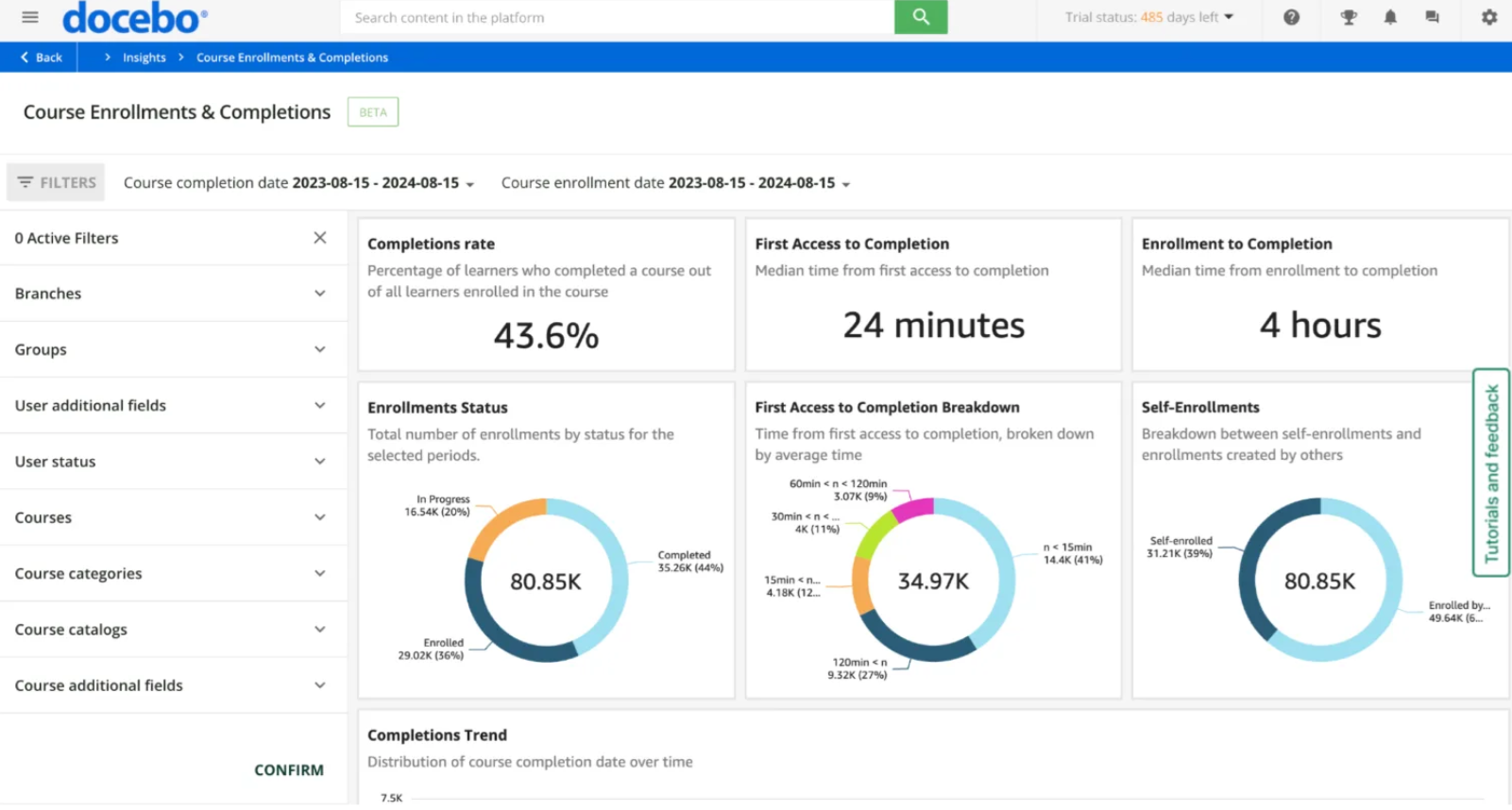
Some users feel constrained by rigid workflows or reporting structures. Alternatives may offer simpler setup, better customization, or faster content deployment.
4. Feature Overload
Docebo packs many tools into one system, but not all teams need every feature. Streamlined alternatives can remove distractions and focus on what matters most.
Full Disclosure: This blog is owned and operated by Coursebox. While we include ourselves in this list because we believe in our platform, we've provided an objective breakdown of features to help you choose the best fit.
Best Docebo Alternatives: Our Top 10 Picks
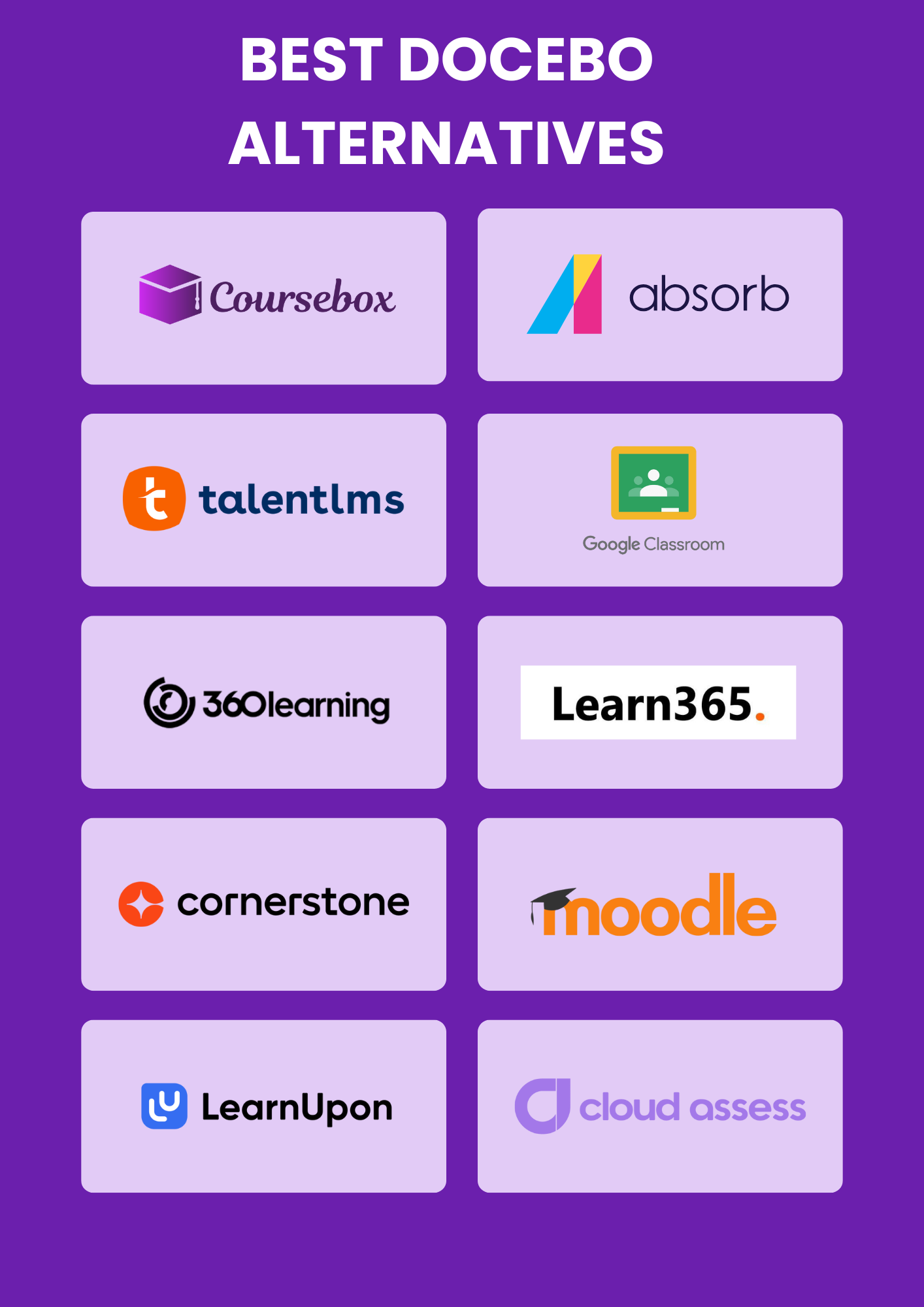
Here’s a breakdown of some of the greatest Docebo alternatives:
1. Absorb LMS
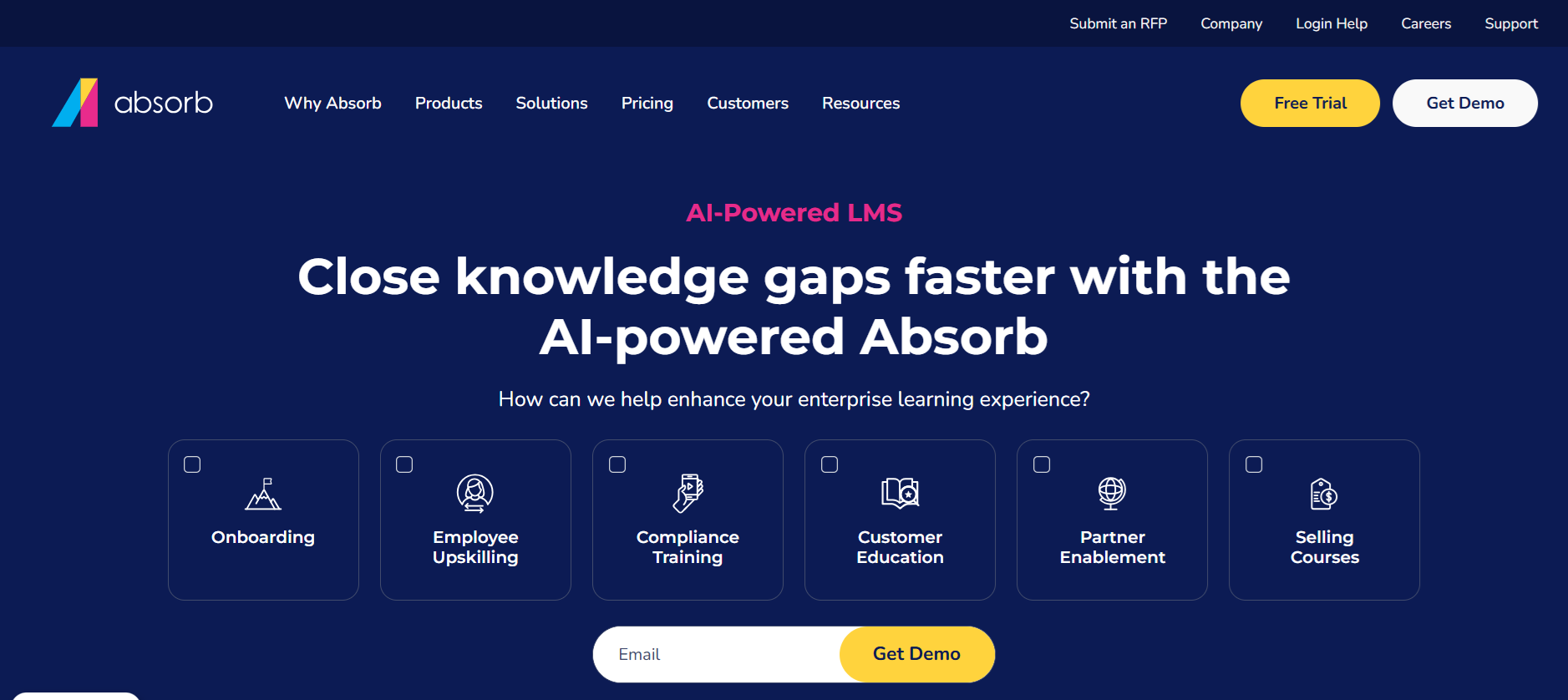
Absorb LMS combines a sleek design with powerful learning management tools, making it a top choice for businesses seeking simplicity without sacrificing features.
Teams, customers, and partners enjoy a smooth learning experience thanks to an intuitive interface and flexible course customization. Gamification boosts engagement, while detailed reporting provides insights into learner performance. Responsive support ensures quick issue resolution.
Compared with Docebo, Absorb LMS offers a more straightforward experience with easier setup, making it ideal for small to mid-sized organizations or teams looking to implement training fast without complexity. Pricing leans higher, but value matches functionality.
Key Features:
- Intuitive, modern interface for seamless navigation
- Flexible course customization to match unique needs
- Detailed reporting for actionable insights on learning outcomes
- Gamification elements that increase learner engagement
- Responsive support team for quick assistance
2. TalentLMS
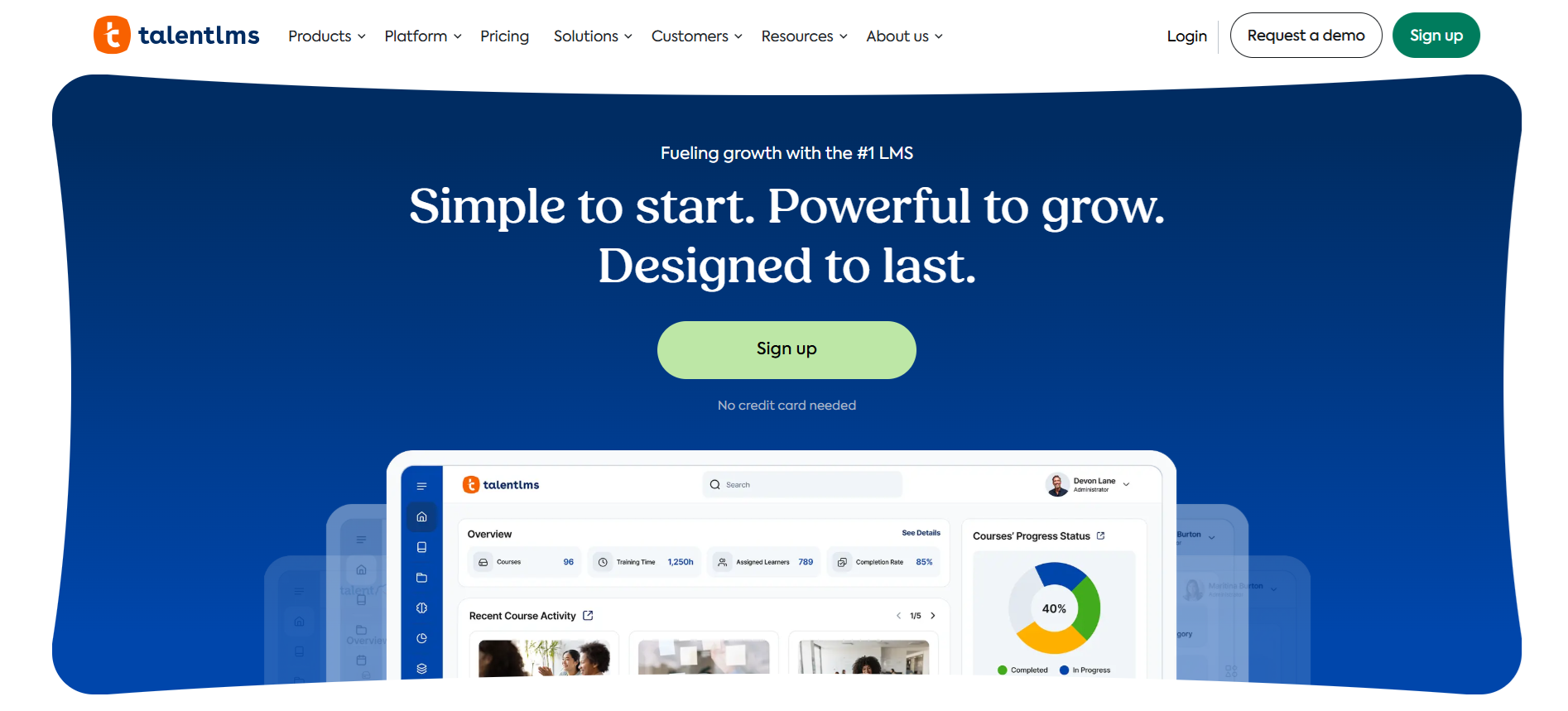
TalentLMS proves that effective learning doesn’t require complexity. Small teams, growing businesses, and large enterprises can deliver training quickly thanks to a streamlined platform focused on usability and engagement. From onboarding new hires to upskilling experienced staff, courses launch fast without sacrificing quality. Gamification keeps learners motivated, while ready-to-use features reduce setup time.
Compared with Docebo, TalentLMS offers a simpler, more budget-friendly solution, making it ideal for organizations that need a quick, reliable, and flexible LMS. A free plan lets teams test core functionality before scaling.
Key Features:
- Graphical course builder for effortless learning path creation
- Gamification tools to motivate and retain learners
- Ready-to-use platform with no extra add-ons needed
- Flexible plans for small teams up to large enterprises
- Budget-conscious pricing with a free plan available
3. Coursebox AI
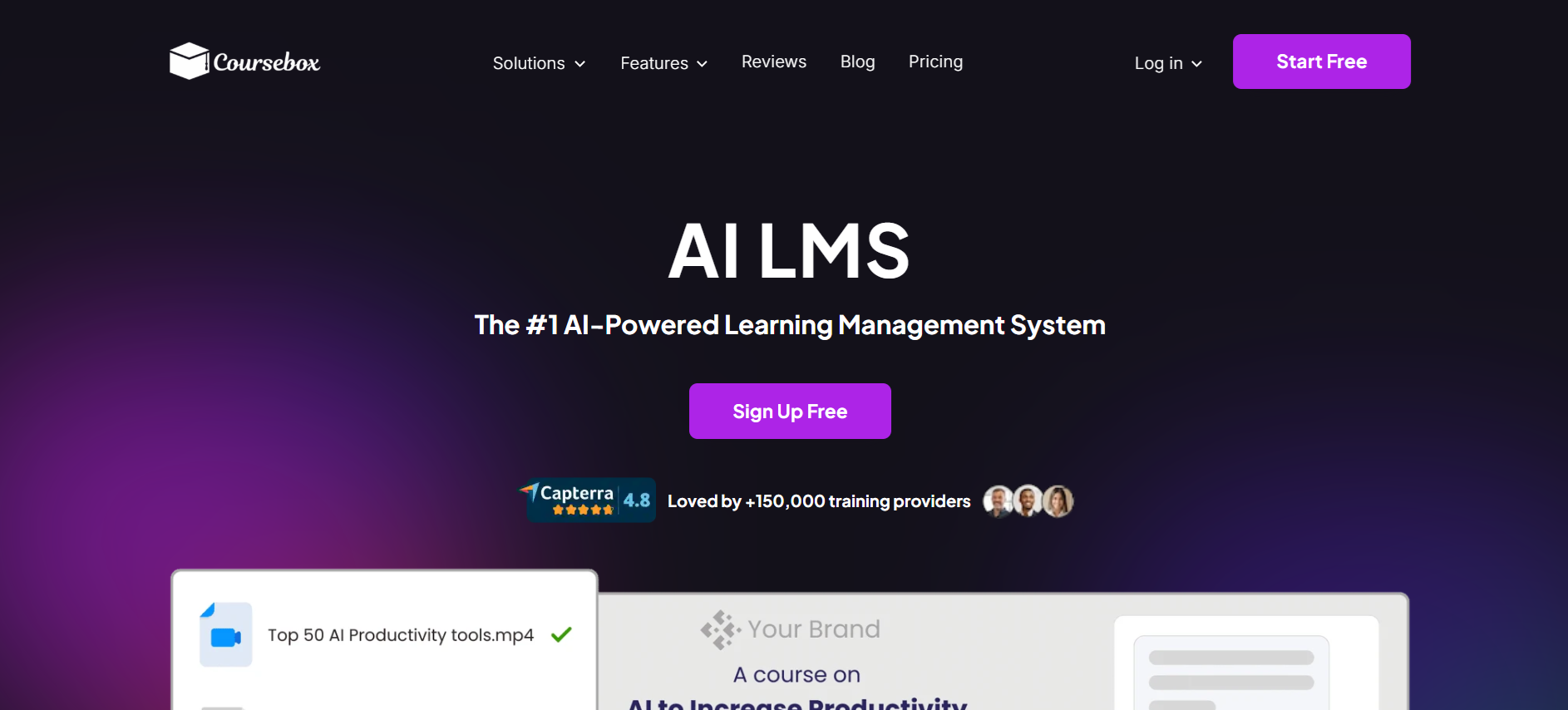
Coursebox AI sits at the AI-first end of the LMS market, focused on turning documents, slides, videos, and web content into structured courses in minutes without manual authoring. Learners get AI tutors, dynamic assessments, and mobile access across 100+ languages, and a free plan lets teams start without a credit card. This works well for teams seeking speed and automation without the configuration overhead that Docebo deployments often require. Organisations prioritising an established enterprise LMS with deep talent management and extensive customisation typically shortlist Absorb LMS or Cornerstone, and teams looking for an open-source route with full self-hosting capability sometimes evaluate Moodle.
Key Features:
- AI course design from uploads in minutes
- AI video generator with diverse avatars
- AI-powered quizzes, tests, and automatic grading
- AI chatbot tutor trained on your content
- Fully branded LMS and custom mobile app
- Unlimited learners with no hidden user fees
- Publish in 100+ languages for global reach
- SCORM/LTI export for use in other systems
- Flashcards, diagrams, and interactive learning elements
- Built‑in eCommerce to sell online courses directly
4. Google Classroom
Google Classroom provides a simple, organized way to manage teaching and learning, making it ideal for educators and teams with limited budgets. Integration with Google Docs, Drive, and Calendar streamlines collaboration, while assignment distribution and real-time feedback keep learners on track. Mobile access adds flexibility for remote or on-the-go learning.
For teams seeking a lightweight, cost-effective LMS, Google Classroom delivers essential features without unnecessary complexity. The free plan makes it accessible for schools, small organizations, or training programs just starting with digital learning.
Key Features:
- Full integration with Google Docs, Drive, Calendar, and other tools
- Simple assignment distribution and grading system
- Real-time feedback and personalized comments
- Mobile app access for learning anytime, anywhere
- Free plan for qualified educational institutions or small teams
5. 360Learning
360Learning excels for teams that thrive on collaboration and co-creation. Unlike platforms with rigid, top-down structures, this LMS encourages learners to contribute and interact, fostering a culture of shared knowledge.
For organizations prioritizing engagement and team-driven learning, 360Learning offers tools that make collaboration seamless, while simplifying reporting and content access. By prioritizing co-authoring and learning groups, 360Learning offers a collaborative alternative to traditional platforms like Docebo.
Key Features:
- Co-authoring tools for collaborative course creation
- Real-time learner reactions for continuous improvement
- Streamlined reporting with actionable insights
- LXP hub for centralized access to all learning resources
- Focused learning groups (academies) to develop specific skills
6. Learn365
Learn365 transforms how teams approach training, especially for organizations embedded in the Microsoft 365 ecosystem. By integrating directly with familiar tools, this LMS eliminates the friction of switching platforms and reduces the learning curve.
AI-powered course creation and end-to-end automation speed up training development, while platform customization ensures content fits organizational needs. For teams looking for seamless integration and smarter workflows, Learn365 presents a modern, efficient alternative to traditional systems like Docebo.
Key Features:
- Content365 library access, plus the ability to upload custom materials
- AI-powered course creation for fast, tailored training
- End-to-end automation for personalized learning experiences
- Customizable branding, rules, and integrations
- Seamless Microsoft 365 integration for familiar workflow
- Personalized AI-driven learning recommendations
7. Cornerstone Learn
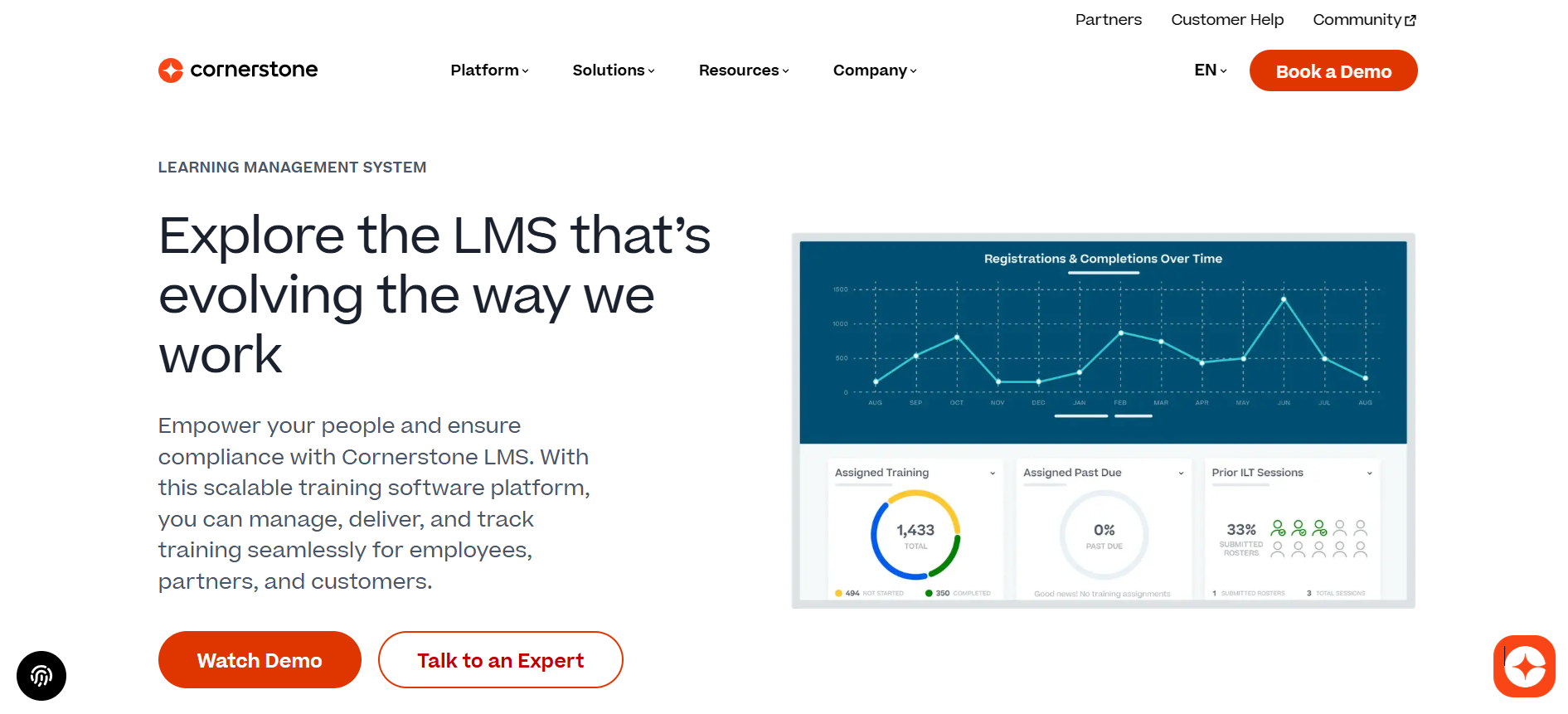
Cornerstone Learn makes learning management engaging and effective, catering to modern training needs. Visual, intuitive navigation keeps learners on track, while AI-driven personalization delivers tailored learning paths.
Access to a rich content library and integrated modules for performance reviews and HR tools creates a seamless experience. For organizations looking for a sophisticated LMS with modern features, Cornerstone Learn offers a compelling alternative to more traditional platforms like Docebo.
Key Features:
- Visual tile navigation for intuitive course access
- AI-driven personalized learning paths
- Rich library of third-party training content
- Integrated modules for performance and HR support
- User-friendly interface for easy navigation
8. Moodle
Moodle stands out for adaptability, making it ideal for organizations that need full control over training design and delivery. As open-source, users can customize everything from layout to functionality. Thousands of plugins expand capabilities, while multilingual support ensures global reach.
Community-driven support helps solve problems and share ideas. For teams seeking a flexible, fully customizable LMS, Moodle provides a strong, cost-effective alternative to Docebo.
Key Features:
- Open-source platform with full customization options
- Extensive plugin ecosystem for additional features
- Multilingual support for global learners
- Active community support for troubleshooting and ideas
- Flexible structure for universities, corporations, or blended environments
9. LearnUpon
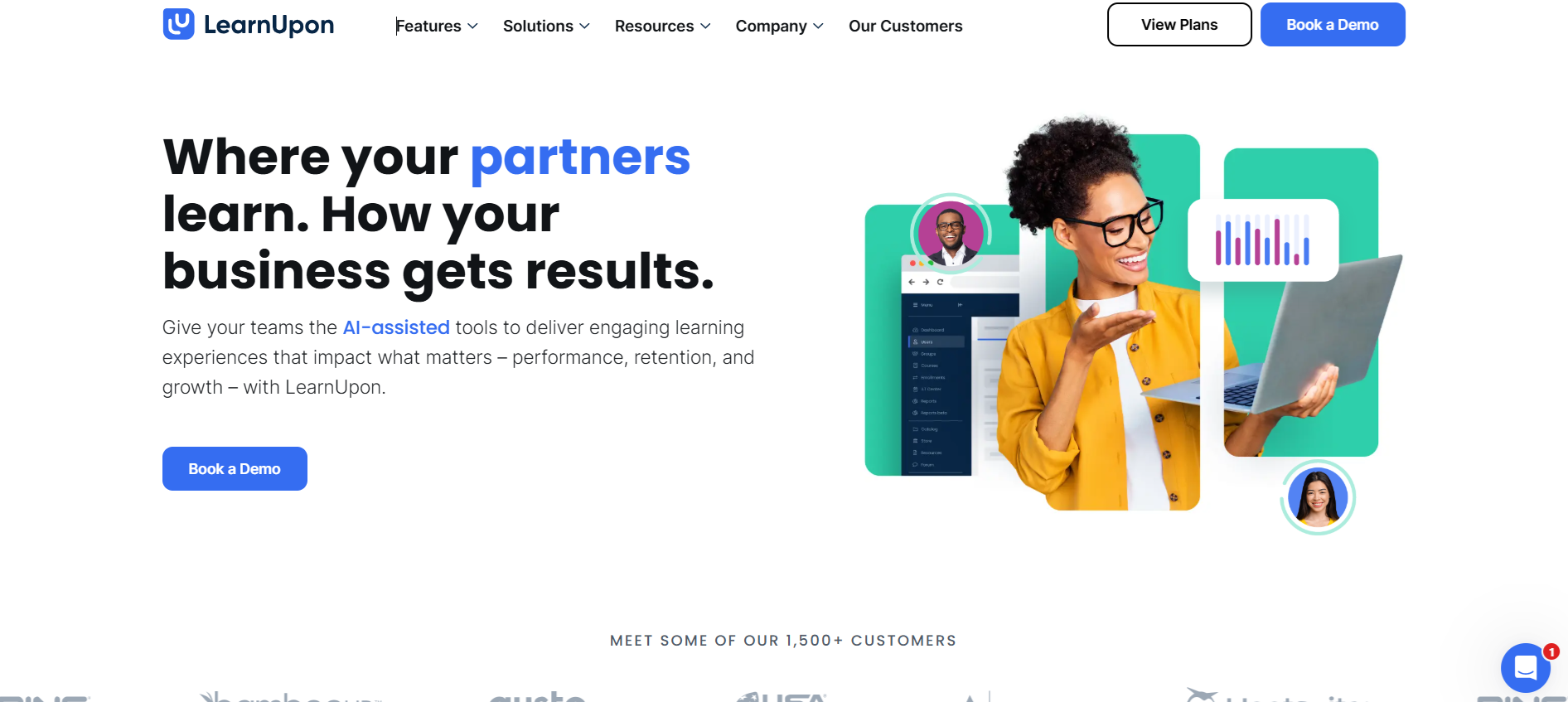
LearnUpon offers a perfect balance of simplicity and functionality, making it a top choice for organizations seeking a streamlined LMS. The platform’s clean interface allows quick onboarding for admins and learners alike.
Multi-tenant features enable tailored training for different teams, while Salesforce integration boosts efficiency for sales and customer education. Responsive support ensures any questions get prompt attention.
For businesses that want an easy-to-use, scalable solution without unnecessary complexity, LearnUpon provides a reliable alternative to more rigid platforms like Docebo.
Key Features:
- Intuitive interface for effortless navigation
- Multi-tenant features for different groups or teams
- Salesforce integration for seamless CRM connectivity
- Responsive customer support for fast issue resolution
- Efficient course management for corporate and customer training
10. Cloud Access
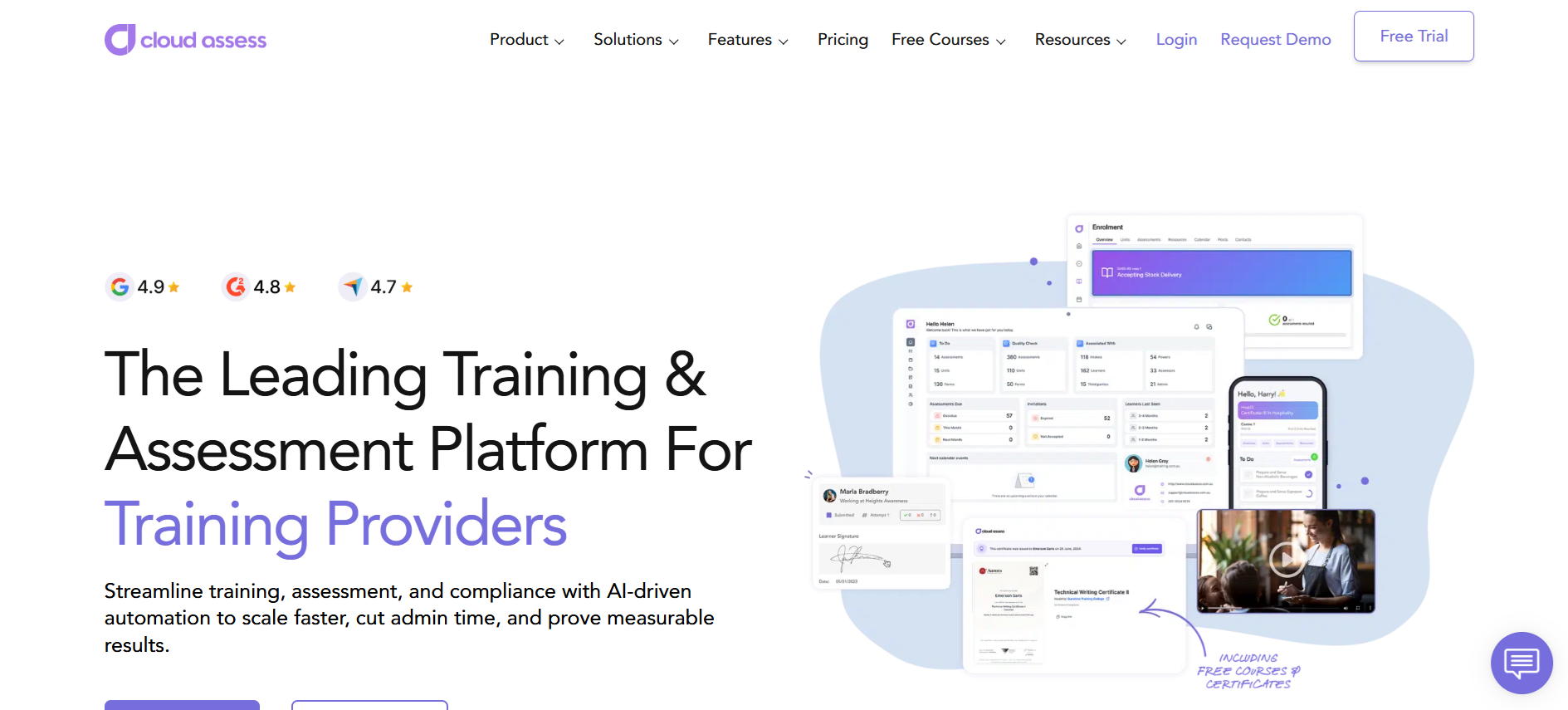
Cloud Access brings flexibility to organizations seeking control over training programs and skill development. Customizable course authoring allows teams to build programs tailored to specific business goals. Real-time competency and skill tracking keep employee development on track, while offline access and mobile-friendly features make learning possible anywhere.
Workflow automation reduces administrative effort, and social learning with gamification boosts engagement. For teams frustrated by rigid LMS platforms, Cloud Access delivers a modern, adaptable alternative to Docebo, with a free trial to explore core features before committing.
Key Features:
- Fully customizable course authoring to meet business needs
- Competency and skill tracking for real-time development insights
- Offline and mobile-friendly access for learning on the go
- Workflow automation for efficient assessments and reporting
- Social learning tools and gamification to boost engagement
- Flexible reporting and analytics for actionable insights
Create Courses Faster and Easier with Coursebox AI
Finding the right LMS doesn’t have to be complicated. Coursebox AI combines speed, flexibility, and AI-powered tools to make course creation, assessments, and learner engagement effortless.
Whether you’re a small team or a large organization, the platform adapts to your needs. Start with the free plan, explore premium features when ready, and experience how simple learning management can truly be.
FAQs
Is Docebo profitable?
Docebo generates revenue by offering cloud-based LMS solutions to businesses and educational institutions. The platform’s subscription-based model focuses on scalable plans and enterprise clients, making it a profitable company, though individual profitability details vary depending on market conditions and customer adoption.
What is the difference between D2L and Docebo?
D2L focuses on enterprise and higher education solutions with deep learning analytics, while Docebo emphasizes flexibility, AI-driven learning, and integrated social features. D2L excels in structured academic environments, whereas Docebo provides more automation, faster course creation, and a broader range of business-focused tools.
What is the difference between Docebo and Cornerstone?
Cornerstone Learn emphasizes AI personalization, performance management, and HR integration, making it suitable for enterprise workforce development. Docebo offers versatile online course creation and social learning, but may be less flexible in personalization. Organizations seeking engagement-driven, data-informed training often compare the two to decide on the best fit.
What is the difference between Docebo and Skilljar?
Skilljar specializes in customer education and onboarding with an emphasis on marketing and analytics. Docebo focuses on employee learning and broader business training. Skilljar offers smoother client-facing training programs, while Docebo provides deeper internal learning tools and automation, depending on organizational needs.
Is Docebo better than D2L?
Neither is universally better; it depends on goals. D2L excels in structured academic settings and detailed analytics, while Docebo focuses on business training with AI-powered course creation and social learning. Teams choose based on whether flexibility, automation, or academic depth fits their learning strategy.
Travis Clapp
Educational technologist and instructional designer

