

Volunteer Training: What Is It and How to Train Volunteers
Learn what volunteer training is, why it matters, and how to prepare volunteers for meaningful roles with clear guidance and practical steps.


Run your own branded LMS with unlimited learners
Volunteer training is an important part of any institution or firm that relies on people to support its mission. It is more common in non-profit organizations. This type of training covers a range of topics, such as safety procedures, organizational policies, communication standards, and task-specific instructions.
Unfortunately, 46.8% of CEOs report volunteer recruitment is a big issue for their organization. One way to incentivize volunteers is through proper training. Effective training also builds a sense of connection between volunteers and the organization, which helps clarify expectations.
But what exactly is volunteer training, and why does it matter? Let’s explore the concept in detail and learn some best training practices.
What Is Volunteer Training?
Volunteer training prepares people to take on roles within an organization. It helps volunteers understand their responsibilities, safety standards, compliance requirements, the organization’s expectations, and its mission.
Sessions can cover practical tasks, safety rules, communication guidelines, and standard procedures. Some training is hands-on, while others use written guides or online modules.
The main goal of volunteer training is to make volunteers confident and capable. Well-trained volunteers are less likely to make mistakes and more likely to feel engaged. Training also sets a shared standard, so everyone approaches tasks the same way.
Why Is Volunteer Training Important?
Volunteer training gives people the confidence to take on tasks without hesitation. When volunteers understand what to do and why it matters, they feel prepared and respected. Such a sense of readiness makes it easier for them to contribute effectively.
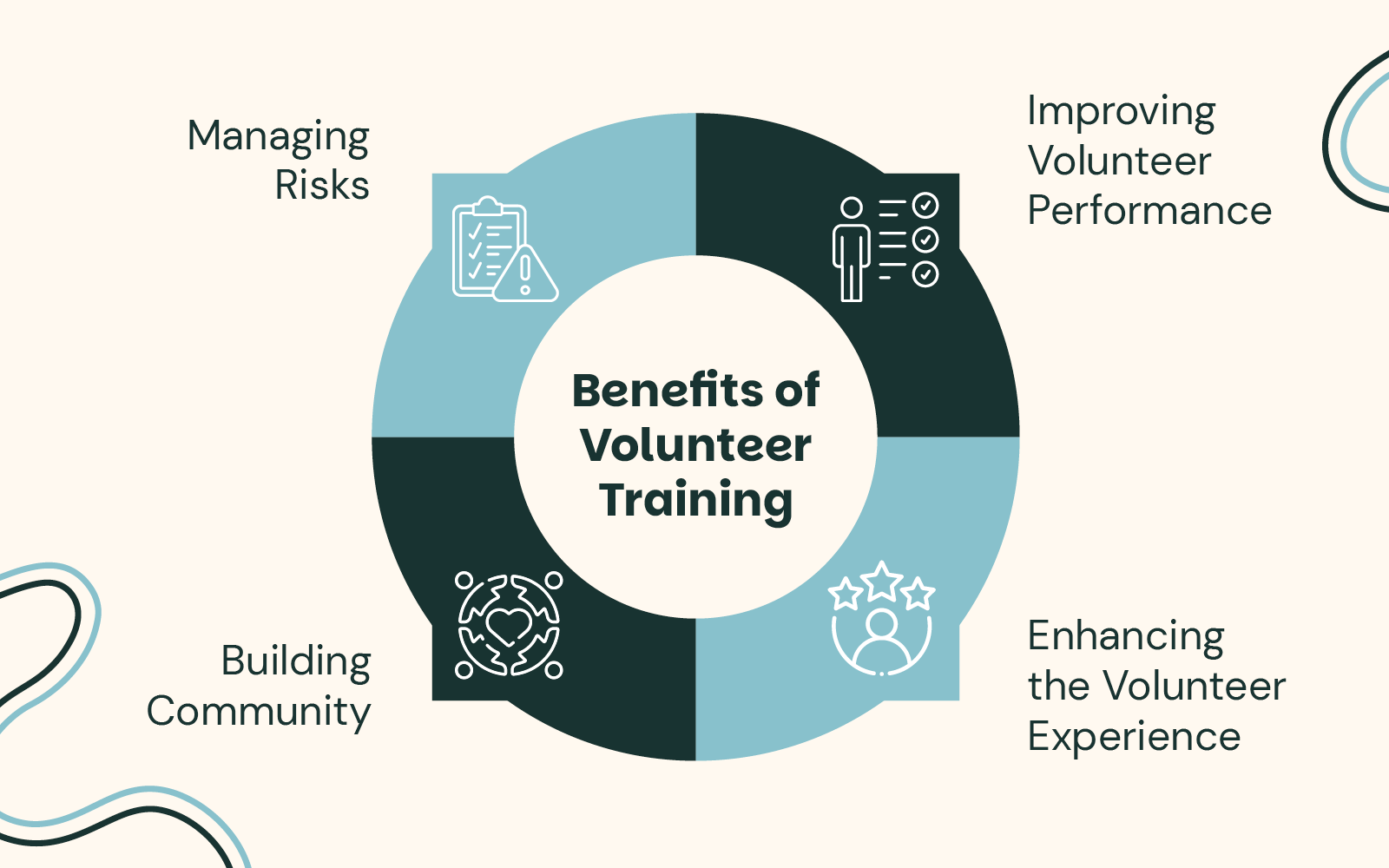
Clear training also reduces mistakes and misunderstandings. Volunteers who know safety rules, procedures, protocols, and proper conduct are less likely to make errors or put themselves or others at risk.
More importantly, volunteer training supports long-term engagement in organizations. Volunteers who feel competent and included are more likely to stay and continue giving their time. Regular guidance and refreshers keep them connected to the organization and its goals.
Core Elements of a Volunteer Training Program
A well-designed volunteer training program should have a few main components. Let’s look at a few of them.
1. Overview of Mission and Values
Volunteers need to know the organization’s purpose and goals. Organizations must share the mission and values with them so that they can see how their work contributes to a greater effort. The context guides the volunteers’ decision-making and behavior.
2. Role-Specific Instructions
Training should cover duties, tasks, protocols, and processes unique to each volunteer role. You must provide them with guidance on expected conduct and responsibilities. This helps prevent confusion and lets volunteers do their work confidently.
3. Safety Rules and Policies
Volunteers must know the safety procedures, organizational rules, conduct guidelines, compliance requirements, and emergency protocols to reduce risk for themselves and the people they serve.
4. Tools and Resources
It’s important that volunteers have access to manuals, reference guides, and contact information needed for their roles. Accessible resources allow them to find answers quickly and perform their tasks accurately.
5. Ongoing Support and Development
Training does not end after the first session. Regular refreshers and optional skill-building opportunities help volunteers stay up to date and improve their effectiveness over time.
How to Provide Volunteer Training?
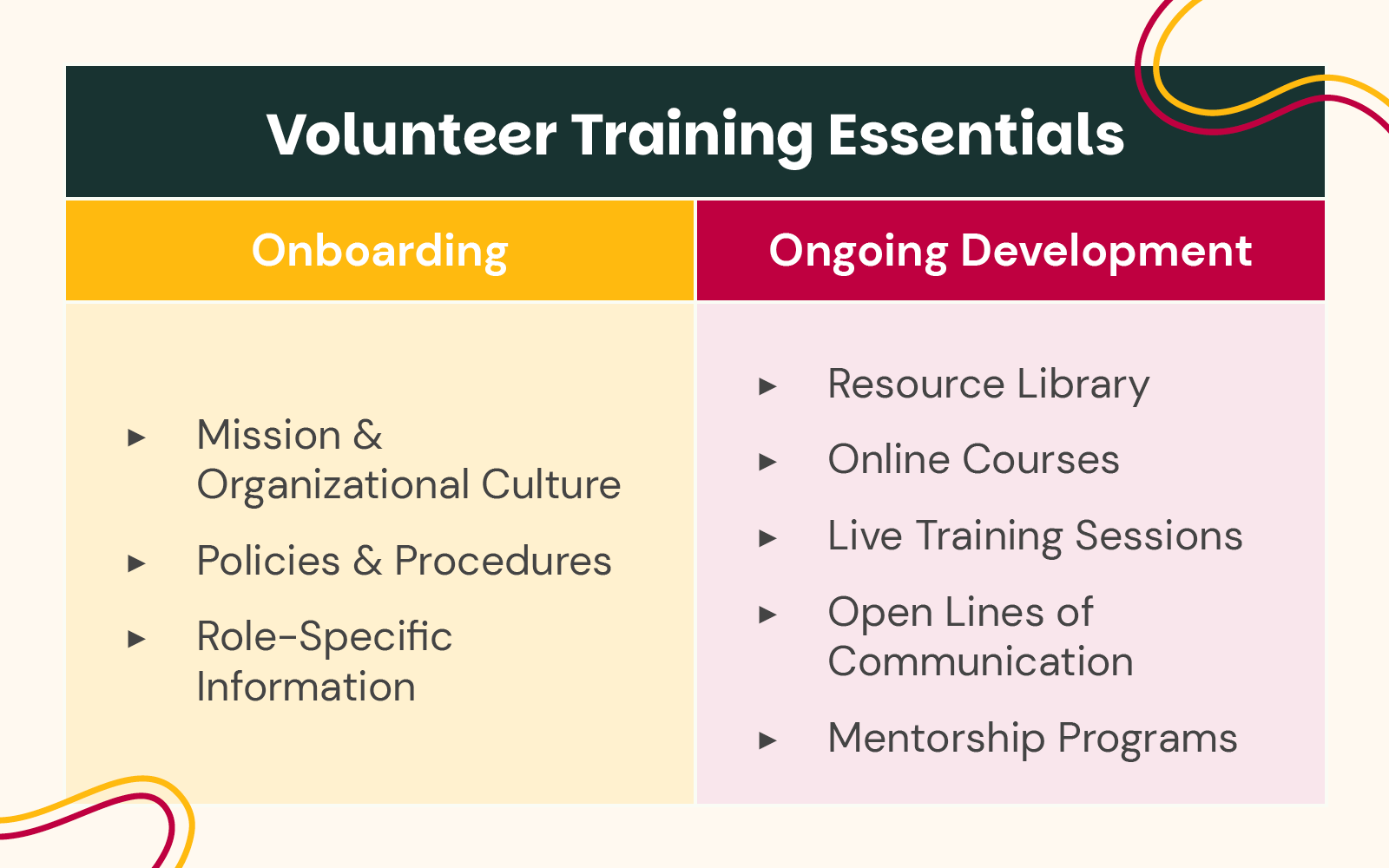
When creating a volunteer training plan, you should have a clear idea of what your organization’s needs are and what the volunteers’ skills are. Every role has different requirements, and volunteers bring varying levels of experience and knowledge.
Keeping these things in mind, use the following steps to provide volunteer training.
Step 1: Assess the Volunteers’ Needs
The first step should be identifying the skills and knowledge volunteers need to succeed. Some roles require technical skills, while others depend on interpersonal abilities or knowledge of safety procedures.
Clarify the purpose of the training: what should volunteers know, do, or feel after completing it? You can answer this by considering the complexity of the role.
Tasks with high risk or direct contact with the public may require more in-depth training than behind-the-scenes positions. Also, think about your organization’s priorities. These may include quality of service, speed, safety, or consistency across multiple volunteers.
Step 2: Develop Training Content
Training content should cover essential areas that explain why their work matters. The first important part here is the organization’s mission. Volunteers should understand how it aligns with their personal values and goals.
Role-specific instructions are equally important. Volunteers need guidance on duties, processes, expected conduct, and reporting responsibilities. Use practical examples and scenarios to make instructions tangible.
Safety procedures, rules, and emergency protocols should be included in all programs. Volunteers should know how to respond in various situations, which reduces risk and builds confidence.
In many organizations, communication is just as important as any other subject. Volunteers must understand how to share updates and coordinate with staff and fellow volunteers. If they’re working in emergency situations, teach them how to ask for help and contact lists they can refer to.
Step 3: Choose Training Formats and Delivery Methods
Volunteers have different schedules and learning preferences, so you should select the right formats to make the training usable and effective for them. Here are some options:
- Written handbooks or guides that volunteers can read at their own pace
- In-person workshops or orientation sessions for hands-on learning and questions
- Online modules, videos, or self-paced e-learning for remote learning
- Hybrid programs that combine face-to-face sessions with digital resources
- Interactive methods such as role-playing, scenario exercises, group discussions, and peer mentoring
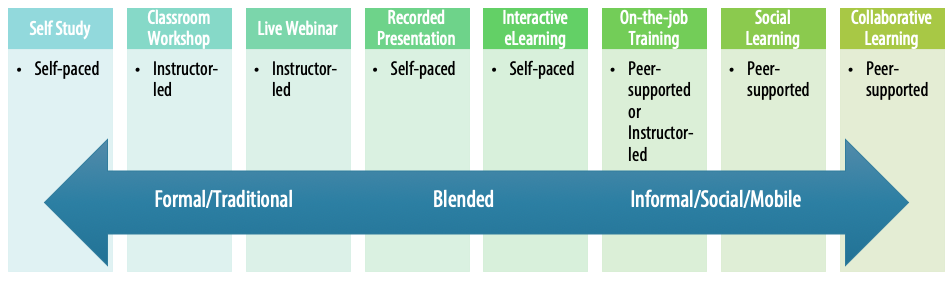
Each of these approaches comes with its advantages. For example, written materials offer a reference, while in-person sessions allow real-time feedback. If you’re creating online courses, make them more engaging by adding interactive exercises that help volunteers practice skills in a safe environment.
Step 4: Match Training to Roles and Volunteer Profiles
Not all volunteers need the same level or type of training, since some may have prior experience while others may not. So, you must adapt training sessions to the role’s complexity and the volunteer’s experience. The following factors come into play.
- Basic support roles versus tasks requiring technical skills or direct client interaction
- Positions with higher compliance requirements, such as working with vulnerable populations
- Volunteers’ prior experience and learning preferences
- Flexible scheduling for part-time volunteers or those with limited access to technology
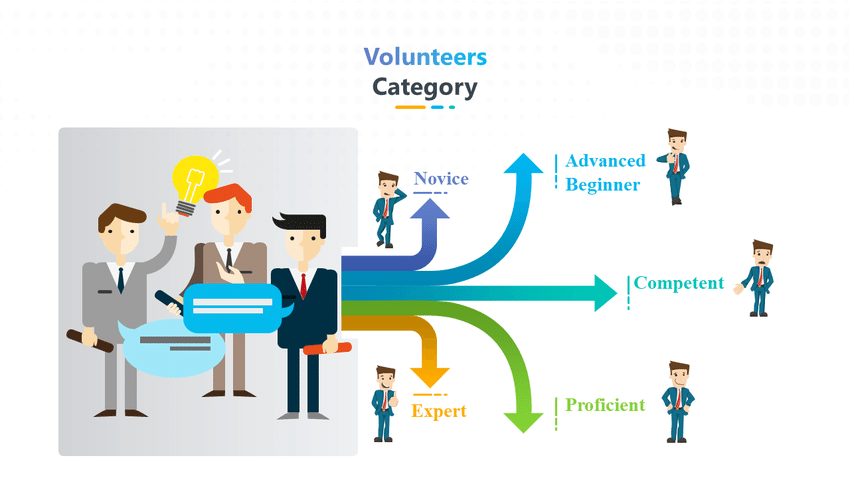
When you tailor training to these factors, volunteers receive relevant instruction without unnecessary repetition. It also respects their time and maintains engagement.
Step 5: Create an Inclusive Approach
Training should be designed so that all volunteers can benefit. Use multiple formats to suit different learning styles. For example, written guides, audio recordings, video tutorials, knowledge bases, and online courses cater to different preferences.
Make accommodations for volunteers with limited time or access to devices. Provide short and modular sessions to help part-time volunteers. For full-time volunteers, you can offer longer programs and courses.
On top of that, mentorship programs allow experienced volunteers to guide newcomers. Peer mentoring strengthens skills and creates a sense of community.
Make sure you collect feedback from volunteers after training. Their responses will help you understand what works and improve the program continuously. More importantly, volunteers who are given a voice in the process feel valued and invested in the organization’s success.
Step 6: Evaluate and Adjust
Monitor the effectiveness of the program regularly. Track metrics like volunteer performance, retention, satisfaction, and task completion. You can also use surveys or informal check-ins to reveal areas needing improvement. Then, adjust the program based on this feedback.
How Does Coursebox Support Volunteer Training?
A big part of volunteer training is choosing a course-building tool that you can use to create learning materials. Coursebox is an excellent example of such a platform.
It turns documents, videos, slides, or websites into full training courses in minutes. The platform offers AI-powered tools to create videos, quizzes, assessments, and chatbots, giving learners instant feedback and guidance.
Training content can be highly interactive, with flashcards, accordions, tabs, and social discussions. Volunteers can access courses on any device, and multilingual support allows content in over 100 languages with native voices.

Coursebox also integrates with existing LMS systems or websites via SCORM, LTI, or Zapier. In short, it’s a complete solution for creating, delivering, tracking, and selling volunteer training.
Sign up for free now to create effective volunteer training courses for your organization.
FAQs About Volunteer Training
How long does volunteer training take?
Training duration depends on the role and complexity. Basic roles may require a few hours, while positions with technical skills or compliance requirements might need multiple sessions over days or weeks.
What should a volunteer training program include?
A program should cover the organization’s mission, role-specific tasks, safety procedures, communication standards, tools, resources, and opportunities for ongoing development or refreshers.
How does Coursebox help create volunteer training courses?
Coursebox converts documents, videos, websites, and slides into structured courses quickly. It includes AI quizzes, interactive lessons, assessments, flashcards, AI grading, and training videos to make training programs engaging and effective.
How can training accommodate different volunteer needs?
You can accommodate your volunteers’ needs by using flexible formats, short modules, interactive exercises, and multilingual content. Platforms like Coursebox help deliver training in various formats and languages to meet diverse volunteer requirements.
How often should volunteers receive training?
Volunteers benefit from initial orientation and regular refreshers. Updates are recommended whenever procedures or roles change, to keep skills current.
Alex Hey
Digital marketing manager and growth expert

