

Product Knowledge Training in Retail: Empower Your Team to Sell Smarter
Looking to empower your retail team with the right selling expertise? Here is how you can provide them with the best product knowledge training retail.


Set up your branded LMS and deliver training with AI
In retail, the quality of customer interactions relies on how well your staff understands the products they’re selling. Without solid product knowledge, customers can feel confused or unsure, leading to lost sales and customer trust.
Effective product knowledge training equips your retail teams with the know-how to confidently answer questions, showcase features, and recommend the right products.
Besides immediate sales, product knowledge builds credibility, encourages upselling, and fosters long-term customer loyalty.
For retailers to thrive in this competitive market, empowering employees with the right information is the need of the hour. It’s the easiest way to create seamless shopping experiences and drive growth.
Let’s explore the best practices for product knowledge training retail and how AI platforms can help you deliver engaging, up-to-date training.
What Is Product Knowledge Training Retail?
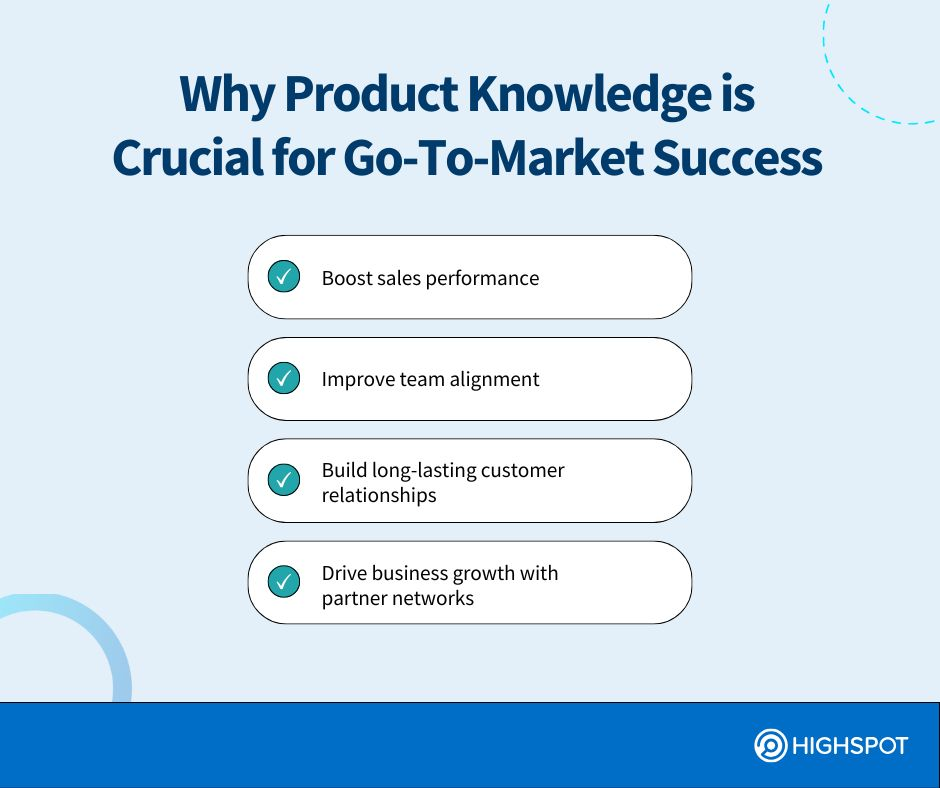
Product knowledge training in retail empowers employees to understand the products they sell inside and out. It’s not just about memorizing features or prices but grasping how each product benefits customers, how it compares to alternatives, its ideal use cases, and how to overcome common objections.
This kind of training helps staff speak confidently and authentically, offering tailored advice that meets a customer’s unique needs. There are several layers to product knowledge:
- Technical knowledge: What the product does, specifications, and how it works.
- Practical knowledge: How customers use the product, the problems it solves, and the outcomes it delivers.
- Competitive knowledge: How your products stand apart from others in the market.
Effective product knowledge training should be an ongoing part of retail operations. New products arrive regularly, customer preferences shift, and the competitive landscape changes. Without continuous learning, even experienced staff can fall behind.
By keeping product knowledge fresh with regular updates, you ensure everyone, from seasoned pros to seasonal hires, remains ready to provide informed service.
Challenges in Product Knowledge Training for Retail Teams
Training retail teams on product knowledge presents challenges that can make consistency and effectiveness difficult to achieve. One major issue is the high turnover rate, especially during peak seasons. New hires constantly join and need quick, efficient onboarding, which puts pressure on trainers to deliver comprehensive knowledge in a limited time.
Another challenge lies in the fast-paced nature of retail inventory. Product lines expand, get updated, or are replaced frequently, requiring training programs to adapt continuously. Without a flexible system, keeping content current across multiple store locations and shifts can become chaotic.
Retail staff also vary widely in experience and learning styles, from novices who need detailed guidance to veterans seeking deeper insights. Designing product knowledge training that serves everyone equally well is no easy task.
Finally, logistical issues such as coordinating training schedules in a multi-shift environment and ensuring every employee has equal access to learning resources add further complexity. Balancing these challenges thoughtfully is key to building a retail team that’s knowledgeable, confident, and ready to engage customers effectively.
4 Effective Product Knowledge Training Best Practices
You need a thoughtful approach to deliver product knowledge training that truly sticks and empowers your retail team. Here are some best practices broken down into clear, actionable steps to help you build a results-driven employee training program:
1. Use Microlearning for Manageable Learning
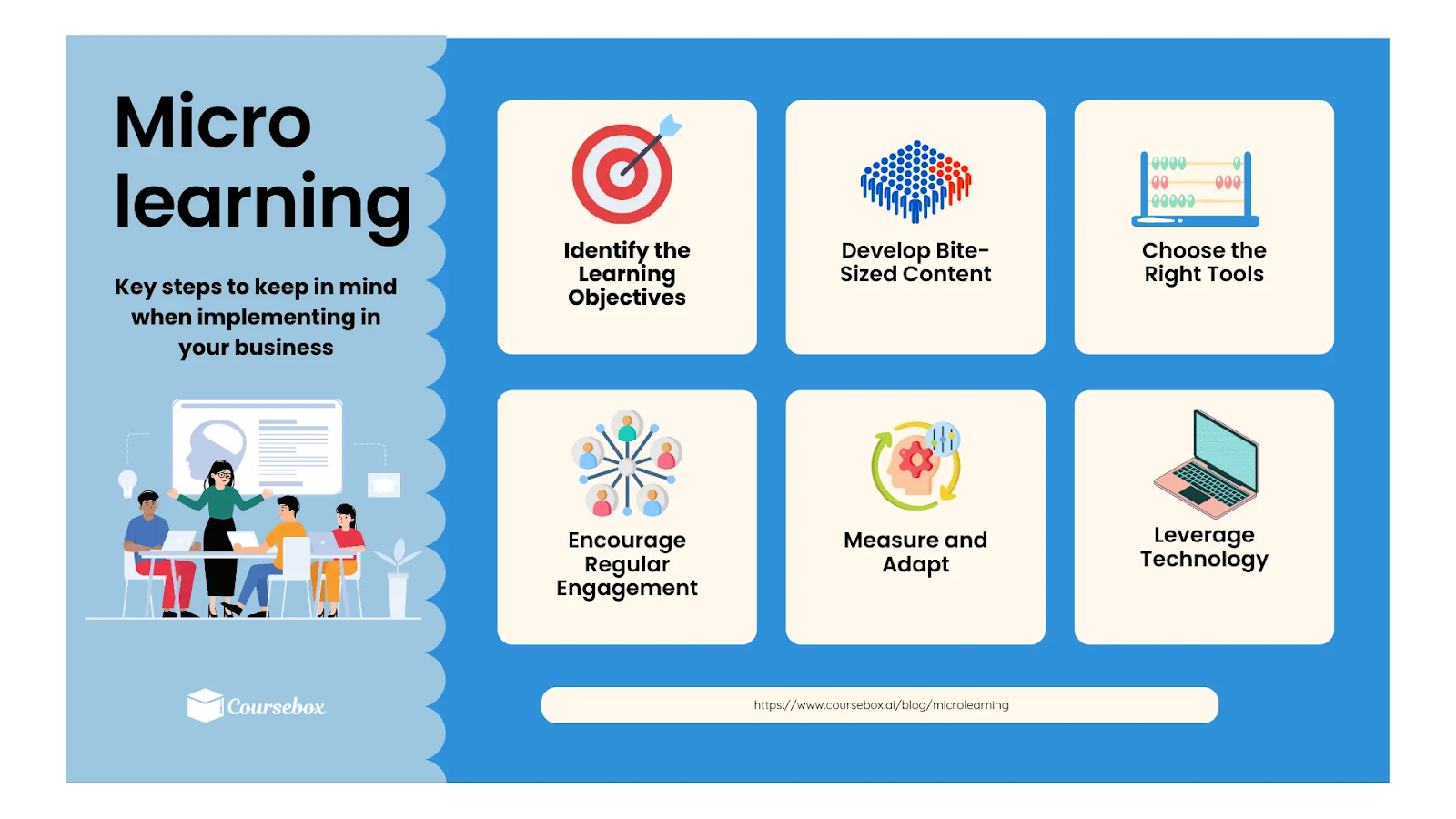
Retail employees often juggle busy schedules with shifts, breaks, and customer interactions. Microlearning breaks product knowledge into bite-sized lessons, say 5-10 minute modules focusing on a single product feature or selling tip.
Suppose you’re rolling out training for a new line of eco-friendly home cleaning products at a national retail chain. You can start by breaking the product line into three short modules: one focused on ingredients and eco benefits, the second on usage instructions, and the third on comparing the products with traditional cleaners.
Make sure to design each module to be under 10 minutes, as it is perfect for busy retail staff to complete during breaks or slow periods. This approach lets learners fit training into their downtime and easily revisit content when needed without feeling overwhelmed. Short, targeted bursts have proven to improve retention and reduce cognitive load.
2. Incorporate Hands-On Practice and Role-Playing
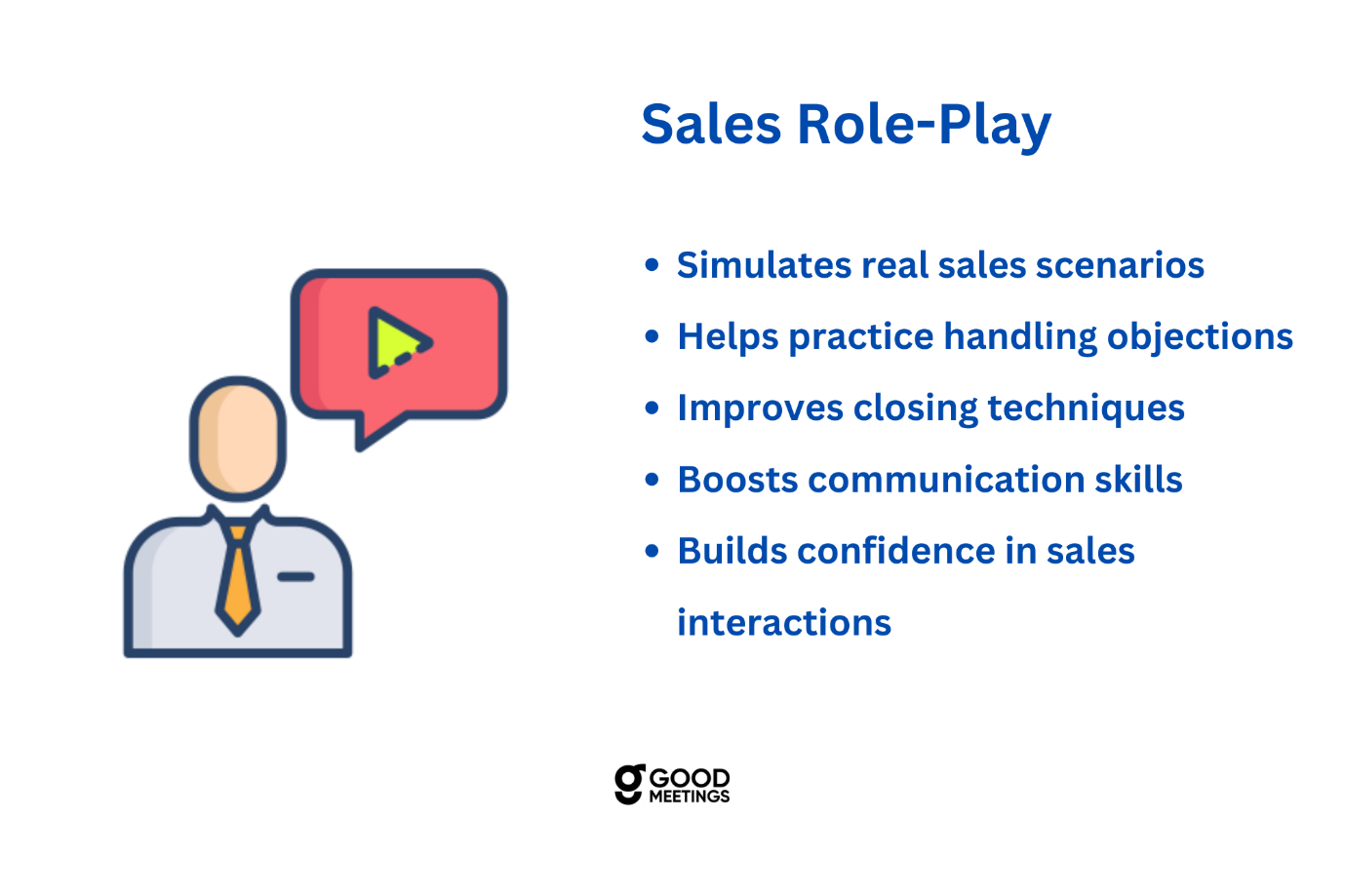
Hands-on experience is essential for retail environments where practical learning strengthens knowledge. You can simulate real-world customer scenarios where employees practice explaining product benefits or responding to tricky objections.
For example, after creating the eco-friendly home cleaning product module, you can now organize role-play scenarios in which employees must explain the environmental benefits to customers. They will learn how to guide people who are unsure whether to switch from their usual brand. Focus on rehearsing how to answer questions like “Are these products truly effective?” or “How do they compare in price?”
Role-playing exercises strengthen communication skills and build confidence, helping your team feel prepared for actual sales conversations.
3. Blend Online, Onsite, and Mobile Learning for Flexibility
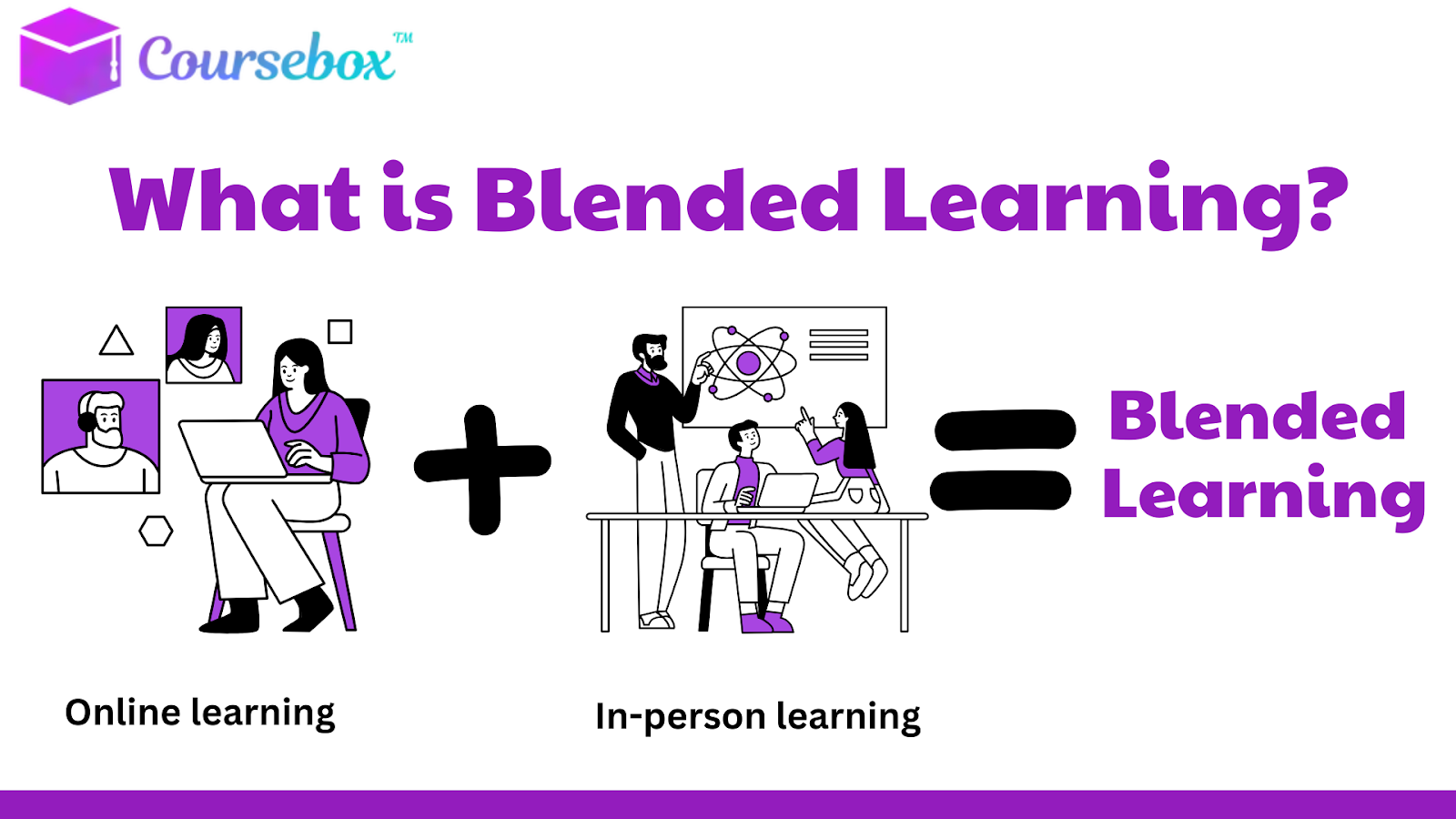
Not all employees learn the same way, especially when spread across multiple locations or working flexible hours. Combining digital courses, in-store sessions, and mobile-friendly materials gives your team choice over when and how to learn.
Since your customers are well-equipped with communication skills, you can now focus on their theoretical learning. You can use an AI course creator like Coursebox to design a micro-learning training course. Make those modules available on the LMS, so your employees and staff can access them anytime, anywhere.
On-site, team leaders hold weekly group sessions to discuss common questions and share selling tips. This mix of digital and face-to-face learning fits different schedules and preferences.
4. Offer Regular Refreshers and Knowledge Checks
Product knowledge isn’t a one-and-done deal. It needs constant reinforcement, particularly in retail, where products or promotions change fast.
As a retail trainer, you should incorporate refreshers, quick quizzes, and knowledge checks regularly to help solidify learning and identify gaps. Also, celebrate achievements with badges or certificates to boost your team’s motivation.
By applying these practices, you create a product knowledge training program that’s dynamic, accessible, and tailored to your retail team’s real-world needs.
Measuring Success: KPIs and Outcomes to Track
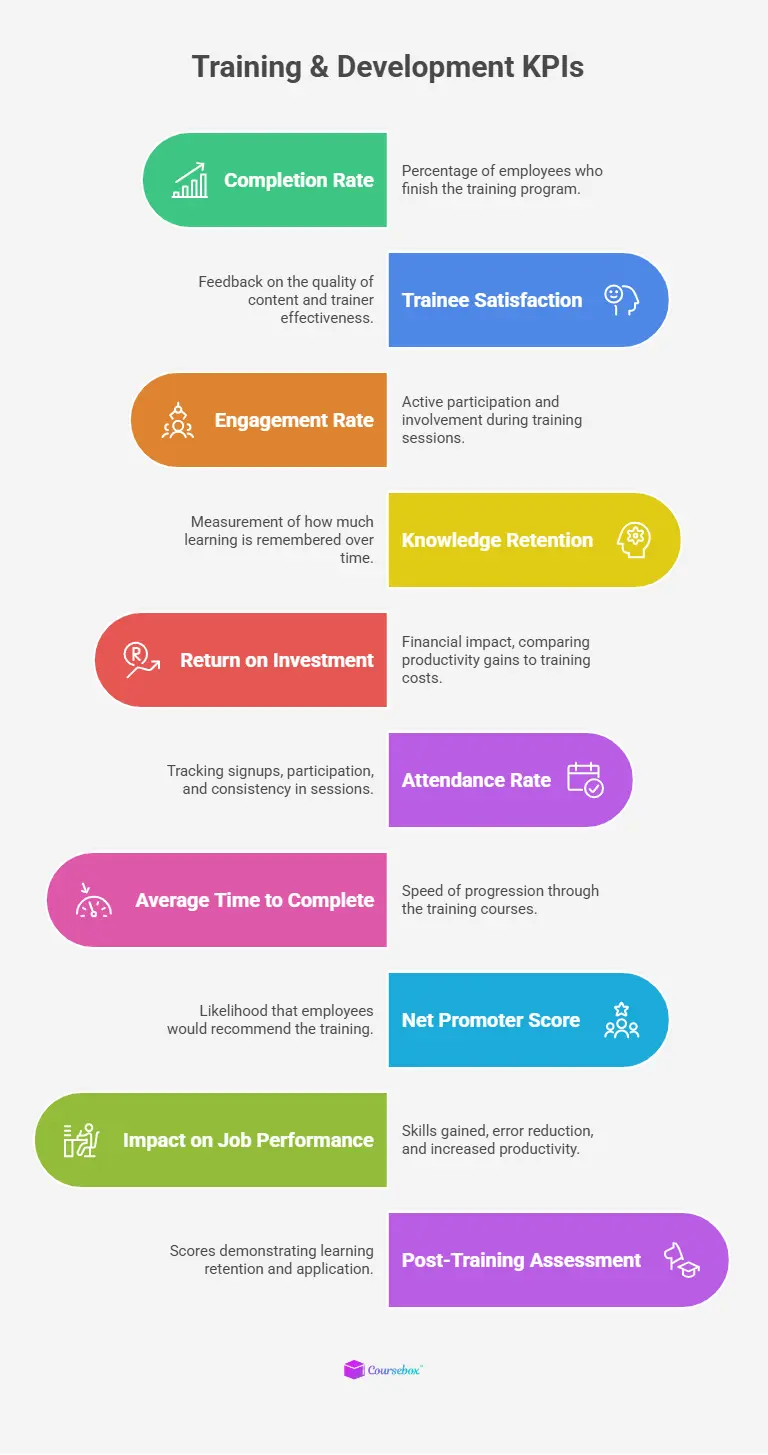
Knowing whether your product knowledge training is working requires tracking the right metrics, both quantitative and qualitative. This helps you see real impact on sales, customer experience, and team performance, while identifying areas for improvement.
Sales Performance Metrics
Look at upsell and cross-sell rates before and after training. Are employees recommending complementary products more often? Track average transaction value and conversion rates on trained product categories. Higher numbers indicate your team is confidently applying their knowledge to drive revenue.
Customer Satisfaction Indicators
Monitor customer feedback through post-purchase surveys, Net Promoter Scores (NPS), or review sentiment. Questions like "Did the staff knowledgeably answer your questions?" reveal if training translates to better shopping experiences. Fewer product returns or complaints about misinformation also signal success.
Knowledge Retention and Application
Use pre- and post-training quizzes to measure knowledge gains, then follow up with periodic assessments. Observe in-store behaviors: are employees proactively sharing product benefits without prompting? Mystery shopping evaluations provide objective insights into real-world applications.
Employee Confidence and Engagement
Survey your team on how confident they feel discussing products. Track training completion rates, time spent on modules, and quiz pass rates. Engaged employees who enjoy learning and feel prepared perform better and stay longer.
Business-Level Outcomes
Connect training to broader goals. These include reduced support calls about product features, faster onboarding for new hires, and improved inventory turnover on trained categories. These metrics show the ROI of training beyond immediate sales lifts.
Regularly reviewing these KPIs creates a feedback loop. Celebrate wins, address gaps quickly, and refine your training approach.
How Coursebox Transforms Retail Product Knowledge Training
Coursebox makes product knowledge training retail faster, simpler, and more engaging. It lets you build and deliver effective learning experiences. Unlike traditional methods, Coursebox’s AI-powered platform quickly converts your existing product materials into interactive, structured courses tailored for your retail team.
The platform also offers personalized learning paths that adapt to employees’ roles, experience levels, or specific product lines. For example, new hires can start with the basics while seasoned staff receive deeper dives into advanced features or sales techniques.
You can also auto-generate interactive quizzes, flashcards, and open-answer questions. This provides instant grading and feedback, helping learners understand and improve their product knowledge right away.
Coursebox also includes an intelligent, course-trained chatbot available 24/7 to assist learners with any questions. This feature enhances learner engagement and reduces the demand on trainers for repetitive queries.
Coursebox scales effortlessly across multiple locations and integrates with your existing LMS or HR tools through APIs and SCORM. You can update content instantly as product lines evolve, ensuring your retail teams always have the latest knowledge at their fingertips. Plus, the platform supports branding, so training feels like a seamless part of your company culture.
With Coursebox, retail product knowledge training becomes an ongoing, dynamic process. Sign up for free now to empower your teams to sell smarter and elevate customer satisfaction.
FAQs About Product Knowledge Training Retail
What is product knowledge training retail?
Product knowledge training equips retail staff with a deep understanding of product features, benefits, usage tips, and competitive advantages. It goes beyond specs to help employees confidently answer customer questions and recommend the right solutions. This training turns salespeople into trusted advisors who build customer trust and drive sales.
Why is ongoing product knowledge training important?
Retail product lines change frequently with new launches, seasonal items, and competitive updates, so knowledge quickly becomes outdated. Regular refresher courses keep employees sharp and confident, especially given the high turnover rates common in retail. Continuous training ensures consistent customer experiences across all locations and shifts.
How can I make product knowledge training engaging for retail staff?
Use microlearning modules, hands-on demos, and role-playing scenarios that mimic real customer interactions to keep training practical and fun. You can also include interactive quizzes and gamification elements, such as badges, to boost participation and retention. Also, make sure to blend online courses with in-store practice sessions to accommodate different schedules and learning styles.
What metrics show that product knowledge training is working?
Track sales metrics like upsell rates, average transaction value, and conversion improvements on trained products. You can also monitor customer satisfaction through surveys, reduced returns, and complaints about product misinformation. Moreover, employee confidence surveys and quiz scores reveal knowledge retention and application.
How does Coursebox help with retail product knowledge training?
Coursebox instantly converts product catalogs, videos, and manuals into interactive courses with AI-generated quizzes and flashcards. Its 24/7 course-trained chatbot provides real-time support, while instant grading gives learners immediate feedback. The platform scales across stores, updates easily for new products, and personalizes paths for different staff levels.
Alex Hey
Alex Hey is a technical marketer with 10 years of hands-on growth and digital marketing experience. He cofounded Coursebox together with Travis Clapp who he met online when looking for a cofounder to build a globally impactful software product. He works in the Perth, Western Australia office as the COO. He built the world's first automated funnel for patient recruitment before building Coursebox. After launching Coursebox in mid 2023, he drove +400k organic sign ups for Coursebox. Alex leads the marketing and digital growth of Coursebox and works with the product development team bringing a passion for data-driven product decision and exceptional user experience. Alex is determined to build the world's easiest way to build the perfect course.

