

How Instructional Scaffolding Improves Learning: A Complete Guide
Wondering how instructional scaffolding boosts learning? Discover how it strengthens understanding, increases confidence, and helps learners master step by step.


Go from storyboard to an interactive course in minutes
Learning isn’t something that can happen all at once. People understand faster, remember longer, and perform better when support is given at the right moment, then gradually removed as their confidence grows.
That’s the core of instructional scaffolding. It’s one of the most effective ways to help learners move from confusion to clarity without feeling overwhelmed.
Whether you’re building onboarding programs or product training, instructional scaffolding helps people absorb information more naturally. To help you make the same changes, here’s what you need to know about it and how to implement it in your organization.
Key Takeaways: Instructional Scaffolding
- What It Is: Instructional scaffolding is a teaching method that guides learners through each stage of a new skill. You give structure at the start, then gradually reduce support as they become more capable.
- Why It Matters: It improves understanding, boosts engagement, and helps learners master new skills without feeling overburdened.
- Types To Know: Scaffolding comes in several forms, including content support, task guidance, visual aids, strategy cues, and peer assistance.
- How to Implement: Identify the learning gap, set clear goals, choose the right tools, model, and guide the task. Then, slowly remove support as learners become confident and independent.
What Is Instructional Scaffolding?
Instructional scaffolding is a teaching approach used by L&D experts to provide temporary support to learners as they take on new tasks or concepts. This support might be guidance, examples, prompts, or structured frameworks.
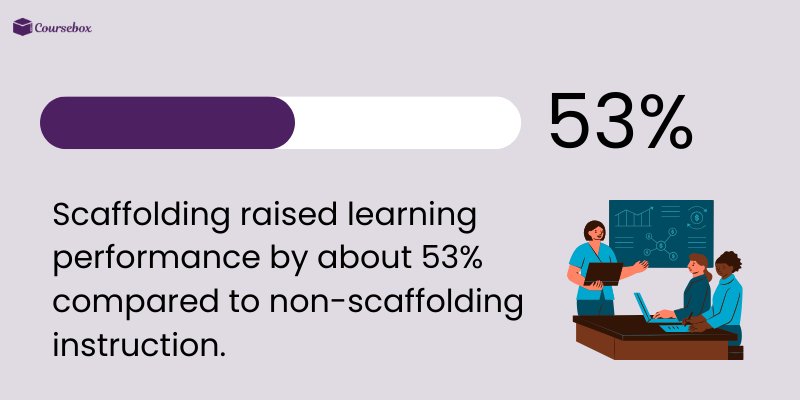
The research also found that scaffolding raised learning performance by about 53% compared to non-scaffolding instruction.
Using this method, your workforce will be able to handle challenges they couldn’t manage on their own before. It’s based on the idea that people learn best when support matches their current level and gradually fades as they build competence.
Why Scaffolding Matters in Modern Education
Scaffolding is more important today than ever before. With fast-changing skills and higher expectations in the workplace, learners need support that helps them progress without feeling overwhelmed. Here’s why it matters:
1. Helps Learners Bridge Gaps in Knowledge
Not all learners start from the same level. Some have prior knowledge, while others are encountering a topic for the first time. Scaffolding helps workers bridge these skill gaps by breaking information into manageable steps.
Rather than feeling lost or behind, learners get guided support that gradually decreases as their understanding grows. This guarantees that everyone reaches the required competence with less frustration.
2. Encourages Independence and Confidence
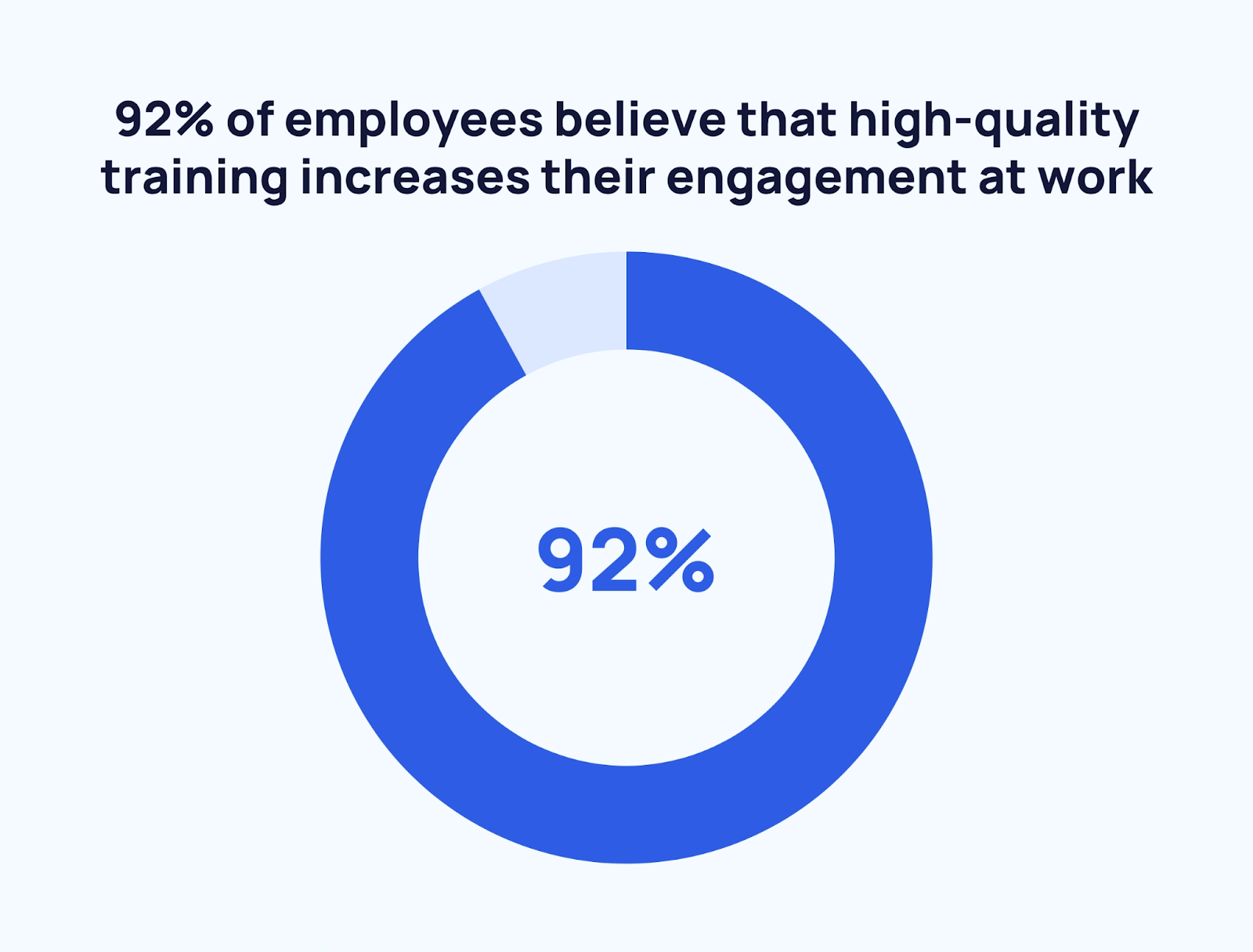
Scaffolding gradually removes support so learners grow more autonomous. In fact, 92% of workers say proper training improves their engagement at work. This suggests that guided training with good structure increases commitment.
Through this, the workforce learns to trust their ability, apply new skills, and take on tasks independently. When people feel capable, they’re more likely to take initiative and be more productive.
3. Improves Engagement and Learning Outcomes
Instructional scaffolding reduces cognitive load, which helps learners stay engaged for longer periods. When concepts are delivered step by step rather than all at once, learners feel more in control and are more likely to participate.
This leads to stronger employee retention, fewer mistakes, and better overall results. In short, scaffolding essentially transforms complex learning into a smoother path.
Five Types of Instructional Scaffolding
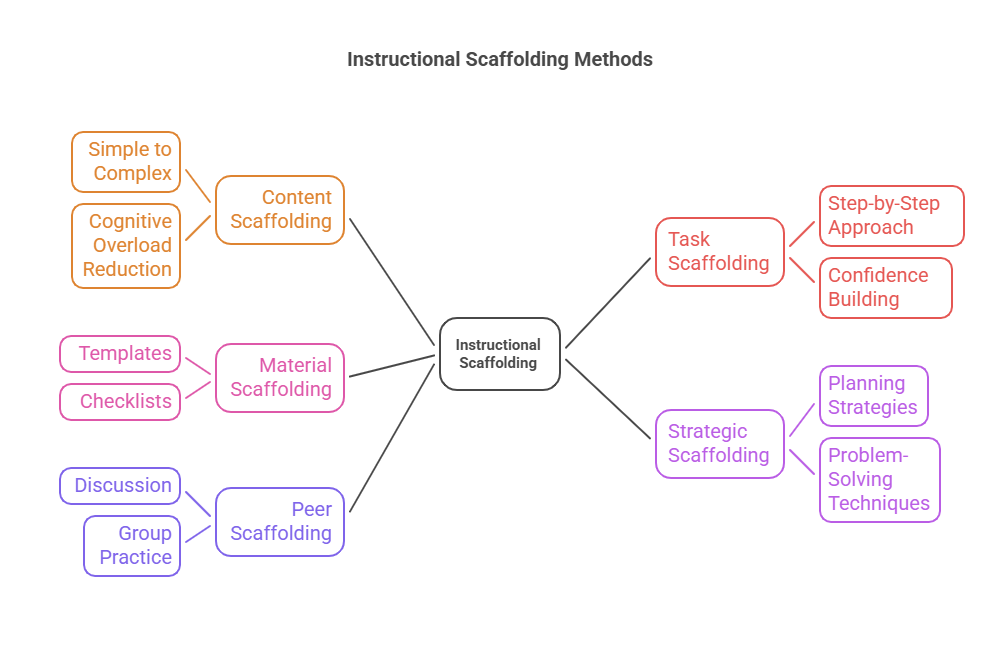
Before choosing the right scaffolding strategy, it helps to understand how each type works in real learning environments. These five methods give teachers practical ways to support learners without overwhelming them.
1. Content Scaffolding
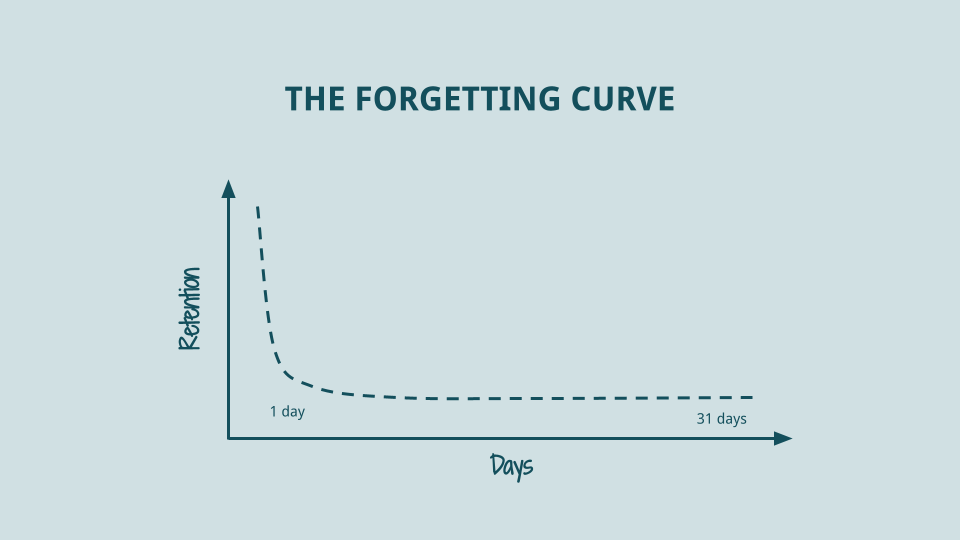
According to the forgetting curve, learners forget 90% of the information within a week. And this is where content scaffolding comes in handy. It breaks learning into smaller and easier steps.
As a substitute for introducing everything at once, the trainer starts with the simplest ideas and builds up to more complex concepts. This keeps learners from feeling lost or overloaded.
Breaking content into stages is powerful because most people struggle with too much information at once. All in all, content scaffolding helps slow the pace, increase clarity, and support better long-term understanding.
2. Task Scaffolding
Next up is task scaffolding, which focuses on how a task is completed. The trainer breaks a large task into smaller steps so learners can practice one step at a time. For instance, outline first, then draft, and then refine. Each step builds confidence without pressure.
This step-by-step support prevents confusion, especially during complex or multi-stage tasks. As a matter of fact, structured guidance also boosts retention.
3. Material Scaffolding
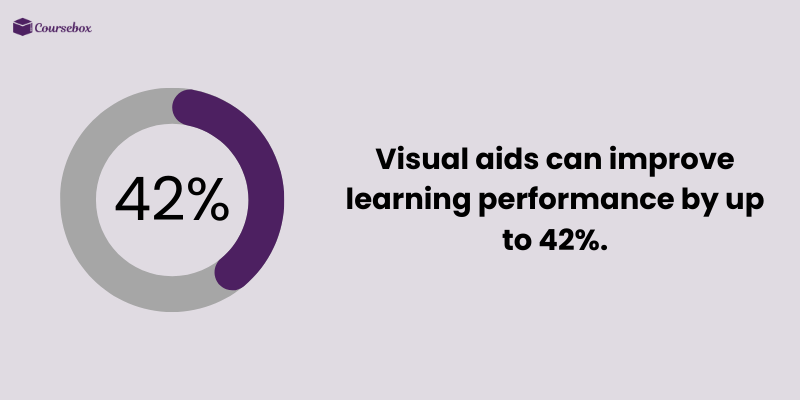
The use of tools to support learning is considered material scaffolding. This includes templates, checklists, guides, sample outputs, diagrams, and visual prompts. Surprisingly, visual aids can improve learning performance by up to 42%.
Material scaffolding reduces mental load. Providing learners with a proper format can help them focus on understanding the concept. It also improves accuracy because learners can now follow a proven model.
4. Strategic Scaffolding
Strategic scaffolding teaches learners how to think through a task. This includes planning steps, asking guiding questions, modeling problem-solving, or showing how to break down challenges. Over time, learners start using these strategies on their own.
This type of scaffolding builds independence. It helps learners stay organized, avoid rushing, and reflect on their progress. The best part is that structured thinking also improves success rates.
5. Peer Scaffolding
Last but not least, peer scaffolding uses collaboration as a form of support. Learners work in pairs or groups, helping each other understand ideas, share solutions, and practice skills together. This creates a supportive learning environment for everyone.
One reason peer learning is effective is that people often explain things more simply than instructors. That alone increases engagement and boosts learning outcomes.
Just remember that peer scaffolding works best in group training, workshops, and collaborative projects.
How to Implement Instructional Scaffolding Step-by-Step
Instructional scaffolding only works when you apply it with intention. With that said, below is a simple and practical walkthrough you can follow to bring scaffolding into any training session.
Step 1: Identify the Learning Gap
Start by understanding what your learners already know and what they struggle with. Look for the gap between their current skills and the skill you want them to develop. You can do this through quick polls, short quizzes, conversations, or simple observation.
When you know exactly where learners are starting from, you can create targeted support instead of throwing content their way that they don’t need.
Step 2: Set Clear Learning Objectives
Next, define the exact outcome you want to achieve. A vague goal like “learn the system” makes it hard for you and your learners to stay focused. Alternatively, a clear goal such as “complete a full report from start to finish” gives both sides a direction to follow.
Once learners know what they are working toward, they feel more confident. It also shows that every step of your training has a purpose they can understand.
Step 3: Choose the Right Scaffolding Tools
With your objectives in place, select tools that help you deliver structured support. This is where Coursebox becomes extremely useful.
At first, you can use our AI LMS to organize lessons in a logical sequence. This way, the users can access the learning materials in this LMS and learn from them even while on the move.
Another feature of Coursebox is the AI Video Generator. This helps trainers create training videos within minutes by using the existing documents. These visuals are way more engaging for learners than the documents you were going to share.

Step 4: Model, Guide, and Practice
This step is the heart of the scaffolding process. Start by demonstrating the task yourself so learners can watch and absorb the full process.
After that, guide them through the task slowly while you support their decisions, answer questions, and fill in missing steps.
Once they feel more comfortable, let them attempt the task independently with you nearby if needed. This gradual shift from observing, to trying, to doing builds confidence and makes the learning stick.
Step 5: Remove Support Gradually
The final stage is helping learners stand on their own. As they show more confidence and accuracy, begin to reduce the amount of help you provide.
Start keeping your explanations short, give fewer reminders, and allow them to practice by using their skills without relying on you. Remember, the goal here is independence, and you’ll know your scaffolding worked once learners can complete the task.
Scaffolding Strategies That Actually Work
If you want training that actually lands, these strategies will help learners absorb, apply, and memorize new material. Each tactic shapes learning in a way that feels natural and helps avoid overload.
1. Questioning Techniques
Asking the right questions helps learners think for themselves and not just absorb what you say. Don’t tell them the answer straight away; instead, prompt them with things like: “What might happen if we change this step?” or “Why do you think this approach could work better?”
This encourages critical thinking and deeper engagement. By turning instruction into conversation, learners are more likely to remember, understand, and apply what they learn. It turns training from a lecture into a dialogue, boosting learning quality.
2. Chunking Content
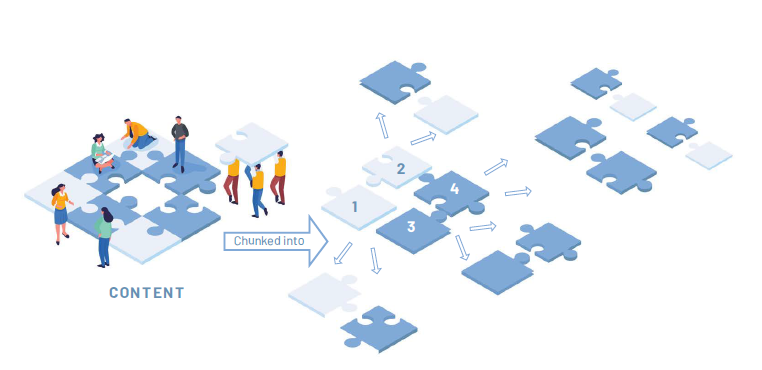
Chunking breaks large concepts into smaller, bite-sized sections. You might divide a long process into three or four stages, teach each stage at a time, and give learners a chance to practice before moving on.
Even studies on microlearning support this approach. As per research, microlearning can improve retention by 25-60% compared to traditional long-form training. This means that training works way better when delivered in short, focused bursts.
3. Visual and Multimedia Aids
Between 65% and 80% of people prefer visual learning, making this technique a whole lot more important. Such visual and multimedia aids turn abstract ideas into something concrete.
These visuals include process maps, flowcharts, screen recordings, and short explainer videos that show exactly how something works. On top of this, visuals help people who struggle with heavy text or long verbal explanations.
4. Pre-Teaching Vocabulary
Pre-teaching vocabulary means explaining important terms before you dive into the main content. You might list key phrases on a slide, define them in simple language, and give one short example for each.
This way, when learners encounter those terms later in the session, they will already recognize them. And you’d be surprised to know how much clear language matters, as the majority of workers still have to figure out workplace jargon on their own.
Upgrade the Way Your Team Learns
Instructional scaffolding is powerful because it turns complex learning into clear, step-by-step progress. It helps people feel supported at the beginning and confident by the end. However, without the right tools, even the best scaffolding strategies are hard to deliver.
Don’t worry. You have Coursebox as the only all-in-one tool you’ll need.
With our AI LMS and AI Training Video Generator, you can turn your scaffolding plans into real learning experiences in minutes. You can also generate quizzes and assessments and give learners instant feedback.

Sign up for Coursebox today to create engaging training modules with ease!
FAQs
1. How is scaffolding different from differentiation?
Scaffolding is temporary support given to help learners understand new material, and it's gradually removed as they gain confidence. Differentiation, on the other hand, adjusts instruction to match different learners’ abilities, interests, or learning styles from the start.
2. What are some signs that a learner needs scaffolding?
Learners may need scaffolding if they seem confused, hesitate to begin tasks, make repeated mistakes, or avoid participating. Struggles with applying new concepts or frequent requests for clarification are strong indicators. These signs show that the learner needs smaller steps or guided practice to move forward.
3. What common mistakes should teachers avoid?
Teachers often give too much help, remove support too early, or provide guidance that doesn’t match the learner’s actual skill level. Another common mistake is using the same strategy for every learner. Remember, scaffolding works best when it’s flexible and aligned with real needs.
4. What tools help teachers apply scaffolding effectively?
Digital tools like Coursebox, Google Classroom, and interactive platforms such as Kahoot or Nearpod help teachers structure learning step-by-step. They offer templates, guided activities, and real-time feedback that make scaffolding easier.
Alex Hey
Digital marketing manager and growth expert

