

How to Write a Lesson Plan For Workplace Training
Do you want to learn how to write a lesson plan for workplace training that keeps the learners engaged? Here’s a step-by-step guide for writing a lesson plan.


Go from storyboard to an interactive course in minutes
Successful workplace learning depends on a well-structured lesson plan that organizes objectives, goals, and teaching strategies. In modern workplaces, skipping lesson planning can compromise the impact of the learning experience.
Research shows that 86.58% of teachers who planned their lessons reported improved teaching quality and learning outcomes. This applies to L&D experts as well, since they equip learners with essential skills and knowledge.
Whether you're onboarding new hires or upskilling your current team, you need to learn how to write a lesson plan for workplace training. It helps L&D experts stay committed to the learner’s needs and makes the learning experience more engaging and productive. Here’s how to design a lesson plan.
Key Takeaways: How to Write a Lesson Plan for Workplace Training
- Define Learning Objectives: Clearly outline the skills that you want the individuals to learn by the end of training. This helps the L&D programs stay focused and straight to the point.
- Understand Who You’re Teaching: Analyze your audience's roles, skill sets, and learning needs. When you understand your participants' learning preferences and what challenges they face, you can curate a relevant and practical lesson plan.
- Break Content Into Segments: Divide the lesson into small segments to prevent overburdening the learners with knowledge. Bite-sized microlearning modules keep the learners focused.
- Add Interactive Activities: Case discussions, role-playing exercises, assessments, quizzes, and simulations make lesson plans interactive and interesting. These activities support active learning that enhances knowledge retention.
What Is a Lesson Plan?
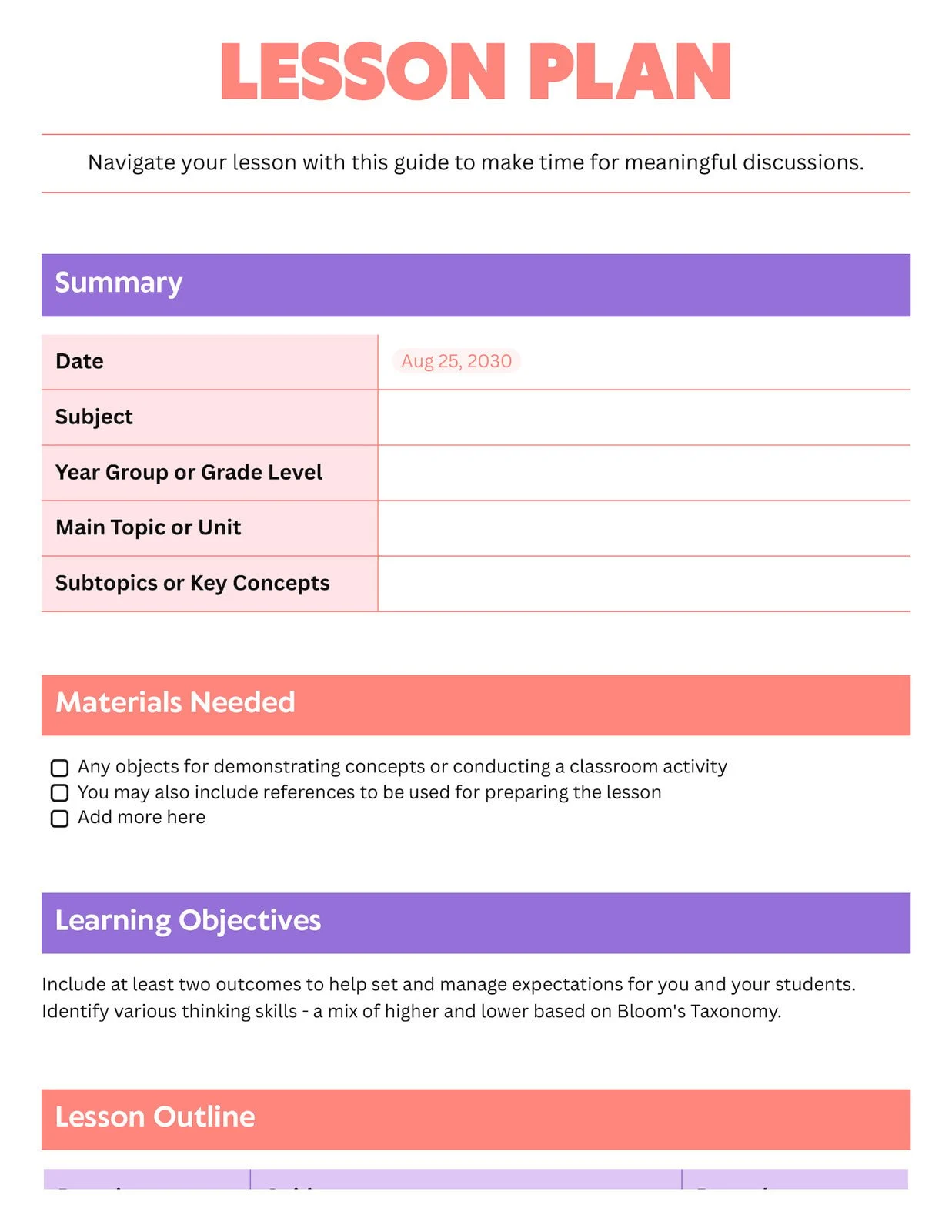
An effective lesson plan outlines the training content. Along with the content, it also incorporates the delivery method, training evaluation techniques, resources, and the complete timeline. This provides a structured guide to the instructional designer and educates the stakeholders on the value of the training program.
In the fast-paced corporate environment, time is limited. Lesson plans help L&D professionals organise content more strategically and prevent cognitive overload. By planning objectives and strategies in advance, instructional designers can create learning experiences that fit into the demanding work schedules.
An industry survey shows that comprehensive learning programs improve profit margins by 24%. This further reinforces the importance of lesson planning in building relevant learning programs that offer substantial ROI.
How to Write a Lesson Plan (Step-by-Step Guide)
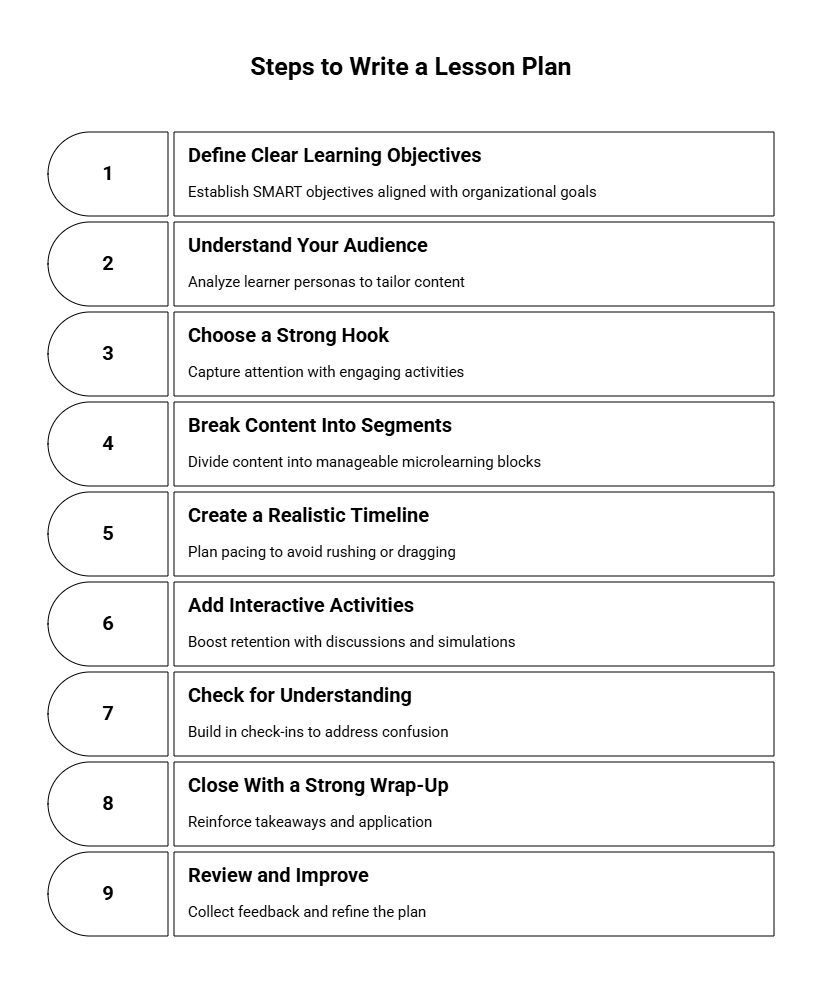
Writing a lesson plan for workplace training requires an in-depth knowledge of the organization's values. Additionally, a thorough understanding of the participants' learning preferences and skill gaps helps in writing a lesson plan that supports their professional development.
Here are nine practical steps to write a lesson plan tailored to your audience's needs.
Step 1: Define Clear Learning Objectives
The best lesson plans are designed backwards. This means before writing a lesson plan, you need to identify what you want the learners to achieve by the end of the session. Once you've made the list, you can plan lessons that meet those expectations.
When setting objectives, gather input from the stakeholders and interview the participants individually for a thorough understanding. Use the SMART (Specific, Measurable, Achievable, Relevant, and Time-bound) structure to clearly define your organization's learning goals to meet the objectives.
Step 2: Understand Who You’re Teaching
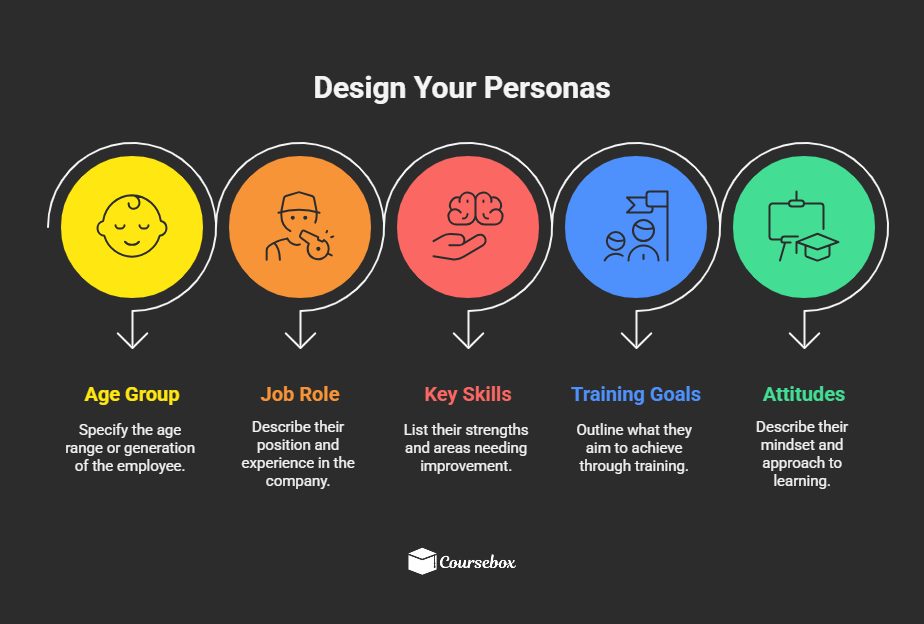
Your audience’s background and professional needs determine the trajectory of a training program. The tone, pace, and delivery vary depending on the learner's persona. Before formulating a plan, you need to ask yourself some basic questions, such as:
- What skills do your target audience currently have?
- What are the in-demand skills in the industry that they lack?
- Do they prefer traditional learning or blended learning?
- What is their job experience and their role in the company?
This helps the instructional designer better understand the learners. Without understanding who you're teaching, you risk designing a lesson plan that fails to keep the audience engaged.
Step 3: Choose a Strong Hook
Research shows that an adult’s attention span lasts around 20 minutes, but it has to be captured in 8 seconds. This means that the first few minutes of your L&D program will determine whether the audience will engage or mentally check out. A strong hook at the start is necessary to grab learners’ attention and set the tone for the session.
One way to achieve this is to share real-world case studies that connect directly to the topics. You can also invite the participants to solve a quick problem or plan a quick Q&A segment to spark their curiosity. This creates an active learning environment that keeps the learners engaged.
Step 4: Break Content Into Segments

According to cognitive load theory, presenting too much information at once puts stress on working memory. As a result, new information is not transferred from short-term to long-term memory. Industry experts usually recommend breaking down your training content into bite-sized microlearning modules.
Each microlearning segment is 2-5 minutes long and focuses on a single concept. This reduces cognitive fatigue and keeps the learners focused. Using an LMS for delivering microlearning modules makes L&D even more efficient. It enables individuals to access information according to their specific needs at the moment.
Step 5: Create a Realistic Timeline
Creating a realistic timeline before delivering a session is essential for staying on track and keeping the learners accountable. Without an allotted timeline, L&D programs may either drag on or feel rushed. Pacing allows instructional designers to maintain the flow and ensure the learners don’t feel lost or overloaded.
For an extensive learning program, you can divide it into different segments across days or weeks. The segments can be further divided by the hook, introduction, demonstration, discussion, and wrap-up, each with a specified time period.
Step 6: Add Interactive Activities
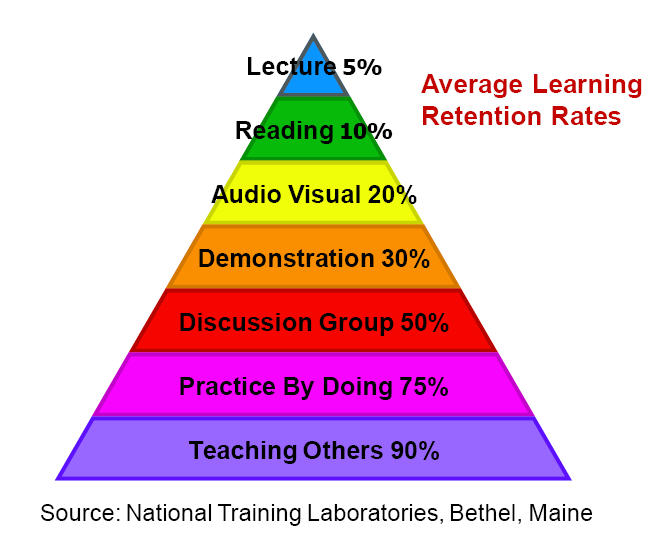
When it comes to knowledge retention, the learning pyramid reveals that active learning methods are superior to passive strategies. Interactive activities, such as group discussions, teaching others, simulations, and role-playing, offer practical application of theoretical knowledge.
When participants apply what they’ve learned in real time, they retain the knowledge for longer. For instance, planning a role-playing activity for sales training can help the team practice sales tips they have just learnt in a safe environment.
Bonus Tip: Allocate time during lesson planning for post-training discussions. This allows the audience to share key takeaways, clarify confusions, and offer unique perspectives, fostering a collaborative environment and deeper understanding.
Step 7: Check for Understanding Throughout the Lesson
Asking for feedback and assessing learners’ assessments after the training program is not enough. You need to continuously monitor understanding throughout the program to identify confusion early and adjust the pace. It’s important to include check-in intervals during lesson planning, so the training timeline doesn’t get messed up.
Include short quizzes, group discussions, and hands-on demonstrations to assess understanding. Encourage participants to ask questions to clear up any misunderstandings during the session. You can also invite them to summarize and explain key concepts in their own words to check their understanding.
Step 8: Close With a Strong Wrap-Up
An instructional designer's job doesn’t end with delivering content. They need to close the program by reinforcing key takeaways and explaining how to incorporate the learning into their routine workflow. A short hands-on activity or a mandatory reflection quiz is a perfect way to conclude the session.
Always set aside an appropriate time for the wrap-up so you don't have to rush through it. Closing the session properly is crucial to making learners feel valued and leaving a lasting impression. When the audience feels connected, they're more likely to practice what's taught.
Step 9: Review & Improve After Teaching
Your lesson plan doesn’t have to be perfect. You can always go back and improve it after the session. After teaching, review what worked and what needs refinement. Don’t forget to get participant feedback to improve your lesson plan and teaching methods.
The simplest way to get post-training feedback is through survey forms, one-on-one interviews, group sessions, and suggestion boxes. Participants usually prefer submitting anonymous responses. Keep the survey questions concise and include both multiple-choice and open-ended questions for greater insight.
Best Ways to Present Your Lesson Plan
Once you have designed your lesson plan, it’s time to present it without losing its essence. Oftentimes, great lesson plans fail due to wrong presentation techniques. To maximize the impact of your lesson plan, you need to make sure they translate into an engaging learning experience.
1. Highlight the Main Objectives First
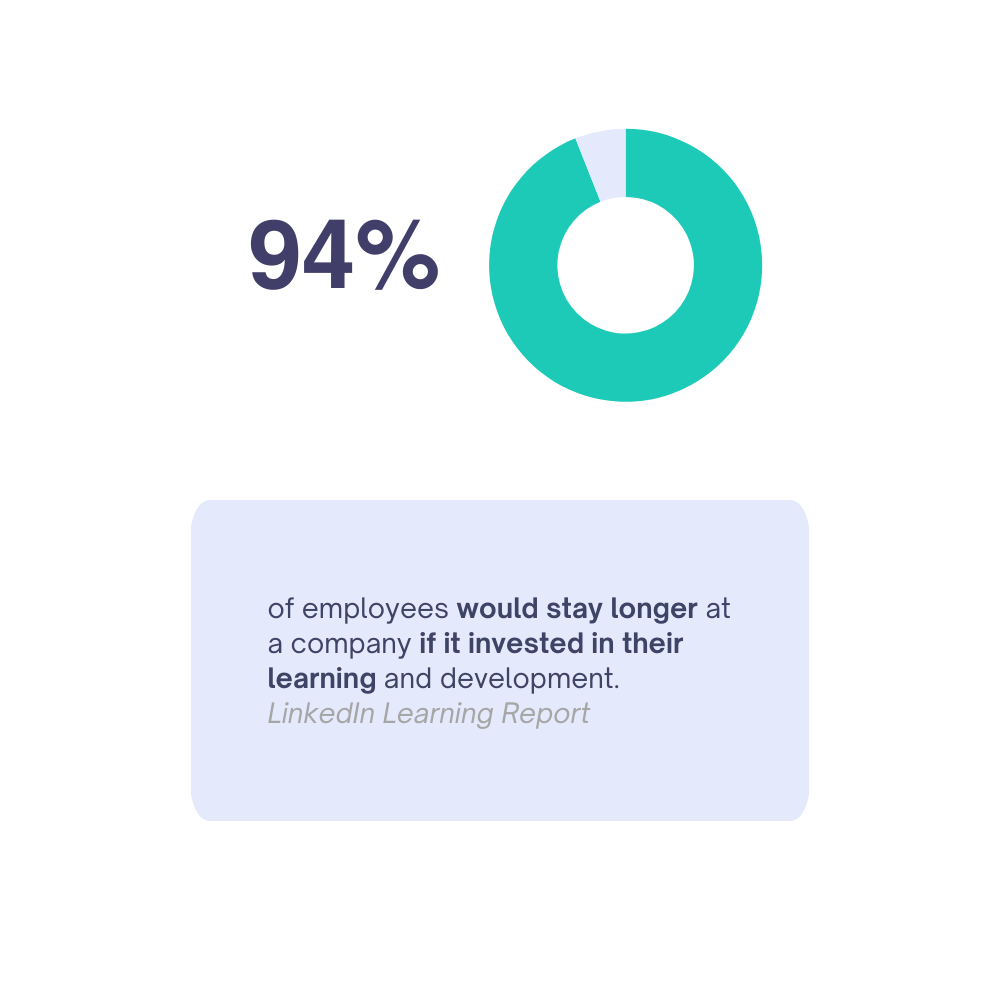
Learners and stakeholders prefer understanding the value of an L&D program before committing. Presenting the objectives first helps them see why the program matters. It connects the audience to the organization's goals and outlines the skills and knowledge they'll learn.
Research from LinkedIn Learning shows that 94% of professionals are more committed to staying with organizations that invest in their learning. Clearly communicating training objectives allows participants to recognize the relevance of the session. As a result, they follow it with greater interest.
2. Include Visual Aids or Simple Diagrams
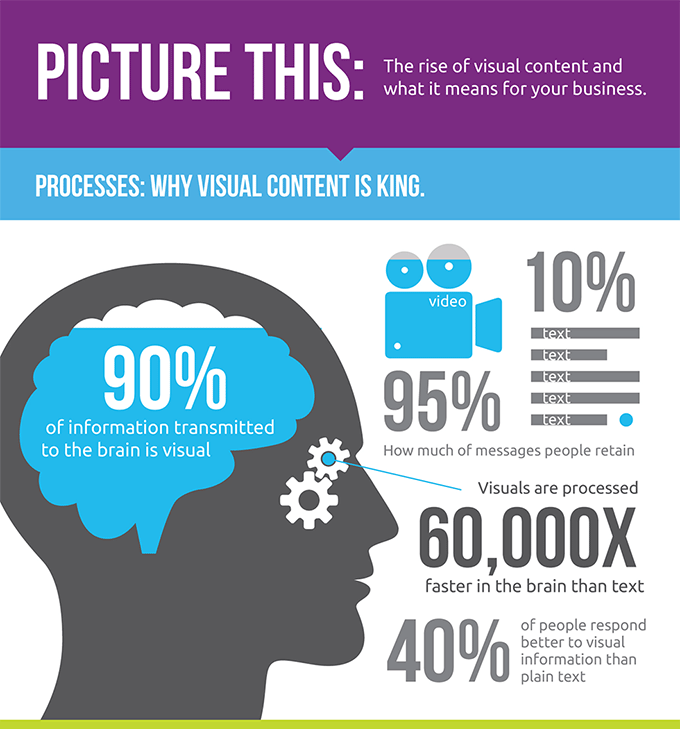
Visual aids, images, videos, and flowcharts are important components of lesson plans for workplace training. This is because 90% of all the information transmitted to the brain is visual. An effective lesson plan uses visual elements to make information easier to digest.
According to research, the human brain processes images 60,000 times faster than text. Visuals serve as cognitive shortcuts, helping learners connect ideas faster than they would with text alone. A lesson plan that integrates simple visuals, such as flow diagrams to clarify steps and map out activities, is easier to follow and implement.
3. Connect Activities to Learning Goals
Participants are more engaged when they can connect the training directly to the skills they need in their roles. When writing a lesson plan for workplace training, avoid being overly theoretical. Your lesson plan should clearly show how each activity supports a specific objective.
For example, a sales representative might be exposed to a role-playing activity in which they’re expected to handle a challenging client. This prepares them for real client dealings while being relevant to their job requirements. The audience feels more connected to the L&D program, which enhances their engagement and knowledge retention.
Tailor Your Workplace Training with Productive Lesson Plans
The first step to delivering professional training is to curate a lesson plan. When you know how to write a lesson plan for workplace training, your L&D programs become easier to manage. A lesson plan ensures you don’t deviate from the aim of the training.
Once your lesson plan is ready, the next step is to design a training program accordingly. Coursebox is an AI-powered course creator that enables you to create engaging training courses in seconds. It offers a range of intuitive features like AI quiz generator, AI LMS, and AI training video generator. Sign up for a free trial now and try it yourself!
FAQs
1. How long should a strong lesson plan be?
There’s no fixed length for a lesson plan. It depends on the time allotted for training, the organization's skill gaps, and the audience's interest. As long as the lesson plan is centered on learning objectives and includes a strong hook, interactive activities, learning assessments, and a solid wrap-up, the length doesn’t matter. Break the lesson plan into segments and deliver it in bite-sized modules to keep learners engaged.
2. Do I need a new lesson plan for every class?
You don’t always need an entirely new lesson plan for each session. Lesson plans can be reused, especially when teaching the same skill or system. However, it’s important to ensure it aligns with organizational goals and learning objectives. The lesson plans also need to be updated after each session to incorporate learner feedback.
3. What tools can I use to improve lesson planning?
There are several digital tools that can make lesson planning more efficient and less time-consuming. Tools like Microsoft OneNote, Evernote, and Google Classroom allow organization and visual mapping of content ideas.
Moreover, platforms like Coursebox help you design structured training modules with automated assessments and progress tracking.
4. How do I keep learners focused during long lessons?
To keep learners engaged during long lessons, focus on active learning. Adding interactive learning techniques like role-playing, gamification, and group discussions to your lessons prevents fatigue during long training hours.
Another proven tip to enhance participants' focus is to break down your lesson into bite-sized learning modules. Add real-world examples and case studies to your lessons to make them more relevant.
Travis Clapp
Educational technologist and instructional designer

