

The Only Guide You Need for Selling Online Courses
Selling online courses starts with smart steps. Find out how to boost sales, build trust, and create loyal learners.


Build, launch and sell quality courses in minutes.
The online learning world is buzzing right now, making this a perfect moment to dive in as a course creator. With eLearning projected to hit nearly $300 billion by 2029, growth opportunities have never looked brighter.
Whether you dream of earning passive income, building industry authority, or running a thriving education business, the steps ahead will guide you from idea to launch.
Selling courses can be rewarding, but success comes from smart planning and a clear strategy. Using AI-powered tools can simplify content creation while helping you create lessons that resonate with learners.

The goal is simple: connect with your audience, deliver real value, and market your offer with impact. Now, let’s dive into the proven tips that can turn your course idea into a successful online business.
15 Tips for Creating and Selling Online Courses Effectively

This guide covers everything needed to sell your course successfully, organized into three stages: before launch to lay the groundwork, during launch to drive excitement and enrollment, and after launch to keep students engaged and grow your business.
Without further ado, let’s explore course content creation tips and selling strategies that actually work.
Before Launch – Building the Foundation
Selling begins long before your course goes live. The prep work you do here will make a huge difference once you start promoting.
1. Know Your Audience and Market Demand
Before you record a single lesson, understand who you’re teaching and what problems they want solved. Coursebox AI lets you quickly test course ideas by creating a mini version or outline to share with your audience for feedback. Use that feedback to refine your content and ensure demand.
2. Create a High-Value Course with the Right Tools
Quality matters. People buy courses that solve real challenges and deliver results, so make sure you create a high-quality online course.
When using a modern LMS, you can upload your existing content, including videos, documents, or even website text, and let the AI convert it into a structured course with lessons, quizzes, and certificates.
3. Build Your Email List Early
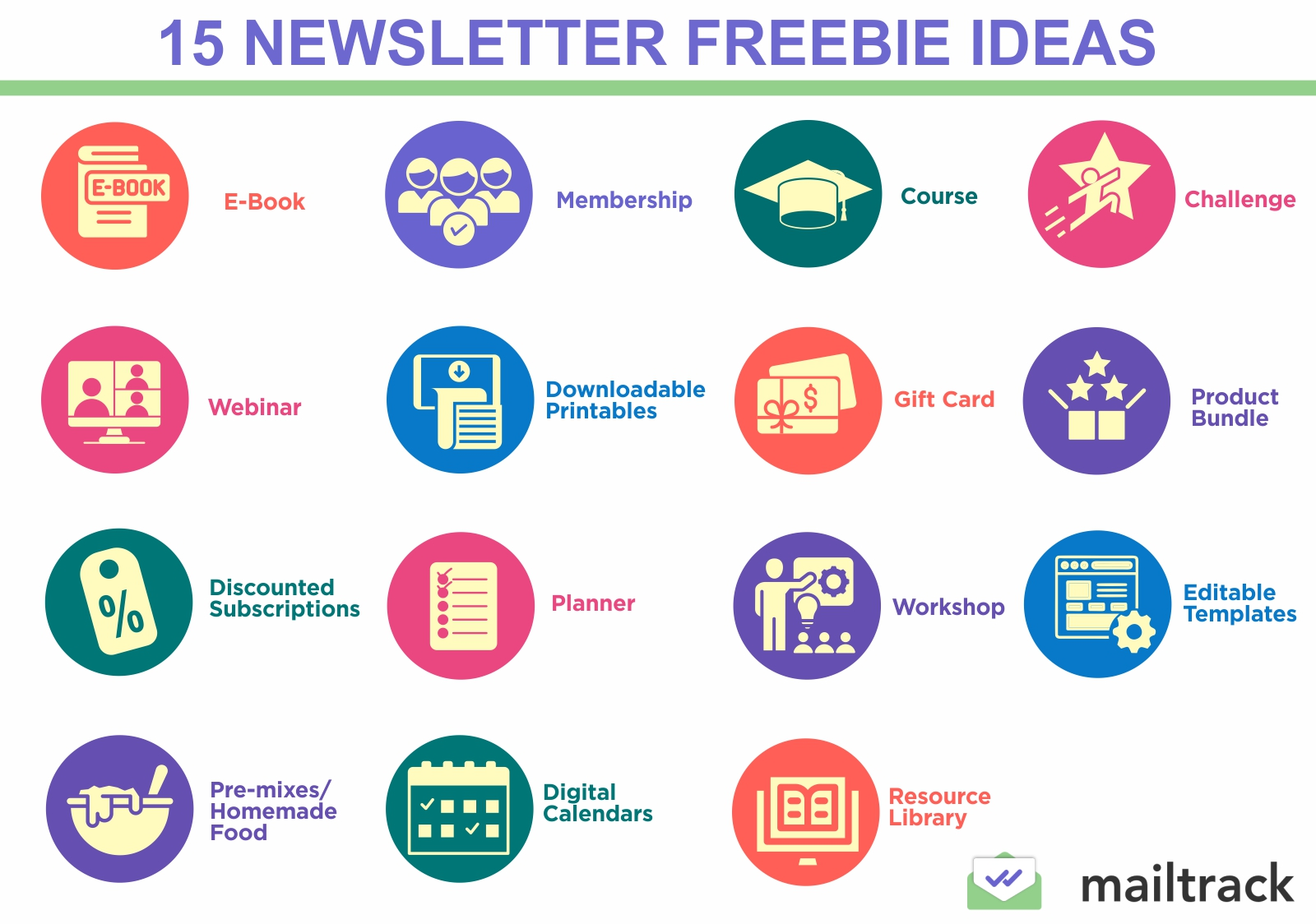
Don’t wait until launch to start collecting emails. Offer a freebie, like a short course, checklist, or template. Those early subscribers will be the first to hear about your launch and most likely to enroll.
4. Design a Sales Page that Converts
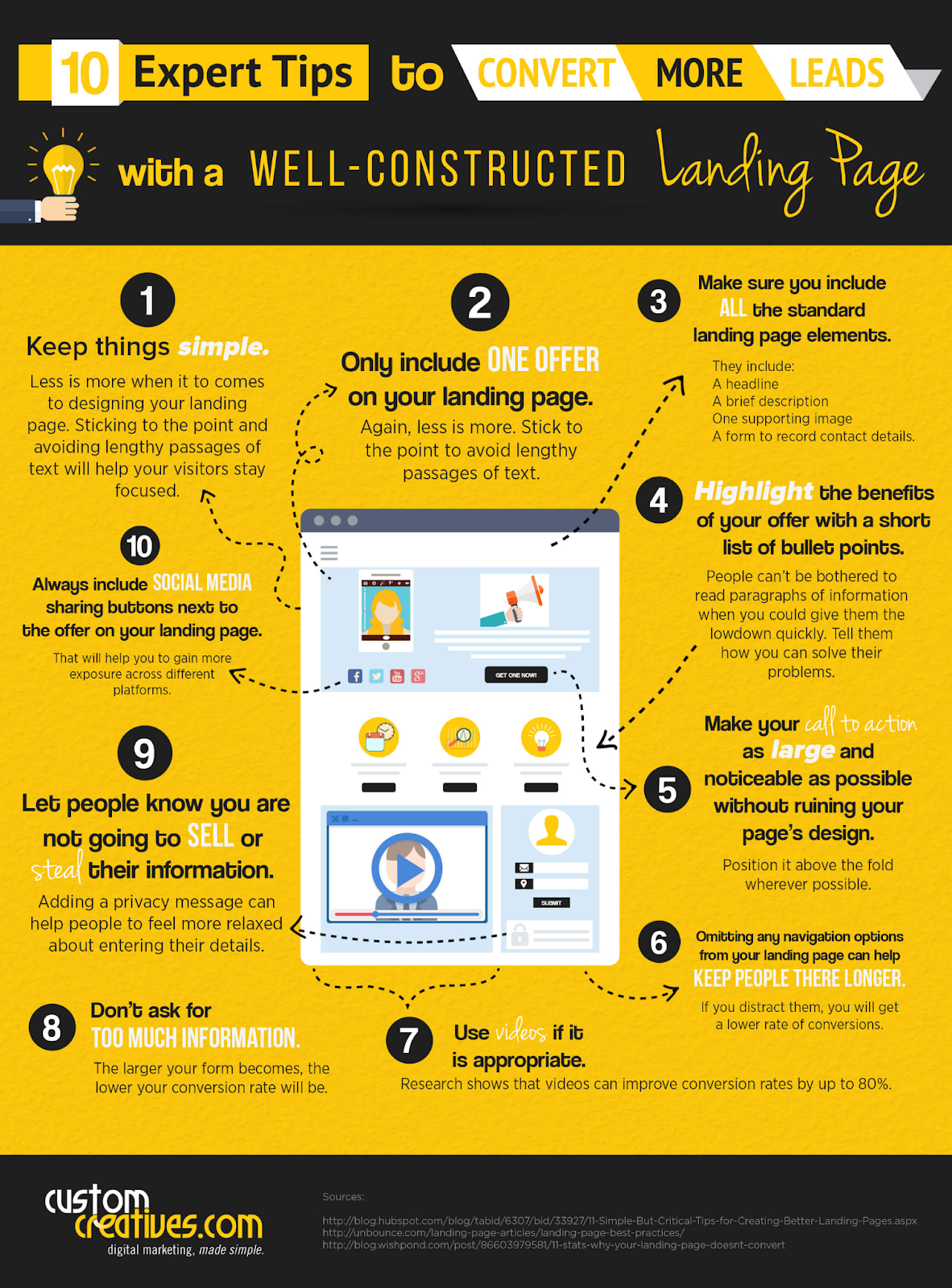
Your landing page is your 24/7 salesperson. Make sure it clearly explains:
- The benefits of your course
- What students will learn
- Why you’re the right person to teach it
Pro tip: Include social proof like testimonials, student results, and endorsements to boost trust.
5. Warm Up Your Audience with Content Marketing
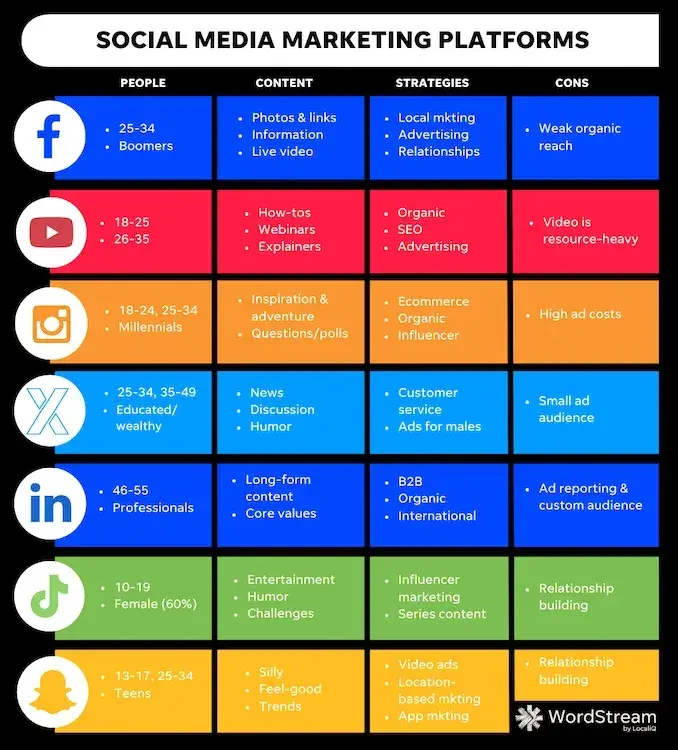
Weeks before launch, start sharing value-packed content related to your course topic. Blog posts, YouTube videos, and social media updates position you as an expert while building anticipation. You can even repurpose course snippets into free lessons to give a preview of your teaching style. Make sure you curate your content to audiences of different social media platforms.
During Launch – Generating Excitement and Sales
Your launch is your big moment, and the goal here is to build momentum and get as many enrollments as possible in a short time.
6. Host Webinars and Live Sessions
Spending 30–60 minutes live with potential students builds trust quickly. Create interactive slides, polls, and Q&A prompts to keep your audience engaged. End your webinar with a clear call to action to join the course.
7. Leverage Podcasts and Guest Appearances
Get in front of someone else’s audience by being a guest on podcasts, webinars, or YouTube shows. Share valuable insights, then direct listeners to your course. This works especially well if you’ve already built your course, since you can confidently talk about what students will gain.
Pro tip: With podcasts going mainstream and attracting more listeners, expect this medium to become even more valuable in the future.

8. Run Targeted Ads
If the budget allows, run ads on Facebook, Instagram, or Google targeting your ideal student. Keep track of ad spend versus enrollments to ensure profitability.
9. Optimize for Search Engines
Make sure your sales page, blog, and other content use relevant keywords so your course is easy to find. A steady stream of organic traffic means long-term sales potential.
10. Offer Limited-Time Promotions
Discounts, bonuses, or bundles can create urgency. Set up timed offers and coupons so you can run flash sales without extra tech hassle.
After Launch – Retention, Upselling, and Scaling
The biggest mistake course creators make is thinking the work ends once someone buys. In reality, this is where long-term profit begins.
11. Deliver a Memorable Learning Experience
A satisfied student is far more likely to leave a glowing review or recommend your course. That said, consider adding interactive quizzes, automated grading, and even a tutoring chatbot that answers student questions 24/7. This keeps engagement high without you needing to be online constantly.
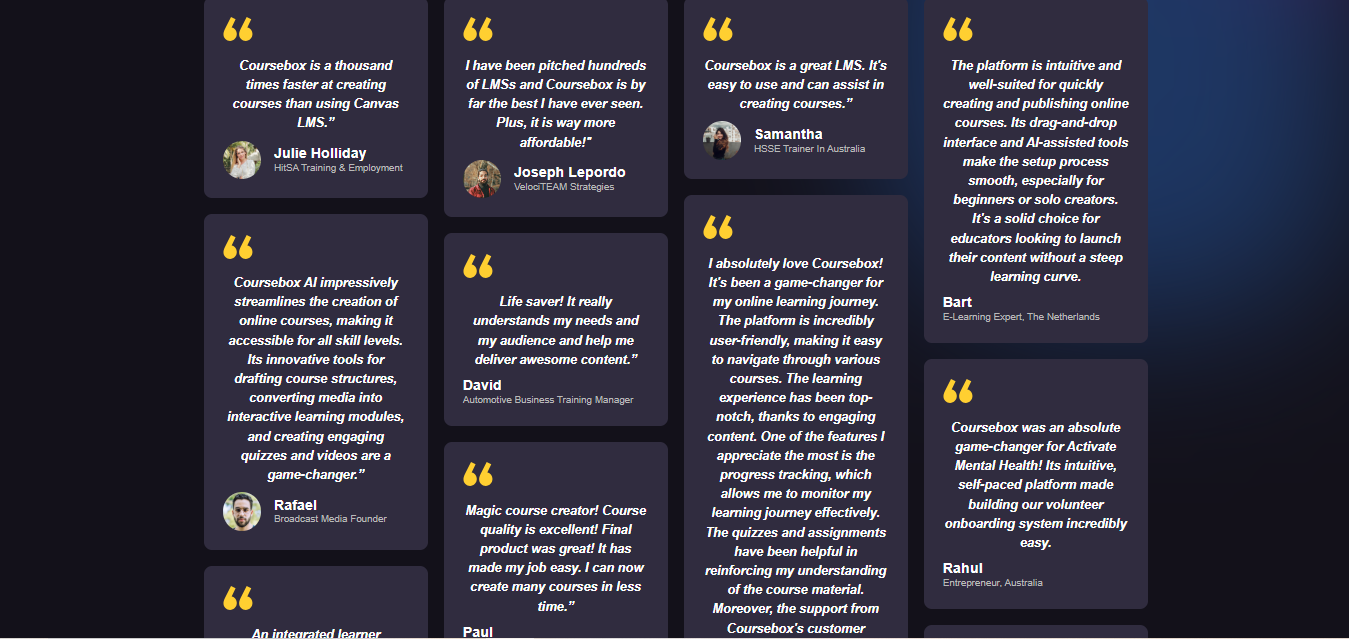
12. Collect Reviews and Testimonials
Ask students about their experience. Positive reviews become powerful marketing tools for your next launch, and constructive feedback helps improve your course. Your brand would gain more trust if you showcased all the good reviews on a specific page on the website and share the same from time to time.
13. Upsell with Additional Offers
Once a student has completed your course, offer them:
- Advanced courses
- Premium coaching packages
- One-on-one tutoring
- Exclusive digital resources
14. Build a Thriving Learning Community
Online communities keep students engaged long after the course ends. You can host forums, group discussions, and live events. Encouraging peer-to-peer interaction boosts motivation and creates loyal fans who promote your work for free.
15. Keep Your Content Fresh
Update lessons with new examples, case studies, and data. A course that stays relevant is a course that continues selling.
Is Selling Online Courses Profitable?
Selling online courses opens doors to passive income by creating content once and sharing it widely, without extra effort. That kind of scalability lets you connect with learners globally, no logistics slowing things down.
Sharing wisdom helps others grow while positioning you as a trusted expert. That credibility often leads to consulting gigs, speaking opportunities, business partnerships, or even collaborative ventures.
Here’s how you can build profit through online courses, especially with Coursebox AI:
Monetize Your Audience
If you already engage readers, viewers, or followers through content, ads, a shop, or subscriptions, launching a course with Coursebox AI adds depth to that connection.
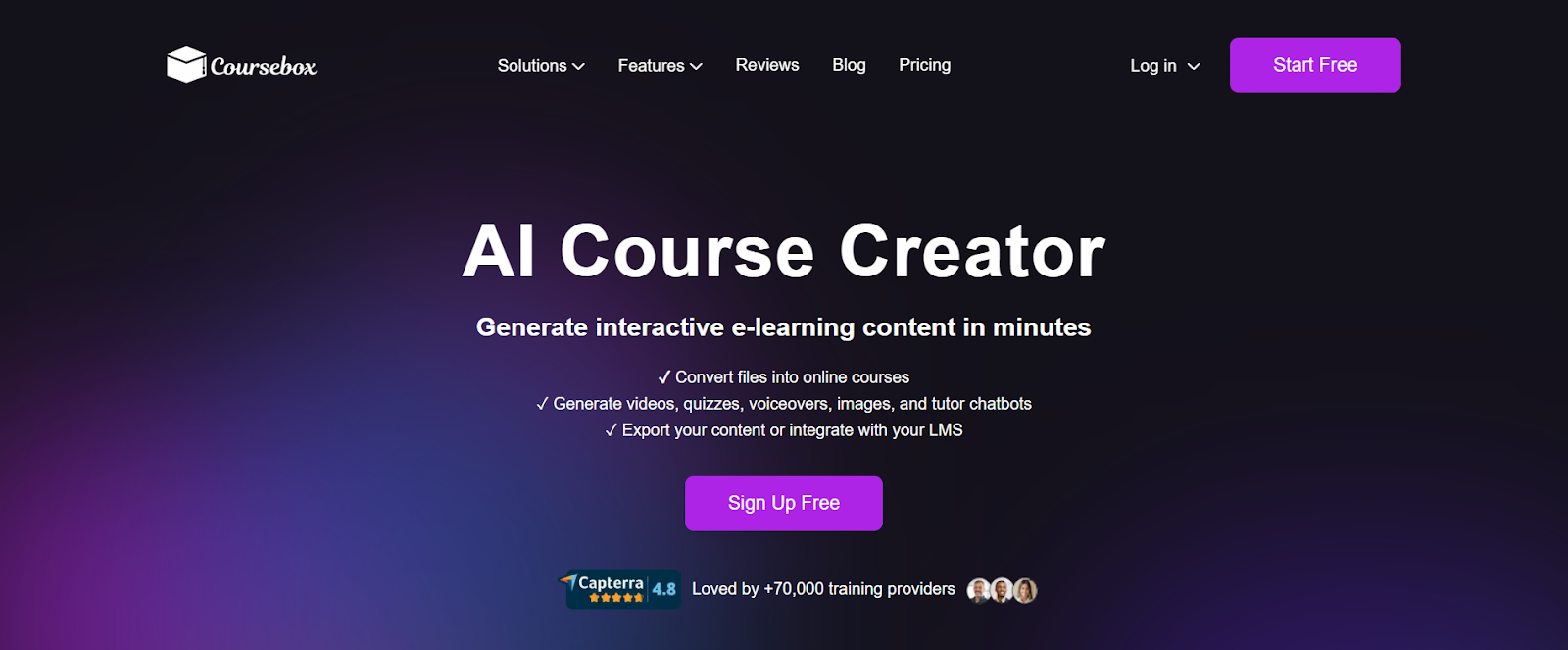
Coursebox lets creators convert files, like videos, docs, or websites, into full courses in minutes using AI-driven tools. Educational content becomes a scalable revenue source that integrates smoothly with your existing offerings.
Build a Profitable Online Education Business
If you run training programs, coaching, or educational products, Coursebox AI helps boost reach and streamline delivery. Our AI course creator drafts entire course outlines almost instantly, then lets you refine them with a drag-and-drop editor.
Coursebox AI also packs a full learning management system (LMS) powered by AI, combining video creation, AI-generated quizzes, automated grading, a tutoring chatbot, certificates, and custom branding—everything you need in one platform.
This gives you tools to scale, engage learners smarter, and build sustainable income.
Turn Expertise into Side Income
If you hold a full-time role or run a business and want extra revenue, Coursebox AI simplifies course creation and management.
You can generate video lessons, quizzes, assessments, and even tutor-style chatbots quickly, while automating grading and certificates. That means minimal ongoing upkeep, giving flexibility to grow gradually or transition into full-time course creation at your own pace.
Maximize Your Passive Income with Coursebox AI
Creating and selling online courses lets you share expertise, inspire learners, and shape your industry, all while generating revenue. Every lesson you create builds a lasting legacy and opens doors to growth.
Start today with Coursebox AI’s free plan, explore our tools, and take the first step toward building a course business that makes a real difference.
FAQs
How do I price my online course effectively?
Your pricing strategy depends on your audience, competition, and the value your course delivers. Start by researching similar courses in your niche, then test different price points. Consider offering tiered pricing—basic access versus premium with extras like coaching or resources. Avoid underpricing, as it can signal low value. Instead, focus on aligning price with the transformation learners expect.
Do I need credentials to sell an online course?
Formal credentials help, but aren’t required. What matters most is your proven experience, results, and ability to solve a problem for your learners. If you can share case studies, testimonials, or personal success stories, students will trust your expertise. Credentials add authority, but strong practical knowledge and teaching skills often carry more weight in the eLearning space.
How long should an online course be?
There’s no fixed rule. The right length depends on the subject and your learners’ goals. Micro-courses can be 1–2 hours for quick skills, while signature programs may run 10+ hours across multiple modules. Focus on efficiency—covering essential content without filler. Learners value clarity and results more than course length, so keep lessons focused and actionable.
What mistakes should new course creators avoid?
Common mistakes include creating a course without validating demand, overwhelming students with too much information, and neglecting marketing. Many also fail to update content regularly, which hurts credibility. Another trap is focusing only on sales, not the learning experience. To avoid these pitfalls, test ideas early, keep lessons structured, and engage with learners throughout their journey.
How can I protect my online course from piracy?
No system is perfect, but you can reduce risks. Use platforms with built-in security features like video streaming instead of downloadable files, watermarks, and password-protected access. Clear terms of service discourage misuse, while monitoring unauthorized use with takedown tools helps. Most importantly, focus on creating a strong brand and community—loyal students are far less likely to pirate your content.
Alex Hey
Digital marketing manager and growth expert

