

Flipped Learning: How It Works and How You Can Implement
Curious about why flipped learning is transforming modern training? Learn how this approach works and the simple steps you can use to implement it effectively.


Go from storyboard to an interactive course in minutes
Flipped learning is quickly becoming one of the most effective ways to train employees, especially in corporate environments. Instead of spending classroom time listening to information, learners explore the basics on their own first and then use training sessions for practice.
This shift creates stronger engagement, since people arrive already familiar with the topic and ready to participate. It also gives trainers more time to focus on coaching, feedback, and hands-on support, which leads to better results.
If you’ve been looking for a way to deliver training, flipped learning might be exactly what your team needs. Here’s how it works and how you can start using it the right way.
Key Takeaways: Flipped Learning
- What It Is: Flipped learning reverses the traditional approach by letting employees learn basic concepts on their own and using class time for hands-on practice and problem-solving.
- Why It Works: It creates higher engagement, better focus, and stronger retention because learners arrive prepared and take an active role during training sessions.
- Benefits: Teams get personalized support, trainers save time, participation increases, and overall productivity improves as employees gain confidence.
- Tips to Implement: Keep pre-class lessons short, start with one module, gather feedback regularly, and use tools like Coursebox to create videos and organize content.
What Is Flipped Learning?
Flipped learning is a training approach where employees learn the basics before the session, usually through short videos, readings, or guided modules. This frees up class time for practice, real application, and direct support from the trainer.
Even a meta-analysis of flipped learning studies found that 93% reported higher engagement, whether emotional, cognitive, or behavioral.
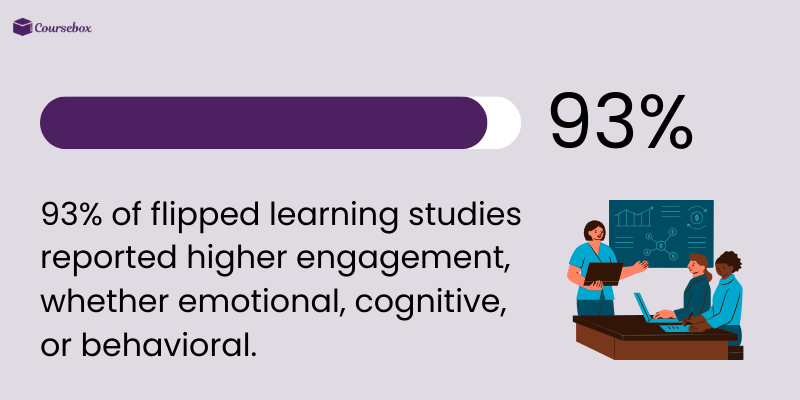
This happens as learners arrive with a foundation already in place, making discussion, activities, and problem-solving far more effective.
In simple terms, flipped learning shifts passive learning out of the classroom and uses live time for meaningful, hands-on work. That’s the part that actually improves employee skills and performance.
How Flipped Learning Works in Practice
Flipped learning becomes powerful once you see how each stage works together. It shifts the learning load in a way that keeps employees prepared, engaged, and ready to apply what they’ve learned.
Step 1: Employees Learn the Basics at Home
The flipped model begins before the training session. In this model, the employees review the core material on their own through short videos, slides, or microlessons. This helps them understand the basic concepts without the pressure of keeping up with a live session.
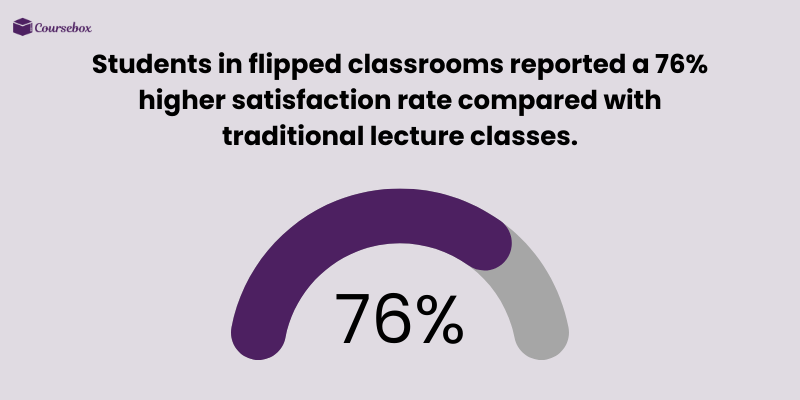
They can also pause, replay, or take notes at their own pace. When learners arrive already familiar with the topic, live sessions become much more meaningful. It increases satisfaction by 76%, as reported by a recent study.
Step 2: Class Time Is for Practice and Application
Because employees already know the fundamentals, the session becomes interactive rather than instructional. Trainers use class time for hands-on tasks, real examples, group discussion, and problem-solving activities.
This practical approach helps employees bridge the gap between “knowing the idea” and “using the skill.” As a result, trainers get more time to observe, answer targeted questions, and correct mistakes early.
Step 3: Continuous Assessment and Reflection
The final stage of flipped learning involves checking progress and encouraging reflection. The trainers use quick quizzes, short assignments, or feedback sessions to evaluate how well learners are applying what they learned.
Learners also reflect on what worked and what they need to improve. This loop of assessment and reflection reinforces learning and helps trainers adjust future training paths based on real data and real needs.
Why Flipped Learning Works
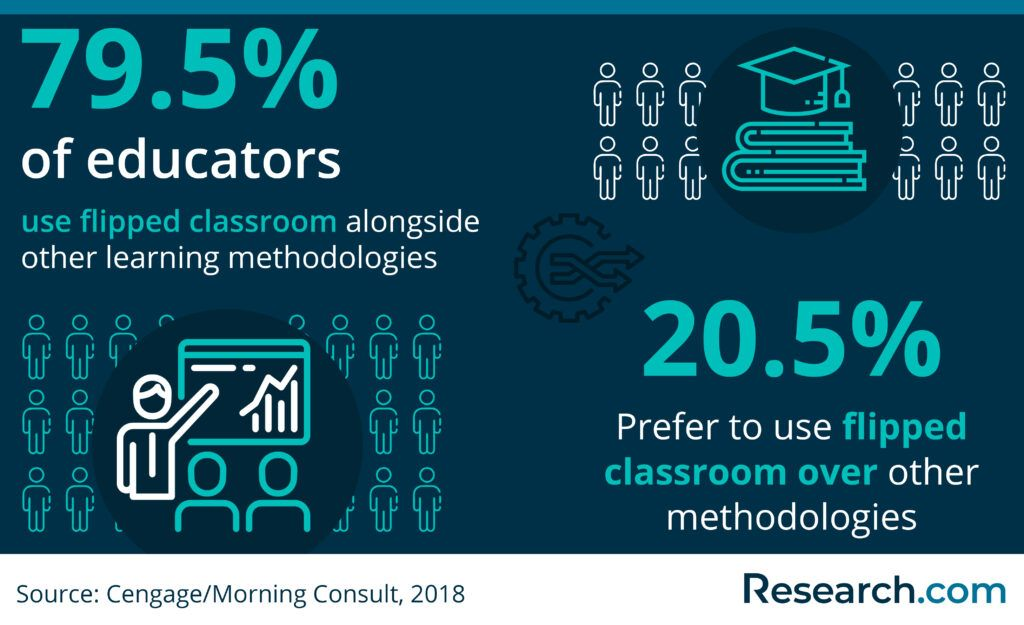
This unique type of learning succeeds because it creates a learning environment where employees feel more involved and responsible. It’s also why 79.5% of educators use flipped learning alongside other methods to increase employee retention.
Keeping that in mind, here are reasons why flipped learning works so well:
1. Better Engagement
Engagement increases as learners don’t enter the session cold. They’ve already explored the basics on their own, so the live session feels purposeful instead of overwhelming.
This early exposure makes them more willing to participate, ask questions, and contribute to discussions. It also shifts the atmosphere from passive listening to active involvement, making learning more memorable.
2. More One-on-One Support from Trainers
Since the foundational content has already been covered at home, trainers no longer have to spend the entire session explaining concepts. They now have time to walk around, listen, observe, and give targeted support to individuals.
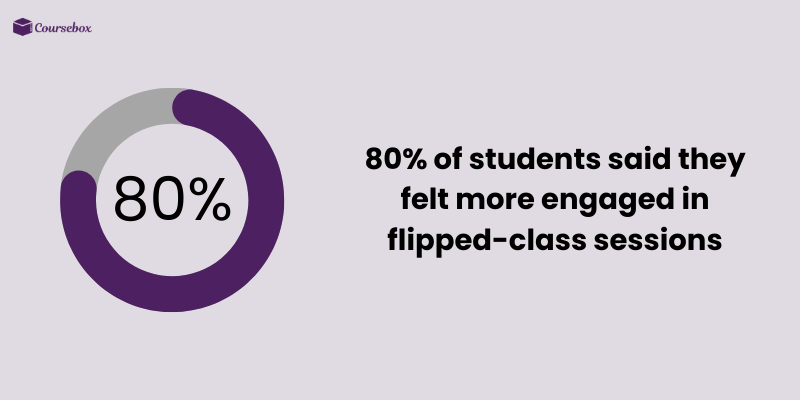
Personal guidance helps learners overcome their specific challenges and builds trust between the trainer and the team. As a result, 80% of students report feeling more engaged during sessions.
3. Improved Learner Ownership
With flipped learning, employees take charge of the first stage of learning. They control the pace, timing, and environment of their initial exposure to the material. This independence boosts confidence.
Once they enter the session, they feel more prepared to contribute and more invested in the outcome. That sense of ownership carries into the practical work, making participation more focused and intentional.
4. Increased Participation Time
Traditional sessions often leave very little time for practice. Flipped learning solves this by shifting content delivery outside the classroom, which leaves the entire session available for hands-on activities.
This dramatically increases the time learners spend applying skills. More practice means faster improvement and more immediate feedback. In short, participation becomes natural as everyone is already warmed up with the basics.
Benefits for Companies and Employees
For both companies and employees, flipped learning creates clear advantages. It transforms how training works to make it more effective and better aligned with what the real-world problems demand. These benefits include:
1. Personalized Skill Development
Flipped learning lets each person learn at their own pace before class. Everyone can review the material by rewinding the video, rereading instructions, or spending extra time on difficult points without pressure.
When class begins, trainers determine who needs support and who is ready to advance. This individualized pace improves understanding and reduces frustration.
2. Higher Participation
As learners arrive prepared, class time becomes active and engaging. Instead of passive listening, people collaborate, discuss, practice skills, and ask questions. This active participation keeps energy high and helps ideas stick.
Trainers often see better engagement rates, more meaningful conversations, and stronger retention because participants have already built a basic understanding.
3. Reduced Trainer Workload
Once the core training material is delivered before class, trainers no longer have to repeat the same explanations. They can focus on real applications, coaching, and addressing individual questions.
This reduces repetitive prep work and makes sessions more productive. Over time, trainers save hours of lecture time and can manage more learners without sacrificing quality.
4. Stronger Team Productivity
Lastly, flipped learning speeds up how quickly employees can apply what they learn. With more practice time and a clearer understanding, teams make fewer mistakes and work more confidently.
As employees become more capable, the overall workflow improves, and productivity increases naturally. This creates a stronger, more skilled workforce that benefits the entire organization.
Highly Effective Tools for Flipped Learning
Flipped learning works best when the right tools support both the pre-class and in-class experience. However, if you’re not familiar with the tools you can use for this, here are the ones that can come in handy as a beginner:
1. Video Creation Tools
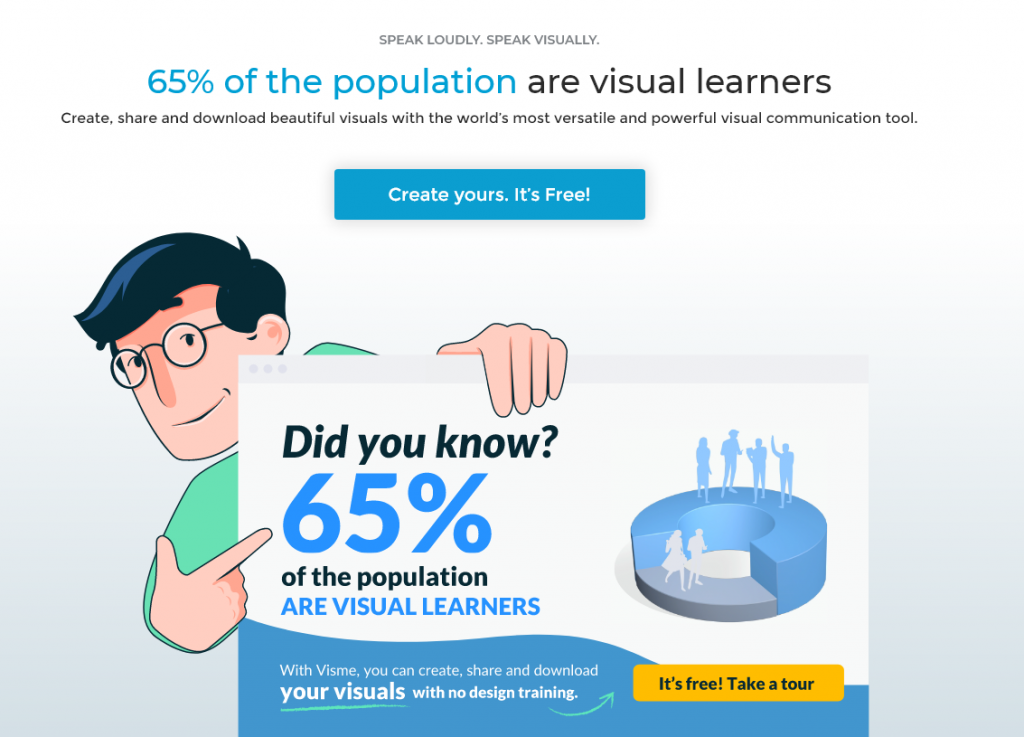
Studies show that 65% of the population are visual learners, which makes video creation tools a basic need for flipped learning. Visuals such as explainer clips, demonstrations, or tutorials help employees learn the basics on their own.
These videos help break complex material into smaller, manageable pieces as we do in bite-sized learning. By using such visuals, employees can pause, replay, or review any of the videos as needed.
2. LMS Platforms
A Learning Management System (LMS) organizes the learning journey so employees know exactly what to complete before arriving in class. It provides structure by hosting videos, documents, modules, and activities in a clear sequence.
Remember, a strong LMS also tracks progress, reminds learners of upcoming tasks, and gives trainers data about who is ready and who needs support. This makes the flipped model far easier to manage at scale.
3. Assessment Tools
On top of having a training video and an LMS to deliver it, all you need are assessment tools. They help you check understanding before, during, and after the session. Quick quizzes, short checks, and automated feedback guarantee that learners actually grasp the basics.
These tools also help trainers adjust their in-class activities based on real learner data and make each session more targeted and effective.
All-in-One Solution: Coursebox
Coursebox combines all three elements into one platform. You can create AI training videos, deliver structured learning through an AI LMS, and build assessments with an instant AI grading feature.
Tips to Implement Flipped Learning Successfully
Even though you already know what flipped learning is and the right way and tools to implement it in your organization, you can still use these tips to make it more effective. These tips will help you roll it with confidence.
1. Keep Pre-Class Lessons Short
Short lessons create better learning outcomes since employees can absorb information without feeling overwhelmed. So, aim for brief videos or micro-modules to keep employees focused on completing the pre-class work on time.
This will increase the chances that everyone arrives prepared to make the in-class session far more productive and interactive.
2. Start Small Before Scaling
Next, begin by flipping one lesson, one module, or one training topic. This lets you test your approach, refine your content, and see how your team responds.
As you gain confidence and learn what works, you can expand the flipped model to more courses. Starting small helps you avoid stress and gives your team a smooth transition into a new learning style.
3. Collect Feedback and Adapt
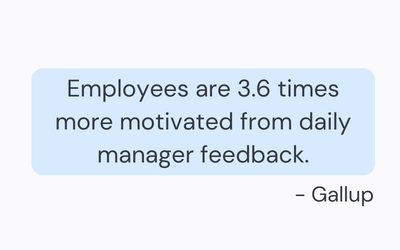
If you want your employees to be 360% more motivated, make sure to provide regular feedback. It is essential for refining your flipped learning approach.
You can ask learners what helped, what felt unclear, and what they’d change. Then, use that input to adjust your videos, instructions, and in-class activities. Each improvement strengthens the next session and increases learner satisfaction.
Is Flipped Learning Right for Your Employees?
As you know, flipped learning shifts passive listening into active participation and turns training sessions into hands-on. If your workers struggle with long lectures and low engagement, this model can create stronger clarity and more confident performance.
But it only works well with the right tools, such as Coursebox, an all-in-one platform.
With it, you can create AI-generated training videos in minutes and use instant AI quizzes to measure readiness. Everything you need for a successful flipped learning approach is available on this platform.
Sign up for Coursebox today and make your employees more productive!
FAQs
1. Is flipped learning suitable for all age groups?
Yes, flipped learning works well across different age groups as long as the content is appropriate and the instructions are clear. Younger learners may need more guidance on how to use pre-class materials, while adults generally appreciate the flexibility. The core idea benefits everyone by reducing pressure during class.
2. What are the best tools for creating flipped lessons?
One of the best tools for creating flipped lessons is Coursebox. It lets you generate full training videos with AI, create AI-graded quizzes, and organize lessons in a clean AI-powered LMS. With it, you can turn documents, slides, or ideas into structured flipped lessons in minutes rather than hours.
3. How is flipped learning different from blended learning?
Flipped learning reverses the traditional order. Learners explore new ideas before class. Class time is used for active application. Meanwhile, blended learning combines online and classroom instruction without changing the order of learning. In a flipped model, the “lecture” happens at home and the “doing” happens in class.
4. How long should pre-class videos be?
The shorter the better, but not too much. Ideally, effective pre-class videos are 5 to 10 minutes long because they help learners absorb information without losing focus. Anything longer should be broken into smaller segments. The goal is to give a clear introduction to the concept, not cover everything.
Travis Clapp
Travis Clapp is the original founder and CEO of Coursebox. As an experienced instructional designer, he has lived through the process of building high quality courses. These experiences brought about his idea to upload all your documents and ideas into a virtual box that could convert those magically into a course. Prior to Coursebox, he successfully founded and built a social based LMS. Travis has 15+ years of experience designing courses and EdTech platforms from university MOOCs to enterprise LMS. Travis has built training for reputable companies like Johnson & Johnson, Electrolux, Michael Hill and SA Health. One of his courses reached 20,000+ learners which was a flagship edX course. He is based in the Adelaide, South Australia office and passionately works on customer support, sales and bringing the original product vision to life every day.

