

10 Best Healthcare LMS Platforms for Compliance Training
Discover the best healthcare LMS for clinics and hospitals. Manage training, compliance, and learning in one simple platform.


Run your own branded LMS with unlimited learners
Training in healthcare carries real pressure. Patient safety, strict rules, and constant updates leave little room for mistakes. Long shifts and busy teams make consistent training hard to manage.
That’s where the best healthcare LMS helps. A modern LMS for healthcare delivers flexible training, supports compliance, and builds skills without disrupting care. Healthcare LMS platforms bring learning, tracking, and reporting into one system.
This guide reviews leading LMS options for clinics, hospitals, and care teams, helping you find the right fit for your training needs.
Full Disclosure: This blog is owned and operated by Coursebox. While we include ourselves in this list because we believe in our platform, we've provided an objective breakdown of features to help you choose the best fit.
Best Healthcare LMS Platforms: Our Top 10 Picks
Explore everything about the greatest LMS solutions for healthcare:
1. Relias
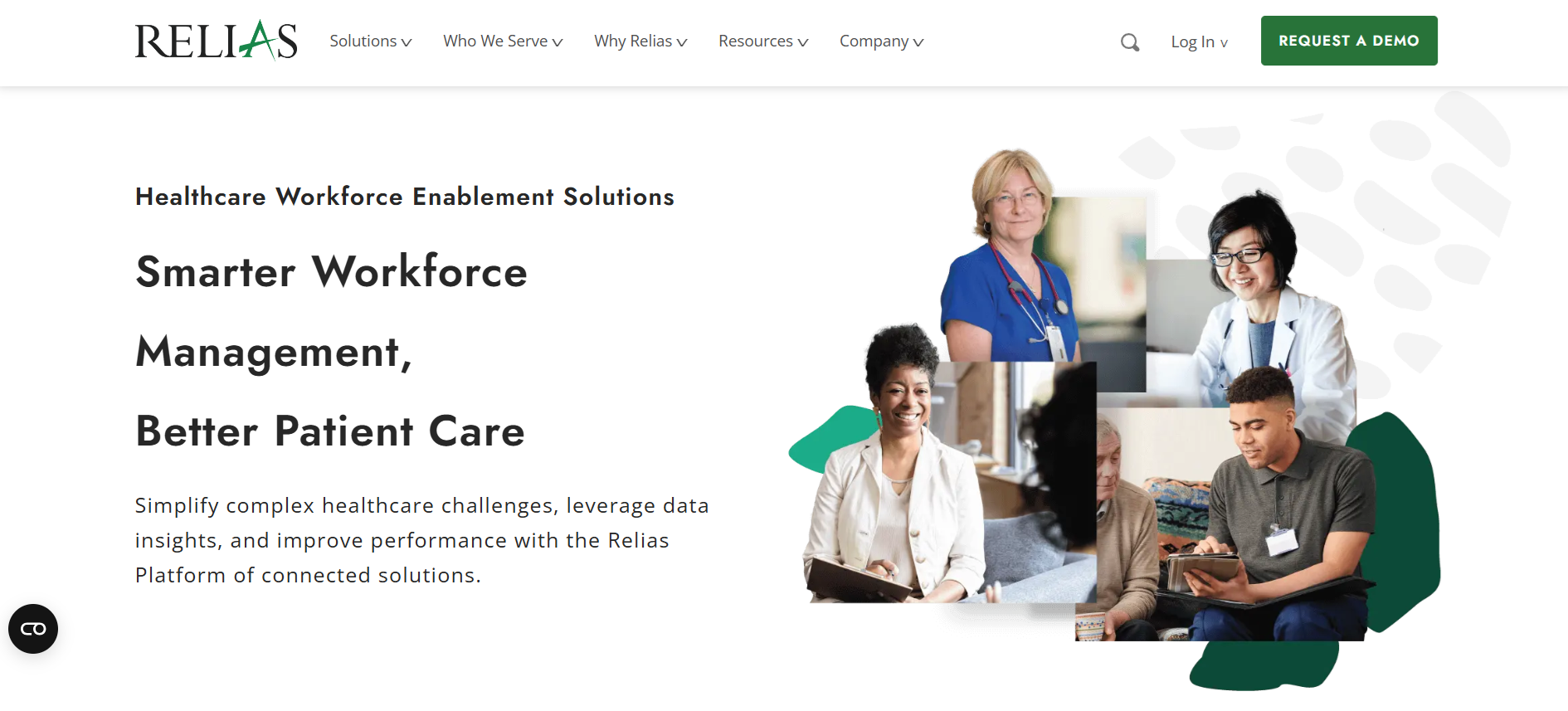
Relias focuses on clinical education and compliance for healthcare teams. The platform offers a deep native content library with thousands of courses across many specialties. Training covers everything from core compliance to advanced clinical skills.
Personalized learning paths support role-based development and ongoing competency growth. Social learning tools encourage knowledge sharing between peers. Continuous content updates help keep training aligned with current standards.
Relias works well for organizations that want ready-made clinical content with strong compliance coverage. Pricing uses a custom approach to match organization size, roles, and content needs.
Key Features:
- Extensive clinical and compliance course library
- Role-based personalized learning paths
- Courses reviewed by accrediting bodies
- Social learning and collaboration tools
- Ongoing content updates and improvements
2. MedTrainer
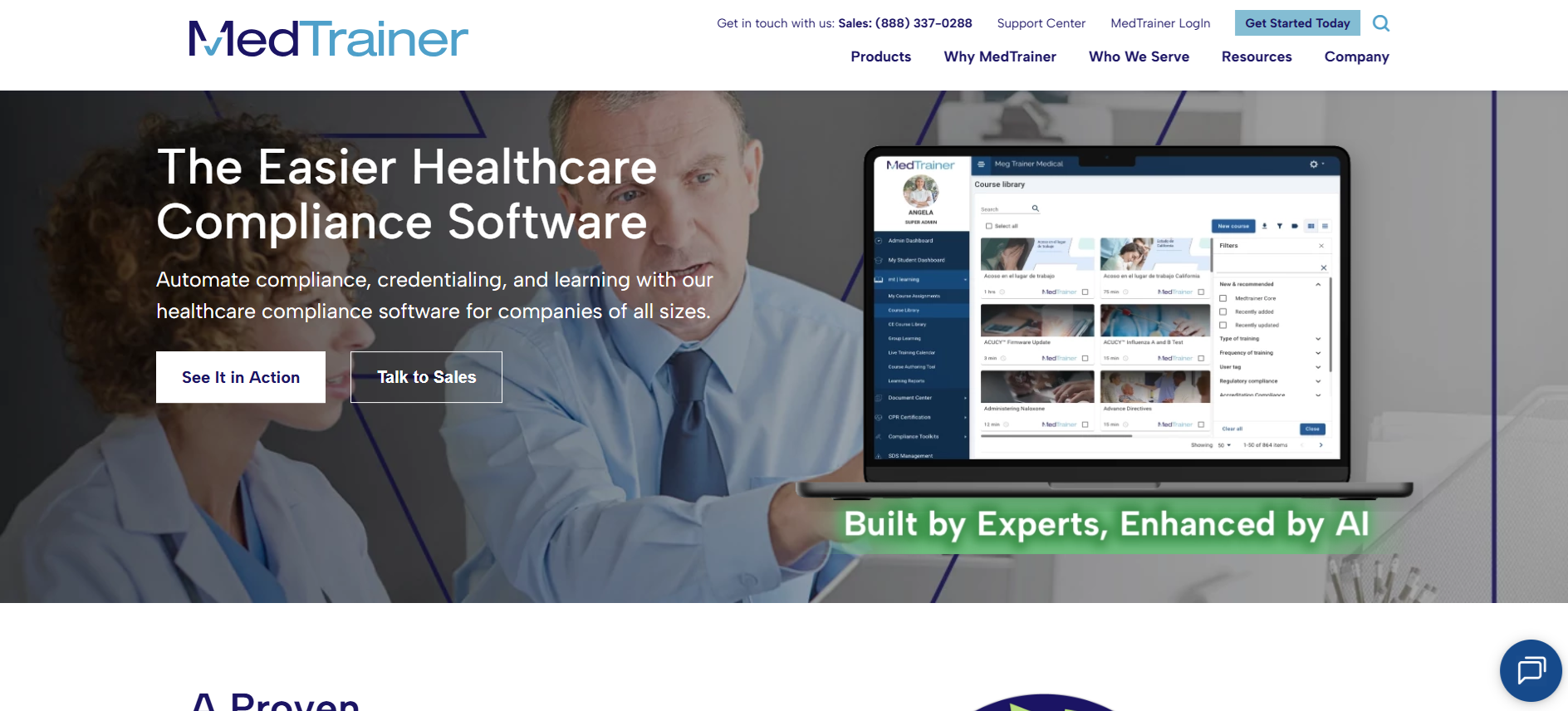
MedTrainer focuses on compliance training for healthcare teams that face strict rules and audits. Built by healthcare professionals, the platform centers on policy management, regulatory tracking, and staff readiness. Training managers use MedTrainer to stay aligned with standards without manual work.
Automated workflows reduce risk and save time, especially for clinics and hospitals with frequent audits. A large course library supports common compliance topics, while certification tracking helps staff stay current. The interface feels clear and easy, which helps busy teams adopt training faster.
MedTrainer fits organizations that place compliance first and want a healthcare LMS built around regulatory control rather than general learning. Pricing follows a custom model based on the organization's needs.
Key Features:
- Automated compliance tracking and reminders
- Built-in healthcare compliance course library
- Staff certification tracking and renewal alerts
- Incident reporting and documentation tools
- Simple interface designed for healthcare teams
3. HealthStream Learning
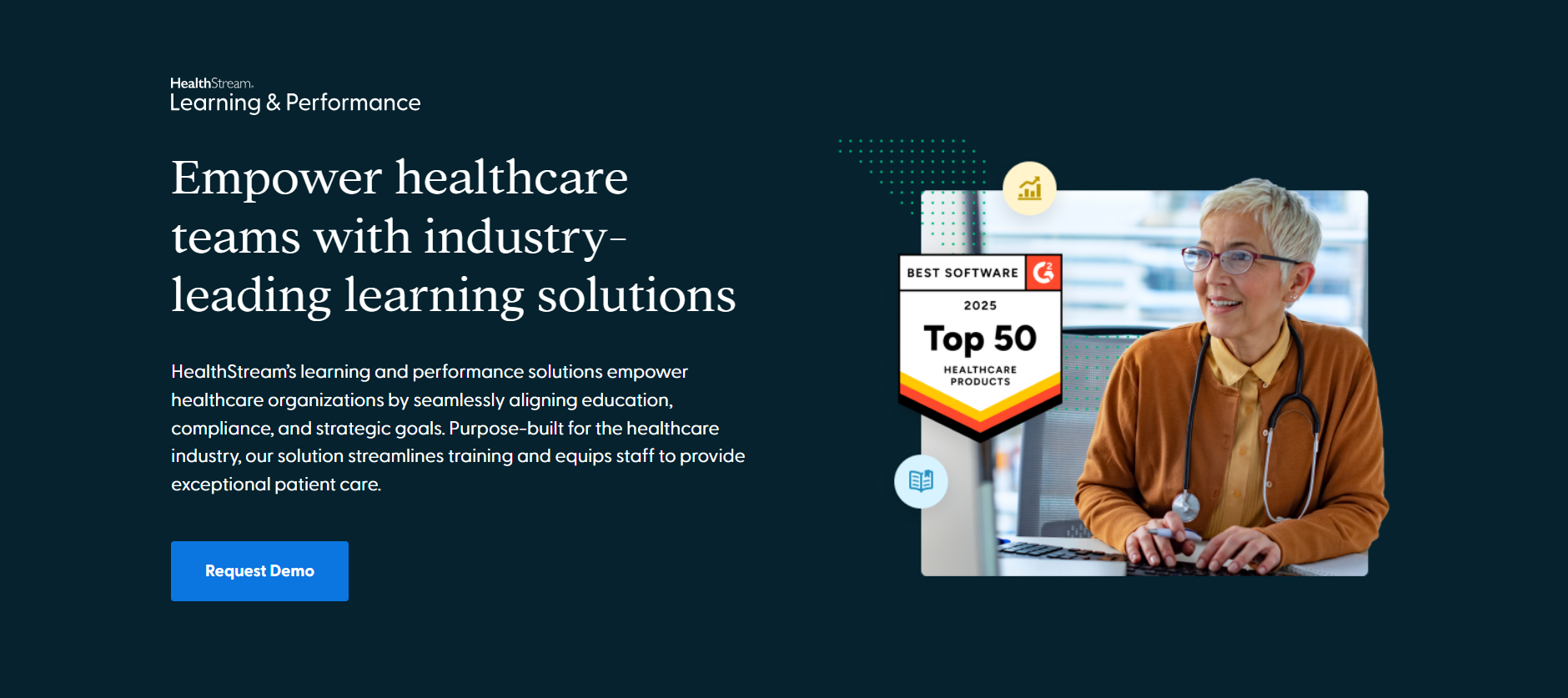
HealthStream Learning supports large healthcare organizations that manage complex workforce training. The platform offers a broad set of tools for clinical education, compliance, and professional growth. Learning simulations help staff practice real scenarios without risk, which suits clinical environments.
Competency management tools track skills and performance across roles and departments. Personalized learning paths help staff focus on training tied to daily responsibilities. Real-time analytics give leaders quick insight into training impact and gaps. Mobile access supports learning during long shifts or between tasks.
HealthStream fits hospitals and health systems that need depth, structure, and long-term workforce development. Pricing follows a custom model based on the organization's needs.
Key Features:
- Large catalog covering clinical and regulatory topics
- Simulation-based training for real-world scenarios
- Competency and performance tracking tools
- Personalized learning paths by role
- Real-time analytics and reporting
4. Coursebox AI
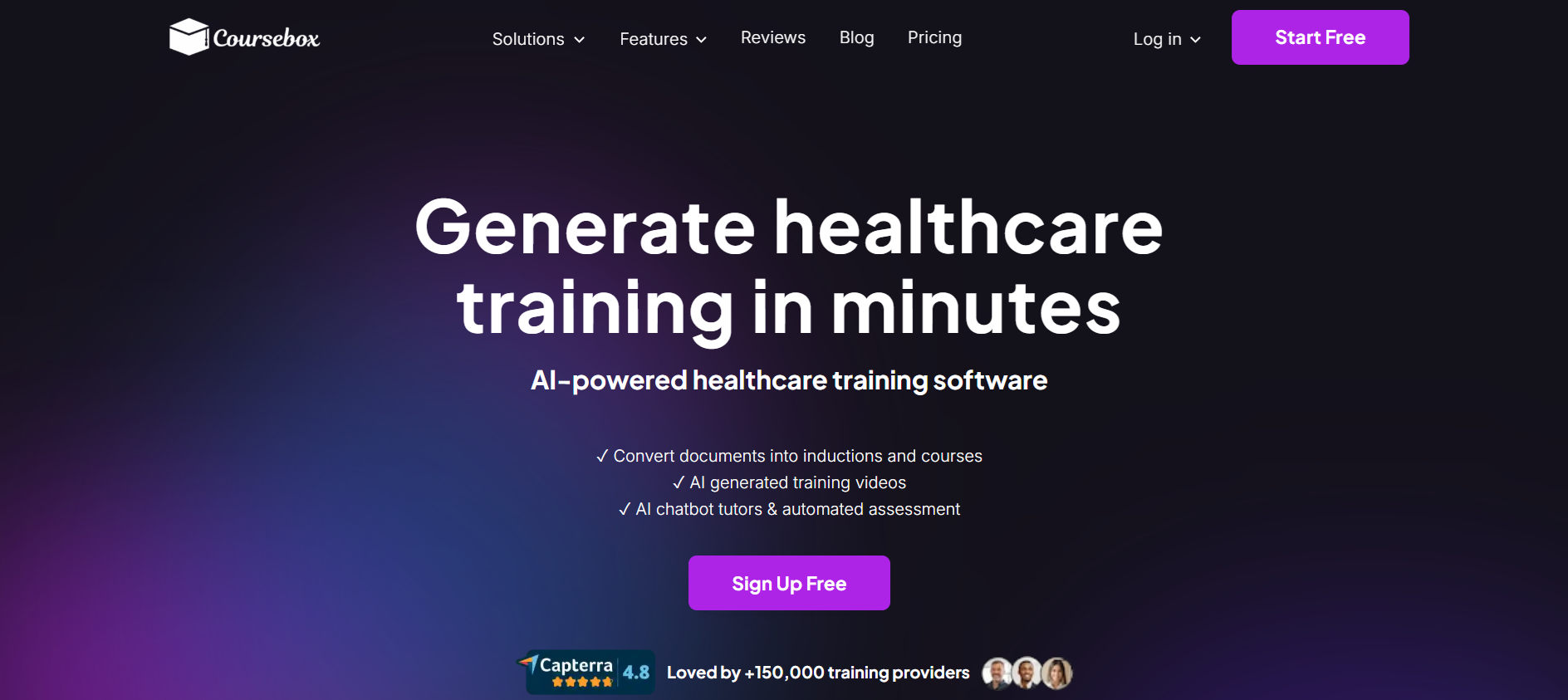
Coursebox AI offers a healthcare LMS built on automation — training teams turn existing docs, videos, or web resources into structured courses in minutes, with AI-powered grading, real-time tutor chatbots, multilingual support across 100+ languages, and mobile delivery for shift-based staff. Coursebox earns its place when healthcare training teams want fast content creation and flexible delivery without deep healthcare-specific compliance tooling. Healthcare organisations requiring purpose-built compliance libraries, accreditation tracking, and clinical-content licensing typically shortlist specialist platforms like Relias or MedTrainer, and large health systems with complex HR-platform requirements sometimes consider enterprise options like Cornerstone OnDemand.
Key Features:
- AI course creation from documents, videos, and links
- Real-time AI tutor chatbot for 24/7 learner support
- Automated AI grading with instant feedback
- Branded LMS and custom mobile app options
- Multilingual learning in more than 100 languages
- SCORM/LTI export for integration with existing systems
- Interactive quizzes, flashcards, and engagement tools
- Unlimited learners on all plans
- Built-in certification and tracking tools
- Easy mobile access for on-the-go training
5. TalentLMS
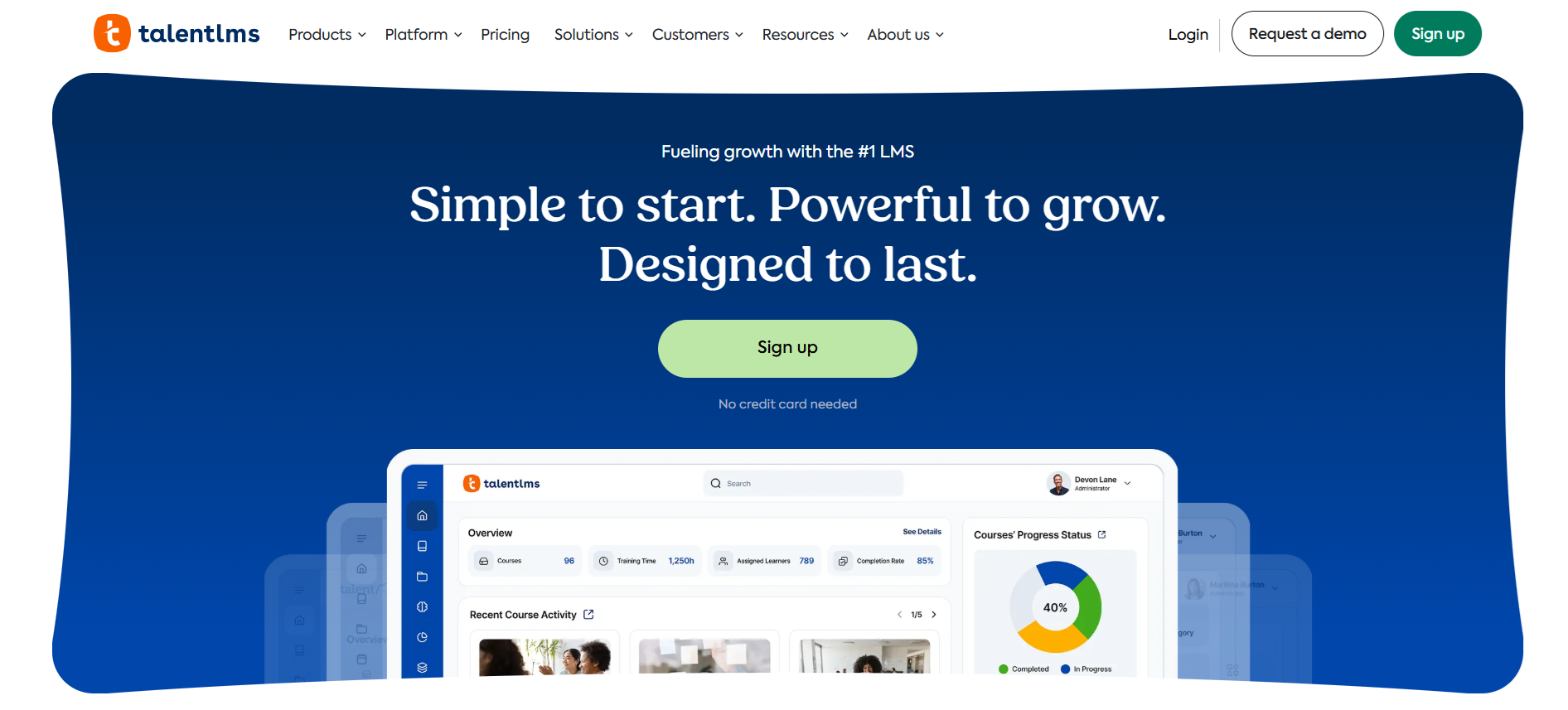
TalentLMS works well for healthcare teams that want quick setup and easy adoption. The platform comes ready to use, which removes long setup cycles. Training managers can use built-in courses or upload custom healthcare content with ease.
Gamification tools help keep staff engaged during required training. Mobile access supports learning during shifts or between tasks. Reporting tools give clear insight into progress and completion status.
TalentLMS fits clinics and care teams that want flexibility without complexity. A free plan supports basic needs, which makes testing the platform simple before moving to paid options.
Key Features:
- Built-in gamification to boost engagement
- Flexible course creation with custom content support
- Clear reporting and analytics dashboards
- Mobile learning for busy healthcare staff
- Ready-to-use platform with fast deployment
6. Docebo
Docebo suits healthcare organizations that need scale and advanced automation. While not healthcare-only, the platform supports healthcare training through flexible content delivery and AI tools.
AI-powered recommendations guide learners toward relevant courses based on behavior and role. Social learning features support collaboration and shared knowledge across teams. Strong integrations help connect training with existing tools and systems.
The platform supports rapid growth and large staff groups across locations. Docebo works best for mid to large healthcare organizations that value customization and long-term scalability. Pricing follows a custom model based on organizational needs.
Key Features:
- AI-driven learning recommendations
- Social learning with forums and collaboration tools
- Wide range of third-party integrations
- Scalable infrastructure for growing teams
- Flexible content support for diverse training needs
7. Absorb LMS
Absorb LMS fits healthcare organizations that need enterprise-level training with strong compliance control. The cloud-based platform supports assessments, certifications, and secure documentation in one system. Built-in AI tools help improve learning flow and reduce admin work for training teams.
eSignature support adds another layer of compliance, which helps during audits and policy sign-offs. Mobile access allows staff to complete training during shifts or between tasks.
Absorb works well for large healthcare teams that want flexibility, automation, and deep reporting. Pricing follows a custom model based on organization size and feature needs.
Key Features:
- Built-in assessments and certification tracking
- Secure eSignature support for compliance documents
- AI-powered learning and admin tools
- Mobile learning across devices
- Enterprise reporting and analytics
8. SAP Litmos
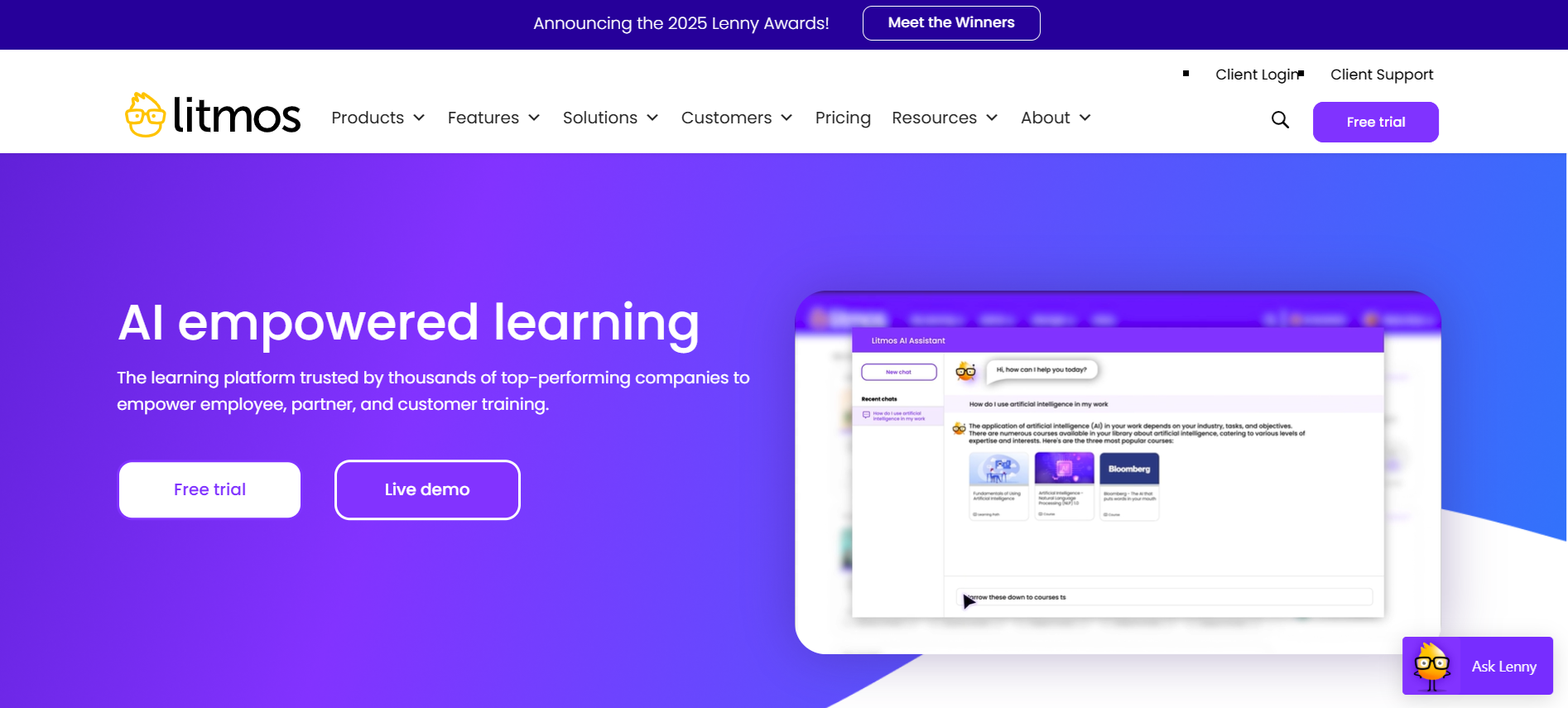
SAP Litmos works well for healthcare teams that want fast setup and ready-made content. The platform supports quick deployment and connects easily with existing tools through built-in integrations and open APIs.
Built-in authoring tools help create visual, web-based courses without extra software. A large content library supports compliance, leadership, and professional development training. Mobile access keeps learning flexible for busy care teams.
SAP Litmos suits organizations that value speed, ease of use, and reliable content. A free trial is available, and pricing stays affordable for growing healthcare teams.
Key Features:
- Fast deployment with broad integration support
- Built-in course authoring tools
- Large library of compliance and skills courses
- Mobile-friendly learning experience
- Scalable platform for growing teams
9. Cornerstone OnDemand
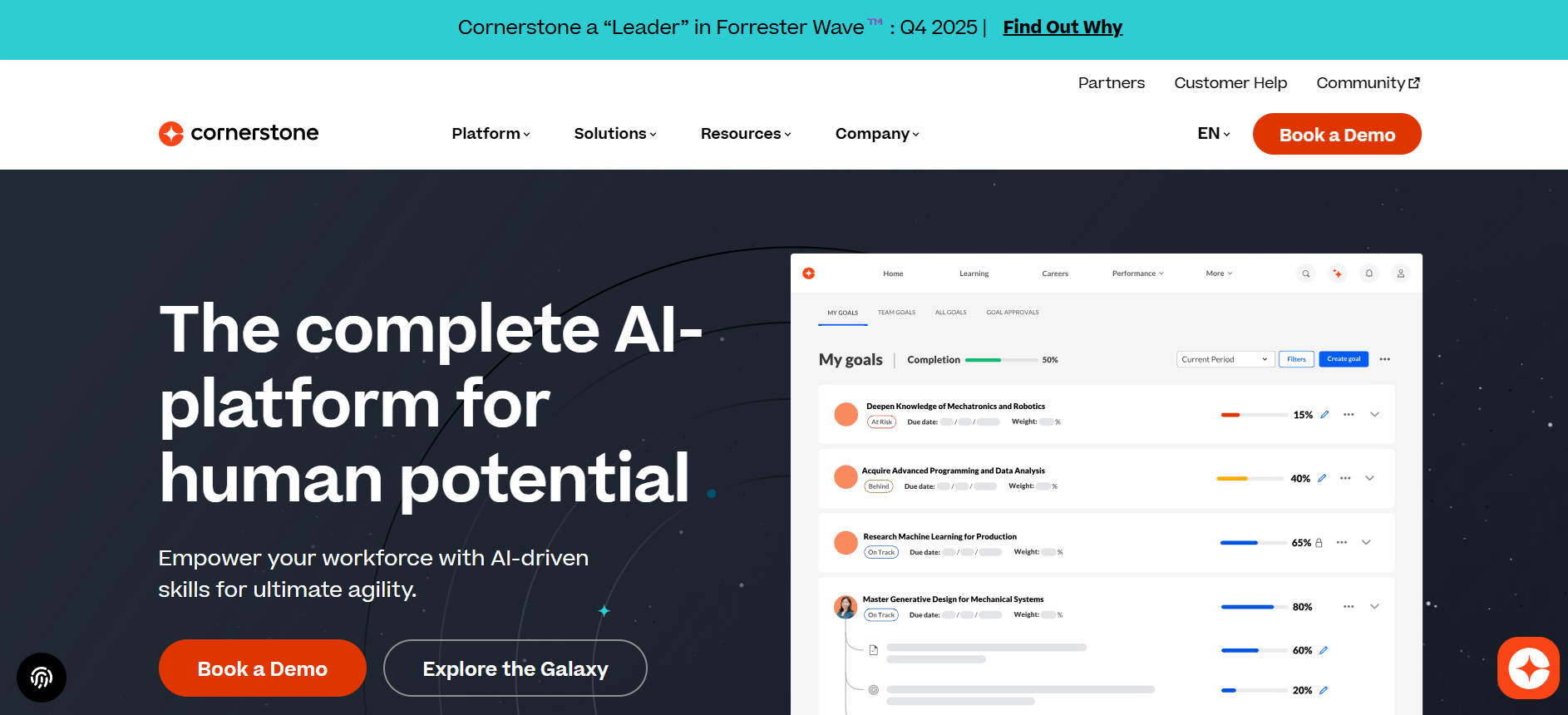
Cornerstone OnDemand supports healthcare organizations that focus on long-term skill development and workforce planning. The platform helps identify skill gaps and guide learning through AI-driven content curation.
Personalized learning paths support different roles and career stages across care teams. Global language support fits organizations with diverse or distributed staff. Social learning tools encourage knowledge sharing, while events and webinars support ongoing growth.
Cornerstone works well for large healthcare systems that want deep analytics, talent development, and learning tied to performance. Pricing follows a custom model based on organization scope and needs.
Key Features:
- AI-powered content curation and personalization
- Skill gap analysis and workforce development tools
- Support for 50+ languages
- Social learning and knowledge sharing features
- Events and webinars for continuous development
10. Blackboard Learn
Blackboard Learn suits healthcare organizations that need structured, instructor-led training with strong analytics. The platform supports both cloud-based and on-premise deployment, which helps teams meet internal IT or data requirements.
Course customization tools support multimedia content and assessments. Automated grading and analytics give insight into learner progress and outcomes. Real-time video conferencing and chat support live instruction and collaboration.
Blackboard Learn fits institutions that value guided learning, reporting depth, and strong global support. Pricing follows a custom approach based on deployment and usage needs.
Key Features:
- Customizable courses with multimedia content
- Automated grading and learning analytics
- Real-time video conferencing and chat
- Intuitive dashboards for activity and outcomes
- Cloud or on-premise deployment options
Key Benefits of LMS Platforms for Healthcare
Healthcare teams face high pressure with patient safety, compliance, and skill growth. Research shows LMS access helps employees build job skills and gives them the flexibility to learn anytime, anywhere, which benefits staff on varied shifts.
Expert Tip: White-label LMS platforms help healthcare teams deliver branded training while keeping compliance and reporting in one place.
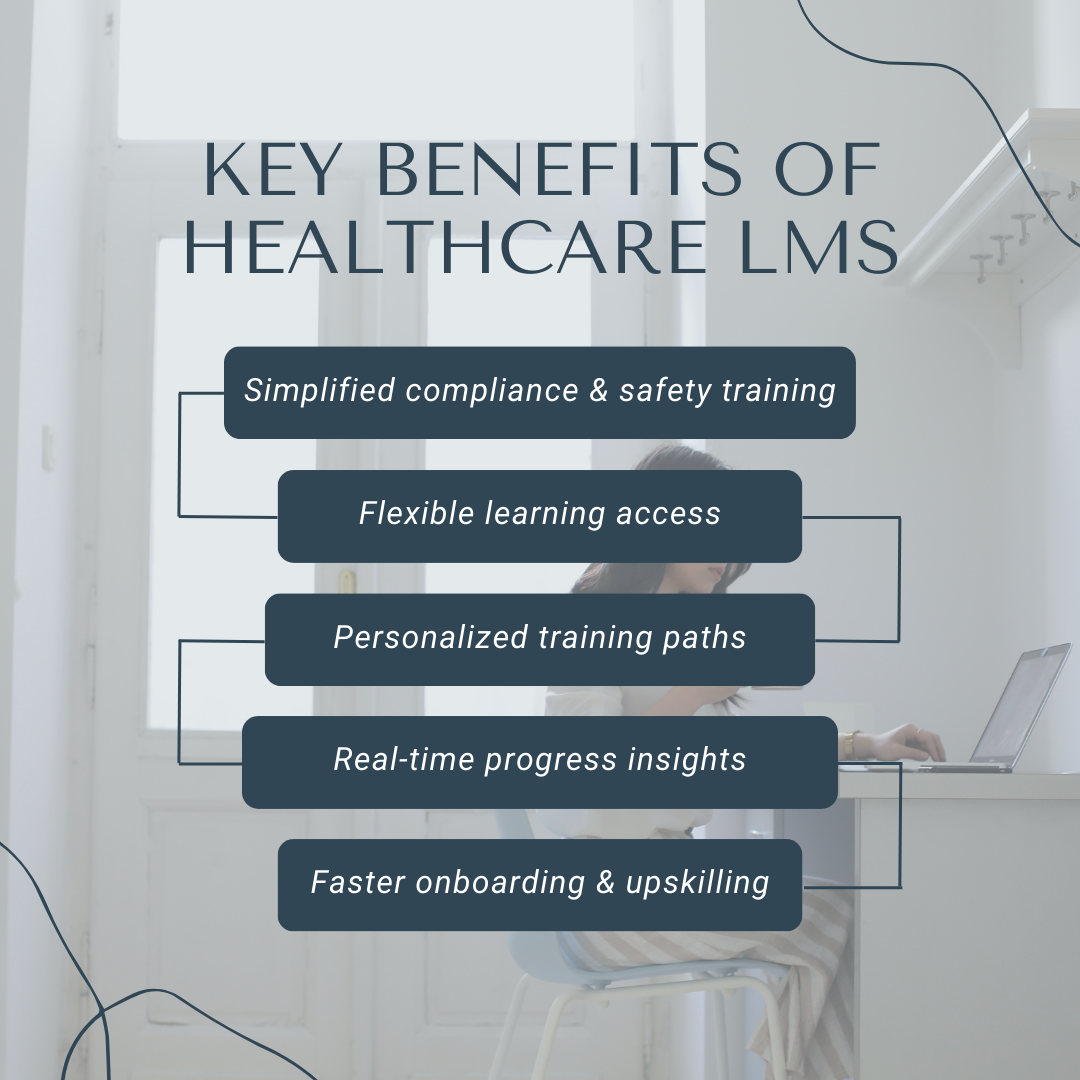
1. Streamlined Compliance and Safety Training
Healthcare LMS platforms automate tracking for certifications, safety protocols, and regulatory requirements. Managers can easily monitor who finished training and when refreshers are needed, reducing risk and ensuring adherence to standards.
2. On-Demand Learning Flexibility
Staff can access courses anytime on mobile or desktop, fitting training around busy shifts without disrupting patient care or workflows.
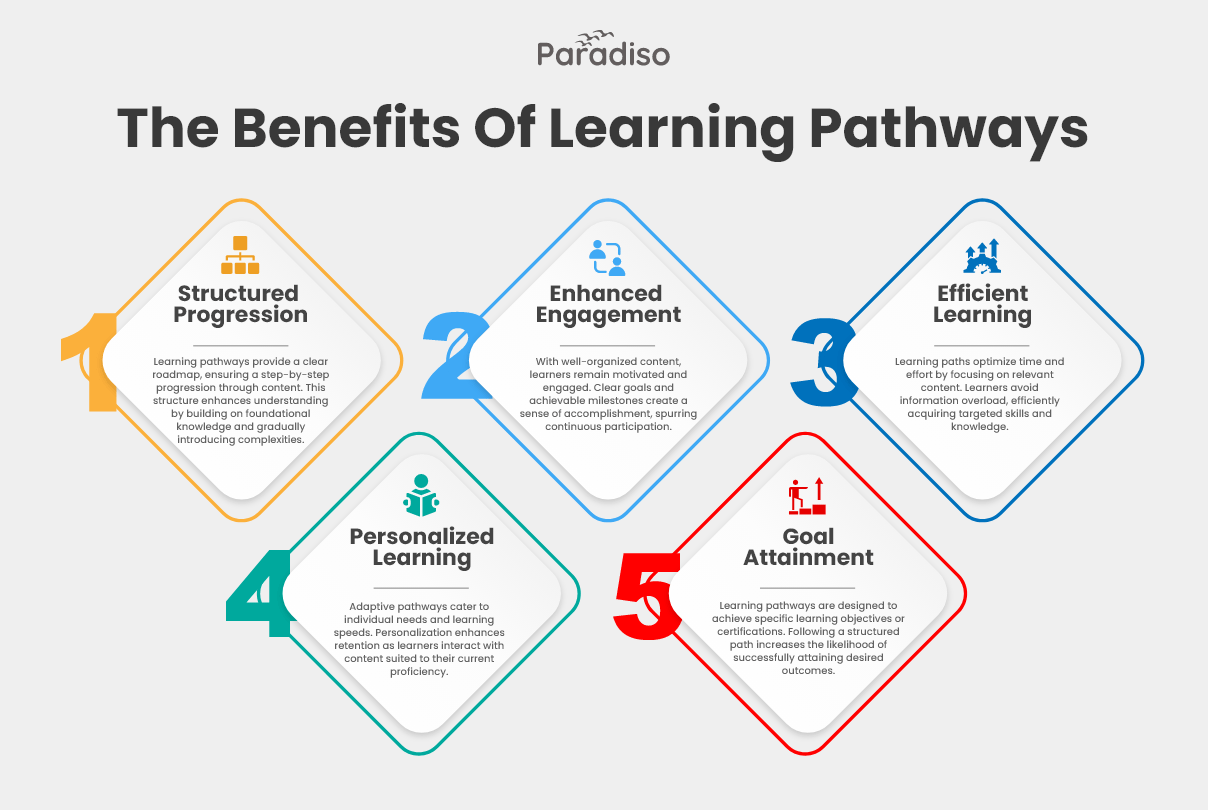
3. Personalized Learning Paths
Healthcare LMS systems let you build role-specific training paths. Teams focus on skills that matter most, from clinical work to policy and safety.
4. Real-Time Progress Tracking and Analytics
Reporting tools show completion rates, skill gaps, and performance trends. Leaders use this data to assign targeted training where it’s needed most.
5. Faster Onboarding and Upskilling
Structured modules help new staff ramp up fast while giving experienced teams access to advanced courses for ongoing development.
Power Your Healthcare Training with Coursebox AI
Choosing the right healthcare LMS can transform staff training, compliance, and skill growth. Each platform offers features like AI-driven course creation, mobile learning, and detailed reporting.
Coursebox AI gives healthcare teams a flexible, scalable platform with multilingual support and unlimited learners. Try the free plan today and see how easy training can be.
FAQs
What is the best healthcare software?
The best healthcare software depends on your organization’s needs. Top options include LMS for training, EHR for patient records, ERP for operations, telehealth platforms, and scheduling tools. Choosing software that improves workflow, compliance, and staff skill development ensures better outcomes for both patients and teams.
What does LMS mean in healthcare?
In healthcare, LMS stands for Learning Management System. It’s software that creates, delivers, and tracks staff training, supporting clinical education, safety protocols, and compliance. Healthcare LMS platforms help teams learn anytime, monitor progress, and maintain certifications across multiple roles, departments, or locations efficiently.
What is the most commonly used LMS?
The most commonly used LMS includes platforms like Coursebox AI, MedTrainer, HealthStream, Relias, and TalentLMS. These systems support compliance, mobile learning, reporting, and role-specific training. Adoption varies by hospital size, specialty, and training goals, but they remain widely trusted in healthcare organizations worldwide.
What is the most common healthcare software?
Common healthcare software includes electronic health records (EHR), telehealth platforms, learning management systems (LMS), practice management software, and medical billing tools. Each supports essential operations such as patient care, staff training, scheduling, and compliance, helping hospitals and clinics run efficiently.
What is eLearning in healthcare?
eLearning in healthcare is online staff training that covers clinical skills, compliance, safety, and professional development. It allows staff to learn anytime, track progress, and access interactive modules from any device. Healthcare LMS platforms often combine eLearning with certification tracking and reporting tools.
Alex Hey
Digital marketing manager and growth expert

