

8 Best Free Course Authoring Tools in 2026: What’s Included?
Eight course authoring options reviewed for free access, publishing, tracking and ongoing costs, including open-source editors, AI course creation and a testing sandbox.

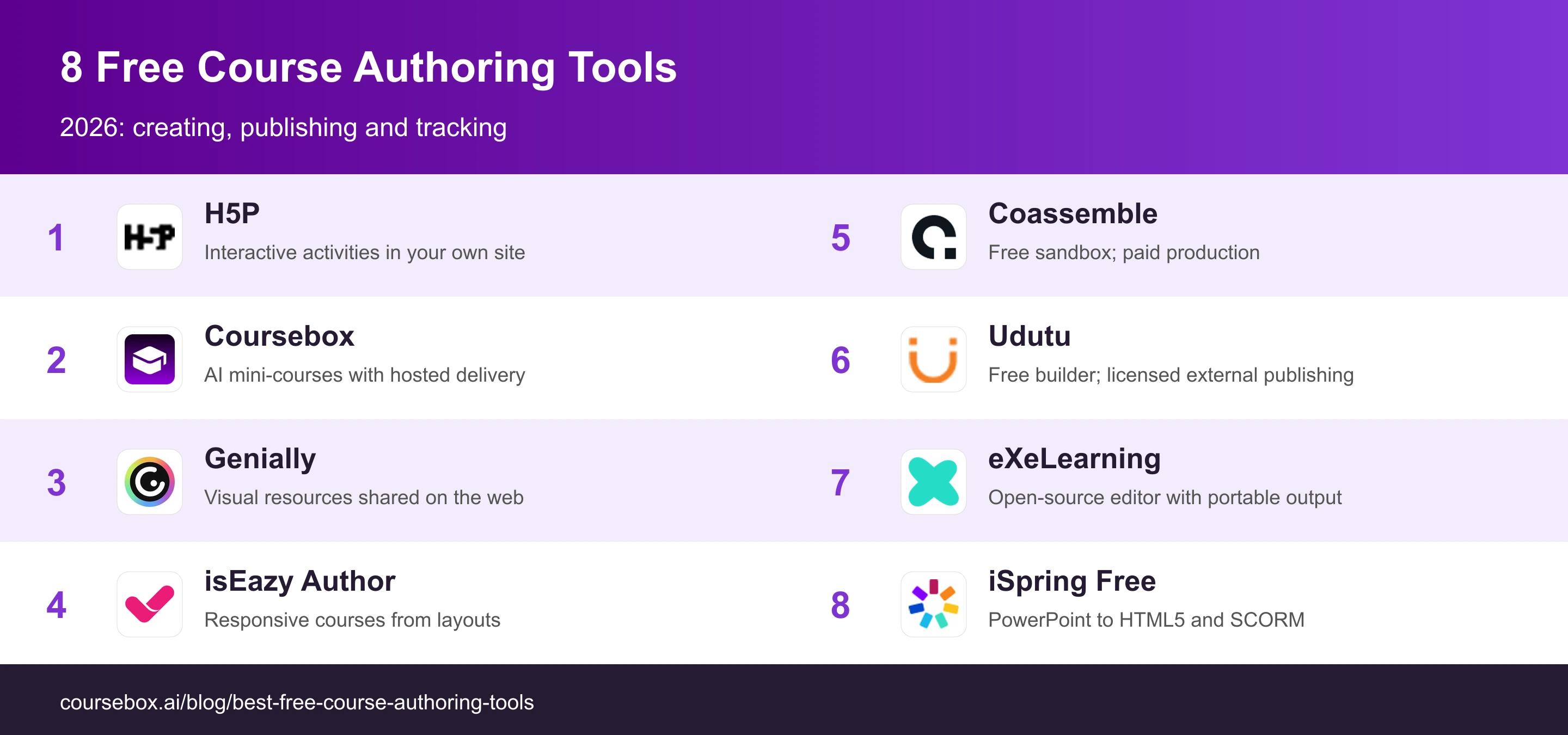
The best free course authoring tools in 2026 include H5P, Coursebox, Genially, isEazy Author, Udutu, eXeLearning and iSpring Free. Coassemble also offers a free sandbox for testing before paid production delivery.
- Compare what you can publish, not just what you can build. Hosting, export licences, privacy and tracking can introduce costs after authoring.
- Coursebox combines AI-assisted course creation, tutoring and delivery. Free includes three mini-courses of up to five pages each, unlimited learners and defined generation allowances.
- For portable output, eXeLearning and iSpring Free support SCORM. H5P’s native .h5p format needs a compatible host; it is not itself a SCORM package.
- Udutu third-party publishing is licensed, Genially puts LMS export on a paid tier, and isEazy free publishing has limits and branding. Test the exact route before building a full programme.
Answer three questions to compare the four tools below. The result balances your preferences; the entries explain the features, limits and costs to check.

Build high quality courses that actually sell
A free course authoring tool is useful only if you can get the finished lesson to your learners. Some let you build and share indefinitely. Others charge for export, require your own hosting or provide a sandbox for testing. I compared what you can create, how you can deliver it and where the first bill appears.
I’m Travis. Before co-founding Coursebox, I spent years designing and shipping online courses, some to tens of thousands of learners on edX. That experience is why I check the publishing route early. Our AI eLearning authoring tool is one of the eight options here.
How I ranked these free course authoring tools
The kind of free came first, then how you build, then the catch. For each tool I looked at:
- Free access: A standing free plan, open-source software and a test sandbox serve different needs.
- Delivery and tracking: Check whether learners get a link, a hosted course or an LMS package, and where results are recorded.
- Authoring workflow: Compare document-to-course generation, interactive templates, slides and reusable activities.
- Ongoing work: Include updates, source-file access, mobile checks and hosting in the cost of keeping the course usable.
Build one short lesson, publish it using the free account and open it as a learner. Then check the required completion or score record. That separates a usable free workflow from a preview that needs an upgrade before anyone can learn from it.
The best free course authoring tools compared
| Tool | Free access | Delivery or export | Main restriction |
|---|---|---|---|
| H5P | Open-source authoring | H5P-compatible site or LMS | Hosting, maintenance and integration are your responsibility |
| Coursebox | Three mini-courses; unlimited learners | Hosted course delivery | Five pages per mini-course; generation allowances and watermark |
| Genially | Free interactive creations | Web links and embeds | SCORM, private sharing and downloads need the appropriate paid plan |
| isEazy Author | One author; three projects; 0.3 GB | Limited SCORM, web and link publishing | isEazy branding and publishing limits |
| Coassemble | Free validation sandbox | Test courses and integrations | Production delivery is paid |
| Udutu | Free builder | Udutu-hosted allowance subject to current terms | Third-party publishing needs an Open Publishing License |
| eXeLearning | Free open-source editor | SCORM, HTML and EPUB | Arrange delivery, updates and learner tracking |
| iSpring Free | Free PowerPoint add-in | HTML5 and SCORM | Windows and compatible PowerPoint; fewer features than Suite |
Plan details checked on 19 October 2026. Free software can still need paid hosting, PowerPoint or an LMS. Coassemble is included as a sandbox option, not a permanently free production platform.
The 8 best free course authoring tools
1. H5P

H5P is an open-source authoring framework for activities such as interactive videos, presentations and quizzes. It fits teams that already have a compatible learning site and want reusable interactions inside it.
Choose a content type, add the material and feedback, then publish through the host platform. A WordPress, Moodle or Drupal setup supplies the surrounding site and user accounts. Exporting an .h5p file lets another compatible installation reuse the activity; it is not the same as exporting a native SCORM course.
My read: I would start with the activity the learner needs, such as answering questions during a video, then check how its result reaches the gradebook. Embedding an activity elsewhere can display it without giving you the same learner-level reporting. Hosting, plugin updates and the chosen content type all need an owner.
Pricing: The open-source software has no author or learner licence fee. Hosting and maintenance still cost time or money. H5P.com is a separate paid hosted service with additional management and LMS integration features.
2. Coursebox
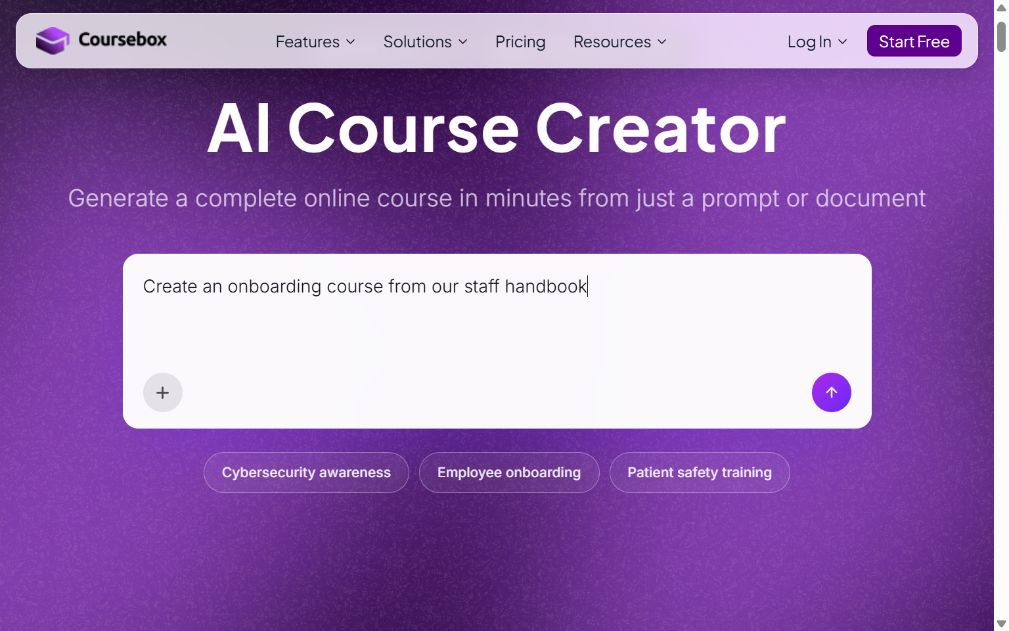
Coursebox combines AI-assisted course creation with delivery, tutoring and assessment. Start from source material or a topic, review the outline and lessons, then edit the questions before publishing. I work on the product.
Free includes three mini-courses of up to five pages each and unlimited learners. Its listed generation allowances include 150 AI page credits and 100 tutor messages, with a Coursebox watermark on published courses. That is enough to try a small teaching sequence and see how creation and learner support work together.
My read: I would use the free plan for one focused task rather than compress a whole handbook into five pages. Check the generated examples against your source and include a question that tests the intended decision. For an external LMS, inspect the paid export options separately; the free hosted course does not imply free SCORM export or a custom domain.
Pricing: A standing free plan is available. All paid plans remove the Coursebox watermark; paid tiers add creation capacity and exports. Dynamic SCORM needs an active subscription. Branded LMS and own-domain features require the appropriate LMS plan.
3. Genially
Genially builds interactive lessons, presentations and branching activities in the browser. Start with a template, add clickable elements and feedback, then share the published resource by link or embed it in a page.
The free plan includes interactions, animations, importing slides or PDFs, and a limited AI allowance. It suits a resource learners open on the web. Downloading a package, restricting access and sending results into an LMS are separate requirements, with paid-plan conditions. Current SCORM and xAPI downloading appears under Author, not Master.
My read: For a visual explanation, I would test the published lesson on a phone and check whether each hotspot can be found and used. A share link is convenient, but it does not automatically provide named completion records. If the material is confidential, check the privacy options before building it in a public-sharing workflow.
Pricing: Free is available. The pricing page currently displays Pro at €6/month, Master at €20 and Author at €40 per member, billed annually; regional pricing can differ. Select the tier for downloads, private sharing or LMS export, rather than assuming any upgrade includes them all.
4. isEazy Author

isEazy Author creates responsive courses from layouts with multimedia, exercises and assessments. You can build a slide-based course or a shorter scrolling resource, then select a distribution option rather than designing every screen from scratch.
Free includes one author, three projects and 0.3 GB of storage, with isEazy branding. The published comparison includes limited SCORM, web and link publishing, so describing it as preview-only undersells the free plan. Check the current account limits with the exact package and delivery route you need.
My read: My pilot would contain one interactive explanation and a scored question, exported to the destination LMS. Check the completion rule, score and resume behaviour there. Also retain access to the editable project: a published package is not a substitute for the source when the procedure changes.
Pricing: Free has the limits above. The published euro price is €80/month for Professional or €72/month with annual payment; Business is €208 or €187 respectively. Check taxes, billing and any AI allowance in the regional offer.
5. Coassemble

Coassemble offers course building and embedded learning, with an API and options to put learning inside another product or workflow. Its current free offer is a sandbox for validating the builder and integration, rather than the old Starter course-and-seat plan.
Use the sandbox to build a representative lesson, embed or launch it where learners work, and inspect the events or results returned. The production plans use Interactive Records as a usage measure. That makes it a different buying exercise from counting author seats or assuming unlimited course views.
My read: I would consider it when delivery inside an existing product is part of the requirement. Prove the complete learner journey before paying: launch, interaction, completion and reporting. If you need permanently free delivery for a team, choose one of the standing free or open-source options instead of treating the sandbox as a rollout plan.
Pricing: The validation sandbox is free. Build is US$250/month or US$2,500/year on a 12-month agreement, including 600 Interactive Records per year and SCORM 2004 export. Confirm how repeated learning and extra records affect the bill.
6. Udutu

Udutu is a browser-based course builder with templates, quizzes, branching and PowerPoint import. It suits authors assembling structured lessons who want a choice of Udutu delivery or publishing into another system.
The builder is free, but third-party publishing is not. Its authoring pricing page lists an Open Publishing License for exporting to another LMS or hosting service. That page also describes a free Udutu-hosted allowance for up to 25 users per month, while the main product page says publishing is paid. Confirm the hosted allowance when registering.
My read: I would settle the delivery route before building a client course here. Test a quiz, its pass threshold and a return visit in the actual destination. The free builder can be useful, but a course intended for your own LMS needs the publishing licence in its budget.
Pricing: Free authoring. The Open Publishing License is listed at $199/year for one licence; the page does not identify the currency. Confirm currency and the current hosted allowance with Udutu. LMS delivery and added services have separate terms.
7. eXeLearning
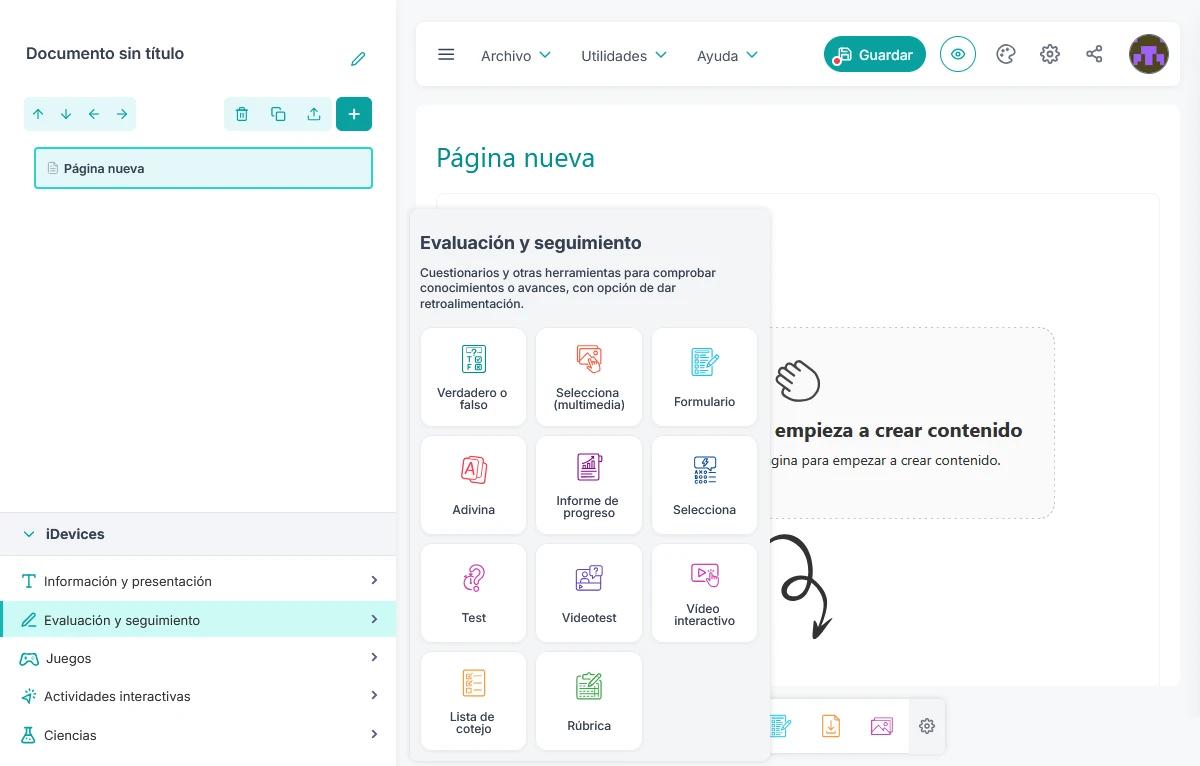
eXeLearning is a free, open-source editor for structured learning resources. Build pages with text, media and interactive activities, then export a learning package or web resource. Current versions support SCORM, HTML and EPUB output.
It fits an author who wants an editable source project and control over delivery without a recurring authoring licence. The project offers downloadable and online access options. Publishing a SCORM package to an LMS is different from uploading an HTML site: decide where authentication, progress and assessment records will live.
My read: I would use it for a course that needs to remain maintainable outside a hosted subscription. Keep the source file, confirm the required export works in your LMS and check one representative activity on a learner’s device. The open-source licence removes a software fee, but someone still owns deployment and updates.
Pricing: Free and open source. There is no per-author subscription for the editor; arrange any hosting, LMS or support you need separately.
8. iSpring Free
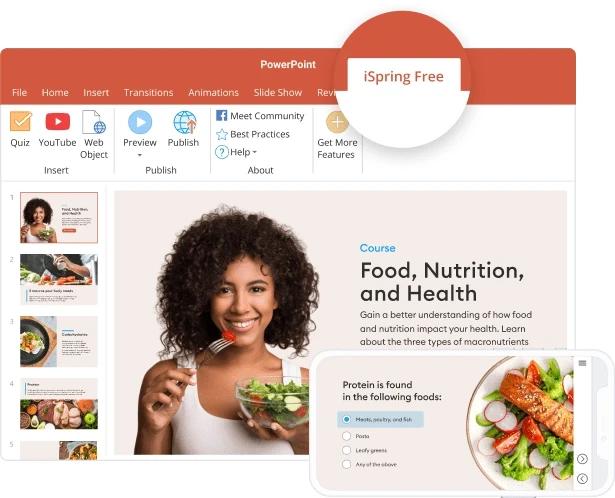
iSpring Free is the free PowerPoint add-in, separate from the paid iSpring Suite trial. It converts slides into HTML5 or SCORM courses and adds quizzes with multiple-choice, multiple-response and short-answer questions.
It suits an existing slide-based workflow: edit the presentation, add a knowledge check and publish into an LMS or as HTML5. The authoring setup needs Windows and compatible PowerPoint. It has fewer question types and production features than Suite, and the free edition should not be credited with Suite’s AI generation or role-play tools.
My read: I would try a deck with its actual animations and a short quiz, then check the package in the receiving LMS. Verify the score, completion and how it resumes after closing. A free converter is useful if the source slides already teach the topic; it does not turn a dense presentation into a well-designed lesson by itself.
Pricing: iSpring Free is a separate free product, not a 14-day Suite licence. PowerPoint and an appropriate Windows setup are prerequisites. Check the licence supplied for your intended use; Suite is a paid upgrade with a separate trial.
What can a free authoring tool cost you later?
In Gallup’s 2025 employee-development findings 41% of US employees identified time away from responsibilities as their top learning obstacle. For a free-tool pilot, include learner time as well as author time: publish a short lesson, make it easy to access and remove steps that do not help someone learn.
| Cost to check | Practical question |
|---|---|
| Software and prerequisites | Does the free tool need PowerPoint, a server or a paid LMS? |
| Publishing | Can you deliver the finished course without an export licence? |
| Tracking | Where do scores and completion records go, and who can retrieve them? |
| Maintenance | Who keeps the editable source and updates the published version? |
| Capacity | What happens when projects, storage, learners or AI allowances run out? |
How I would run a useful free-tool pilot
LinkedIn’s 2025 Workplace Learning Report found that 49% of surveyed learning and talent development professionals said executives were concerned employees lacked the skills needed for business strategy. I would translate that concern into one observable task before comparing editors: what should the learner be able to do after the lesson?
- Build a small complete lesson: Use your actual source material, one interaction and one meaningful assessment.
- Publish as a learner: Open the output on the intended device and confirm access without author permissions.
- Check the evidence: Confirm the score, completion and follow-up you need in the receiving system.
- Make one update: Change a policy detail and republish. Check what happens to the link, package and existing records.
Which free course authoring tool should you choose?
Eight tools, matched to what you want from a free authoring tool:
| Your main need | Starting point | Check before choosing |
|---|---|---|
| Interactive activities in a site or LMS | H5P | Compatible host and learner-result reporting |
| AI-assisted courses with hosted delivery | Coursebox | Free mini-course and generation limits |
| Visual lessons shared on the web | Genially | Public sharing, branding and download tier |
| Responsive courses from layouts | isEazy Author | Three-project limit and publishing route |
| Embedded learning integration to test | Coassemble | Sandbox capacity and production costs |
| Browser authoring with a publishing licence | Udutu | Export price and hosted allowance |
| Open-source courses with portable output | eXeLearning | Source retention, delivery and tracking |
| Convert existing PowerPoint training | iSpring Free | Windows, PowerPoint and quiz requirements |
If delivery into an existing LMS is essential, compare the SCORM authoring tools by export and reporting behaviour. Free authoring and free learner delivery are separate checks; complete both before committing your course library.
Disclosure: I work at Coursebox. Product and plan details were reviewed on 19 October 2026. The Coursebox usage figure is first-party PostHog data for the stated period.
Frequently Asked Questions
H5P suits reusable activities in an existing compatible site; Coursebox suits AI-assisted mini-courses with hosted delivery; Genially suits visual web resources; isEazy Author suits template-based responsive courses. For open-source packaged courses, consider eXeLearning; for existing PowerPoint, iSpring Free.
Some offer standing free access, while others provide a sandbox or a paid trial. Coassemble currently offers a validation sandbox. iSpring Free is distinct from the paid Suite trial. Check publishing, prerequisites and hosting as well as editor access.
Possible costs include hosting and maintenance, an external LMS, PowerPoint, export licences, private sharing or extra capacity. Build and publish one complete lesson using the free account before deciding whether the limits fit.
eXeLearning and iSpring Free support SCORM output, while isEazy Author lists limited SCORM publishing on free. H5P normally exports .h5p files for compatible hosts, not native SCORM. Udutu requires a licence for third-party publishing, and Genially puts LMS export on a paid tier.
Yes. Coursebox offers free AI-assisted creation for three mini-courses of up to five pages each, plus unlimited learners and defined generation allowances. Free published courses carry a watermark. Paid exports and branded LMS features have their own plan requirements.
Travis Clapp
Travis Clapp is the original founder and CEO of Coursebox. As an experienced instructional designer, he has lived through the process of building high quality courses. These experiences brought about his idea to upload all your documents and ideas into a virtual box that could convert those magically into a course. Prior to Coursebox, he successfully founded and built a social based LMS. Travis has 15+ years of experience designing courses and EdTech platforms from university MOOCs to enterprise LMS. Travis has built training for reputable companies like Johnson & Johnson, Electrolux, Michael Hill and SA Health. One of his courses reached 20,000+ learners which was a flagship edX course. He is based in the Adelaide, South Australia office and passionately works on customer support, sales and bringing the original product vision to life every day.

