

8 Best AI Tools for Instructional Designers in 2026 (What I Use)
The best AI tools for instructional designers in 2026 include ChatGPT, Coursebox, LearningStudioAI, Mindsmith, Articulate Rise with AI Assistant, Synthesia, Canva Magic Studio, Midjourney. Compare the learning or business workflow you need.

The best AI tools for instructional designers in 2026 include ChatGPT, Coursebox, LearningStudioAI, Mindsmith, Articulate Rise with AI Assistant, Synthesia, Canva Magic Studio, Midjourney. Compare the learning or business workflow you need.
- Analysis, course authoring or media production.
- Author seats, generation allowances and required team controls.
Answer three questions to compare the four tools below. The result balances your preferences; the entries explain the features, limits and costs to check.

Go from storyboard to an interactive course in minutes
I have lost more hours than I want to admit to the parts of instructional design that are not actually design: retyping a SME’s notes into objectives, hunting for a slide image, re-recording a voiceover because one line changed. That is the work AI is good at removing, and it is why I keep a small set of these tools open rather than one that promises to do everything.
I’m Carolina, a learning designer. These are the tools I reach for at different stages: working through an idea, building the course and making the media. I want to see how much editing remains before the result is ready for a learner.
I work at Coursebox, whose AI eLearning authoring tool is included alongside the drafting, video and design options below.
How I ranked these AI tools for instructional designers
I used these criteria:
- Design job: Analysis, course authoring or media production.
- Learning evidence: The objective, activity and assessment must agree.
- Delivery: Editable source, export and the required learner report.
- Review: Source accuracy, accessibility and subject-expert feedback.
- Cost: Author seats, generation allowances and required team controls.
Thinkific’s 2026 survey of 1,039 learning professionals found that 44% used AI to create educational content. The comparison still needs to include how a designer reviews and maintains the draft.
The tools compared
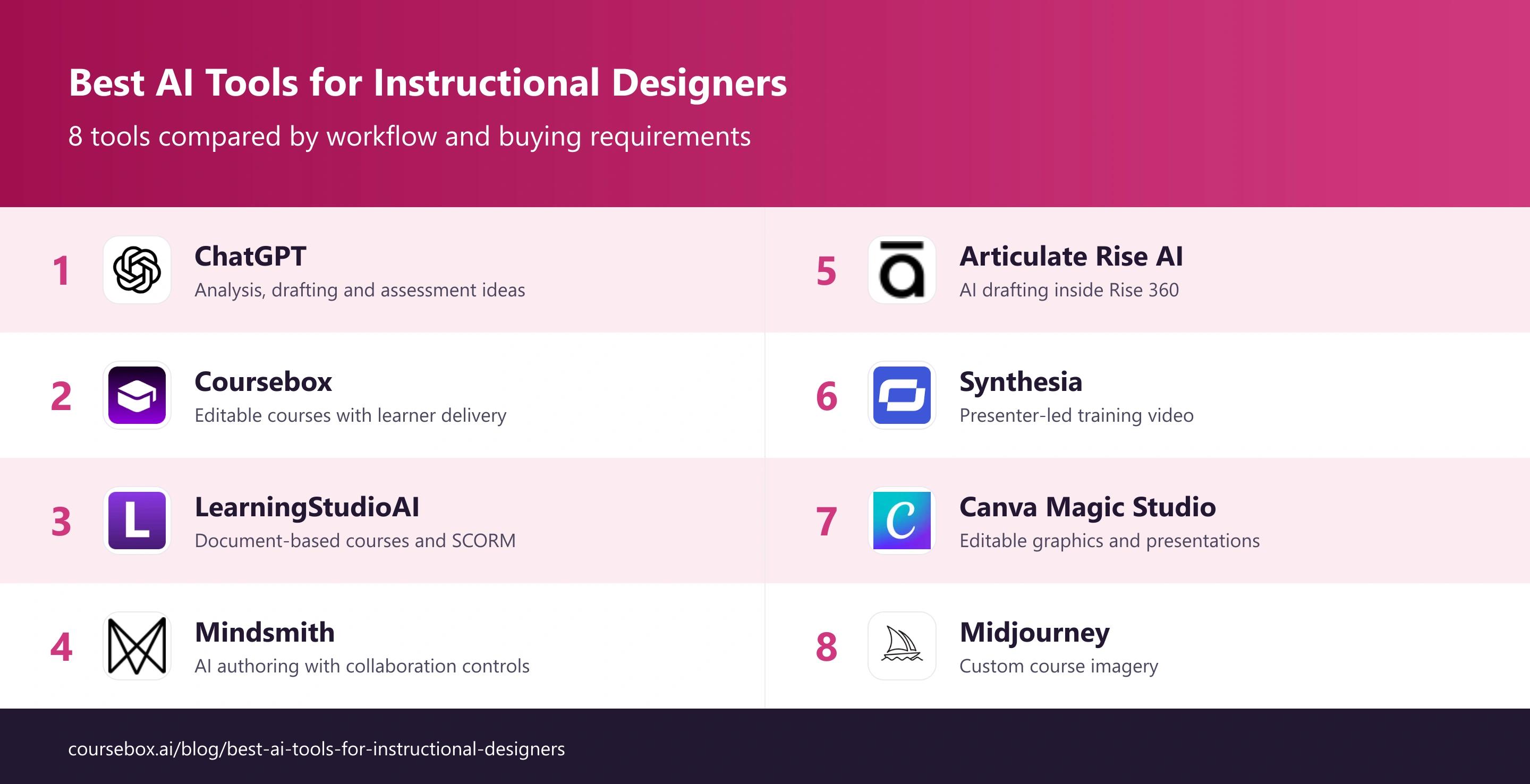
| Tool | Useful starting job | Starting cost |
|---|---|---|
| ChatGPT | Analysis, drafting and assessment ideas | Free; Plus US$20/month |
| Coursebox | Editable courses with learner delivery | Free; Creator AU$500/year |
| LearningStudioAI | Document-based courses and SCORM | Starter US$39/month |
| Mindsmith | AI authoring with collaboration controls | Free; Professional US$468/author/year |
| Articulate Rise with AI Assistant | AI drafting inside Rise 360 | Personal US$1,449/author/year |
| Synthesia | Presenter-led training video | Free; Starter US$29/month |
| Canva Magic Studio | Editable graphics and presentations | Free and paid regional plans |
| Midjourney | Custom course imagery | Basic US$10/month |
Prices and plan scope checked in October 2026. Currency, billing term and included features are stated in the entry pricing notes.
The 8 AI tools for instructional designers
1. ChatGPT
ChatGPT helps with the analysis and writing around a course: organising SME notes, drafting objectives, comparing explanations and developing assessment ideas. It can also help create supporting assets, but it is not itself the LMS that assigns learning and maintains completion records.
The useful input is a brief with the audience, task, source material and required evidence of learning. Ask for an assessment that tests the task, then compare it with the source. Confident wording can hide a wrong answer or a scenario that tests recall instead of the decision the learner must make.
My review: In my design workflow, I use the draft to expose gaps in the brief. An objective without a matching exercise needs work before it goes into an authoring tool. I also keep terminology and examples tied to the SME’s material so the draft retains the organisation’s context.
My verdict: Choose it for thinking, drafting and revision alongside a course builder. Use the appropriate workplace account and data settings for internal source material.
Pricing: A free plan is available. Plus is US$20/month. Business is US$20/user/month on annual billing or US$25 monthly, with a minimum of two users. Enterprise and Edu are quoted.
2. Coursebox
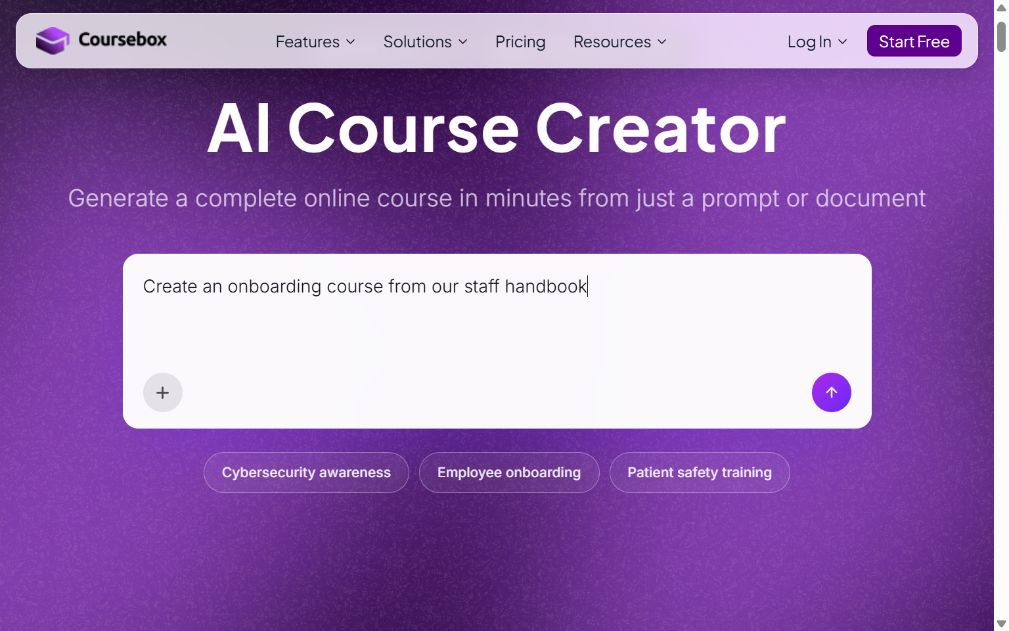
Coursebox turns source material into an editable course with assessments, video and an AI tutor, then supports hosted delivery or LMS export. It suits an ID who needs to build the learning product as well as draft text and media.
The designer can review structure, examples and assessment answers before publishing. Branded delivery, learner groups, pathways and advanced reporting depend on the plan. Dynamic SCORM, standalone SCORM and LTI have different delivery behaviour, so the exported learning experience needs a test in the destination LMS.
What stood out: In my workflow, the useful gain is getting structure and activities into an editable course early. I still check the hardest decision the learner must make and whether the assessment tests it. The subject expert’s review remains part of the build.
My verdict: Choose it for source-based creation with learner support and optional branded delivery. Compare the exact interaction and export needs when the project calls for a custom simulation.
Pricing: A limited free plan includes three mini courses and unlimited learners. Current Australian prices are Creator AU$500/year, Pro AU$1,400/year and Pro + LMS AU$4,200/year. AI allowances and delivery features vary; Enterprise and SSO are separate buying considerations.
3. LearningStudioAI

LearningStudioAI creates an editable course from a topic or document, with lessons, quizzes, images and narration. It can share the course through an identified learner link or export SCORM for another LMS. That makes it useful for a designer who needs a complete course without constructing every block.
Starter permits five AI course creations per month and a 30-course workspace, with document-size limits. Larger tiers raise those allowances. Named learner analytics require the identification setting. The vendor’s cancellation terms also affect hosted links and retained courses, so exported files and hosted delivery are different choices.
From my comparison: What I check first is an assessment derived from the source document. The question should test the intended skill and the answer should be traceable to the material. I would then compare the shared-link report with a SCORM result in the destination LMS.
My verdict: Choose it for document-based authoring and straightforward delivery. Its per-account workspace should be compared with team permissions and collaboration needs rather than described as a substitute for every enterprise LMS.
Pricing: Starter is US$39/month, Pro US$69 and Enterprise US$149. The editor can be explored free; AI generation requires a paid plan. Confirm the current allowance and export rights before cancelling hosted delivery.
4. Mindsmith
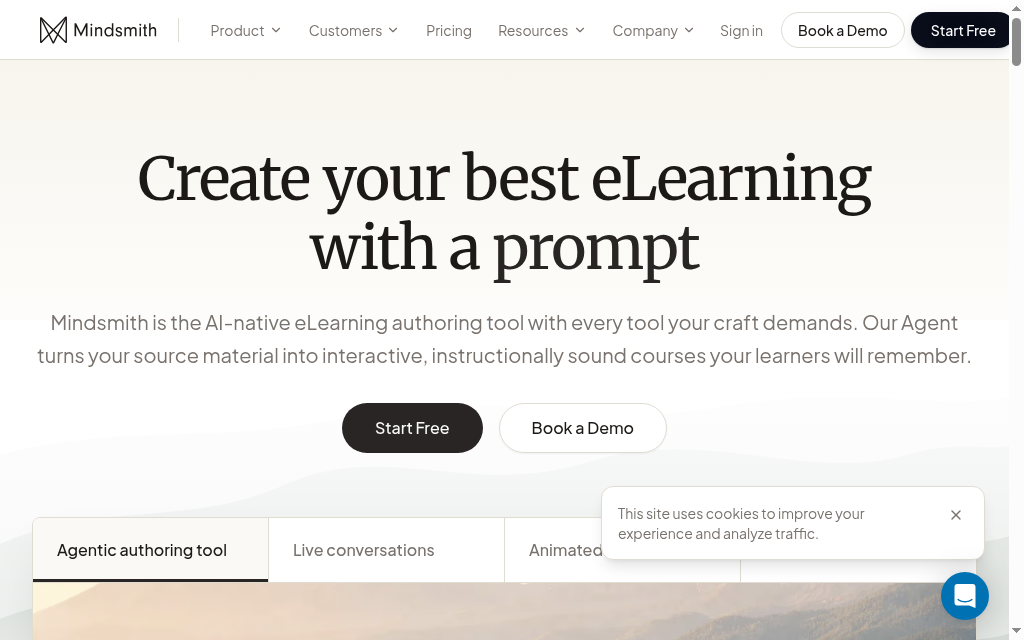
Mindsmith provides AI-assisted lesson generation, editing and sharing, including SCORM. Authors can arrange lessons into courses, so its scope is broader than only short microlearning. It is useful for designers who want browser authoring with generated content and a shared update workflow.
Professional adds narration, branding and engagement metrics. Business adds live collaboration, version history and staging. Those production controls can be more relevant to an ID team than generating another draft. AI credits are allocated per author, and additional credit purchases have plan restrictions.
My practical check: My review focuses on a changed procedure. I want an author to edit the relevant lesson, a reviewer to check it and the team to know which version is live. That is where staging and history support maintained training rather than just faster first drafts.
My verdict: Choose it for AI-assisted authoring with a growing collaboration requirement. Compare the chosen tier’s source, version and publishing workflow with the programme you need to maintain.
Pricing: Free includes 450 one-time AI credits. Professional is US$468/author/year and Business US$780/author/year, equivalent to US$39 and US$65/month on annual billing. Enterprise is quoted.
5. Articulate Rise with AI Assistant
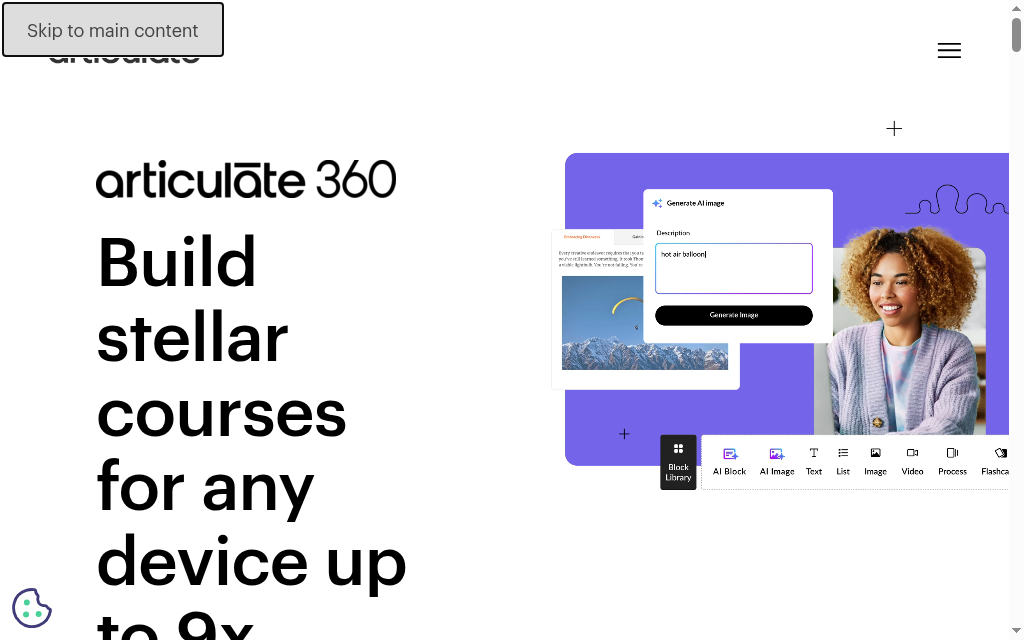
Rise 360 provides responsive browser authoring within Articulate 360. Its AI Assistant helps draft and revise lesson content and assessment items where the designer is already editing the course. The wider subscription also includes Storyline for custom interactions and Review for stakeholder feedback.
For a customer complaint exercise, Storyline can make the next scene depend on a learner’s choice. A straightforward induction is a better candidate for Rise. Review provides a shared place for stakeholder feedback, and the suite exports SCORM, xAPI and cmi5. Storyline still requires Windows, so choosing Articulate does not by itself solve a Mac-only authoring requirement.
My review: In my comparison, keeping the draft and review inside the authoring workflow was the useful benefit. I would check whether the AI-generated assessment matches the objective, then use Review for the SME’s feedback. Storyline is a separate Windows application when the activity needs more custom interaction.
My verdict: Choose it for a mix of quick responsive courses and custom scenarios. A team that mainly needs to turn existing documents into training should compare the editing effort and licence cost with a simpler browser tool.
Pricing: US$1,449 per author/year for Personal or US$1,749 for Teams. Translation and AI avatar workflows use separately purchased credits; a 14-day trial is available.
6. Synthesia
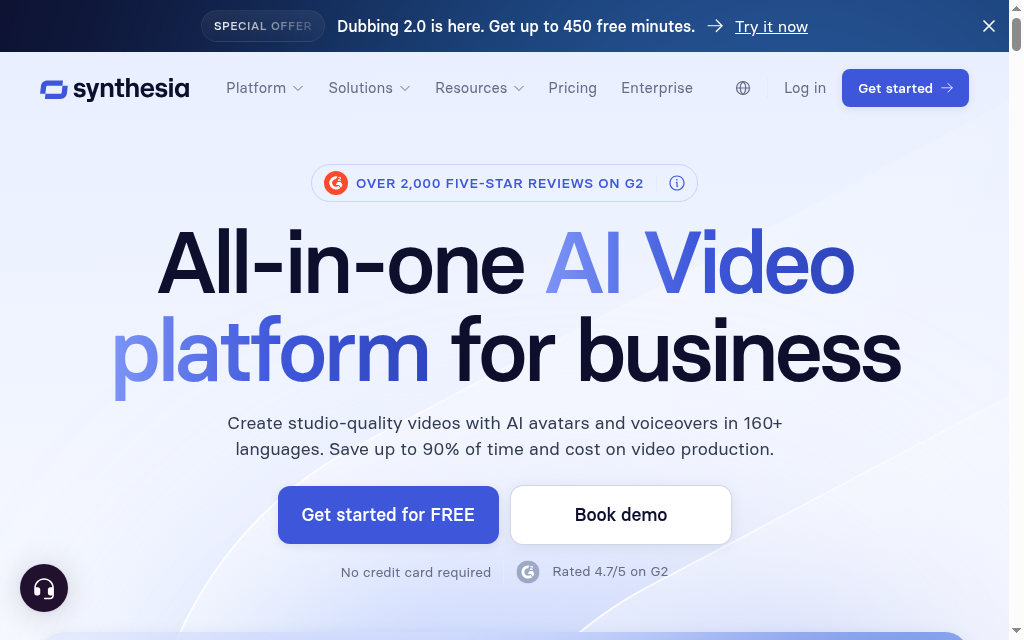
Synthesia suits teams producing a library of presenter-led training without repeatedly filming a person. Start with a script, choose an avatar and build scenes with supporting visuals. A policy explanation can keep the same presenter across later revisions, while local versions can use different languages and voices.
Its current offering extends beyond a flat video file. Pro includes interactive video, and enterprise buyers can discuss LMS delivery and governance. Those features need a plan-level comparison: a Starter video budget should not assume every interaction, translation or enterprise control is included. AI credits also cover different generation tasks, so estimate the workload from finished minutes and the revisions each lesson needs.
What stood out: What stood out in my review was the repeatable presentation format. It is useful for explaining a policy consistently, but a presenter cannot demonstrate a real software interface or physical task by itself. I would put the actual screen or approved process footage into the lesson and use the avatar for explanation.
My verdict: Choose Synthesia for a maintained presenter-video library. For a click-by-click software guide, compare Guidde; for video, assessments and learner support in one training platform, compare Coursebox.
Pricing: Starter is US$29/month and Pro US$89/month on monthly billing; Enterprise is quoted. AI usage is credit-based. Separately sold roleplay learner seats should not be included in the video subscription budget.
7. Canva Magic Studio
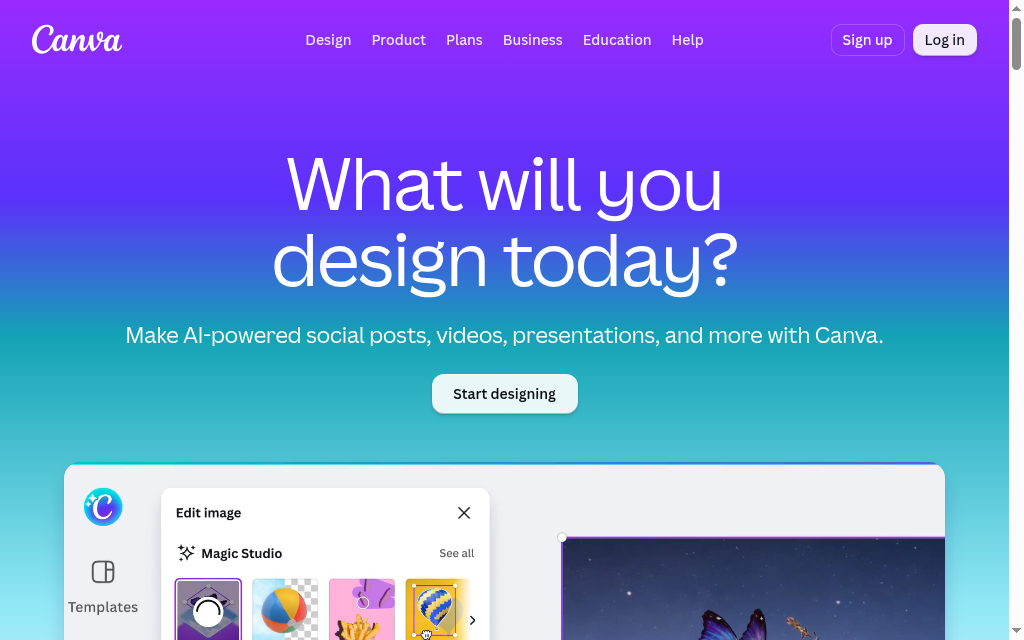
Canva’s AI tools help produce graphics, presentations and supporting course assets within its design editor. The useful output might be a job aid, illustrated scenario or slide deck that the designer then brings into a learning platform.
Brand controls, resizing and image editing support repeated production, but AI allowances and team features differ by plan. Generated visuals need a check for labels, diagrams and technical detail. A plausible illustration can still teach the wrong procedure, especially when equipment or spatial relationships are important.
From my comparison: From my comparison, the strongest use is an asset with a clear brief: show the correct sequence, keep the wording short and preserve the required brand treatment. I would review it at the size learners will actually see, including a phone or exported handout.
My verdict: Choose Canva for editable visual production alongside the course builder. A presentation export is different from a complete assessed course with learner records.
Pricing: Free, Pro, Business and Enterprise options have different AI and collaboration allowances. Use the regional checkout for the current subscription and seat cost; do not assume every Magic Studio feature is in Free.
8. Midjourney
Midjourney generates images from prompts and visual references. It is useful for a course that needs a particular illustration style or scenario scene that is difficult to find in stock imagery.
The designer still needs to brief the scene and review details. Consistency across characters and settings requires attention, and a generated equipment image should not substitute for an accurate procedure photograph. Most image work is public by default; private generation through Stealth requires Pro or Mega.
My practical check: My review separates mood-setting imagery from instructional evidence. An illustration can introduce a scenario, but a labelled technical diagram needs a stricter accuracy check. I would use the same visual brief across a small set before committing a whole programme to the style.
My verdict: Choose it for custom course imagery, with editing and accessibility work handled alongside it. It does not replace a presentation editor or course-delivery platform.
Pricing: Basic is US$10/month, Standard US$30, Pro US$60 and Mega US$120. Annual billing has different rates. Compare generation-time allowances and any private-work requirement.
Build a small toolkit around the learning task
| Requirement | What to compare | Useful check |
|---|---|---|
| Analysis | Keep the audience, task and source material visible | Review an objective against the SME’s brief |
| Authoring | Design the exercise before selecting the format | Check that the assessment tests the intended task |
| Media | Use the asset to explain something the learner needs | Review labels, captions and image descriptions |
| Delivery | Retain editable source and inspect the export | Test score, completion and resume in the destination |
| Maintenance | Name the content owner and update process | Revise one fact and find every affected asset |
Use a representative learner and the hardest activity. Compare the source, result and report before assigning the programme more widely. Retain the existing material and records while the pilot is reconciled.
The same survey found that 38% used AI to answer learner questions or provide support. Check the answer sources and route to a person alongside the course-creation workflow.
Which tool should you choose?
| Your main job | Starting choice |
|---|---|
| Analysis, drafting and assessment ideas | ChatGPT |
| Editable courses with learner delivery | Coursebox |
| Document-based courses and SCORM | LearningStudioAI |
| AI authoring with collaboration controls | Mindsmith |
| AI drafting inside Rise 360 | Articulate Rise with AI Assistant |
| Presenter-led training video | Synthesia |
| Editable graphics and presentations | Canva Magic Studio |
| Custom course imagery | Midjourney |
Choose by the required workflow and the complete cost at the appropriate plan. The quiz covers four starting choices; all eight options are compared above.
For a closer look, see ai tools for l and d.
For a closer look, see ai tools for employee training.
For a closer look, see ai tools for l and d.
For a closer look, see ai tools for employee training.
For a closer look, see ai tools for workforce training.
Frequently Asked Questions
Some tools combine course generation and delivery, while others support drafting or media. The designer still needs to align objectives, practice and assessment, check the source and review the learner experience.
A video or illustration can be added to a course without being a SCORM package itself. Check the required standard for the completed course and the LMS record it must return.
Check factual accuracy, terminology, assessment answers, accessibility and source coverage. Keep the subject expert involved and test the published learning activity.
Carolina Martin
Carolina is a highly experienced learning designer with tech start-up experience. She is based in Sydney and previously designed courses alongside Coursebox founder Travis in a previous job. She is passionate about delivering engaging learning experiences and brings the same perspective to customer experience too. She manages our customer support documentation and product testing processes.

