

8 Kartra Alternatives for Funnels, Marketing and Courses in 2026
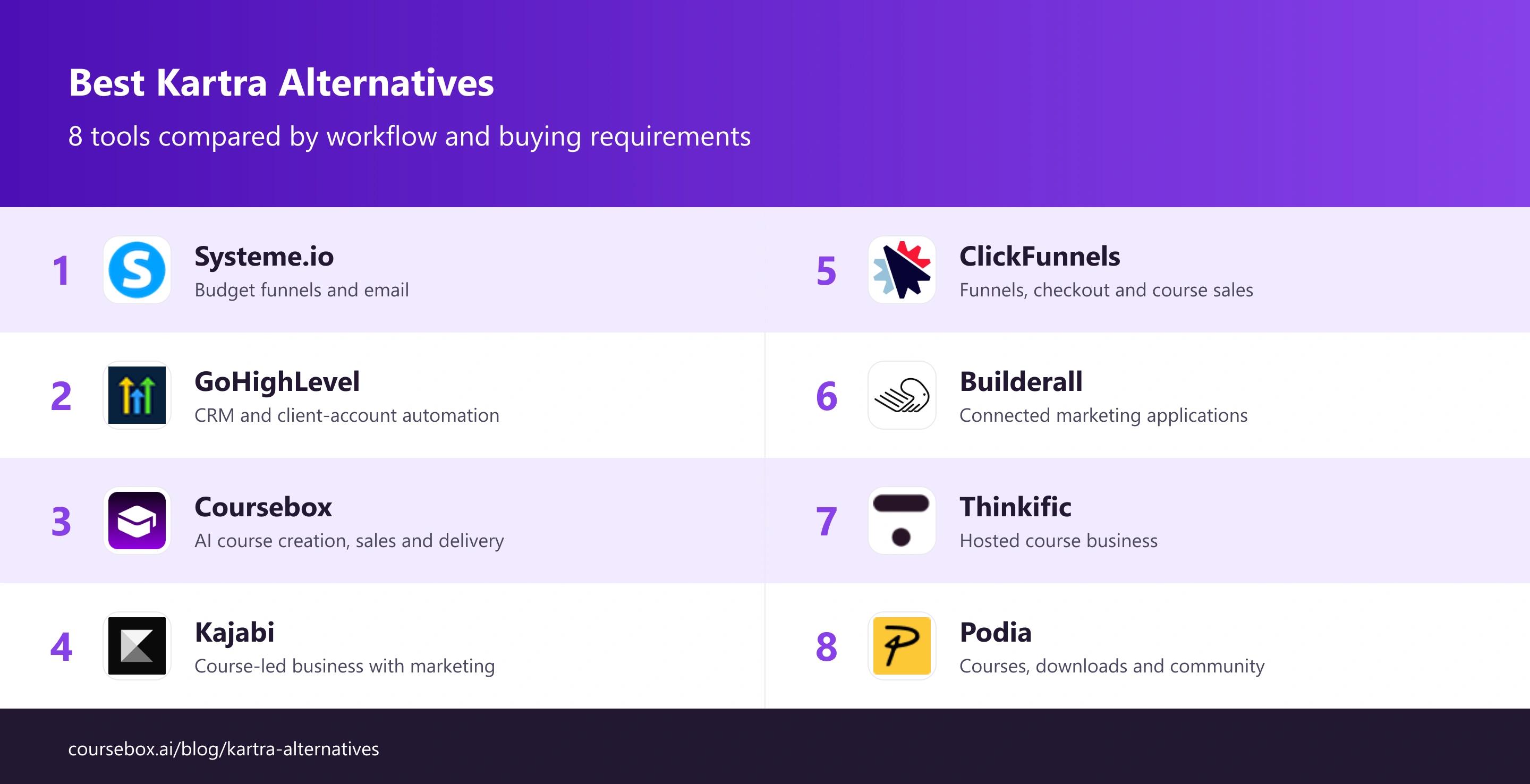
The best Kartra alternatives in 2026 include Systeme.io, GoHighLevel, Coursebox, Kajabi, ClickFunnels, Builderall, Thinkific, Podia. Compare the learning or business workflow you need.

The best Kartra alternatives in 2026 include Systeme.io, GoHighLevel, Coursebox, Kajabi, ClickFunnels, Builderall, Thinkific, Podia. Compare the learning or business workflow you need.
- Lead capture, checkout, follow-up and customer access.
- Subscription, usage, transaction fees and contact allowances.
Answer three questions to compare the four tools below. The result balances your preferences; the entries explain the features, limits and costs to check.

Build, launch and sell quality courses in minutes
If you use Kartra for funnels, email and checkout, replacing only the course area leaves a lot of the business to reconnect. If the courses are the part you want to improve, another full marketing suite may be more than you need. The right shortlist follows what you actually run in Kartra.
I run marketing at Coursebox and work inside these platforms every week. I’d follow the route from lead capture to payment and learner access, then compare the work and cost of keeping it running. Coursebox’s online course sales tools are included for AI-created learning and course selling; other entries cover broader marketing and CRM needs.
How I picked these Kartra alternatives
I used these criteria:
- Selling workflow: Lead capture, checkout, follow-up and customer access.
- Learning: Courses, assessments and returning-learner experience.
- Migration: Content, consent, subscriptions and access rules.
- Total cost: Subscription, usage, transaction fees and contact allowances.
Baymard’s compilation of 50 ecommerce studies gives a 70.22% average cart-abandonment rate. It is an ecommerce benchmark, so use it to motivate a checkout test rather than predict the result for your course offer.
The tools compared
| Tool | Useful starting job | Starting cost |
|---|---|---|
| Systeme.io | Budget funnels and email | Free; Startup US$17/month |
| GoHighLevel | CRM and client-account automation | Starter US$97/month plus usage |
| Coursebox | AI course creation, sales and delivery | Free; Creator AU$500/year |
| Kajabi | Course-led business with marketing | Basic US$179/month |
| ClickFunnels | Funnels, checkout and course sales | Launch US$97/month |
| Builderall | Connected marketing applications | Advertised US$47/month offer |
| Thinkific | Hosted course business | Basic US$54/month |
| Podia | Courses, downloads and community | Mover US$504/year plus 5% fee |
Prices and plan scope checked in October 2026. Currency, billing term and included features are stated in the entry pricing notes.
The 8 Kartra alternatives
1. Systeme.io
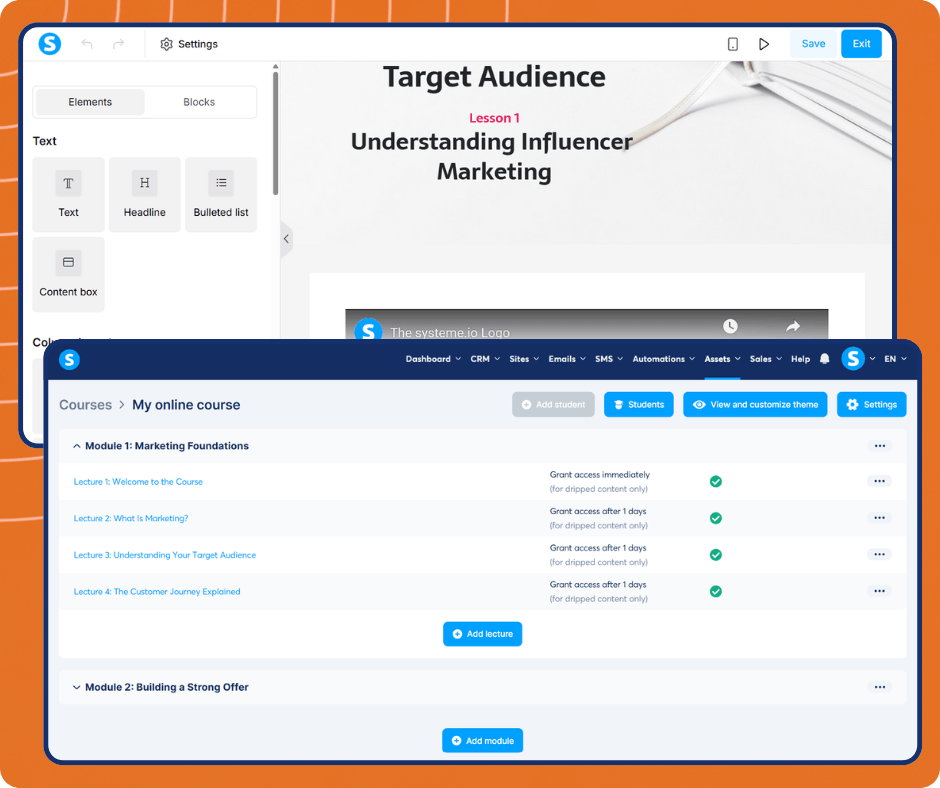
Systeme.io combines funnels, email, course access and affiliates in one account. It is useful when the sales journey is as important as the lessons, especially for a small creator business starting with a modest subscription.
The connected workflow is landing page, checkout, enrolment and follow-up email. Keeping those steps together reduces integration work. The free plan caps contacts, courses and other resources, so upgrades should be priced against the actual audience and catalogue.
My review: In my marketing review, I follow a purchase through to the first lesson. I check which emails fire and how a refunded customer loses access. A cheap funnel builder is useful only if course access and follow-up work too.
My verdict: Choose it for a funnel-and-email-led business with a relatively simple course offer. Compare complex assessments and institutional reports separately.
Pricing: The free tier includes 2,000 contacts and one course. Startup is US$17/month. There is no platform transaction fee; payment processing still costs money.
2. GoHighLevel
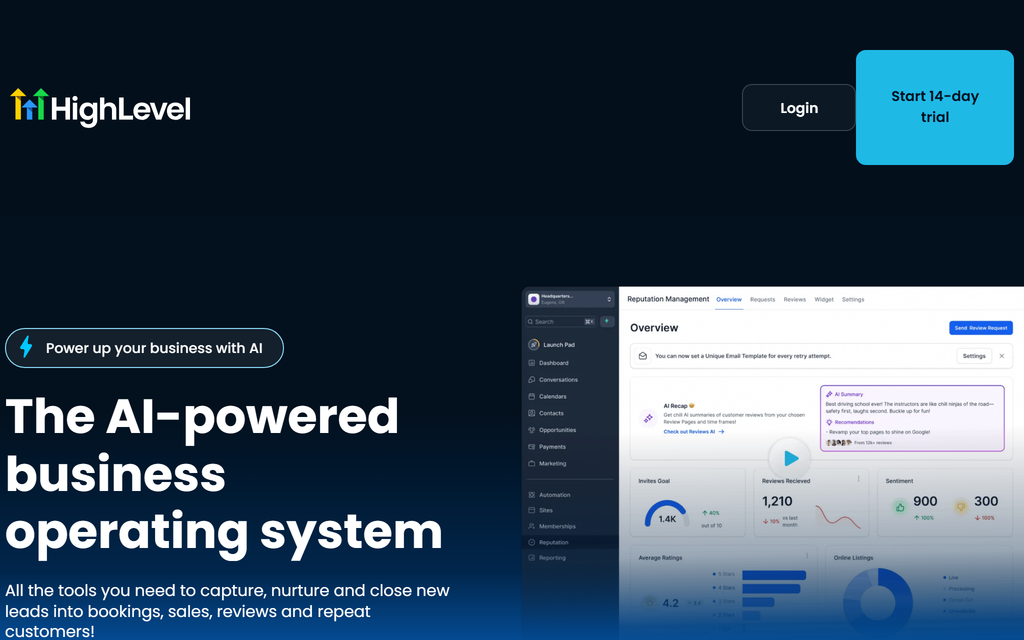
HighLevel combines CRM, pages, funnels, email, messaging and automated follow-up. It is useful when the Kartra replacement needs to manage a marketing operation or several client accounts, not just a course catalogue.
Starter includes three sub-accounts; Unlimited and Agency Pro allow more. Phone, SMS, email and premium AI usage can incur additional charges even when contacts and users are unlimited. Courses and memberships sit within this wider operation, so the team must decide who maintains the learning content and automation.
What stood out: My marketing check follows a lead through a form, pipeline update and course purchase, then tests a refund or access change. I also check which messages cost money. That exposes the operating cost and configuration work behind a low headline subscription.
My verdict: Shortlist it for connected CRM and follow-up, especially when client accounts are required. Compare the actual course experience separately if teaching is the main product.
Pricing: Starter is US$97/month or US$970/year; Unlimited US$297/month; Agency Pro US$497/month. Usage charges and optional services are additional.
3. Coursebox
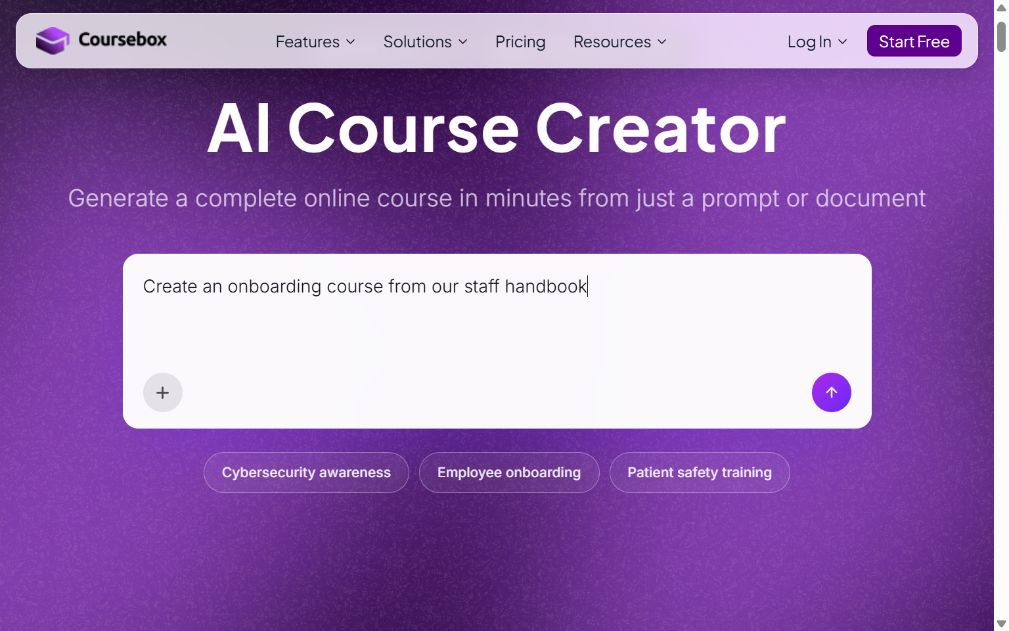
Coursebox combines AI course creation, learner delivery and course-selling options. Existing material can become an editable course with assessments, video and AI learner support, then be delivered under your brand. It is useful when developing the learning product is the main work.
Course-selling and payment integrations are part of the offering, so it should not be described as having no checkout. Branded delivery, communities, groups, reporting, SCORM and LTI provide additional learning workflows at the appropriate plan. A full funnel, CRM and email operation still needs a comparison of the exact marketing requirements.
From my comparison: What I check is the complete offer: generate and edit the lesson, set up the intended purchase route and follow the buyer into the course. I then inspect assessment results and learner support. That tests the product and selling journey together.
My verdict: Choose it for AI-created courses and their delivery or sale. If the central need is a client CRM and campaign automation, compare those workflows with the marketing suites rather than assuming course selling replaces them.
Pricing: A limited free plan includes three mini courses and unlimited learners. Current Australian prices are Creator AU$500/year, Pro AU$1,400/year and Pro + LMS AU$4,200/year. AI allowances and delivery features vary; Enterprise and SSO are separate buying considerations.
4. Kajabi
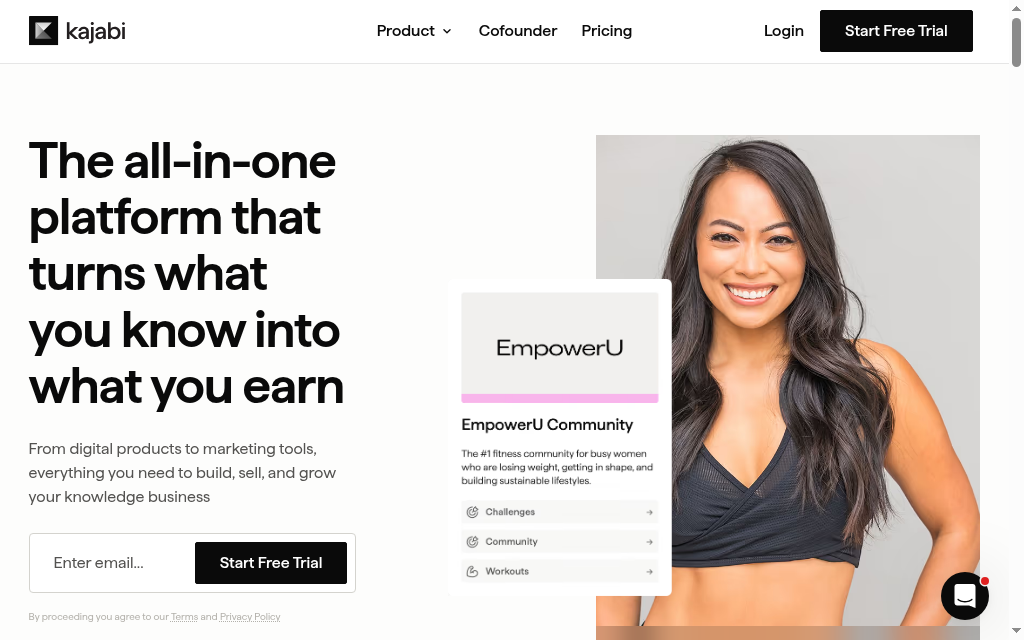
Kajabi combines courses, a website, marketing email, funnels and community. It is a relevant Kartra alternative for a creator who still wants the learning business and its marketing in one platform.
Basic currently permits five products and 2,500 contacts. Higher plans change the allowances and business features. A move should account for the active audience, each paid offer and recurring payments, rather than compare only the course editor.
My practical check: In my review, I follow the launch workflow: publish the offer, purchase it, receive the welcome sequence and return to the course. I would also check an existing subscriber, because importing content does not automatically preserve a payment agreement or learning progress.
My verdict: Choose it for a course-led business that benefits from the connected suite. It should not be described as automatically cheaper than Kartra; compare the required contact and product allowances.
Pricing: Basic is US$179/month or US$143/month billed annually. Higher plans add capacity and features. Confirm payment-processing costs and any gateway-specific charges for the selling arrangement.
5. ClickFunnels
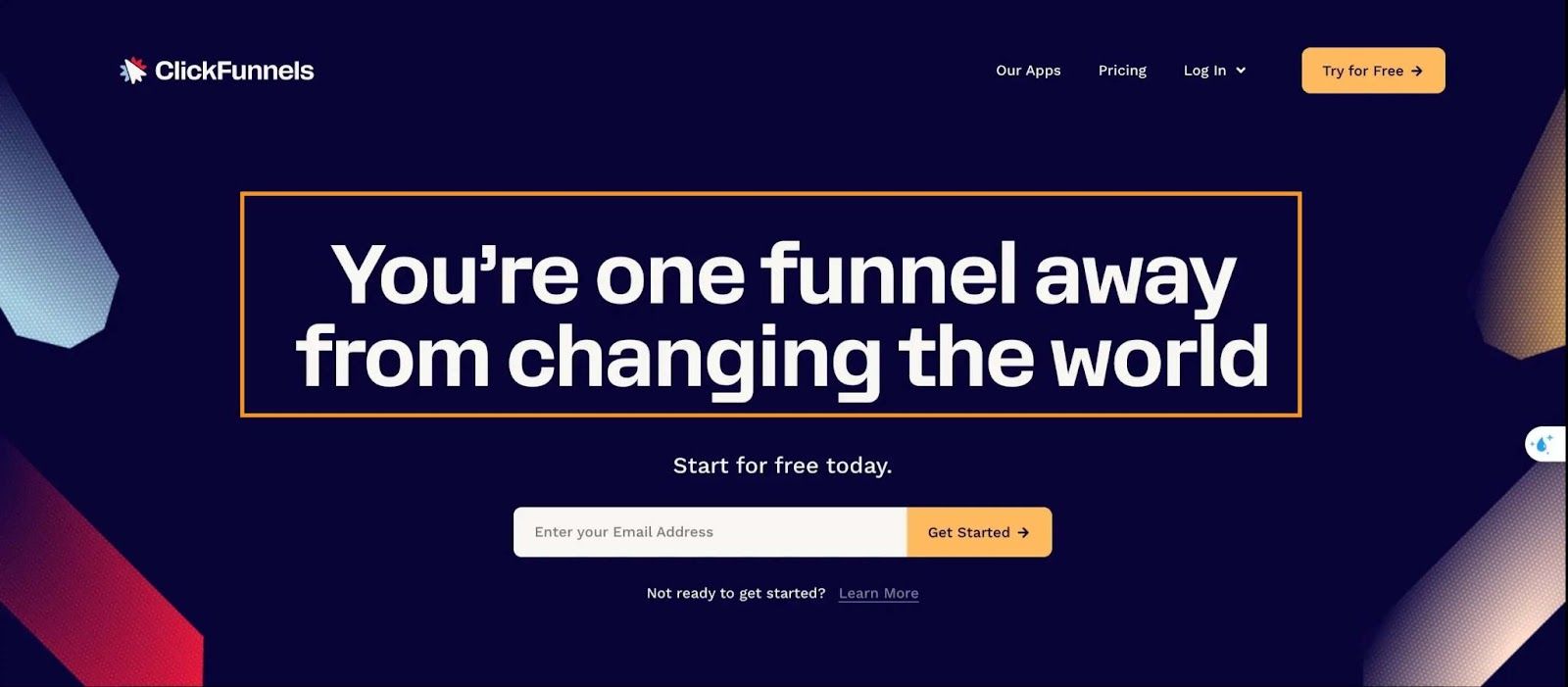
ClickFunnels combines landing pages, funnels, checkout and follow-up with courses and community. It is useful when the main reason to move from Kartra is the sales journey and the team wants to keep that journey in a hosted system.
Launch includes three courses, one workspace, two team members, 10,000 contacts and 50,000 emails per month. Courses are therefore not reserved for the highest plan. Higher tiers increase those allowances and add controls such as webhooks and full API access.
My review: What I compare is the offer’s actual buying path: the landing page, checkout, additional offer and first lesson. I would test a refund and the associated access change too. A funnel that sells successfully still needs a manageable learning and support experience.
My verdict: Choose it for funnel-led selling with courses in the same platform. A more developed assessment or corporate reporting requirement needs a separate learning-workflow comparison.
Pricing: Launch is US$97/month or an advertised US$81/month on annual billing. Scale is US$197 monthly and Optimize US$297 monthly. Check the checkout total, contact allowances and processor costs.
6. Builderall
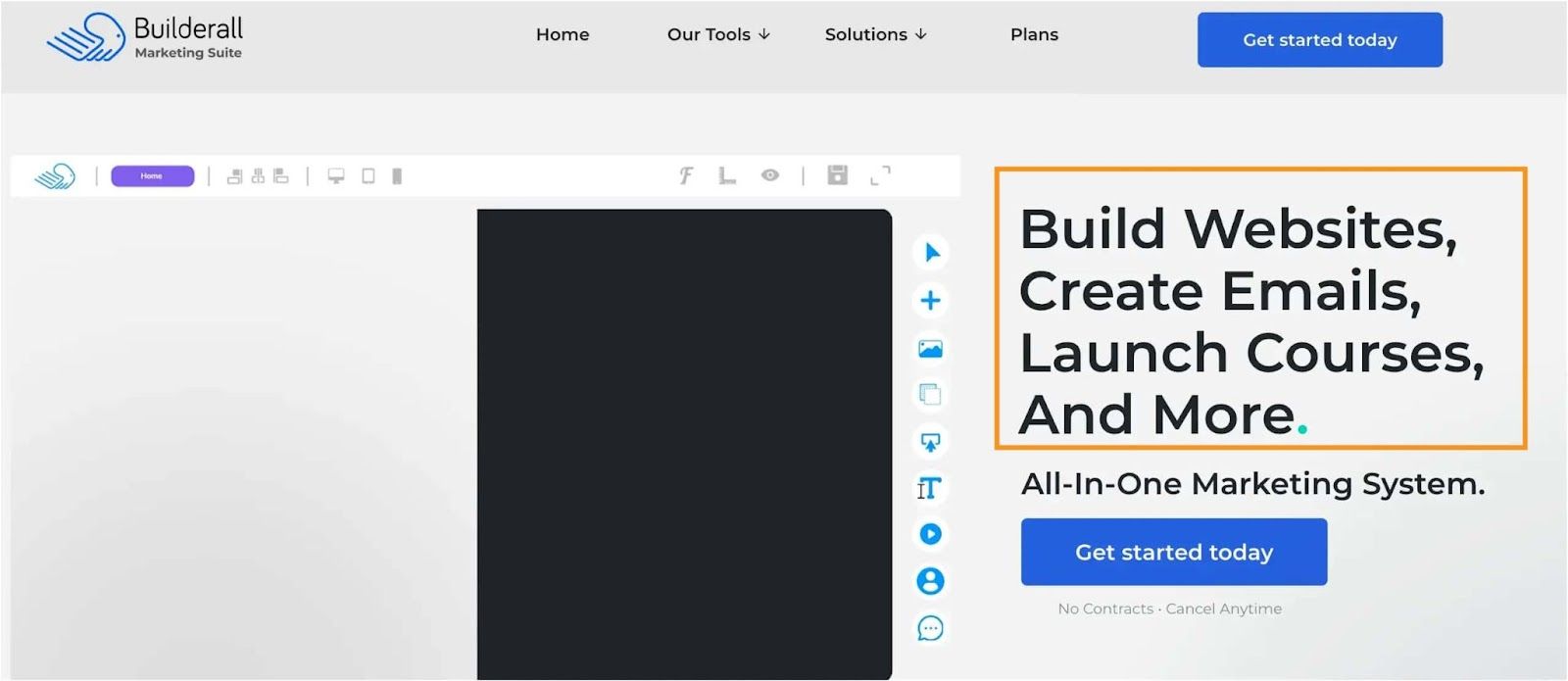
Builderall brings website and funnel building, email tools and other marketing applications into one subscription. It is worth comparing when the Kartra replacement needs several connected marketing jobs rather than a dedicated course editor.
Tool availability and quotas vary by subscription. A broad application list does not establish that the chosen plan includes the required course, checkout and automation workflow. Map the offer against the current plan before assuming it reproduces the whole Kartra account.
What stood out: My review would use one campaign rather than tour every application. Build the page, collect a lead, send the follow-up and check course access after purchase. I would also record which configuration must be maintained in separate applications.
My verdict: Shortlist Builderall when its included marketing tools fit the workflow you already run. Compare the actual plan and learning experience; the entry plan should cover the tools your offer actually uses.
Pricing: The current official marketing page advertises an all-tools US$47/month offer. Confirm the checkout and included quotas for the intended account, as offers and plan arrangements can differ.
7. Thinkific
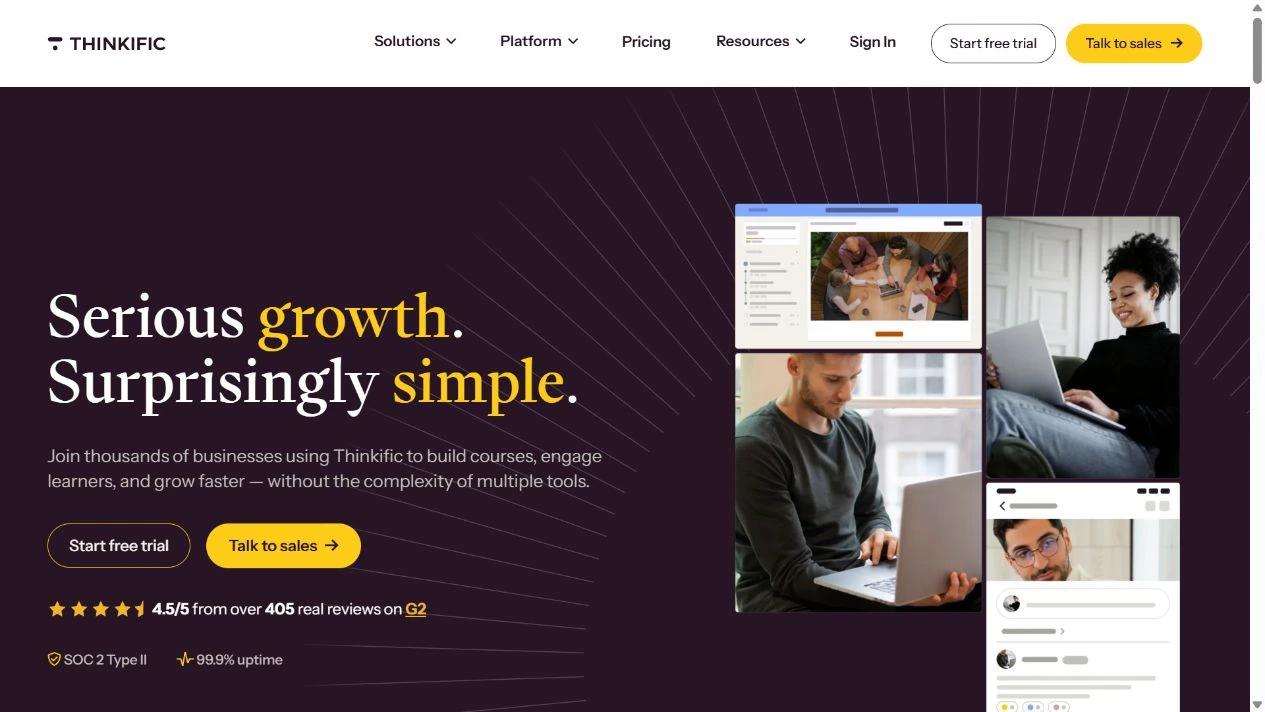
Thinkific suits a course business that wants hosted learning, commerce and a community around the programme. Authors can build courses and use AI-assisted creation, while learners can access lessons and discussion within the platform. It is useful when the replacement needs to support the business around the course as well as its content.
The starting plan is not the whole academy. Basic includes core selling and learning, while removing Thinkific branding requires Grow. A branded mobile app is an additional purchase. Payment costs also depend on country and gateway: using an external gateway can add a platform gateway fee, while Thinkific Payments still has standard processing costs.
From my comparison: My review would follow both a new customer and an existing learner. The first needs clear checkout and access; the second needs to return to the right lesson and find support. I would check migration of accounts, subscriptions and progress separately rather than assume importing the videos recreates the existing programme.
My verdict: Choose Thinkific for a hosted course business with community and commerce. If the main need is internal training, compare employee assignment, reporting and identity requirements at the appropriate tier.
Pricing: Basic is US$54/month or US$40/month billed annually. Higher plans add learning and business features. Include branding, any mobile-app add-on and payment fees in the comparison rather than budgeting only the Basic subscription.
8. Podia

Podia combines a website, courses, downloads, community and email. It suits a creator who wants those jobs together without building a more involved funnel operation.
Mover has a 5% platform transaction fee and an email allowance of 100 subscribers before paid expansion. Product and video limits apply too. Evaluate cost against sales, catalogue size and the number receiving marketing emails.
My practical check: What stood out in my comparison was the relatively simple connected workflow. I would move one paid course and its welcome sequence, then check community access and returning-customer login. Do not assume migration assistance transfers every recurring payment or historical record.
My verdict: Choose Podia for a straightforward course-and-download business with community. Map sophisticated campaign sequences before replacing Kajabi’s wider marketing stack.
Pricing: Mover is US$504/year, equivalent to US$42/month on annual billing, plus a 5% platform fee. Annual Shaker and Earthquaker prices are equivalent to US$84 and US$150/month with no Podia transaction fee. Email expansion and processing add costs.
Move the customer journey, not just the course files
| Requirement | What to compare | Useful check |
|---|---|---|
| Leads | Contacts, consent and segmentation | Submit a form and verify the correct follow-up |
| Selling | Offer, checkout, refund and taxes | Purchase the offer and inspect the access change |
| Subscriptions | Recurring payment ownership and migration | Confirm the gateway process before disabling the old offer |
| Learning | Lessons, progress and customer accounts | Test a returning learner and the hardest assessment |
| Cost | Contact, message and platform fees | Price the same audience and sales volume in each plan |
Use a representative learner and the hardest activity. Compare the source, result and report before assigning the programme more widely. Retain the existing material and records while the pilot is reconciled.
Thinkific’s 2026 survey of 1,039 learning professionals found that 44% used AI to create educational content. Compare editing and review as well as generation when course creation is part of the replacement.
Which tool should you choose?
| Your main job | Starting choice |
|---|---|
| Budget funnels and email | Systeme.io |
| CRM and client-account automation | GoHighLevel |
| AI course creation, sales and delivery | Coursebox |
| Course-led business with marketing | Kajabi |
| Funnels, checkout and course sales | ClickFunnels |
| Connected marketing applications | Builderall |
| Hosted course business | Thinkific |
| Courses, downloads and community | Podia |
Choose by the required workflow and the complete cost at the appropriate plan. The quiz covers four starting choices; all eight options are compared above.
For a closer look, see kajabi alternatives.
Frequently Asked Questions
Yes. Coursebox supports course-selling and payment integrations alongside AI creation and branded delivery. Compare the required payment and access workflow; it should not be described as lacking checkout simply because it is not a full marketing CRM.
Systeme.io, HighLevel and ClickFunnels are useful starting points. Kajabi and Builderall also combine marketing and selling tools. Compare the actual automation, contact limits and course requirements.
Confirm this with the payment gateway and both platforms before moving. Importing customers or course content does not automatically transfer recurring-payment agreements or historical progress.
Parshad Desai
Parshad is a full stack technical marketer based in our Perth office. He began his Coursebox career as a marketing intern. After impressing the founders with his incredible work, he later transitioned into a full time position coordinating digital marketing. His focus lies in managing our website, product analytics, and email marketing. Recently he has taken a keen interest in applying AI to digital marketing and growth.

