

10 Best LMS for Manufacturing Industry Teams to Train Workers Efficiently
Discover the best LMS for manufacturing industry teams. Manage training, safety, and skills with a modern learning management system for manufacturing.


Personalise learning pathways at scale with intelligent AI tools.
Training people in manufacturing feels hard. Safety rules keep changing. Equipment updates happen fast. Skill levels vary across teams. Keeping training consistent often turns into daily stress. You’re not alone. Research shows 83% of manufacturers struggle to find and keep skilled workers.
The right LMS for manufacturing changes that story. It enables teams to learn more efficiently, adhere to safety standards, and perform more effectively on the floor. All without extra complexity.
This guide covers some of the best LMS platforms for manufacturing industry teams. Let’s explore the top options and help you choose the right fit for your workforce and training goals.
Full Disclosure: This blog is owned and operated by Coursebox. While we include ourselves in this list because we believe in our platform, we've provided an objective breakdown of features to help you choose the best fit.
Best LMS for Manufacturing Industry Teams: Our Top 10 Picks
Dive into the details of the greatest LMS systems for manufacturing:
1. Docebo
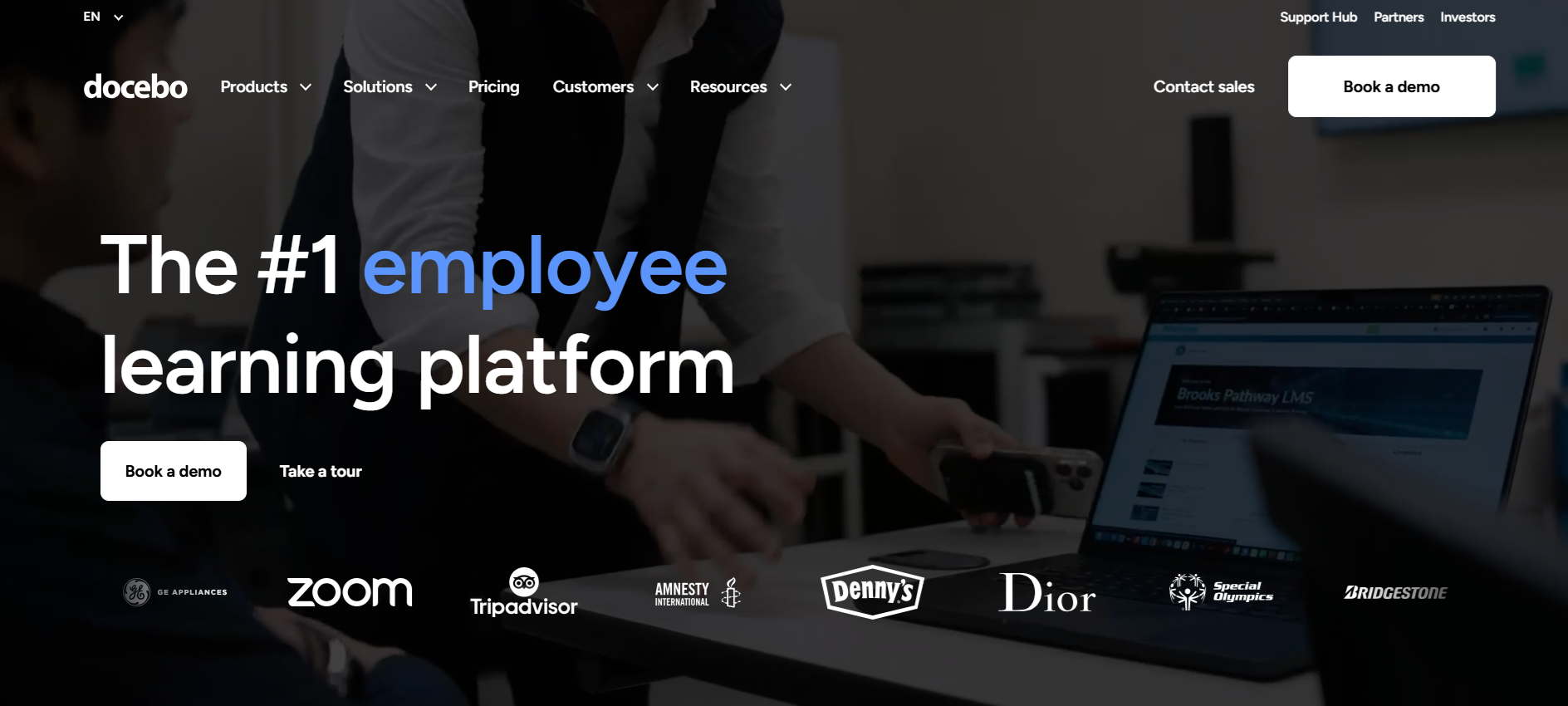
Docebo fits large manufacturing teams with complex training needs. This LMS for manufacturing industry teams supports multiple roles, locations, and skill paths in one system. Built-in AI tools help speed up content creation and reduce manual work. That helps training managers save time while training programs scale. Mobile learning supports workers on the floor or in the field. Strong reporting helps track safety training, onboarding, and compliance across sites.
Docebo works best for companies that want advanced automation and deep control. The platform sits on the higher end of the market, which makes sense for organizations that need enterprise-level LMS systems for manufacturing.
Key Features:
- AI-powered content creation and automation
- Mobile learning for on-the-go teams
- Advanced reporting and analytics
- Compliance and safety training support
- Integrations with common business tools
2. TalentLMS
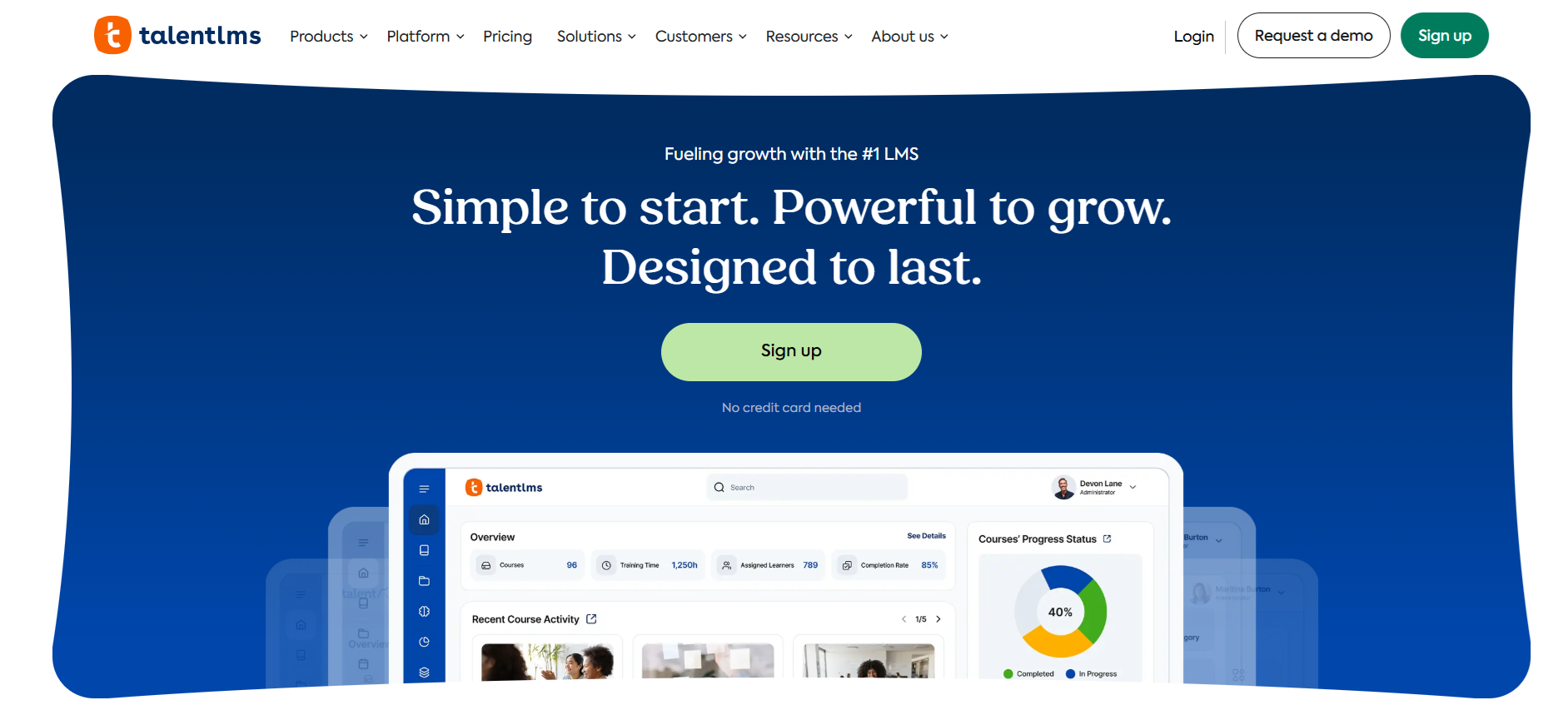
TalentLMS works well for teams that want simple training without extra setup. This LMS for manufacturing fits busy floors and mixed skill levels. The platform feels easy from day one. Workers learn fast, even without tech skills. Mobile access helps training happen during real work hours, not after shifts.
TalentLMS supports safety training, onboarding, and partner learning across locations. Ready-made courses help teams start fast when custom content feels limited. Pricing feels affordable compared to many LMS systems for manufacturing, plus a free plan helps small teams test the platform first.
Key Features:
- Simple course creation for manufacturing roles
- Mobile-friendly learning on any device
- Partner and vendor training with sub-accounts
- Built-in reports for progress tracking
- Ready-made course library for safety and skills
3. Litmos
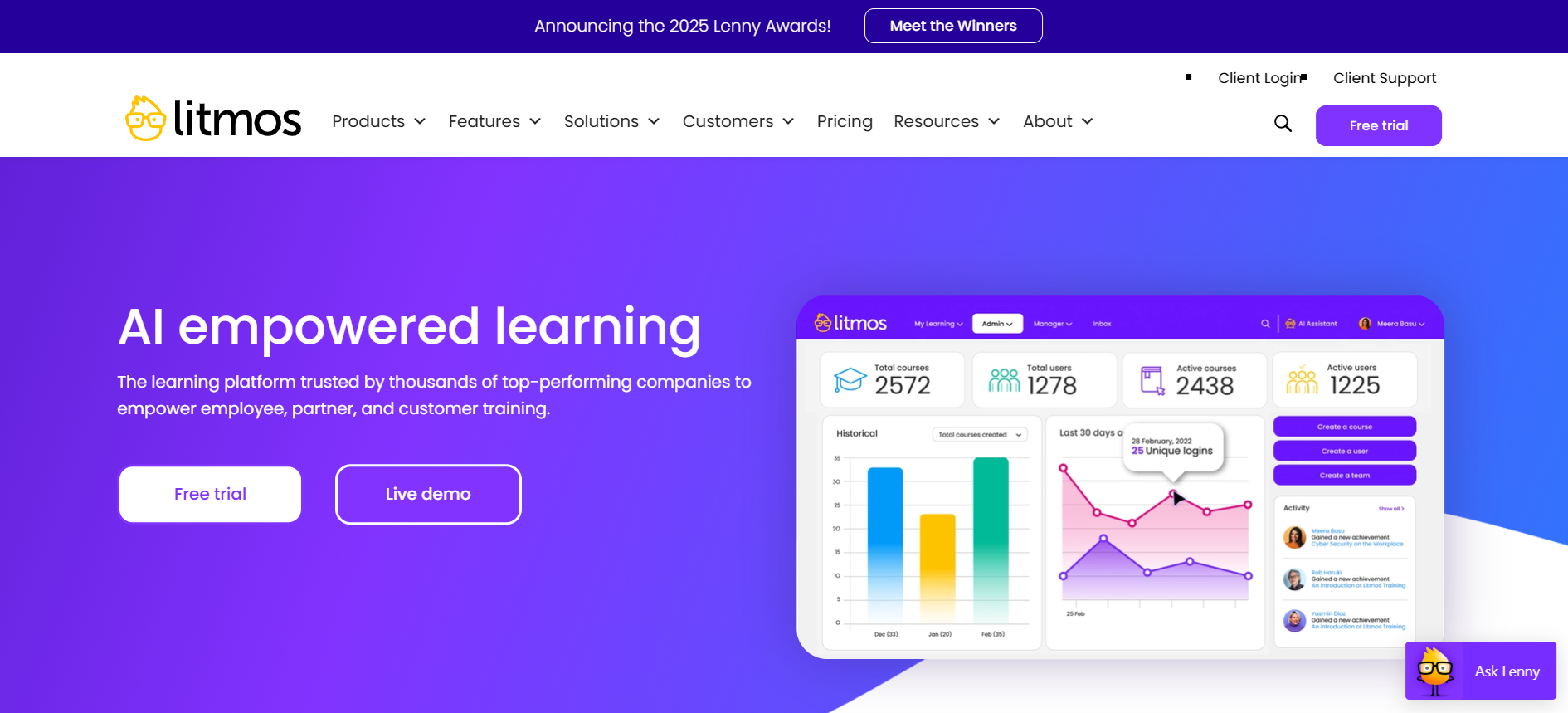
Litmos works well for manufacturing teams that focus on safety, compliance, and fast onboarding. This learning management system for manufacturing supports online, mobile, and classroom learning in one place. Built-in AI tools help speed up course creation and reduce admin work. That helps training managers stay focused on skills and performance.
Mobile access fits workers on the floor or across sites. Reporting tools support audits and compliance checks with less effort. Litmos sits in the higher price range and fits companies that want structured training with strong support and ready-made content.
Key Features:
- AI-powered course creation tools
- Safety and compliance training support
- Mobile learning for shop floor teams
- Built-in reporting and tracking
- Ready-made content library
4. Coursebox AI
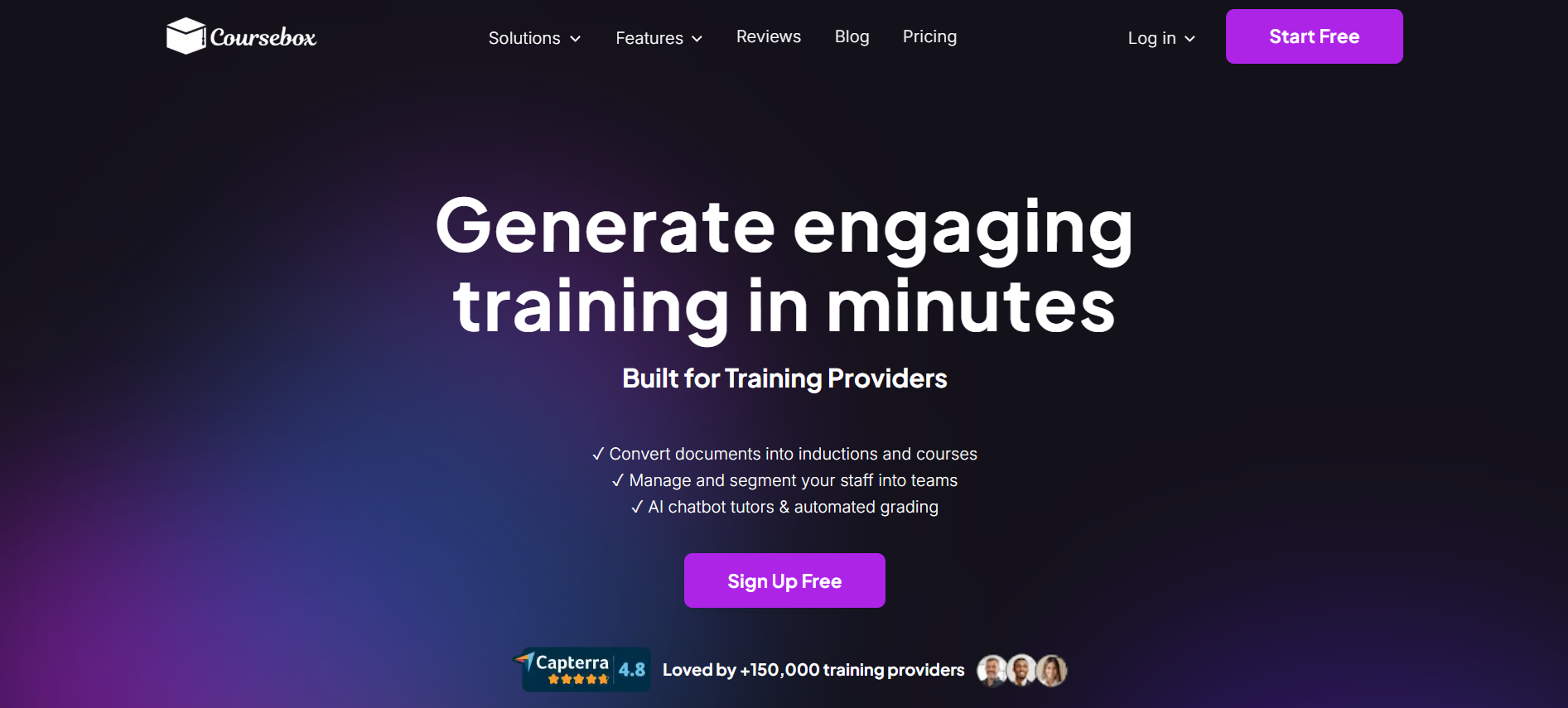
Manufacturing teams using Coursebox AI can turn SOPs, safety docs, training videos, and links into full training courses in minutes, with branded mobile apps, SCORM/LTI export, AI chat tutors, and multilingual delivery for diverse shop-floor teams. Unlimited learners on every plan and a free tier make it easy to test before scaling. This fits operators that want fast content creation and mobile-first delivery for line workers across multiple sites. Large manufacturers with complex safety compliance, multi-country operations, and deep HRIS integration often shortlist Docebo or Absorb LMS, and organisations focused on frontline microlearning with established manufacturing content libraries sometimes consider purpose-built industrial-training platforms.
Key Features:
- AI course authoring that turns docs, videos, and links into full modules in minutes
- Branded LMS platform plus custom mobile app with your logo and colors
- AI video generator with avatars, voiceovers, and language options
- Interactive AI quiz maker and instant AI grading with feedback
- 24/7 learner support from a chatbot tied to your content
- SCORM, LTI export, and integration with existing systems
- Multi-language support in 100+ languages and regional accents
- Built‑in eCommerce to sell courses or subscriptions
- Unlimited learners with no extra user fees
- Mobile-friendly learning experience for teams on the go
5. iSpring Learn
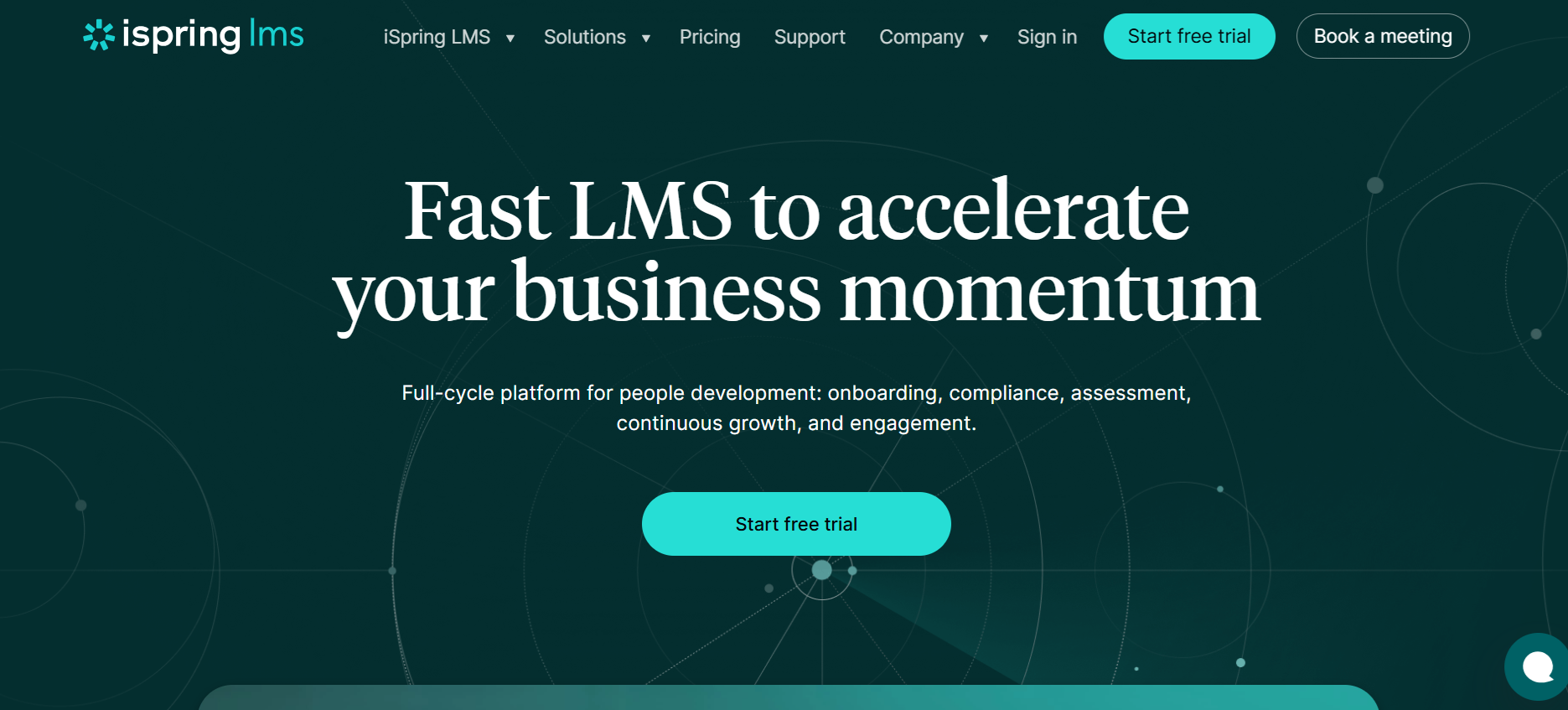
iSpring Learn works well for factory teams that need fast, reliable training without complexity. The platform supports onboarding, safety updates, and skill development across multiple locations. Offline mobile access helps workers learn on the floor or in areas with weak internet.
Built-in authoring tools make it easy to create quizzes, videos, and short lessons without outside software. Clear tracking and reports help managers stay ready for audits and certifications. The system feels lightweight and easy to manage. Pricing stays affordable compared to many manufacturing training platforms, plus a free trial helps teams test before committing.
Key Features:
- Offline mobile learning for factory environments
- Built-in course and quiz creation tools
- Role-based training assignments
- Certification and progress tracking
- Ready-made training content library
6. Tovuti LMS
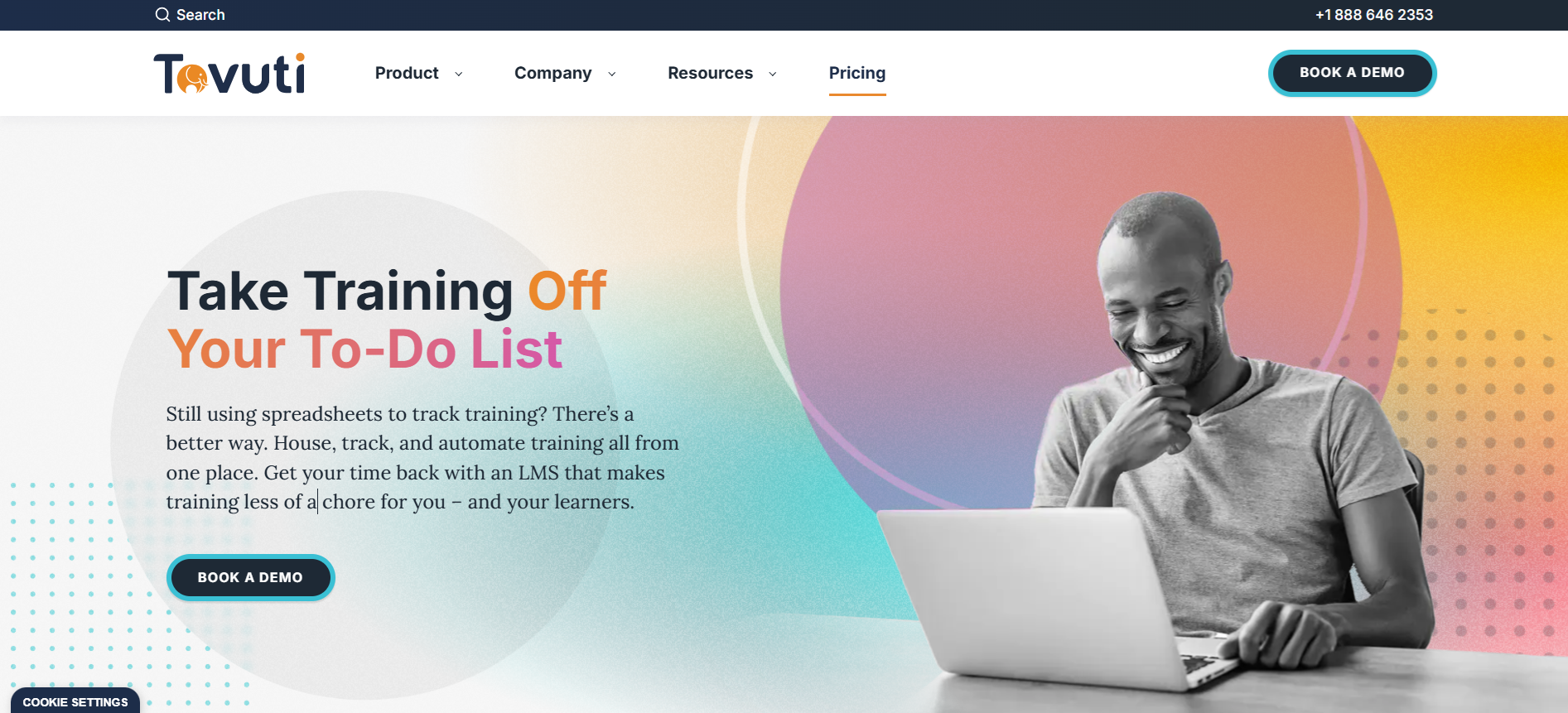
Tovuti LMS works well for teams that want flexibility and automation in training. The platform supports safety programs, onboarding, and role-based learning across floors, offices, and field teams. AI-powered tools help build courses fast, which saves time for busy managers. Automation handles enrollments, reminders, and follow-ups with little manual effort.
Mobile access lets workers train during real work hours, not after shifts. Gamification and certificates help keep engagement high. Tovuti fits companies that want customized training paths and strong control over learning delivery. Pricing follows a custom model, which suits teams that need tailored features rather than fixed plans.
Key Features:
- AI-driven course creation
- Automated enrollments and reminders
- Mobile learning across work environments
- Custom learning paths by role or team
- Gamification with badges and certificates
7. Absorb LMS
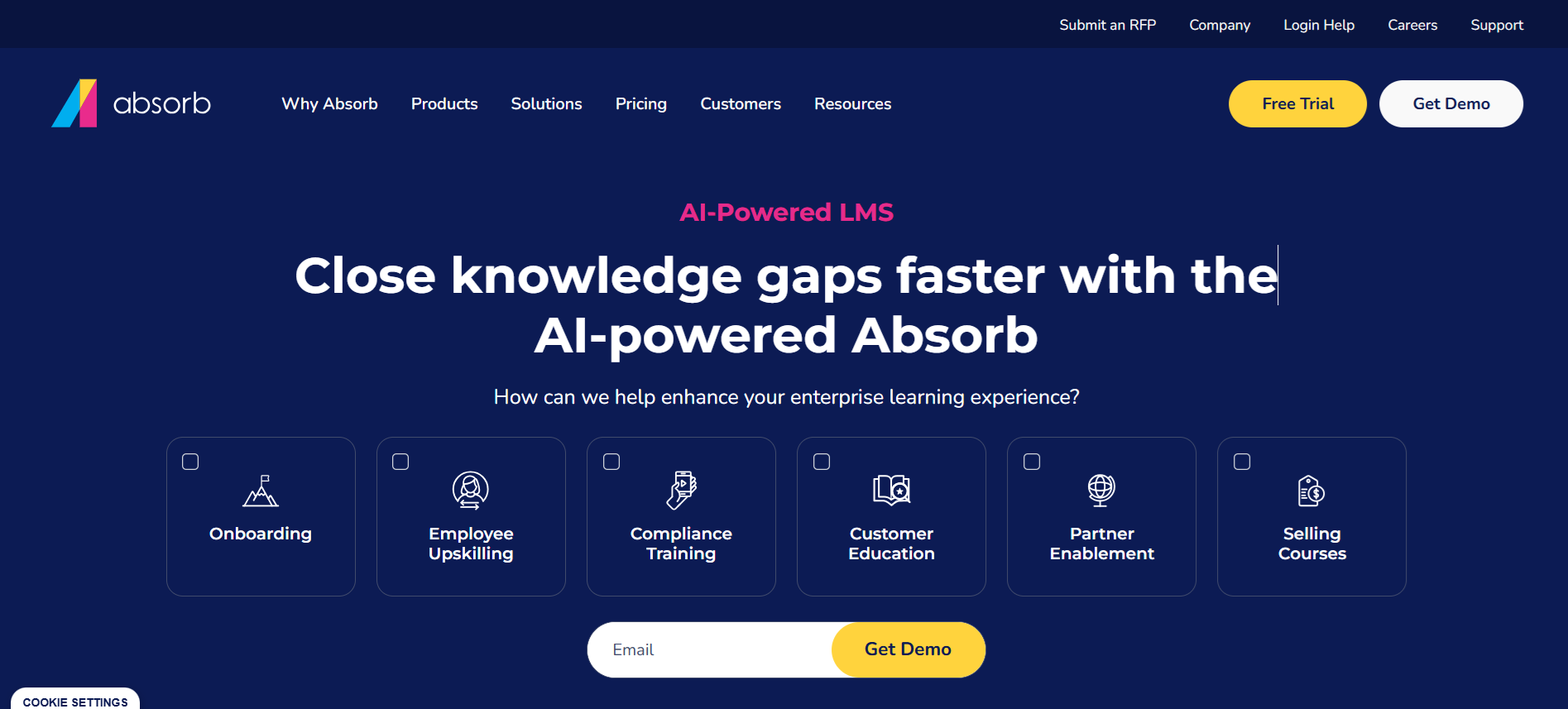
Absorb LMS fits manufacturing teams that need a versatile platform for safety, onboarding, compliance, and skill development. AI tools help speed up course creation, guide learning, and automate admin tasks so managers can focus on real training. Mobile learning supports workers on the floor or across locations.
Clear reporting tracks completions, certifications, and progress, while integrations connect the LMS with HR, CRM, or other business systems. Absorb is ideal for teams that want flexible options, including content authoring or ready-made courses. Pricing is custom, which works for organizations of all sizes and training needs.
Key Features:
- AI-powered course creation
- Mobile learning on any device
- Automated compliance and certification tracking
- Progress reporting for teams and roles
- Custom learning paths and gamification
8. 360Learning
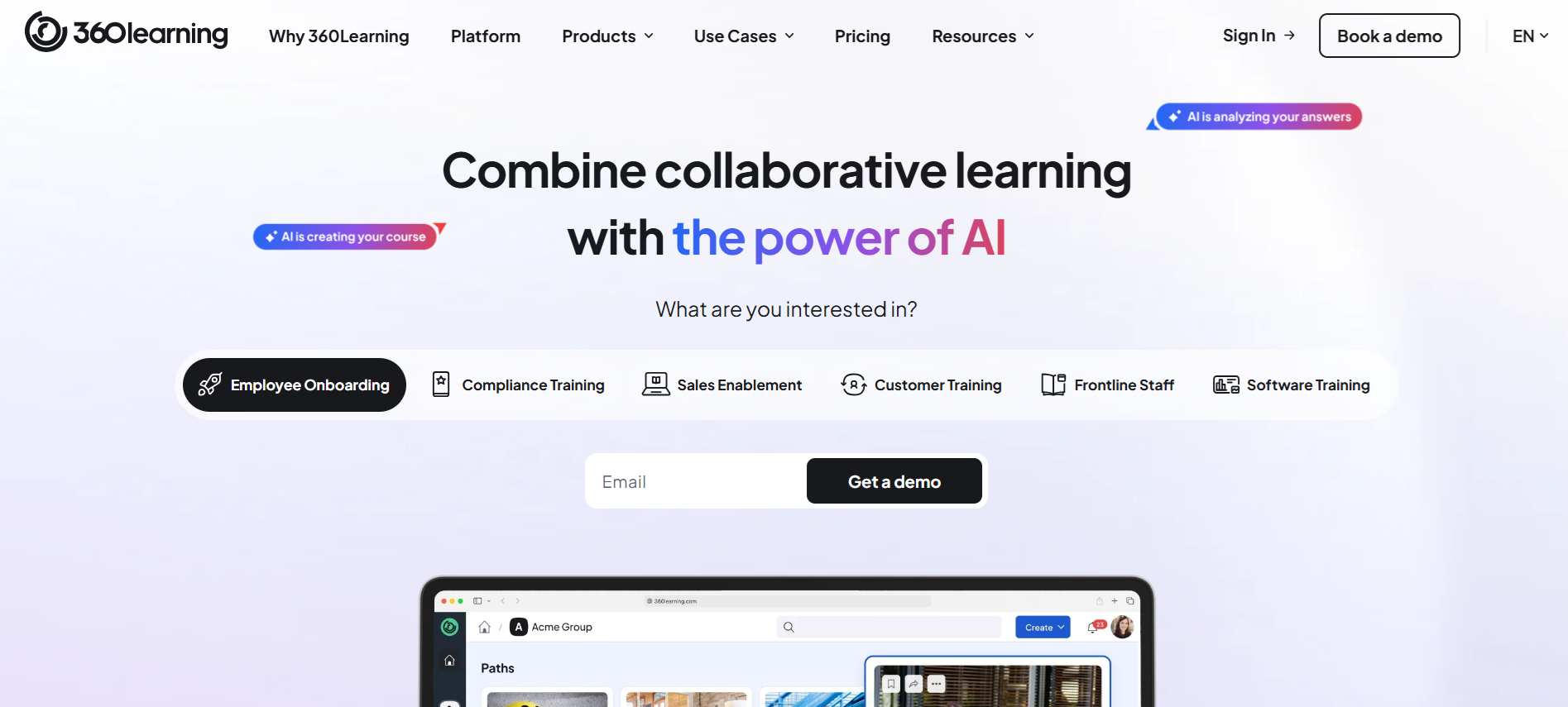
360Learning focuses on collaborative learning, making it great for manufacturing teams that rely on in-house knowledge sharing. Team members can co-create courses while AI speeds up content development and automates admin tasks. Role-based assignments and mobile learning help workers train when and where they need.
Built-in tools for quizzes, video coaching, and peer feedback keep training engaging and effective. Multi-language support and automatic translation make it easy to train teams across locations. 360Learning suits companies that want interactive, up-to-date training. Pricing starts with a small-team plan, while larger organizations can access custom solutions.
Key Features:
- AI-assisted course creation
- Collaborative learning for team knowledge sharing
- Mobile learning for flexible access
- Role-based course assignments
- Quizzes, video coaching, and peer feedback tools
9. GyrusAim
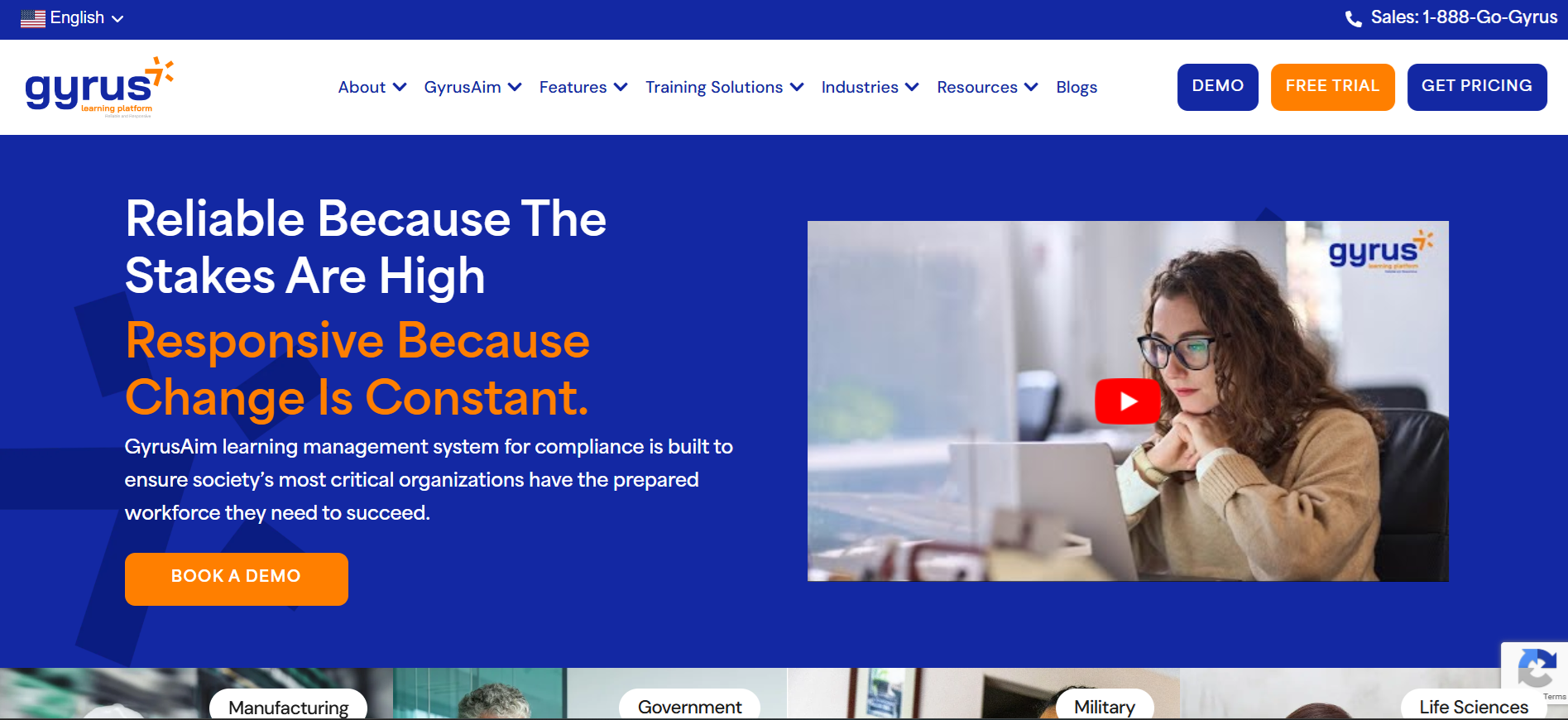
GyrusAim suits manufacturing teams that need strict safety and compliance training. The platform supports role-based learning, multi-site management, and automated record-keeping to stay audit-ready. It helps track certifications, skills, and recertifications, making compliance simple.
Cloud or on-premise hosting adds flexibility, while reporting tools provide insights into training progress. GyrusAim works best for companies where training accuracy is critical, such as manufacturing, life sciences, or government. Pricing is higher, with all key features included, making planning easier for growing teams.
Key Features:
- Compliance tracking for safety and regulations
- Certification and recertification management
- Custom training paths by role or department
- Advanced reporting and analytics
- Multi-site support with cloud or on-premise hosting
10. SkyPrep LMS
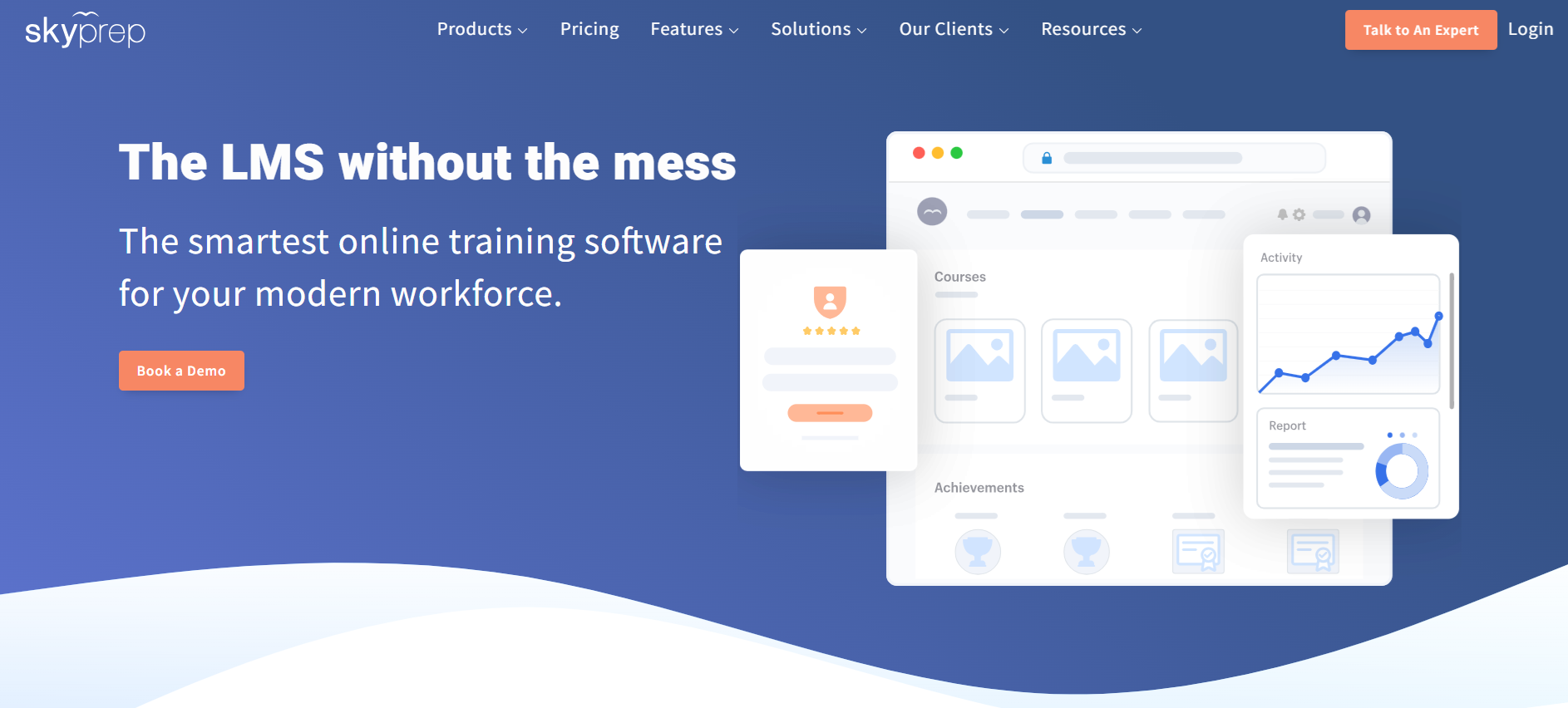
SkyPrep is a straightforward platform for manufacturing teams that need easy, online training. It supports safety programs, onboarding, and skill development across departments. Mobile learning ensures workers can train anytime, anywhere, and virtual classrooms or webinars keep training interactive. Automated reminders and clear reporting help managers stay on top of completions and compliance.
SkyPrep works for teams that want simplicity and fast setup without sacrificing essential features. Pricing is moderate, offering scalable options depending on team size and feature needs.
Key Features:
- Compliance and safety training tracking
- Employee onboarding support
- Custom course creation
- Progress tracking and reporting
- Mobile learning and virtual classrooms
Key Benefits of LMS Systems for Manufacturing
Manufacturing teams face ongoing training challenges. Here’s how the right white-label LMS helps employees build skills, stay engaged, and keep up with schedules.
1. Faster, Consistent Training Delivery
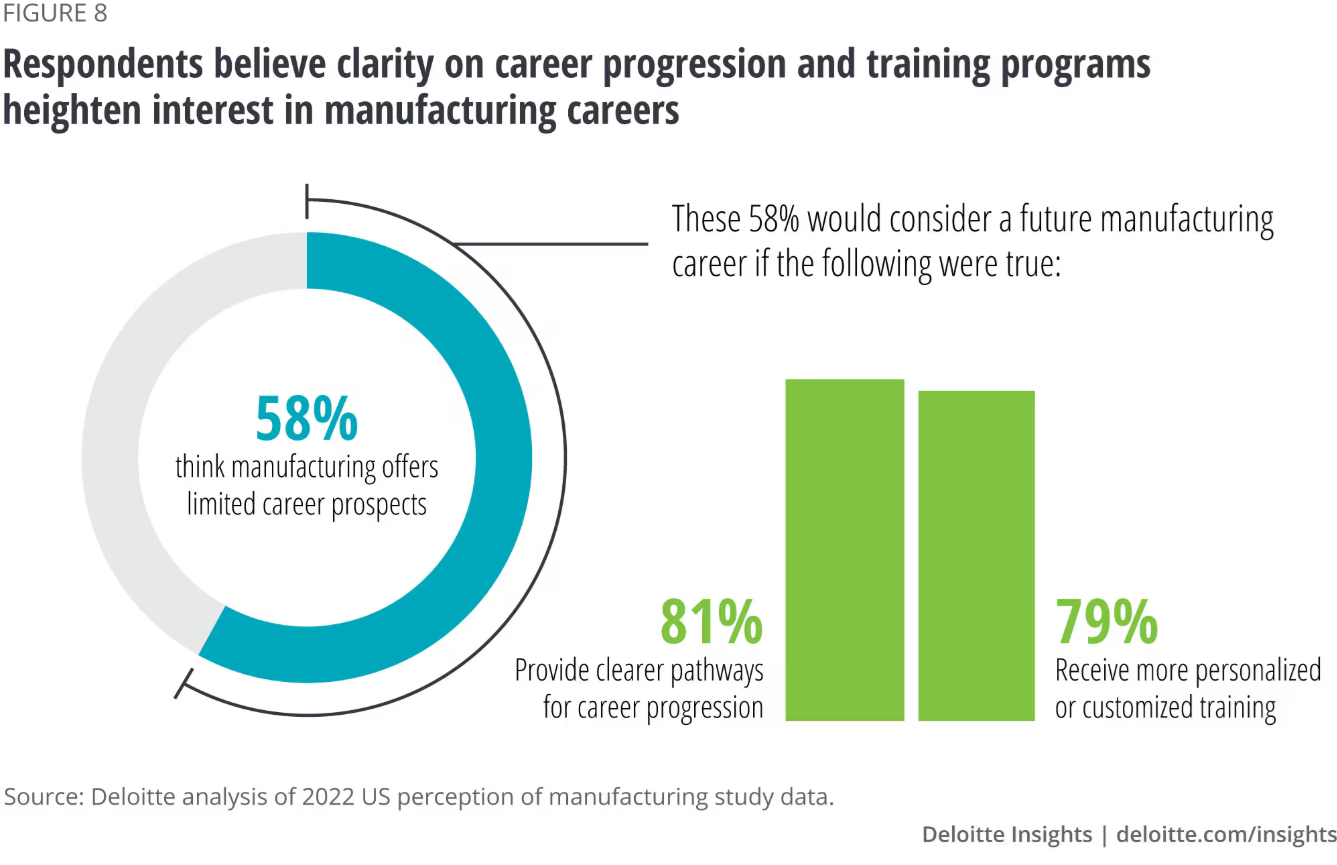
A learning management system centralizes training in one place so everyone gets the same up-to-date instruction. You can update safety courses or role-specific learning once and instantly push changes to all teams, regardless of their location. This cuts confusion and ensures quality stays consistent.
2. Stronger Safety and Compliance Tracking
With built-in tracking, managers can see who finished required courses, when certifications expire, and what needs refreshing. This helps meet safety standards like OSHA or ISO and keeps audit reports ready.
3. Flexible On-Demand Learning
Manufacturing work isn’t a 9–to–5 job. LMS systems let employees learn on phones or tablets during gaps in shifts, which keeps training from slowing production. That flexibility supports learning without costly downtime.
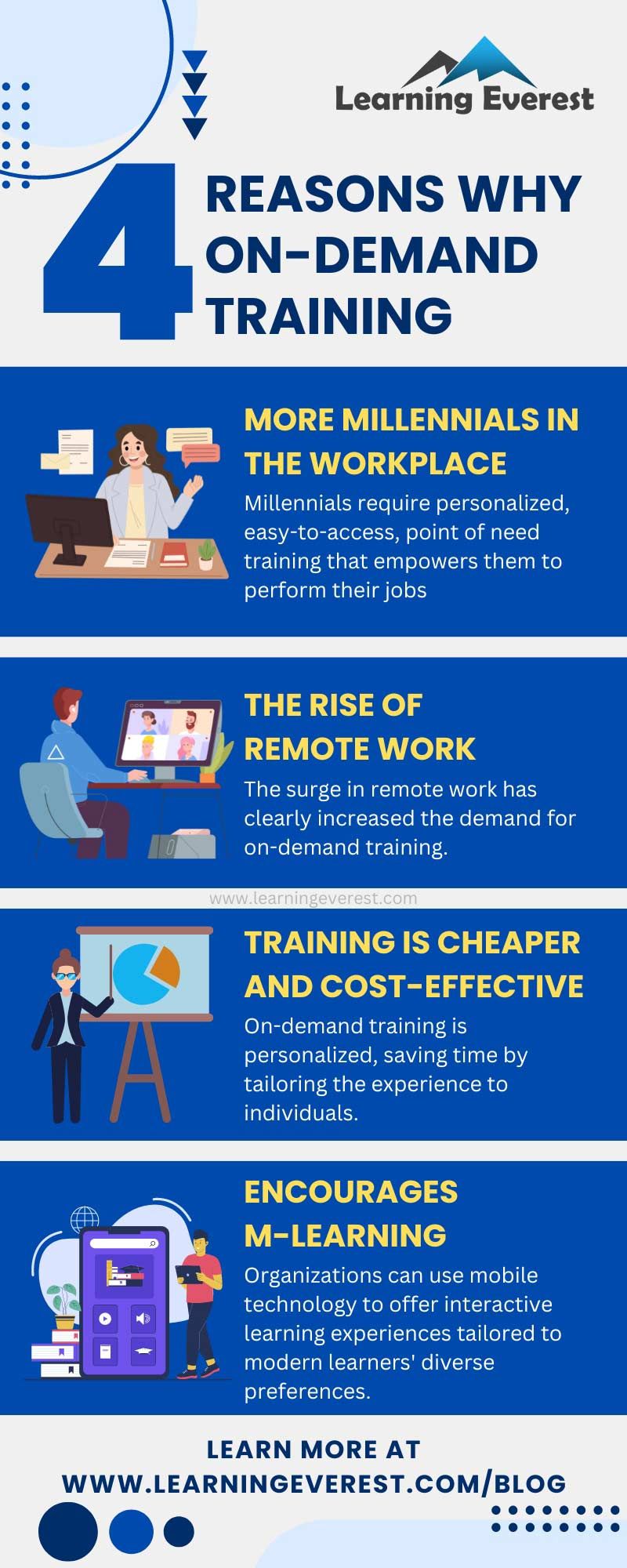
Image Source: Learning Everest
Tip: Manufacturers should also train channel members to ensure consistent product knowledge and stronger partner performance.
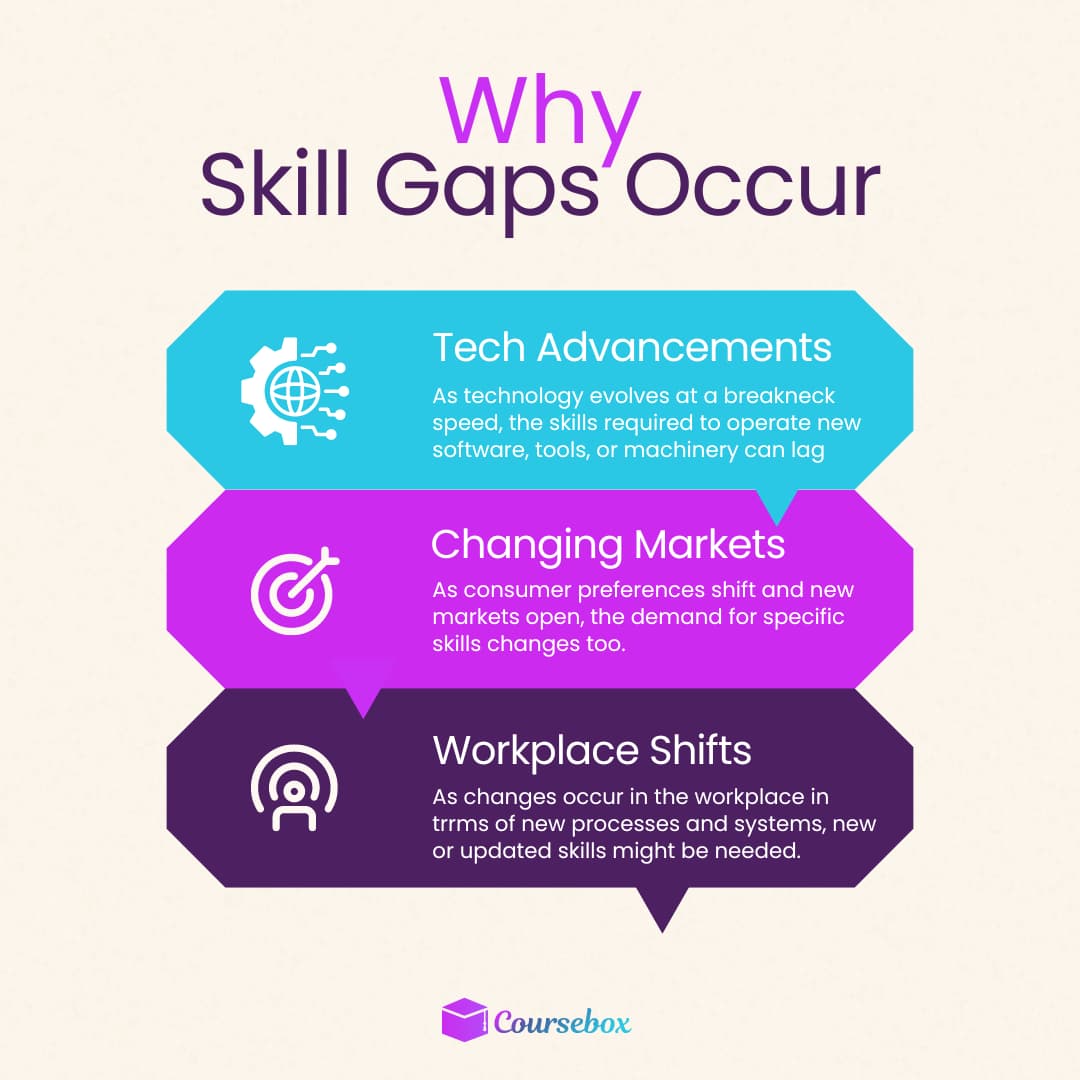
4. Better Ability to Spot Skill Gaps
Advanced reporting shows where teams struggle or excel. Managers can use this data to tailor training, assign refresher lessons, or plan internal coaching. Analytics help focus efforts where they matter most.
Pro Tip: Coaching, training, and mentoring aren’t the same. Check our guide to learn the differences so you can pick the right approach for your employee training.
5. Faster Onboarding and Upskilling
New hires can get up to speed quickly with structured learning paths, while seasoned staff can expand skills through targeted training modules. This cuts onboarding time and builds a more capable, adaptable workforce.
Transform Manufacturing Training with Coursebox AI
Choosing the right LMS helps manufacturing teams train faster, stay compliant, and build skills. Each platform offers different strengths, so focus on what fits your team’s size and workflow best.
For fast setup, flexible learning, and smart automation, Coursebox AI is a modern solution that grows with your business. Start with our free plan and see how easy and effective training can be.
FAQs
What is LMS in manufacturing?
A learning management system (LMS) in manufacturing is software that creates, delivers, and tracks training programs for employees. It helps teams learn safety procedures, equipment operation, compliance, and job-specific skills efficiently, often through online courses, mobile access, progress tracking, and automated reporting across multiple sites.
Which software is best for manufacturing?
The best manufacturing software depends on your needs. Common choices include LMS platforms for training, ERP systems for operations, CAD/CAM for design, MES for production monitoring, and PLM for product lifecycle management. Select software that improves efficiency, compliance, and skill development for your workforce.
How to choose the right LMS for manufacturing?
Choose a learning management system (LMS) by evaluating training goals, team size, mobile access, compliance requirements, and integration with existing systems. Look for platforms with interactive course creation, reporting, multi-language support, and automation features. Free trials or demos help test usability before committing to a long-term plan.
What is the most commonly used LMS?
The most commonly used LMS includes platforms like TalentLMS, Docebo, Litmos, and iSpring Learn. Adoption depends on company size, industry, and training needs. These systems are widely recognized for compliance tracking, mobile learning, AI tools, and flexible content management in corporate and manufacturing environments.
What are the five types of software used in manufacturing?
Five common types of manufacturing software include ERP (Enterprise Resource Planning), MES (Manufacturing Execution Systems), CAD/CAM (Computer-Aided Design/Manufacturing), PLM (Product Lifecycle Management), and LMS (Learning Management Systems). Each type helps improve efficiency, quality, compliance, training, and overall production management.
Travis Clapp
Educational technologist and instructional designer

