

10 Best AI Flashcard Generators in 2026 (Tested)
The 10 best AI flashcard generators, tested on what actually makes flashcards work: card quality and real spaced repetition, with honest free tiers and prices.

Flashcards work because testing yourself beats rereading: students who quizzed themselves remembered 61% of the material a week later, versus 40% for those who reread it. So pick a tool that schedules your reviews, not just one that makes cards.
- Only some of these truly space out your reviews, bringing each card back right before you would forget it: Anki, StudyGlen and Brainscape do; the rest just have a "spaced repetition mode" in name, closer to a card pile. Check which kind you are getting.
- AI writes a first draft of your cards, not a final one. It can pull vague or wrong cards, especially from diagrams and equations, so read what it made and fix the weak ones.
- Match the tool to the job: Anki for serious, free, long-term study (still the benchmark), StudyGlen for AI-generated cards that still use real spaced repetition, and Knowt for a free Quizlet replacement that keeps your old sets.
- Coursebox turns your own material into a guided course with an AI tutor and a flashcard deck, which a student can use to study their notes or a creator can deliver to others. The one catch for this list: no standalone spaced-repetition queue, so pair it with Anki for pure drilling.
Answer three quick questions and I will point you to the right one for how you study.

Convert anything into flashcards instantly
Flashcards have stuck around for a simple reason: they make you do the one thing that actually builds memory. Every time you flip a card and try to recall the answer before you see it, you are pulling the fact out of your own head. That act of recalling it, not rereading it, is what fixes the fact in your memory.
So the tools worth your time get two things right: cards that are actually worth studying, and reviews that come back to you at the right time, the timing that spaced repetition handles. Those are the two things I judged these ten on, and the two most roundups skip. For the cards, I checked whether they were clear, single-fact questions from your own material, not vague filler. For the timing, whether the tool really schedules your reviews or just hands you a pile. I am a learning designer, and active recall and spaced repetition are the bones of how I build assessments, so that is the lens here.
How to pick an AI flashcard generator (and what most get wrong)
Two things separate a tool that helps you remember from one that just makes cards.
- Real spaced repetition, or just a "review mode". Spaced repetition means the app brings each card back right before you would forget it, longer gaps for cards you know well, shorter gaps for ones you keep missing, which is the proven way to move facts into long-term memory. The tools that do this properly run it on a scheduling formula (Anki and StudyGlen use one called FSRS; Brainscape spaces cards by how confident you say you were). The rest just label a setting "spaced repetition mode" with no real formula behind it, which is closer to flipping through a pile of cards. It is the biggest difference on this list.
- Card quality from your own material. AI turns a PDF, slides, a photo of your notes or a YouTube video into cards. The good ones write clear, one-fact questions; the weak ones pull key terms into vague or wrong cards, and they misread diagrams and equations. Always read what it made and fix the bad cards.
- Generator, study system, or course tool. Some tools (Wisdolia/Jungle) only generate cards and hand off to Anki; some (StudyFetch) bundle cards with notes, quizzes and a tutor; and Coursebox builds cards into a full course with an AI tutor, one you can study from yourself or deliver to others.
Whatever you pick, the AI writes a first draft of your cards, not a final one, so you still check them, and a tool with no real scheduling is only doing half the job.
How I tested these
I ran the same material through each tool: a lecture PDF, a page of handwritten notes, and a YouTube video where supported. For every one I checked two things, whether the cards were clear and correct, and whether the tool actually schedules reviews and by what algorithm. I used the free plan wherever one existed and checked every price and free-tier limit on the tool’s own page in the last week. Where a tool’s "spaced repetition" is a mode with no named algorithm, or where the cards needed fixing, I have said so.
The 10 tools at a glance
| Tool | Best for | Card types | Free tier | Spaced repetition | Watch out for |
|---|---|---|---|---|---|
| Anki | Serious long-term exam prep | Basic, cloze, image occlusion | Free (iOS $24.99) | Real SR (SM-2/FSRS) | Manual cards, steep |
| Quizlet | The easy, familiar start | Term-definition, MCQ | Free, capped + ads | Adaptive mode, not true SR | Paywalls mid-semester |
| StudyGlen | AI cards with real scheduling | Q&A + images, quiz | Free, 1 deck/day | Real SR (FSRS) | Tiny free tier |
| Brainscape | A guided, rate-as-you-go system | Q&A (front/back) | Free forever Basic | Confidence-based SR | Deck-building is slow |
| Knowt | A free Quizlet replacement | Term-definition, MCQ | Free (AI capped) | Mode, no named algorithm | Weaker spaced repetition |
| StudyFetch | A full study system + tutor | Q&A, MCQ, cloze, audio | Free to start | Built-in, not detailed | No public price; diagram errors |
| Revisely | Photos of handwritten notes, cheap | Q&A, term cards | Free, 3 AI decks | Mode, no named algorithm | Cards are extractive |
| Wisdolia (now Jungle AI) | Cards from any page or video | Q&A (front/back) | Free, 3/month | None (export to Anki) | Mid-rebrand; opaque price |
| NotebookLM | Accurate cards from your own sources | Q&A flashcards, quiz | Free (Google account) | None (generator only) | No SR; study tool first |
| Coursebox | Turning your material into a course with an AI tutor | Q&A + images | Free (with sign-up) | None (cards live in a course) | No spaced-repetition queue |
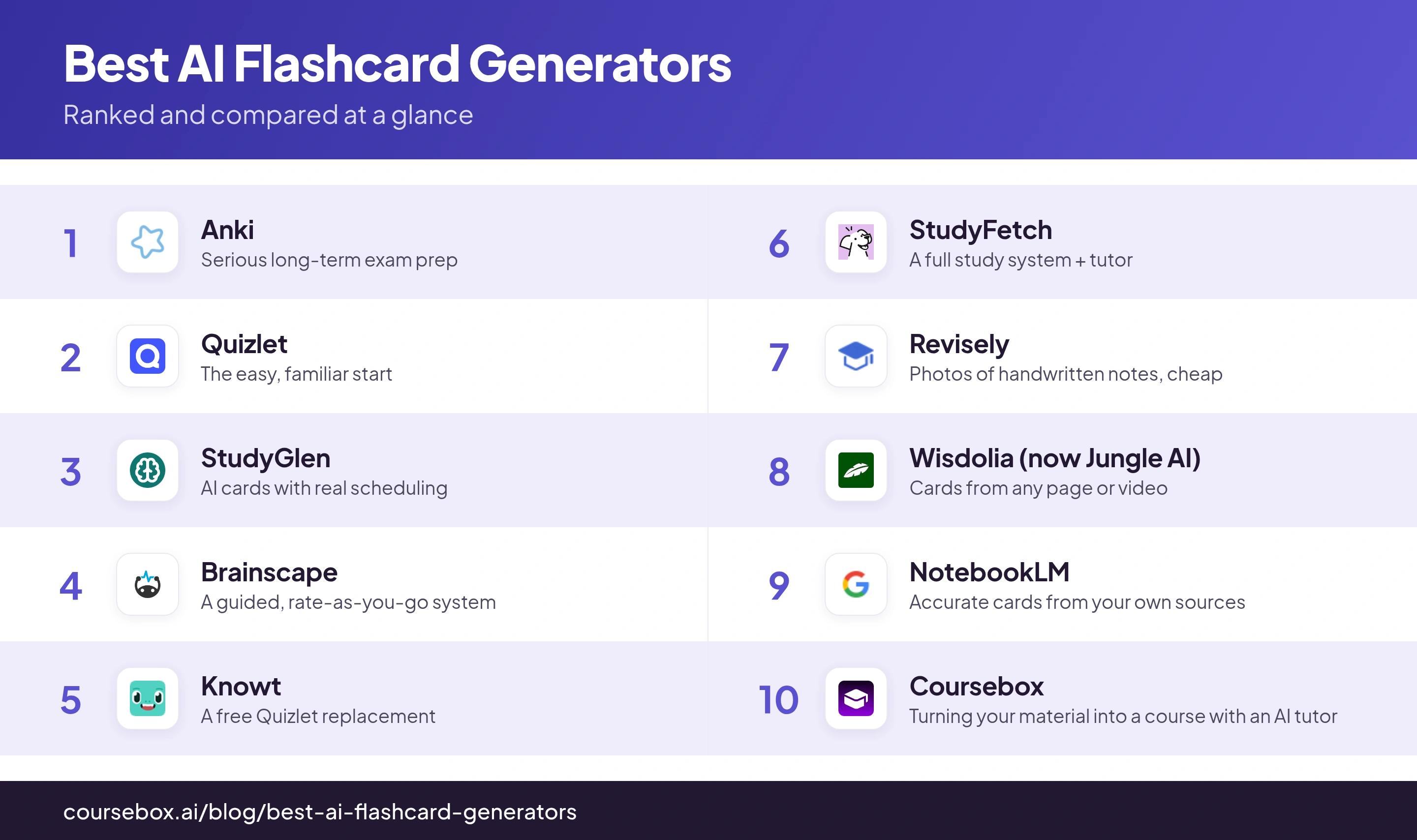
The 10 best AI flashcard generators
1. Anki
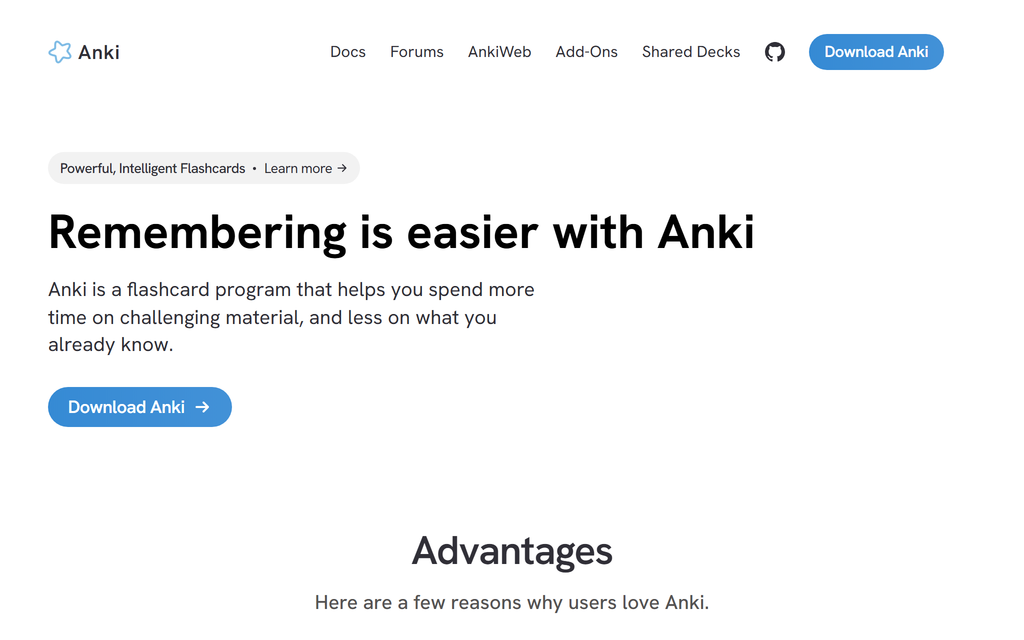
Anki is the free, open-source program every other flashcard app is measured against. You build your own cards, and its scheduling engine (the SM-2 and FSRS algorithms) shows each one right before you are about to forget it. It handles decks of 100,000 cards without slowing down, and it is free on Windows, Mac, Linux and Android; only the iPhone app costs money, a one-time $24.99.
The cost is the setup. The interface looks dated, you configure decks and add-ons yourself, and there is no built-in AI, so you type your own cards or import them. The learning curve is real, but the payoff is the most powerful review scheduling there is, with peer-reviewed evidence behind it: in one study, Anki use correlated with higher scores on the USMLE medical exam.
These are the formulas that decide when each card comes back. SM-2 is the original spaced-repetition algorithm, from 1980s SuperMemo software: after each review it pushes a card you knew further into the future and brings a card you missed back sooner. FSRS (Free Spaced Repetition Scheduler) is the modern, more accurate version Anki now uses, it predicts the moment you are about to forget a card more precisely, so you do fewer reviews for the same recall. You never have to understand either one; Anki runs them for you. They are simply why its scheduling beats a plain "review mode".
Testing notes: Setup took me an afternoon, and that is the hard part. After that nothing else came close for long-term recall: it kept showing me the exact cards I was about to forget.
Verdict: The serious choice, and it is free. Worth the setup if you are studying for something big over months. Skip it if you just want cards generated in one click.
2. Quizlet
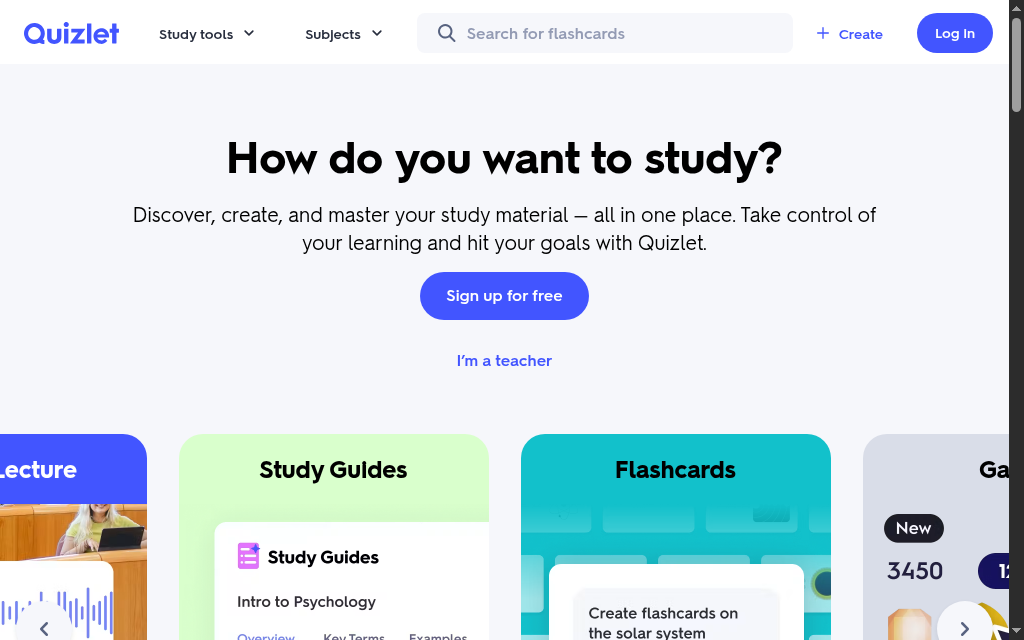
Quizlet is the one most students already know: the biggest library of ready-made sets, plus AI "Magic Notes" that turns your own notes, typed or photographed, into flashcards and practice tests in seconds. It is polished, fast, and everywhere. There is a free tier, and Quizlet Plus is $2.99 a month ($35.99 a year).
Two honest catches. Its "Learn" mode is an adaptive study mode, not a true long-term spaced-repetition scheduler like Anki’s, so it is closer to a smart card pile than a forgetting-curve algorithm. And the free tier now meters the study modes and shows ads, so students often hit a paywall mid-semester, right when they need to revise.
Testing notes: Making cards from a photo of my notes took seconds. But the free Learn mode ran out partway through, exactly the kind of wall a student would hit revising for an exam, which is when it wants you to pay.
Verdict: The easiest place to start, especially for ready-made sets. If you want real spaced repetition, not just a study mode, use Anki, StudyGlen or Brainscape.
3. StudyGlen
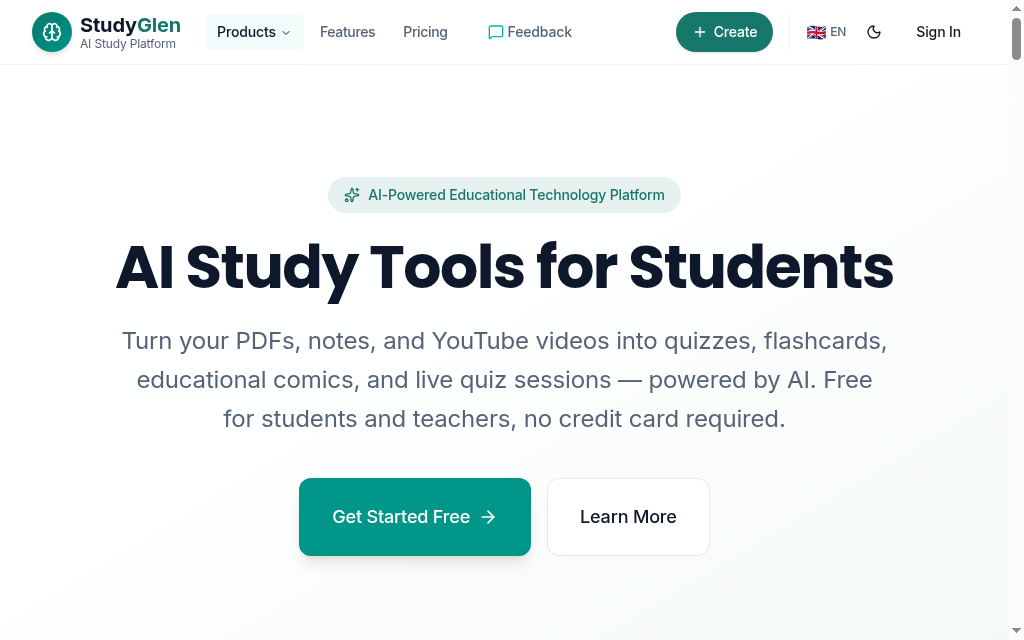
StudyGlen turns your PDFs, notes, images and YouTube videos into flashcards and quizzes, in 41 languages, and, unlike most AI generators, it schedules your reviews with a real algorithm (FSRS, the same modern engine Anki uses). It even adds AI images to cards and can import your Anki decks. The free plan is tiny (one deck a day), and it runs on one-time credit packs from $4.99 that never expire.
The honest limit is that free tier: at one flashcard deck a day it is really a trial, so any real study session means buying credits. But paying is one-off, not a subscription, and you get the rare combination of AI generation and a proper spaced-repetition algorithm in one place.
Testing notes: I dropped in a lecture PDF and had a deck with images in under a minute, and it scheduled the reviews properly instead of dumping a pile of cards on me. The one-deck-a-day free cap meant I bought a credit pack almost immediately.
Verdict: The best pick if you want AI-generated cards and real spaced repetition without learning Anki. Expect to buy a credit pack after the first deck.
4. Brainscape
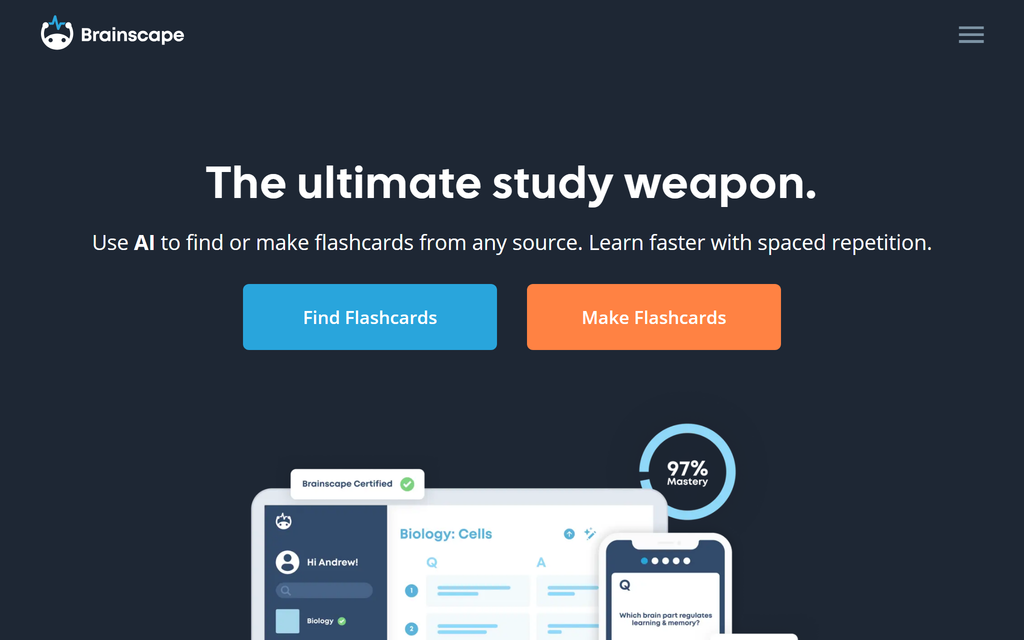
Brainscape is a study system built around confidence-based repetition: after each card you rate how well you knew it from 1 to 5, and its algorithm brings the weak ones back sooner and the strong ones less often. It has AI card generation from PDFs, PowerPoints, docs and YouTube, plus a big library of expert-"Certified" decks. The Basic plan is free forever (unlimited cards, spaced repetition, 2,500 pre-loaded cards); Pro is $7.99 a month.
The catch is effort and depth: building a full deck yourself takes a while, the cards suit straight recall more than reasoning, and the best ready-made "Certified" content sits behind Pro. The rating step is the point, though, deciding how well you knew a card is itself good for memory.
Testing notes: Rating each card 1 to 5 felt like extra work at first, but it pays off: a low score brings the card back fast, a high score pushes it out, so your time goes straight to what you do not know.
Verdict: A strong middle ground: real spaced repetition, free to start, and none of Anki’s setup. Best if you prefer a guided, rate-as-you-go review to building a raw deck.
5. Knowt
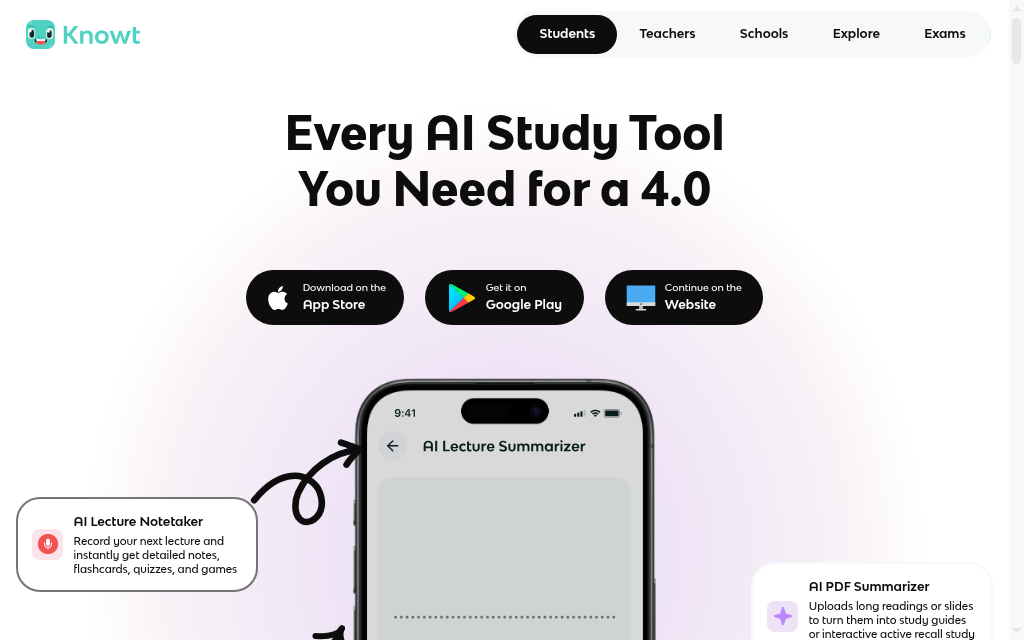
Knowt is the tool students moved to when Quizlet’s Learn mode went paid: a free alternative that does notes, flashcards, quizzes and study modes, and imports your existing Quizlet sets in about a minute. Its AI generates cards from notes, PDFs, slides and lecture videos. The Basic plan is free (though AI creation is capped at 20 files); Ultra is $12.49 a month billed annually.
Be clear-eyed about the spaced repetition: Knowt offers a "spaced repetition mode" but names no scheduling algorithm, so it is weaker than StudyGlen’s FSRS or Anki’s. It is best thought of as a free, friendly Quizlet replacement with study modes, not a serious forgetting-curve engine.
Testing notes: Importing my old Quizlet sets took under a minute, and that is the main reason to switch. The study modes are free and pleasant, but its "spaced repetition" felt more like a review setting than real scheduling.
Verdict: The obvious free swap if you are leaving Quizlet and want your sets to come with you. For real spaced repetition, pair it with Anki or StudyGlen.
6. StudyFetch
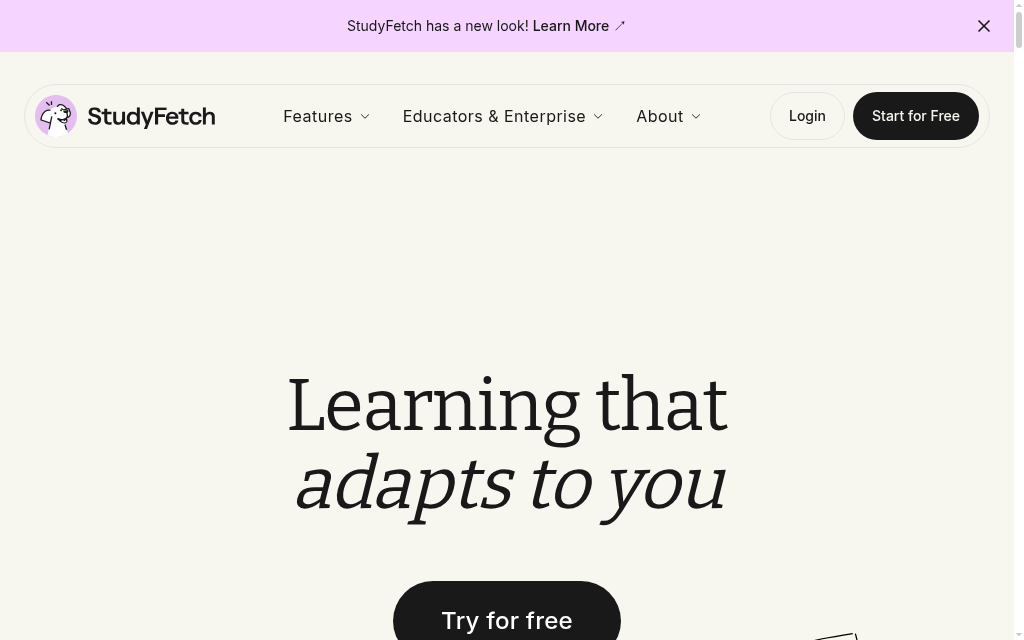
StudyFetch is less a flashcard maker and more a whole study system: upload your lecture PDFs, slides or recordings and it produces notes, flashcards, quizzes and an AI tutor ("Spark.E") that answers questions and can even take notes live while you record a lecture. Flashcards come as term-and-definition, multiple choice, fill-in-the-blank, cloze or audio, and it has spaced repetition built in. It is free to start; the paid price is not published on their site.
Two honest points. StudyFetch does not list a price anywhere on its own site, so you only learn the cost after signing up. And on visual, technical material, anatomy diagrams, circuit schematics, the AI misreads more often, so check anything with equations or diagrams before you trust the cards.
Testing notes: On text-heavy lecture notes it built the lot in one place: cards, a quiz and a tutor to ask. On a diagram-heavy topic it got details wrong, so I stopped trusting it for anything visual without checking.
Verdict: The pick if you want one tool for the whole study workflow, not just cards. Try the free tier first, since the price is not listed anywhere until you sign up.
7. Revisely
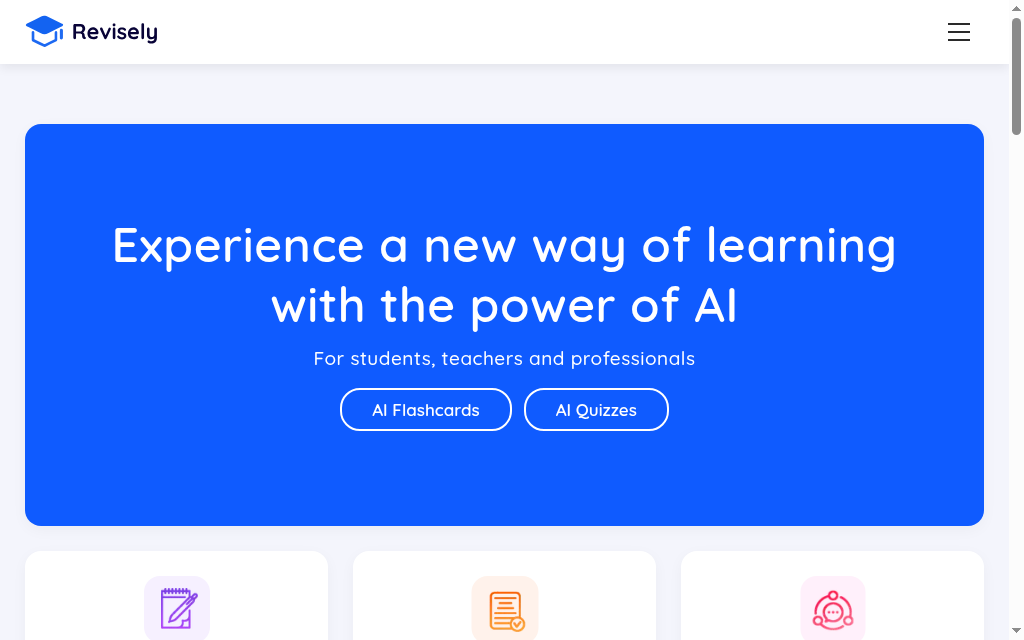
Revisely is the cheap, fast option, and the one that handles a photo of your handwritten notes. Snap a picture, or upload a PDF or PowerPoint, and it makes flashcards, quizzes and notes. It leans toward school and exam students (GCSE and A-Level). The free Basic plan gives you unlimited non-AI cards plus three AI decks; unlimited AI is $4.99 a month billed annually, the cheapest real paid tier here.
It has a spaced-repetition study mode, though like several here it does not name a scheduling algorithm, so treat it as a review mode rather than an Anki-grade engine. And its cards are extractive, it pulls key terms from your text, so as one reviewer put it, generating a flashcard is not the same as remembering what is on it; the quality depends on your source notes.
Testing notes: Photographing a page of handwritten notes and getting cards back, with no retyping, is the standout. The cards were only as good as my notes, though, so I rewrote the vague ones by hand.
Verdict: The best-value pick, especially for photographed notes on a budget. Read the cards it makes, though, it pulls out terms rather than understanding them.
8. Wisdolia (now Jungle AI)
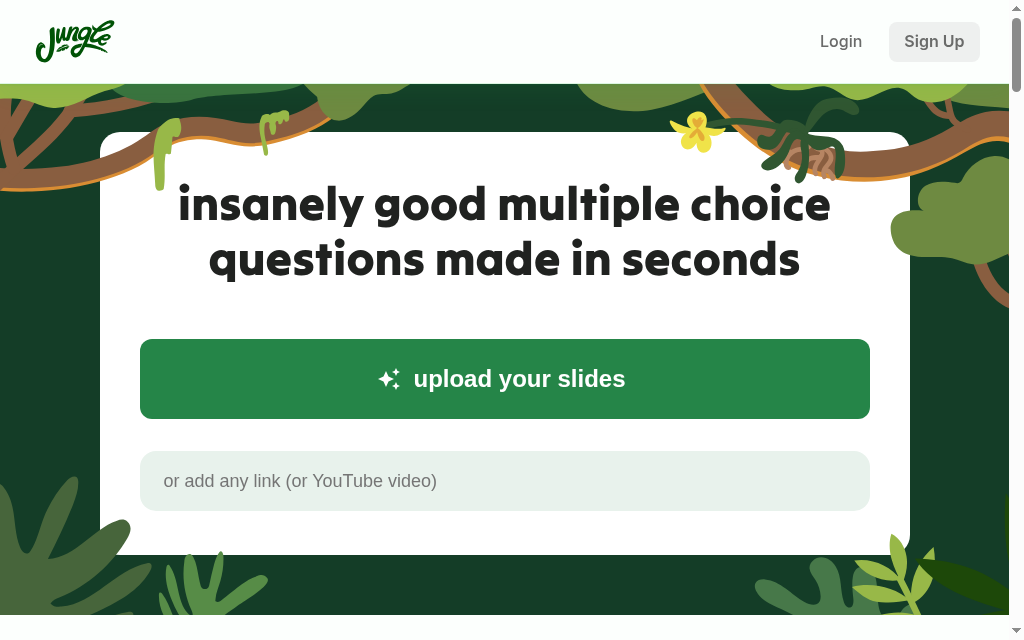
Wisdolia, recently rebranded Jungle AI, made its name as a browser extension that generates flashcards from whatever you are looking at, a web article, a PDF, a YouTube video, without copy-pasting. The new Jungle app carries that forward as a web tool. It does not run its own spaced-repetition scheduler, its job is generation; you export the cards to Anki for the actual reviewing. The free tier is tight, at three generations a month.
The honest catches are the transition and the limits. The standalone "Wisdolia" brand is being retired into Jungle, the free plan caps you at three documents a month, and its paid price is not clearly listed, so confirm it before you pay. The one-click "cards from any page" idea is still the draw.
Testing notes: It generates cards straight from an article or a YouTube lecture with no copy-pasting, then you send them to Anki to actually study. The three-a-month free cap runs out fast.
Verdict: Handy for pulling cards out of what you are already reading or watching. Pair it with Anki, since it does not schedule reviews itself.
9. NotebookLM
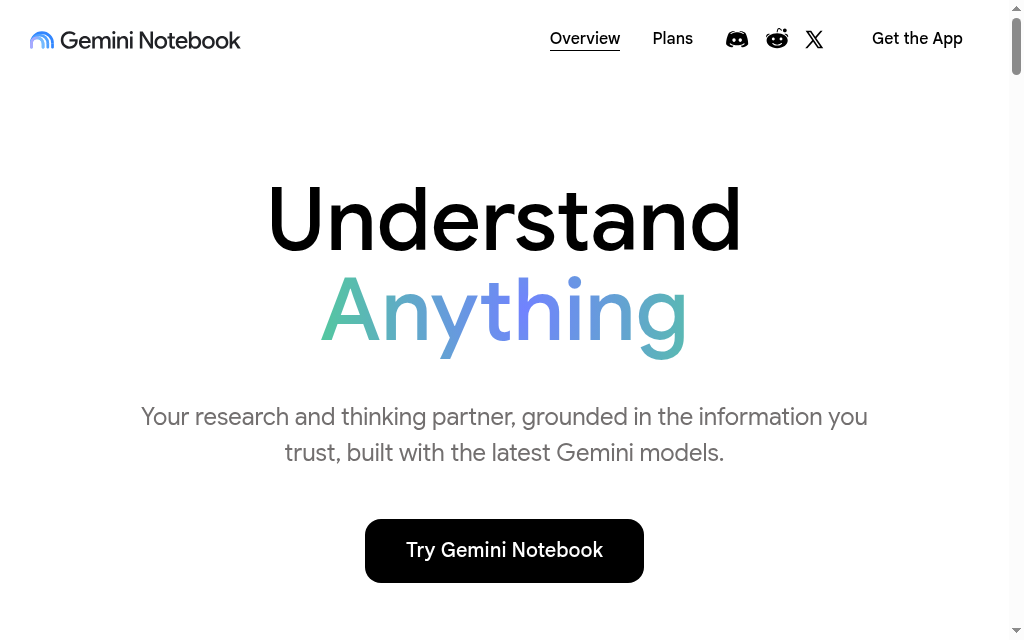
NotebookLM is Google’s free, source-grounded study tool, and since late 2025 it makes flashcards and quizzes too. You upload your own material, PDFs, slides, even a lecture video, and it generates cards and quizzes drawn only from those sources, with citations back to them. Because it uses only what you give it, it will not invent a fact, the one thing every other AI generator here can do. It is free with a Google account.
The gap is spaced repetition: it generates the cards but does not schedule them, there is no review queue or forgetting-curve algorithm, so you study them in the app or move them into Anki for the actual drilling. It is a study tool first (study guides, quizzes, audio overviews) with flashcards as one output, rather than a dedicated card app. But for making accurate cards from your own material for free, nothing here matches it.
Testing notes: I uploaded three PDFs and got clean, source-accurate cards without the invented facts a general chatbot slips in. What it would not do is drill me over time, so I moved the cards into Anki for the spaced repetition.
Verdict: The best free way to turn your own sources into accurate cards, because it will not make things up. Pair it with Anki for the spaced repetition it does not do itself.
10. Coursebox
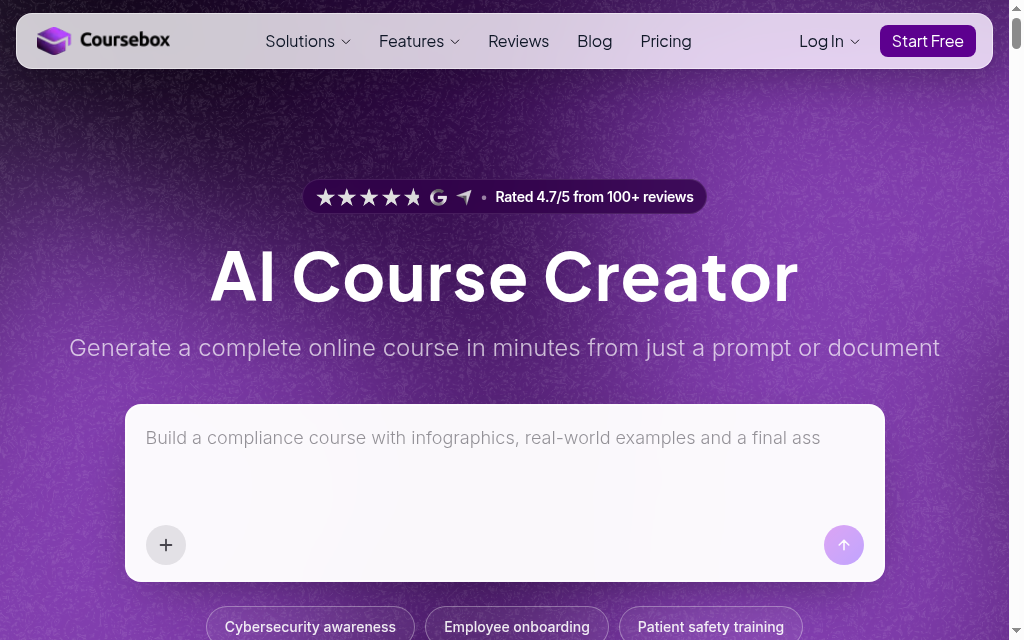
Coursebox’s AI flashcard maker, which is ours, works a bit differently from a plain flashcard app: from a document, a URL or a topic prompt it builds a whole mini-course out of your material, lessons, quizzes, question-and-answer flashcards (with images, in more than 100 languages) and an AI tutor you can ask about what you uploaded. A student can point it at their own study notes and learn from the result; a trainer can use the same thing to package a course for others. It is free to use with a sign-up, with paid plans from $25 a month.
Where it fits on a flashcards list is narrower, and I will be honest about it: the cards live inside the course, not in a standalone review app, so there is no personal spaced-repetition queue that brings each card back on a forgetting curve, the thing this whole list is judged on. For pure flashcard drilling, Anki or StudyGlen. But if what you want is to turn your own notes into a guided course you can study from, with an AI tutor and quizzes around the cards, it does that for a student as readily as for a creator.
Testing notes: Drop a lecture PDF in and you get a structured course with a tutor and a flashcard deck built in, a solid way to study your own material. It does not give you a spaced-repetition review queue, though, so for long-term memory it works alongside Anki, not instead of it.
Verdict: Worth it if you want your material turned into a guided course with an AI tutor and cards, to study yourself or deliver to others. For pure spaced-repetition drilling, use one of the study apps above.
First, real spaced repetition, a named algorithm like FSRS or SM-2, or confidence-based scheduling, that decides when each card comes back, not just a "review mode". Second, cards worth studying: clear, single-fact questions. The AI writes a first draft of your cards, so read what it made and fix the vague or wrong ones before you rely on them.
Which should you use
Match it to how you study. For serious, free, long-term exam prep, Anki, or StudyGlen if you want the cards generated with real spacing. For a free Quizlet replacement that keeps your old sets, Knowt. For a guided, rate-as-you-go system, Brainscape. For a whole study system with a tutor, StudyFetch. For photos of handwritten notes on a budget, Revisely. For cards pulled from any web page or video, Wisdolia (now Jungle). For accurate cards from your own sources with no invented facts, NotebookLM. And if you want your material turned into a guided course with an AI tutor, to study yourself or deliver to others, Coursebox.
Most people end up with one generator and one place to actually review. If your source material is mostly slide decks, our guide to turning PowerPoint into flashcards goes deeper.
How to write a flashcard that actually works
The best tool still makes weak cards if you feed it badly, and a good card follows a few rules whether you write it or an AI does. These are the ones I check for.
One idea per card
If a card holds two facts, split it. A card asking "What is the capital of France, and what river runs through it?" should be two cards. Recall one thing at a time and it comes back cleanly; cram two in and you half-remember both.
Ask a question, do not just state a term
"What does insulin do?" forces you to recall the answer. "Insulin: definition" just lets you reread it. Turning the front of the card into a question is what makes it work.
Test using it, not just naming it
"Why would you use a linked list instead of an array?" sticks better than "Define linked list." A card that makes you apply a fact locks it in deeper than one that asks you to repeat it.
Keep the answer to one line
"Explain the causes of World War I" is an essay, not a flashcard. Break it into single causes, one card each: "Which assassination triggered World War I?" with a one-line answer.
Put it in your own words
Copy "Mitochondria are the powerhouse of the cell" straight off a slide and it slides off your memory too. Rewrite the front as "Where does a cell make most of its energy?" in your own words, and it holds.
This is exactly where AI generators slip: they will happily hand you a vague, two-fact card. Whatever tool you use, read the deck it makes and fix the loose cards. It takes a minute, and it is the difference between a deck that works and one that just looks productive.
Make them yourself for free with ChatGPT or Claude
You do not strictly need a flashcard app at all every time. If you need flashcards for a one-off exam or simply to remember one particular topic, a general chatbot will turn your notes into cards for free, and if Anki is your home, you can paste them straight in. The trick is asking for the right format: one fact per card, and a layout Anki can import. Below is a prompt you can paste in Claude or ChatGPT:
Turn the material below into flashcards. Rules: one fact per card, phrase the front as a short question, keep the answer to one line, and use a cloze deletion in Anki format ({{c1::hidden term}}) when a single term is the point. Output them as a two-column list I can paste into Anki, question and answer separated by a semicolon, one card per line. Here is the material: [paste your notes].
A chatbot will occasionally state something confidently wrong, so read the cards it makes and check them against your source before you rely on them. If that worries you, NotebookLM (number 9 in the list above) uses only the documents you upload, so it will not make anything up.
Getting AI cards into Anki (and keeping your progress)
If Anki is where you actually study, the question for any generator is whether it can hand its cards over. A few here do. Wisdolia (now Jungle) is built to generate cards and send them to Anki, and StudyGlen can import your existing Anki decks and reschedule them with FSRS. There are also tools that exist only for this, like AnkiDecks, which turns a PDF into an Anki-ready file. The reason it is worth checking: Anki keeps your review history, so the cards you have already mastered stay mastered instead of resetting every time you switch tools.
Whichever route you take, tool, chatbot or a mix, read the cards the AI made and make sure something is scheduling your reviews. That is what turns a stack of cards into things you actually remember.
Frequently Asked Questions
The flashcards do, because flipping a card is retrieval practice, and testing yourself beats rereading (61% remembered a week later versus 40% in one study). AI just speeds up making the cards. For it to help, the tool has to schedule your reviews and the cards have to be good, so check both.
Anki is free and has the best spaced repetition, but you make the cards yourself. Knowt is a free Quizlet alternative, Brainscape has a free-forever plan, and Quizlet is free but caps its study modes. StudyGlen and Revisely have small free tiers you will outgrow fast.
Anki (SM-2 and FSRS) and StudyGlen (FSRS) use named scheduling algorithms, and Brainscape uses confidence-based repetition. Quizlet’s Learn mode, Knowt’s and Revisely’s "spaced repetition modes" do not name an algorithm, so they are closer to a review setting than true scheduling.
Yes. StudyGlen, StudyFetch, NotebookLM and Wisdolia/Jungle take PDFs, YouTube videos and notes; Revisely also takes a photo of your handwritten notes; and Quizlet’s Magic Notes works from typed or photographed notes. Always read the cards it generates.
Anki is better for serious, long-term retention: real spaced repetition, free, but manual and a steep learning curve. Quizlet is easier, with pre-made sets and AI card generation, but its "Learn" mode is weaker than true scheduling and the free tier is capped. Many students use Quizlet to find cards and Anki to remember them.
Not always. AI extracts or drafts cards and can be vague or wrong, especially from diagrams, equations and dense technical material. Treat every generated deck as a first draft, read the cards, and fix or delete the bad ones before you study from them.
Yes, and free. Paste your notes or a topic into ChatGPT (or Claude, or Gemini) and ask for one fact per card, phrased as a question, in a layout you can paste into Anki, there is a ready-made prompt in this guide. The one catch is accuracy: a chatbot will sometimes invent a fact, so check the cards against your source. NotebookLM is the safer free option, since it only uses the documents you upload.
Some tools, yes. Wisdolia (now Jungle) generates cards and sends them to Anki, StudyGlen imports your existing Anki decks and reschedules them with FSRS, and dedicated tools like AnkiDecks turn a PDF into an Anki-ready file. It is worth checking before you commit, because Anki keeps your review history, so exporting means the cards you have already mastered stay mastered instead of resetting.
Yes. Anki is free and open-source on Windows, Mac, Linux, Android and the web, with no ads and no paywall, so you can make and study unlimited cards for nothing. The only paid part is the iPhone app, a one-time $24.99 that funds development. Its spaced repetition is the best on this list; the trade-off is that you build the cards yourself.
For medicine, most students still land on Anki: its spaced repetition and shared decks (like AnKing) are built for the volume of board exams, and it supports cloze deletions and image occlusion for anatomy. The practical route is to generate cards fast with AI (a chatbot, StudyGlen, or a tool that exports to Anki) and review them in Anki. Always check AI-made medical cards against your source, a wrong card learned well is worse than no card.
Carolina Martin
Customer success lead and learning designer at Coursebox AI

