

Learning culture in a startup: how our team learns AI together
How a small AI startup builds a high-performance learning culture, with every team, technical or not, keeping up with AI together.

How a small startup builds a high-performance learning culture, with every team keeping up with AI together.
At Coursebox AI, AI fluency is a team skill. Marketing, support, learning experience, our founders and our engineering team all learn from each other and share what works, because a small team can only perform like a big one when everyone keeps up.
We built this learning culture on purpose, tested it, changed what did not work, and we are still not done.
Why we started learning AI together
The original purpose was simple: everyone at Coursebox AI should get the most out of AI, whatever their role. AI changes every week, and as an AI company we have to stay on top of the latest changes ourselves. Alex Hey, our co-founder, made AI upskilling a productivity priority for the whole team.
Looking back, I was the one who needed it most. When we started, I was the least technical person in the room, and the marketing team was a little bit behind on AI, mostly because of me (I can say that honestly now!). What I appreciate most is that the team made learning part of the job, so I never had to figure it out alone.
We are a small team, so we have to be smart about how we automate our work, how we make the product better, which tools we use and how we work together. The goal: a whole team that keeps up with AI together, and performs better because of it.
How we built our learning culture
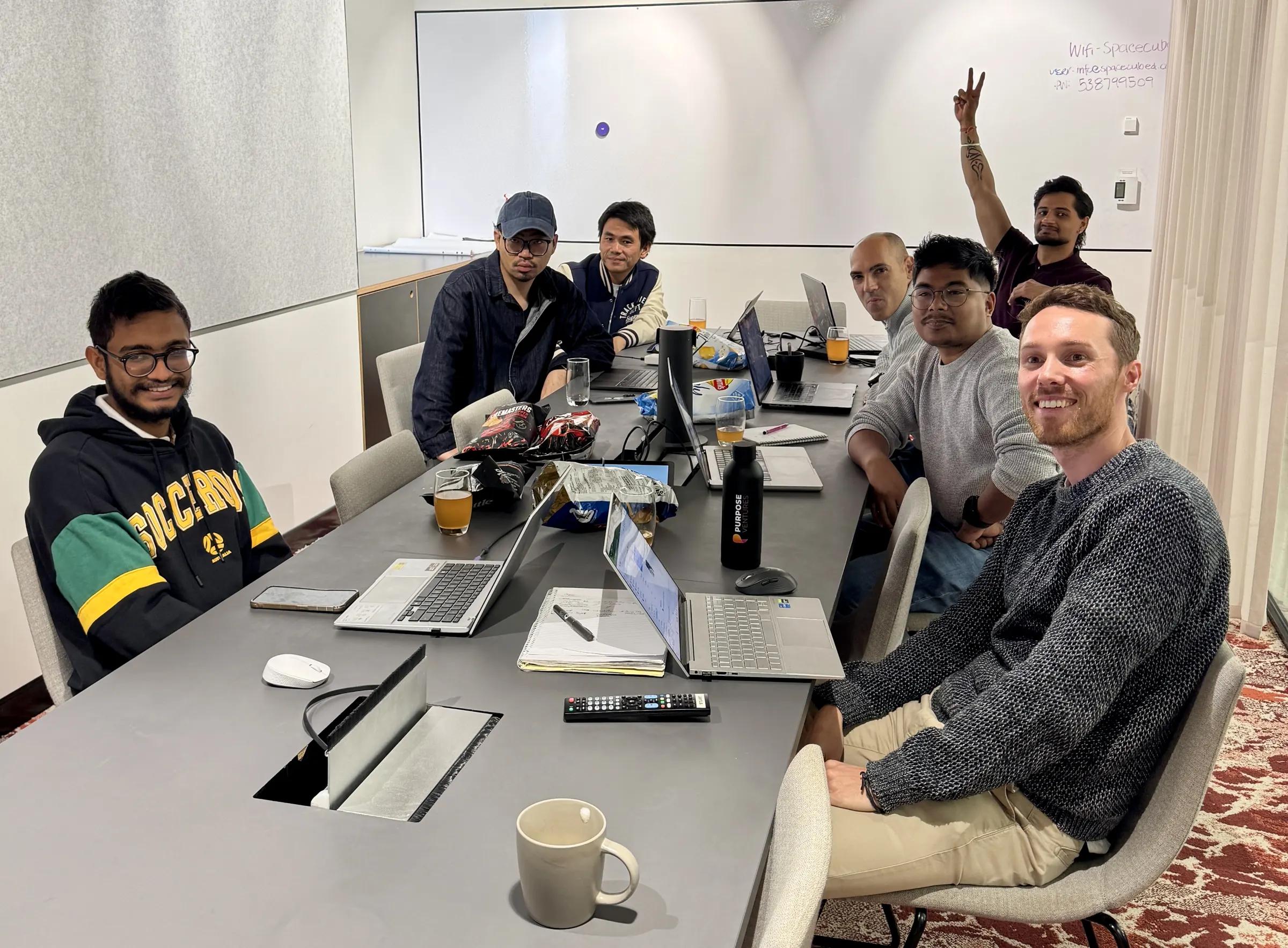
We started with a handful of us in 1 room and a regular AI meeting for the non-technical team, and Parshad Desai, who was miles ahead of the rest of us, was our first teacher. We still learn from him, and the group has grown from there.
Then we tested and changed the format:
- Lunch meeting: dropped. Once again, it started as a lunch meeting, and once again we quickly realised it was a terrible idea. Funny enough, we never really changed the time: we just moved lunch half an hour later.
- 1-minute show and tell: kept. Each person shares what they built and what got in the way, and then we agree on next steps.
- Fortnightly cadence: kept. We started weekly and moved to every 2 weeks, in the same rhythm as the engineering team's learning sessions, so everyone has time to experiment in between.
- Experiment backlog: kept. Each person leaves with their own list of things to test before the next session (yes, homework).
- Async knowledge sharing: added. Carolina Martin suggested sharing anything useful the moment it is built, and that became our #tech-tips Slack channel, where the whole company posts tools, prompts and set-ups today.
- Open group: added. New teammates opt in as they want to, so the group keeps growing.
What our learning culture looks like every week
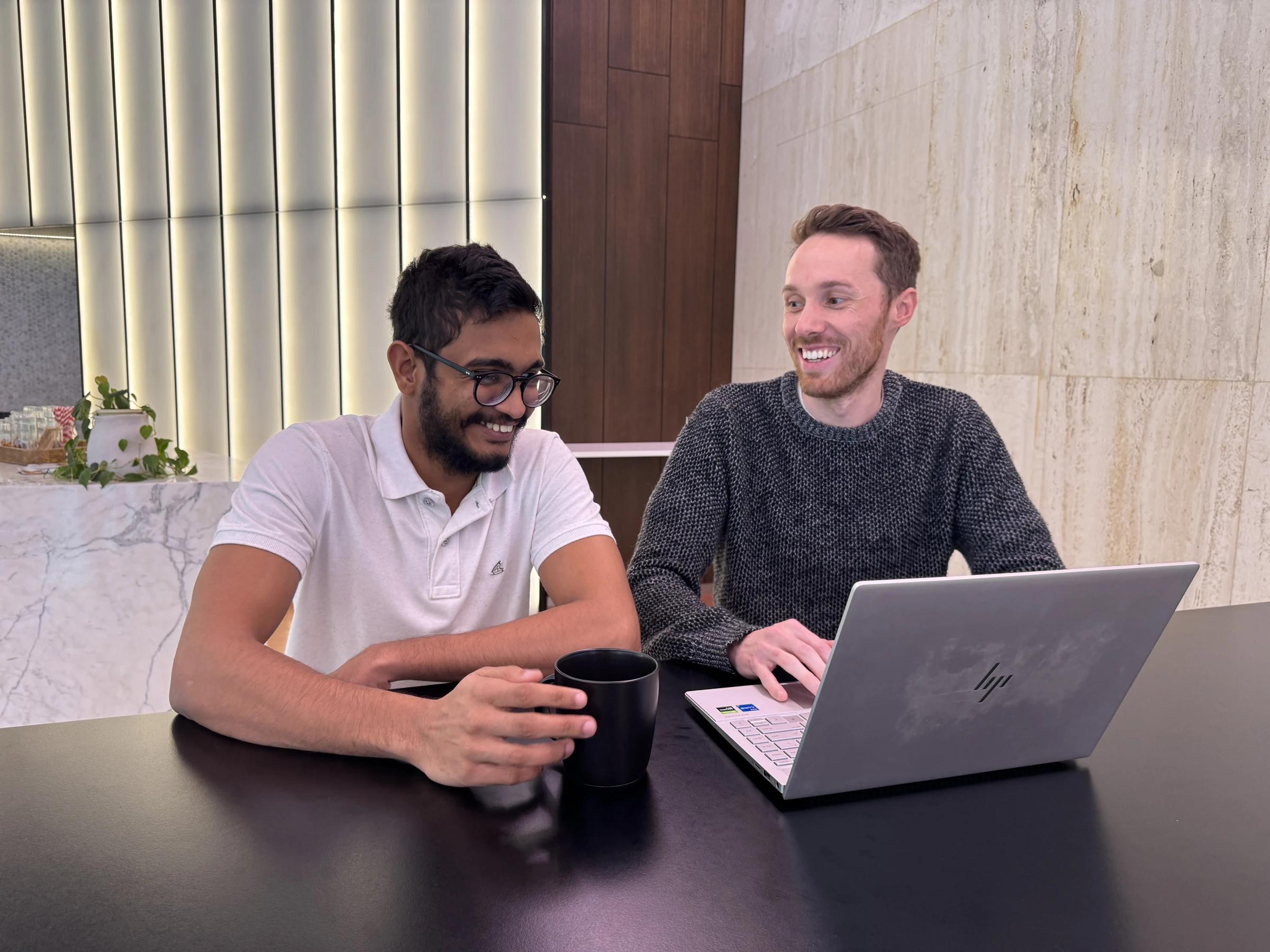
Everyone teaches, everyone learns. Whoever figures something out first shows the rest of us, whatever their title, and the person who was behind a few months ago now shares their own set-ups. When Parshad noticed that too many connected tools were slowing Claude down, switching off the unused ones went straight onto everyone's homework list.
We test fast and share what we learn. New tools get tested quickly, and the results get shared, including what did not work, so the next person saves the time. Travis Clapp, our co-founder and CEO, prototypes new feature ideas with Claude and brings them to a meeting with the engineering team, so everyone can click through it and see it updated on the spot.
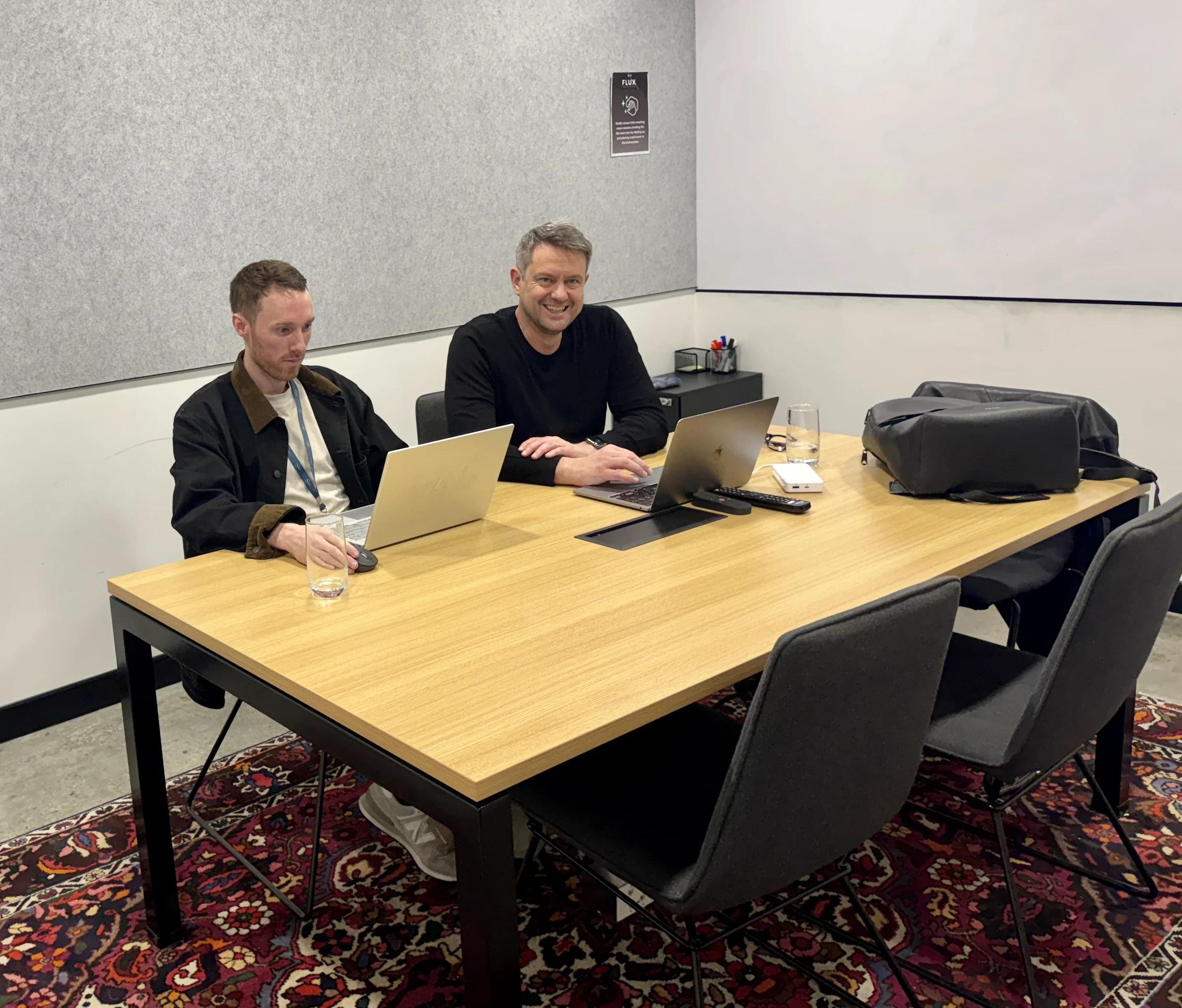
Shared playbooks. When a workflow proves itself, it becomes a reusable skill, prompt or set-up for the rest of the team. Carolina used Claude in the browser to test new features before release, with screenshots and a written report for the engineering team, and then had Claude build a first version of a testing tool, which she handed over to our CTO, Toni Arrebola, with the goal of a tool the whole team can use.
The right balance between automation and the human touch. We push AI as far as we can and stay aware of the risks, so we keep looking for the balance between automated workflows and human touchpoints, and between automation and our own critical thinking. A person always reviews the final output.
Learning beyond the meeting. Our engineering team runs its own weekly learning sessions led by Toni, and we go to AI events in Perth regularly to keep up with the newest tools and bring those learnings back to the team.
From my first AI task to today
In my first session, my task was to get my Claude account set up and to check whether it could work with Canva.
A few weeks in, I built a daily command centre that welcomes me every single morning with the decisions to make, the tasks to do and the priorities for the day.
A few months in, my homework was to try Claude Code for video editing, and today I cut our customer case study videos with it.
Most of it started with something a teammate showed me, and now I share my own set-ups with the team too. One of my favourite learning sessions was showing the team how I personally use Claude: how I do research, how I combine different elements, how I ask for feedback to get better, and which growth ideas we could try next.
Why a learning culture builds a high-performance team
Every workflow one person shares saves time for everyone else, so the gains compound across the whole team. A small team gets more done, and more of our time goes to the work that needs a human.
It also makes us better at what we sell. We are an education company, so learning is part of who we are, and what we learn about using AI ourselves feeds back into how we build Coursebox AI.
If you join Coursebox AI, AI upskilling is part of the job, whatever your role, and your first session will probably end with homework (sorry!).
Alexandra Cserta
Alexandra runs marketing at Coursebox from our Perth office. Her work spans campaign strategy, influencer and agency partnerships, webinar programmes, PR outreach, media appearances, and customer case studies.
She has a deep passion for teaching and mentoring. She is known for bringing people together, whether that is creating space for real conversations within the team or connecting Coursebox with the communities it serves.
Interested in a media appearance, case study, or interview with Coursebox? Reach out to Alexandra directly.

