

Hard Skills vs Soft Skills: How to Balance Both for Career Success
Struggling to decide whether hard skills or soft skills matter more for career success? Here’s how you can balance both and build a skill set for long-term growth.


Learn faster with AI powered courses, quizzes, and flashcards.
When people search for hard skills vs soft skills, they are usually trying to figure out which one actually matters more for career success.
Remember, technical abilities help land interviews and prove competence. At the same time, communication, adaptability, and emotional intelligence often determine who gets promoted and trusted with bigger responsibilities.
However, the real advantage comes from balancing both, especially in a fast-changing job market. If you don’t know how to do that, we’ll help figure that out by explaining which skills you should be mastering in 2026.
What Are Hard Skills?
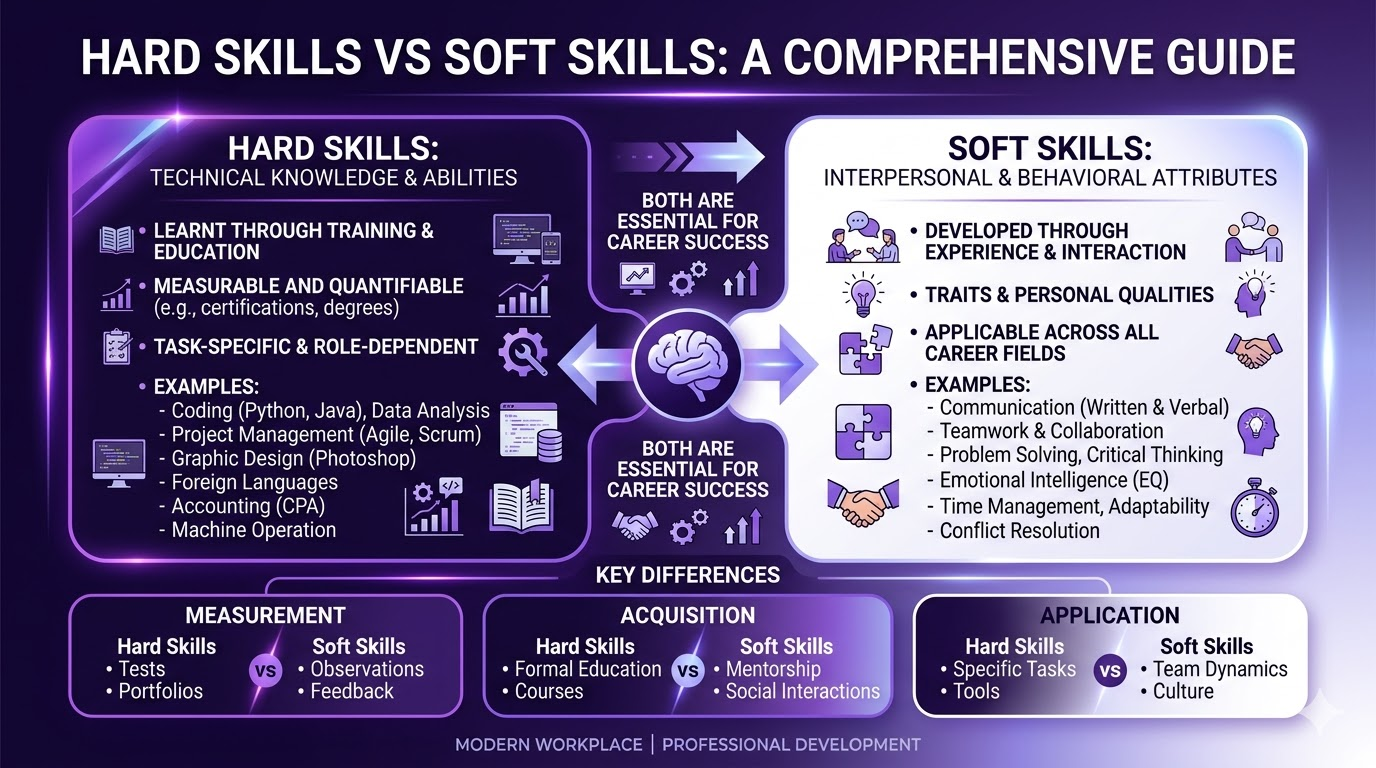
Hard skills are the technical, teachable abilities required to perform specific tasks in a job. They are measurable, can be tested, and are often listed clearly in job descriptions. These skills are usually the ones that act as the entry ticket to a job interview.
If the technical requirement is missing, the application rarely moves forward. Hard skills usually vary by industry, such as programming languages, financial modeling, medical coding, SEO optimization, and much more.
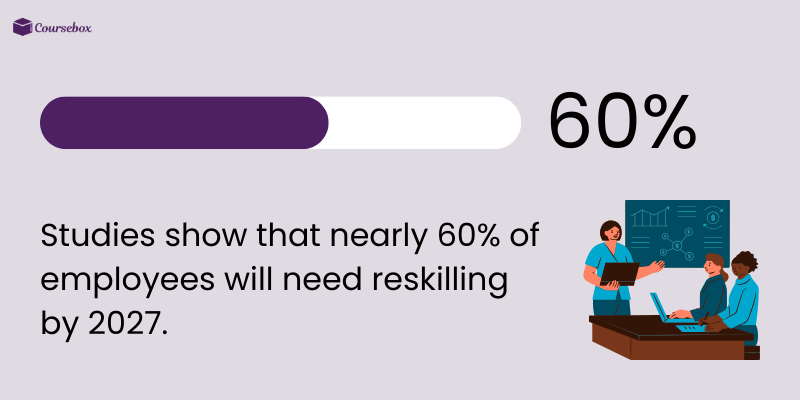
These skills are quite important. Even studies show that nearly 60% of employees will need reskilling by 2027. This shows how essential technical capability remains across all sectors, not just technology.
Source: ELVTR
Examples of Hard Skills
Here are some examples of hard skills across industries:
- Business & Finance: Financial analysis, budget planning, account software proficiency, and contract management.
- Healthcare: Patient assessment, medical coding, operating diagnostic equipment, and clinical documentation.
- Skilled Trades: Equipment operation, welding or carpentry techniques, and safety compliance procedures.
- Marketing & Communication: SEO optimization, data reporting, campaign analytics, and graphic design tools.
How Learners Typically Build Hard Skills
Hard skills are usually developed through structured pathways. These include:
- Formal Education: Degrees, diplomas, and vocational training programs remain common routes to education. Many industries require formal qualifications before entry.
- Certifications: Certifications validate expertise and signal credibility. In regulated industries such as healthcare or finance, certifications are mandatory.
- Practical Experience: Internships, apprenticeships, and on-the-job training strengthen technical ability through real-world exposure.
What Are Soft Skills?
Soft skills are the personal and interpersonal abilities that shape how someone interacts with others and performs in everyday work environments. Unlike hard skills, soft skills influence how work actually gets done, through collaboration and emotional awareness.
Soft skills often determine whether someone can effectively translate technical ability into real impact. These skills matter in interviews, meetings, team dynamics, leadership situations, and long-term career progression.
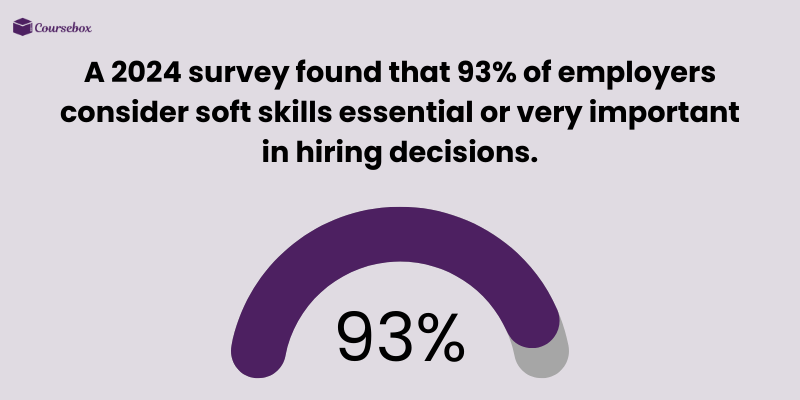
In fact, a 2024 survey found that 93% of employers consider soft skills essential in hiring decisions. This underscores their widespread value in real work settings.
Source: HIM Business School
Examples of Soft Skills
Soft skills show up in every job, no matter the industry. Some practical examples that most employers look for are:
- Communication: Clear listening, speaking, and writing.
- Teamwork: Working well with others toward shared goals.
- Critical Thinking: Analyzing situations and making informed decisions.
- Adaptability: Adjusting smoothly to change or uncertainty.
- Emotional Intelligence: Understanding others’ perspectives.
- Problem-solving: Identifying issues and resolving them effectively.
How Soft Skills Develop Over Time
Soft skills tend to grow through experience, reflection, and real-world interaction rather than formal testing. Here are common ways people develop them:
- Everyday Experience: Working with colleagues on shared tasks strengthens communication, teamwork, and conflict resolution.
- Feedback and Self-Reflection: Receiving and applying feedback builds self-awareness and emotional intelligence.
- Challenging Situations: Handling workplace stress, shifting priorities, or difficult conversations accelerates adaptability and problem-solving.
Hard Skills vs Soft Skills: Key Differences
Understanding the difference between hard skills and soft skills makes career decisions clearer. Both influence hiring and promotion. However, they serve different purposes in professional growth.
Let’s differentiate between the two.
| Category | Hard Skills | Soft Skills |
|---|---|---|
| Definition | Technical, teachable abilities required to perform specific tasks | Personal and interpersonal abilities that influence behavior and interaction |
| How They Are Learned | Formal education, portfolios, and technical assessments | Experience, feedback, observation, self-awareness, and real-life situations |
| How They Are Measured | Tests, certifications, portfolios, and technical assessments | Behavioral interviews, performance reviews, and peer feedback |
| Role in Hiring | Determines initial qualification for a role | Influences the final hiring decision and team fit |
| Examples | Accounting, coding, budgeting, machine operation, and data analysis | Communication, adaptability, leadership, teamwork, and problem-solving |
| Speed of Development | It can be developed through structured courses and training | Develop gradually over time through experience |
| Risk of Becoming Outdated | May require frequent updating as industries evolve | Remain relevant across industries and roles |
| Impact on Promotion | Demonstrates competence | Builds trust, influence, and leadership potentia |
In simple terms, hard skills may open the door. Meanwhile, soft skills often determine how far someone progresses once inside.
Why Learners Need Both Hard and Soft Skills
When people debate hard skills vs soft skills, the mistake is thinking one can replace the other. In reality, careers grow when both are developed together.
Let’s look at what the numbers say.
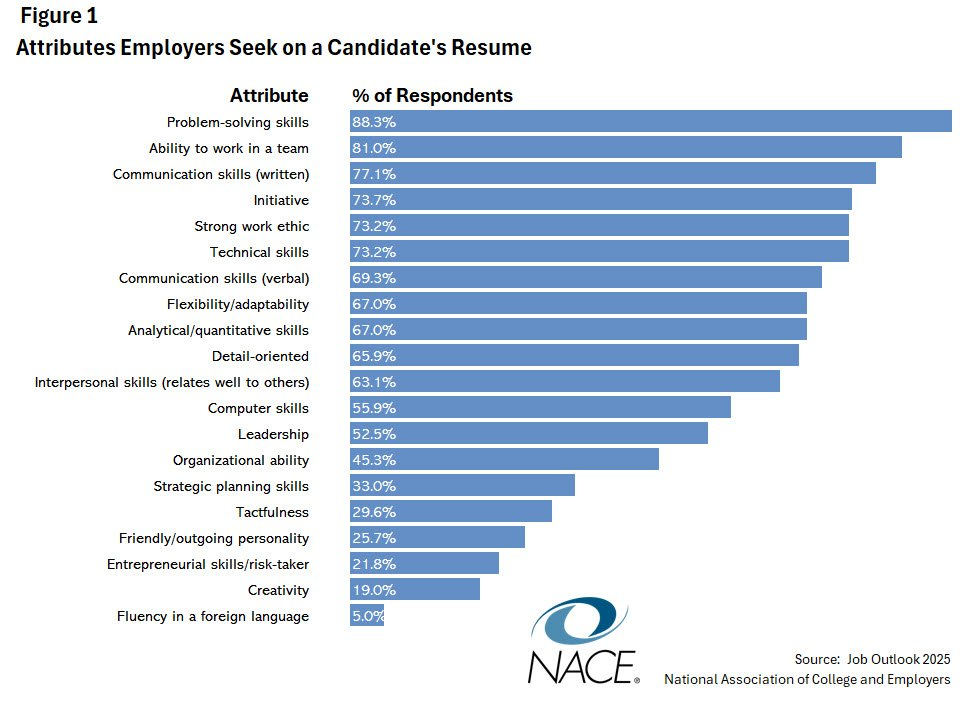
According to the National Association of Colleges and Employers Job Outlook survey, the top attributes employers look for on a resume include:
- Problem-solving skills (88.3%)
- Ability to work in a team (81.0%)
- Communication skills (77.1%)
- Technical skills (73.2%)
Source: NIH
Labor market projections also show that employment in high-skill professional occupations is expected to grow significantly. For instance, healthcare occupations are projected to grow 13% from 2022 to 2032. Growth like this increases demand for specialized hard skills.
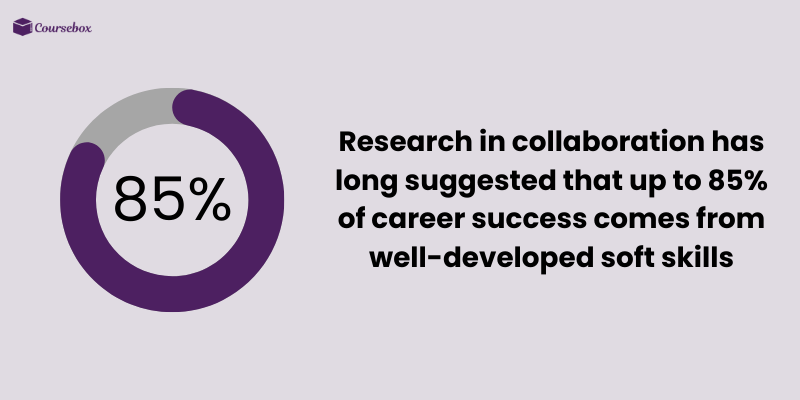
Now consider performance and retention. Research in collaboration has long suggested that up to 85% of career success comes from well-developed soft skills, while technical skills account for the remaining percentage.
Source: Cambridge
All this makes it clear that if a learner builds only hard skills, they may qualify for roles but will struggle with collaboration. Alternatively, if they build only soft skills, they may communicate well but may lack the competence required to deliver results.
In short, developing both hard skills and soft skills is important in 2026.
Top Hard Skill to Master in 2026
Learners who build the right technical skills position themselves for long-term stability and growth. Here are the most valuable hard skills to focus on in 2026.
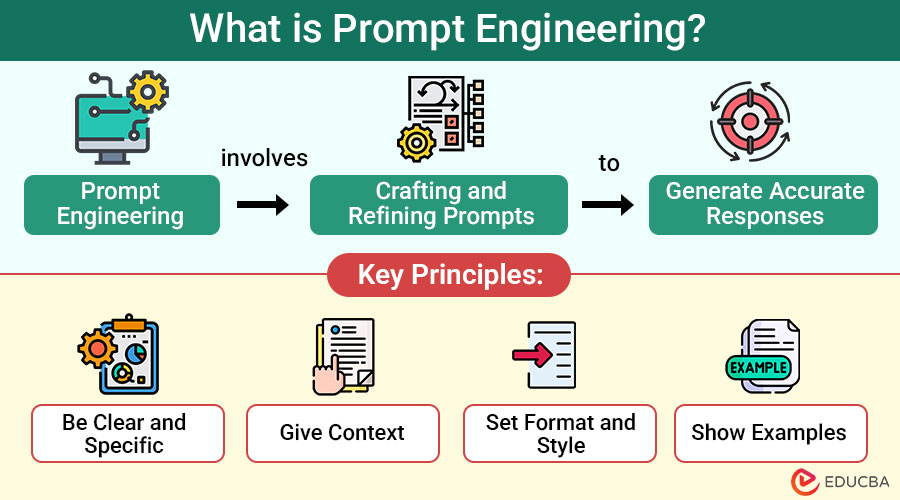
1. AI Literacy and Prompt Engineering
Source: EDUCBA
AI literacy does not mean becoming a machine learning engineer. It means understanding how AI tools work, what they can and cannot do, and how to use them responsibly. In 2026, AI is embedded in marketing platforms and many other operations.
Professionals who understand AI are able to use it as a productivity partner rather than seeing it as a threat. In many industries, this basic understanding is quickly becoming a standard expectation.
Recommended courses:
- AI For Everyone by Andrew Ng on Coursera
- Generative AI for Beginners by Microsoft (free online learning path)
2. Data Analysis and Interpretation
In many roles, the ability to translate raw data into clear insights separates average performers from trusted decision-makers.
Even basic statistical understanding improves credibility in meetings and strategy discussions. Learning to analyze data builds confidence and improves problem-solving across many industries.
Recommended courses:
- Google Data Analytics Professional Certificate on Coursera
- Data Analysis with Excel on edX
3. Digital Automation Skills
Source: Zapier
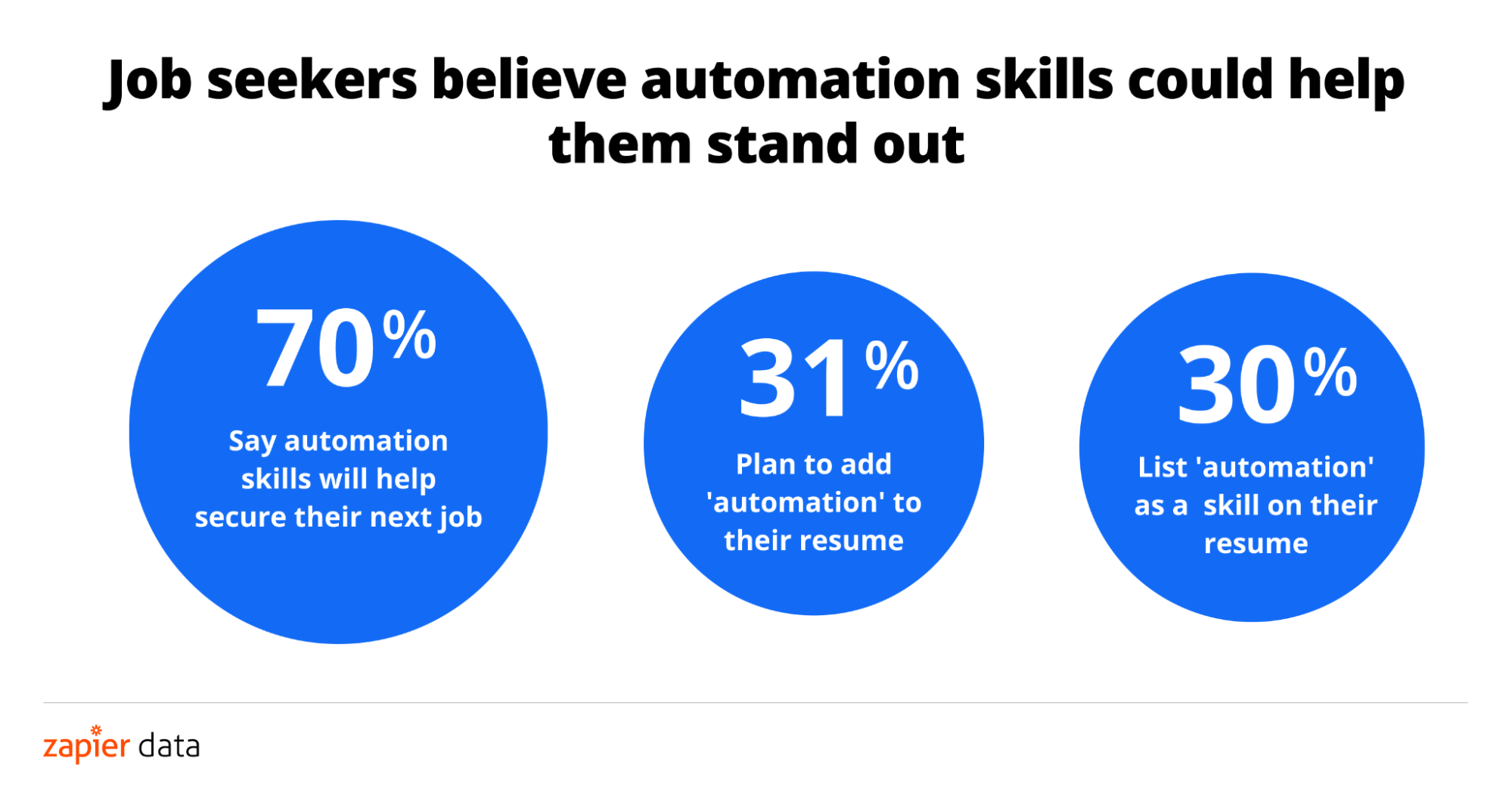
Understanding automation tools allows professionals to save time and reduce errors. Instead of manually repeating processes, they can design workflows that run automatically. The best part is that this does not require advanced programming now.
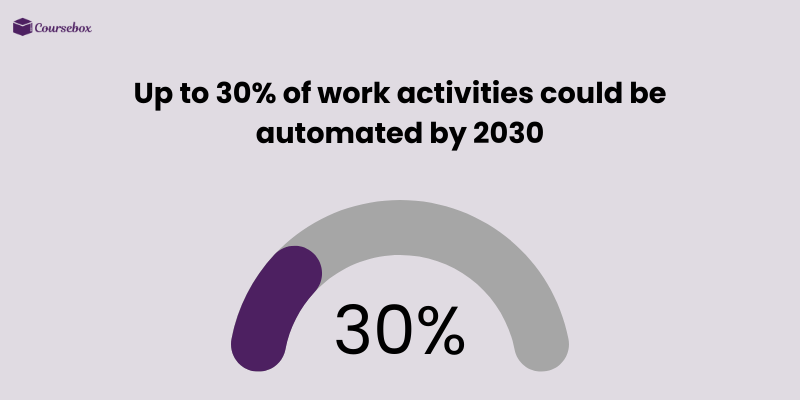
According to McKinsey & Company, up to 30% of work activities could be automated by 2030. This means it’s in your best interest to learn about no-code tools if you want to succeed in automation.
Recommended courses:
- Microsoft Power Automate Essential Training on LinkedIn Learning
- Zapier Automation Course on Udemy
Source: McKinsey & Company
4. Cybersecurity and Cloud Security
As businesses rely on cloud platforms and digital tools, security awareness becomes a shared responsibility. Data breaches, phishing attacks, and ransomware incidents affect organizations of all sizes.
In a world where sensitive information moves across digital systems daily, cybersecurity training protects organizations.
Recommended courses:
- Google Cybersecurity Professional Certificate on Coursera
- AWS Cloud Practitioner Essentials by Amazon Web Services
Top Soft Skills to Master in 2026
Technical ability opens doors, but soft skills determine long-term advancement. If you’re looking for soft skills to master in 2026, here are the ones you should learn first:
1. Critical Thinking
Critical thinking means evaluating information carefully before making decisions. In an era of misinformation, rapid AI-generated content, and constant data flow, this skill protects professionals from poor judgment.
It is one of those skills that compounds over time because better thinking leads to better decisions.
Recommended courses:
- Critical Thinking Skills for University Success on edX
- Mindware: Critical Thinking for the Information Age on Coursera
2. Adaptability
Adaptability is the ability to adjust calmly to change. New technologies, new policies, remote work shifts, and market disruptions are normal in 2026. Professionals who resist change struggle to stay relevant.
This also includes emotional flexibility. It requires staying composed during uncertainty and remaining open to new approaches.
Recommended courses:
- Adaptability and Resilience at Work on LinkedIn Learning
- Learning How to Learn on Coursera
3. Emotional Intelligence
Emotional intelligence includes self-awareness, empathy, emotional regulation, and social awareness. It affects how professionals respond under pressure, manage conflict, and build relationships.
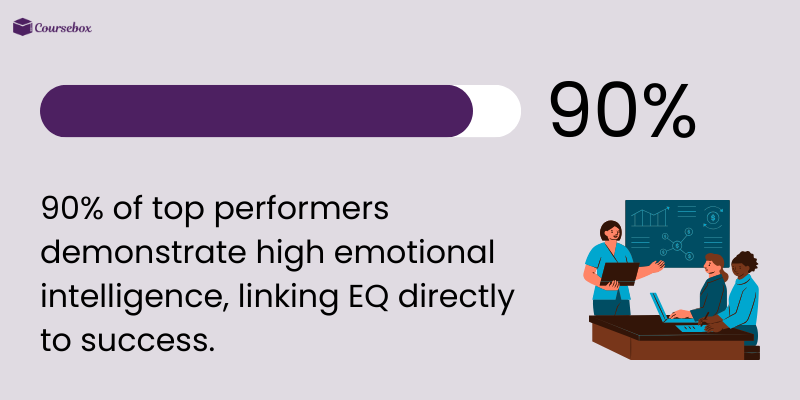
Studies also show that 90% of top performers demonstrate high emotional intelligence, linking EQ directly to success.
Recommended courses:
- Developing Emotional Intelligence on LinkedIn Learning
- Inspiring Leadership through Emotional Intelligence on Coursera
Source: Smart
4. Problem-Solving
Professionals who solve problems efficiently reduce delays and improve results. They do not wait for instructions when obstacles appear. Instead, they break issues into manageable parts and act strategically.
Problem-solving increases influence because leaders rely on individuals who can handle complexity independently.
Recommended courses:
- Creative Problem Solving on Coursera
- Problem-Solving Techniques on Udemy
How to Balance Hard Skills and Soft Skills as a Learner
Balancing hard skills and soft skills starts with being intentional. Don’t just focus on technical learning; combine skill development with it. When studying a hard skill like data analysis, also practice explaining your findings clearly.
This approach helps technical knowledge translate into real-world impact rather than staying theoretical.
It also helps to review progress regularly. If technical growth is strong but communication feels weak, shift attention to soft skills. Similarly, if confidence is high but competence is lacking, invest more time in structured learning.
Want to Turn Your Skills Into a Structured Learning Plan?
If you’re building both hard and soft skills and want to organize them into structured lessons, Coursebox can help. It converts your documents, slides, or videos into interactive courses with quizzes, AI-generated videos, and built-in assessments.
Three Common Mistakes Learners Make
When thinking about hard skills vs soft skills, many learners unintentionally create an imbalance. The issue is usually a lack of strategy. But once you understand common mistakes, it will be easier to avoid delays in career growth.
1. Focusing Only on Hard Skills
Hard skills are essential, but without strong soft skills, technical knowledge may not translate into influence or leadership. A professional may know how to perform tasks well but struggle to explain ideas clearly.
2. Ignoring Soft Skills Until Later
Another common mistake is assuming soft skills can be developed “once the job is secured,” but the problem is that soft skills are often evaluated early. Waiting too long to develop these skills can reduce confidence and performance in key career moments.
3. Treating Them as Separate
Some learners view hard skills and soft skills as two unrelated categories. In reality, they work together. For instance, presenting a financial report requires technical knowledge and clear communication. Treating them as separate slows development.
Start Building the Right Skills Today
Mastering the balance between hard skills vs soft skills is one of the smartest investments a learner can make in 2026. However, the challenge here is turning knowledge into structured training.
For that, you can now use Coursebox.
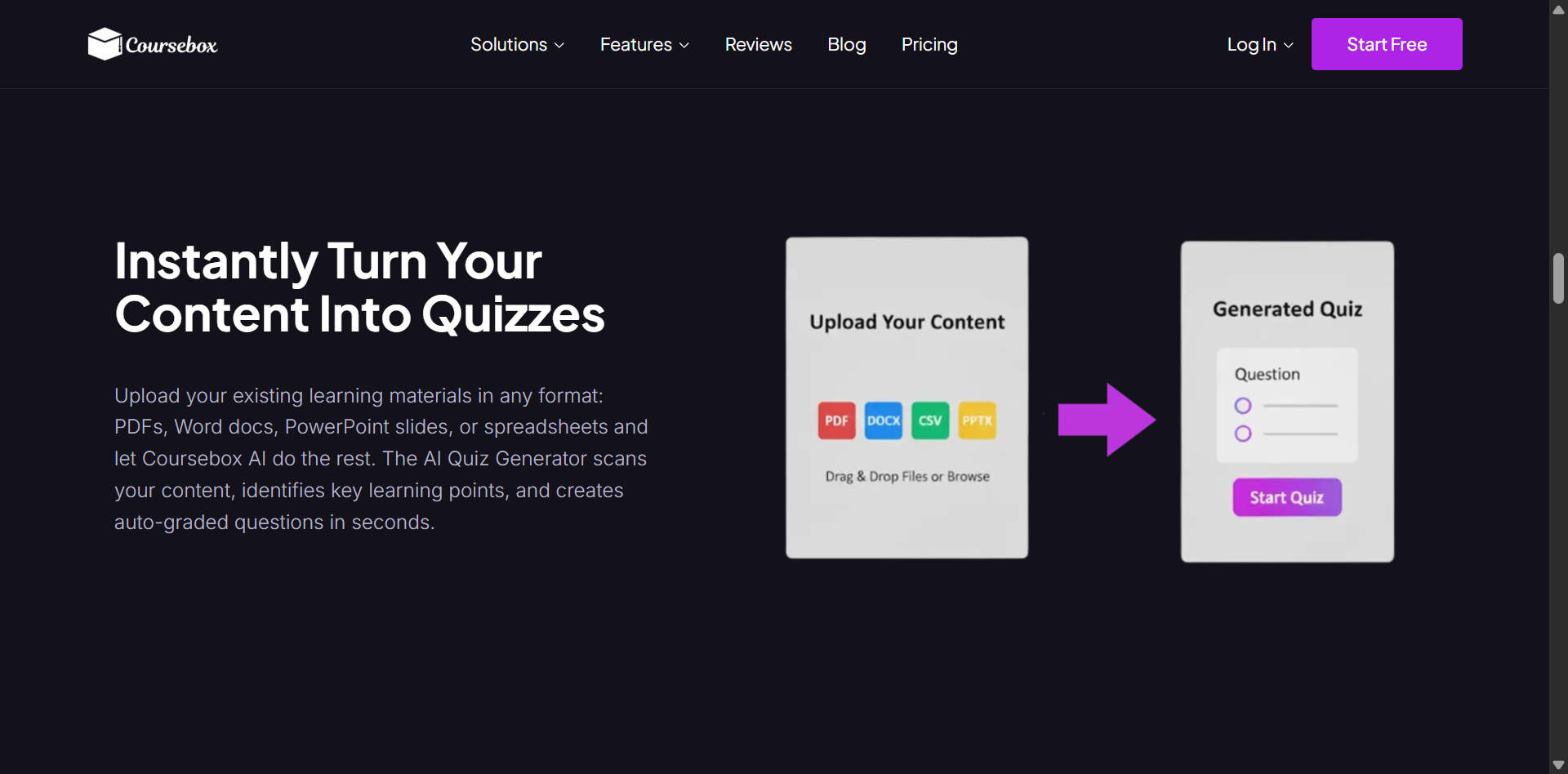
Instead of juggling multiple tools, Coursebox turns documents or links into complete interactive courses in minutes. With AI-generated quizzes, training videos, chatbots, and support for 100+ languages, it removes complexity from course creation.
Try out Coursebox for skill-building today!
FAQs
Frequently Asked Questions
Soft skills can absolutely be learned. While personality may influence communication style or confidence levels, skills like active listening and emotional intelligence improve feedback and real-world experience. Consistent self-awareness and intentional effort make soft skills develop over time.
Start by analyzing your career goals and current gaps. Then, review job descriptions in your target field and identify repeated requirements. If technical qualifications are missing, prioritize hard skills. But if growth and leadership are the goal, strengthen your soft skills.
Soft skills improve through everyday interactions. Joining group activities, volunteering, participating in discussions, or leading small projects builds communication and teamwork naturally. Learners can also practice public speaking and seek feedback to strengthen their confidence and problem-solving ability over time.
Hard skills should be reviewed regularly, ideally every 6 to 12 months. It's because industries evolve quickly, and tools, regulations, or best practices can change. Completing short courses or certifications also helps maintain relevance and prevents skills from becoming outdated.
Travis Clapp
Educational technologist and instructional designer

